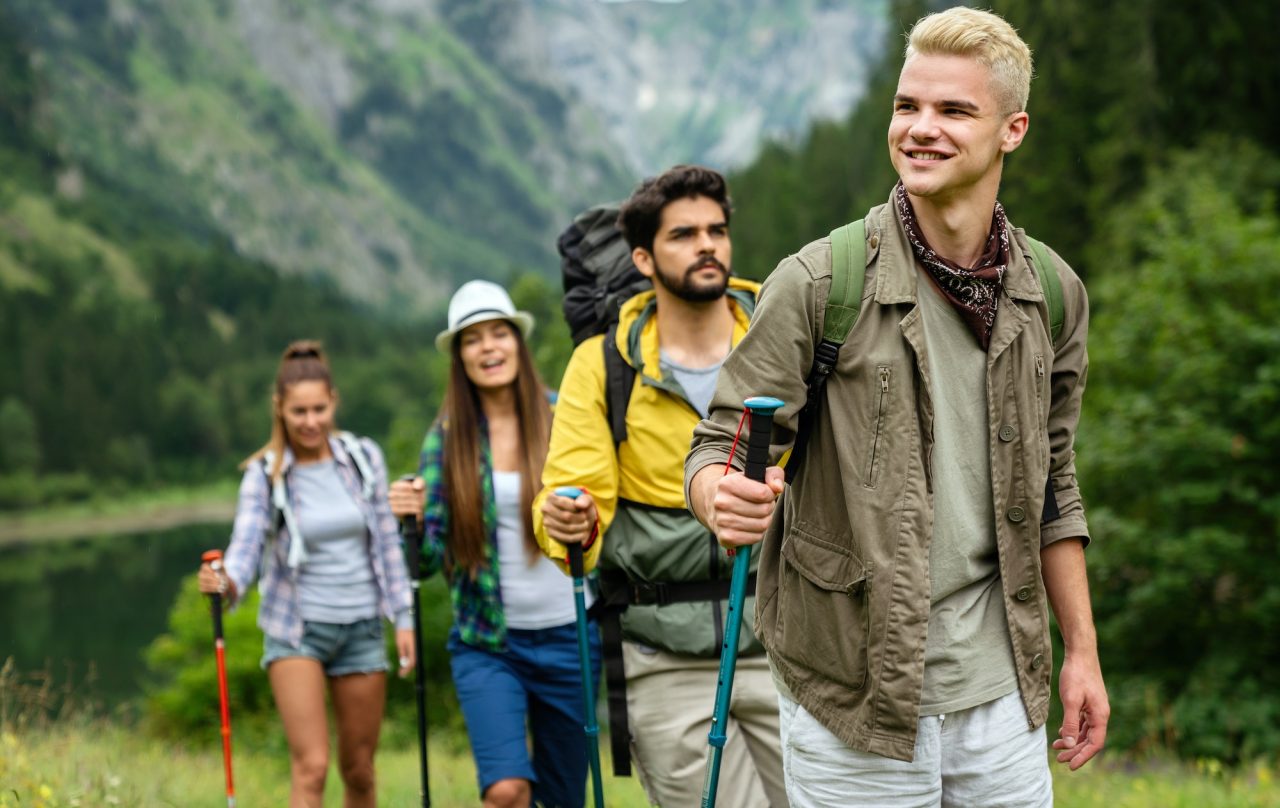
When you set foot on high-altitude trails, face sub-zero temperatures, and climb into unpredictable alpine conditions, one piece of gear can determine your comfort and safety: the mountaineering jacket. Unlike casual outerwear, a mountaineering jacket is purpose-built to shield climbers and adventurers from wind, rain, snow, and extreme cold while offering breathability and freedom of movement.
Whether you are searching for the best mountaineering jacket overall, exploring options tailored for women’s fit, or trying to find a rugged and durable men’s mountaineering jacket, the right choice requires an understanding of materials, technical features, and use cases. This article offers a comprehensive look into mountaineering jackets, analyzing their design, features, gender-specific differences, performance in different conditions, and how to select the right one for your adventures.
Why Mountaineering Jackets Matter
Mountaineering isn’t an ordinary outdoor activity—it exposes climbers to harsh elements, including blizzards, avalanches, freezing winds, and sudden rainstorms. The body loses heat rapidly under such conditions, and improper clothing can lead to hypothermia, frostbite, or severe discomfort.
A high-quality mountaineering jacket:
-
Provides thermal insulation against sub-zero temperatures.
-
Shields from wind and snow through weatherproof membranes.
-
Allows sweat to escape via breathable fabrics, preventing internal condensation.
-
Offers durability against abrasion from rocks, ice, and gear.
This makes the mountaineering jacket a life-saving piece of equipment, not just an accessory.
Key Features of a Mountaineering Jacket
- Waterproof and Windproof Protection
One of the first requirements of a mountaineering jacket is weather resistance. Most premium designs use Gore-Tex or equivalent membranes that block external moisture while remaining breathable. A jacket should withstand snowstorms and heavy rain without soaking through. - Breathability
While protection is crucial, breathability ensures comfort during strenuous climbs. Jackets with pit zips, mesh linings, and moisture-wicking fabrics help regulate body temperature by allowing heat to escape. - Insulation
Depending on the intended conditions, mountaineering jackets can feature synthetic insulation, down filling, or be designed as lightweight shells for layering. Down offers an exceptional warmth-to-weight ratio, while synthetic insulation performs better in wet conditions. - Mobility and Fit
Climbing demands free movement of arms and torso. Jackets often include articulated elbows, adjustable hems, and helmet-compatible hoods. A proper fit prevents restriction while ensuring no cold air enters. - Durability
Rock surfaces, ice tools, and harnesses can wear down fabrics. Reinforced shoulders, elbows, and zippers extend the lifespan of a mountaineering jacket. - Weight and Packability
Mountaineering often requires carrying heavy loads. A good jacket should be light yet protective, and ideally compressible for storage in a backpack.

Different Types of Mountaineering Jackets
Mountaineering jackets are not one-size-fits-all; they are categorized based on insulation, construction, and purpose.
- Hard Shell Jackets
Designed to be the outermost protective layer, hard shell jackets focus on waterproofing and windproofing. They are lightweight, durable, and ideal for layering with mid-layers. - Soft Shell Jackets
Made from stretchy, breathable fabrics, soft shells are versatile for mild to moderate conditions. They provide water resistance but are not fully waterproof. - Insulated Jackets
These jackets prioritize warmth and are filled with down or synthetic fibers. They are essential for high-altitude expeditions or extreme cold environments. - Hybrid Jackets
Combining elements of hard shells and insulation, hybrid jackets aim to balance protection and comfort. They are suitable for variable weather conditions.
Best Mountaineering Jacket: What to Look For
The phrase best mountaineering jacket doesn’t refer to one universal product—it depends on personal needs, environment, and climbing style. However, the best options share several traits:
-
High-performance fabric technology (e.g., Gore-Tex Pro).
-
Helmet-compatible hood with multiple adjustments.
-
Weather-sealed zippers and reinforced seams.
-
Adjustable cuffs and hems to block out cold air.
-
Strategic ventilation (pit zips, mesh panels).
-
Balance between weight and protection.
When evaluating jackets, climbers should test for comfort, layering compatibility, and ease of movement while wearing a harness or backpack.
Women’s Mountaineering Jacket
Women climbers require jackets designed to match anatomical differences and specific comfort needs. A woman’s mountaineering jacket is not simply a smaller version of men’s—it incorporates tailored cuts, narrower shoulders, and wider hip adjustments for better mobility.
Key considerations for women’s mountaineering jackets:
-
Fit: Tapered waist and articulated design for unrestricted climbing.
-
Insulation placement: Adjusted to maximize warmth without bulk.
-
Lighter-weight options: Designed for smaller frames without compromising durability.
-
Aesthetic variety: Many brands offer broader color ranges to cater to women’s preferences.
Brands like Patagonia, Arc’teryx, and The North Face produce women-specific models that integrate technical features with ergonomic comfort.
Men’s Mountaineering Jacket
A men’s mountaineering jacket emphasizes durability, fit for broader shoulders, and performance under heavy loads. Men often prioritize maximum weather resistance, reinforced durability, and versatility across multiple activities.
Key considerations for men’s jackets:
-
Shoulder reinforcement: To withstand backpack straps and rope abrasion.
-
Breathability under heavy exertion: Crucial for long ascents.
-
Heavier insulation options: Especially for expeditions at high altitude.
-
Functional storage: Multiple accessible pockets designed for maps, gloves, or tools.
The best men’s mountaineering jackets combine ruggedness with efficiency, ensuring resilience against both weather and terrain.
Comparing Women’s vs Men’s Mountaineering Jackets
While both serve the same purpose, the design philosophies differ:
| Feature | Women’s Mountaineering Jacket | Men’s Mountaineering Jacket |
|---|---|---|
| Fit | Tailored waist, hip adjustments | Broad shoulder cut |
| Weight | Often lighter | Slightly heavier, reinforced |
| Insulation | Optimized for targeted warmth | Higher bulk for extreme cold |
| Style | Wider color and style options | Functional, muted designs |
Ultimately, the best mountaineering jacket for either gender comes down to comfort, fit, and specific climbing conditions.
Layering with Mountaineering Jackets
No jacket functions in isolation; successful mountaineering relies on layering systems:
-
Base Layer: Wicks sweat and keeps skin dry.
-
Mid Layer: Provides insulation (fleece or down).
-
Outer Layer (Mountaineering Jacket): Shields from wind, snow, and rain.
Choosing a mountaineering jacket that integrates well into this system ensures adaptability to changing weather conditions.
With growing awareness of environmental impact, many manufacturers now emphasize sustainability. Jackets made from recycled fabrics, PFC-free water repellents, and ethical down sourcing have become industry standards. This shift ensures climbers can choose high-performance jackets without compromising environmental values.

How to Choose the Right Mountaineering Jacket
When selecting your jacket, ask:
-
What altitudes and temperatures will I face?
-
Do I need maximum insulation or a lightweight shell?
-
Am I climbing in wet or dry environments?
-
Do I require women’s or men’s specific fit for better comfort?
-
How important are sustainability and eco-friendly production?
Trying on different models, considering layering needs, and checking reviews can guide you toward the best choice.
Future Trends in Mountaineering Jackets
Innovation continues to reshape outdoor gear. The future of mountaineering jackets lies in:
-
Smart fabrics: Materials that regulate temperature dynamically.
-
Ultra-light designs: Combining maximum protection with minimal weight.
-
Enhanced sustainability: Biodegradable fabrics and closed-loop production systems.
-
Customization: Adjustable insulation levels and modular designs.
A mountaineering jacket is more than just an outer layer—it is a shield, a comfort zone, and sometimes a lifeline in the world’s harshest environments. Whether you are searching for the best mountaineering jacket, choosing a women’s mountaineering jacket tailored to your fit, or investing in a durable men’s mountaineering jacket, the decision should balance protection, breathability, insulation, and sustainability.
Climbing mountains demands respect for nature and preparation against its extremes. With the right mountaineering jacket, you not only enhance your safety and performance but also carry a piece of innovation and tradition designed to empower your journey to the summit.