Abstract
Casual dresses have evolved from simple, functional attire to become a core part of modern fashion, combining comfort and style.
According to Vogue magazine, casual dresses come in a variety of silhouettes and fabrics, and are designed for everyday wear while maintaining aesthetic appeal (Johnson, 2021). Further studies in the Journal of Fashion Design emphasise the role of casual dresses in lifestyle expression, highlighting their adaptability across social, professional and leisure contexts (Miller & Lee, 2020).
This article defines, classifies and explores the fabrics, styling and cultural significance of casual dresses, providing designers, retailers and fashion enthusiasts with actionable insights for selecting and promoting casual wear.
Introduction
Casual dress refers to clothing that prioritises comfort, practicality and versatility, while still allowing for personal style. Unlike formal or evening wear, casual dresses are designed for everyday activities such as work, leisure, social outings and travel. The casual dress segment has expanded to include multiple silhouettes, fabric compositions, and seasonal adaptations, from T-shirt dresses to shirt dresses.
It is essential for fashion professionals and retailers to understand what qualifies as a casual dress because this affects design choices, marketing strategy, inventory management and consumer engagement. Whether a dress falls under the casual category is defined by factors such as fabric selection, silhouette, occasion appropriateness, and styling flexibility.
Background and Historical Context
Casual dresses emerged historically in the early 20th century as fashion became more democratised. The increased demand for clothing that could accommodate work, commuting, and leisure without sacrificing aesthetic value was driven by industrialisation, urbanisation, and changes in women’s social roles. Early casual dresses often featured loose silhouettes, simple fabrics, and minimal embellishments.
Today, casual dresses encompass a broad range of styles, from cotton shift dresses for summer to knit dresses for the winter months. Modern fashion emphasises blended fabrics, easy-care materials and versatile cuts, reflecting consumers’ preference for functionality without compromising style.
Classification of Casual Dresses
Subsections include:
T-shirt dresses: These are comfortable and are typically made of jersey or cotton blends. They are ideal for day-to-day activities.
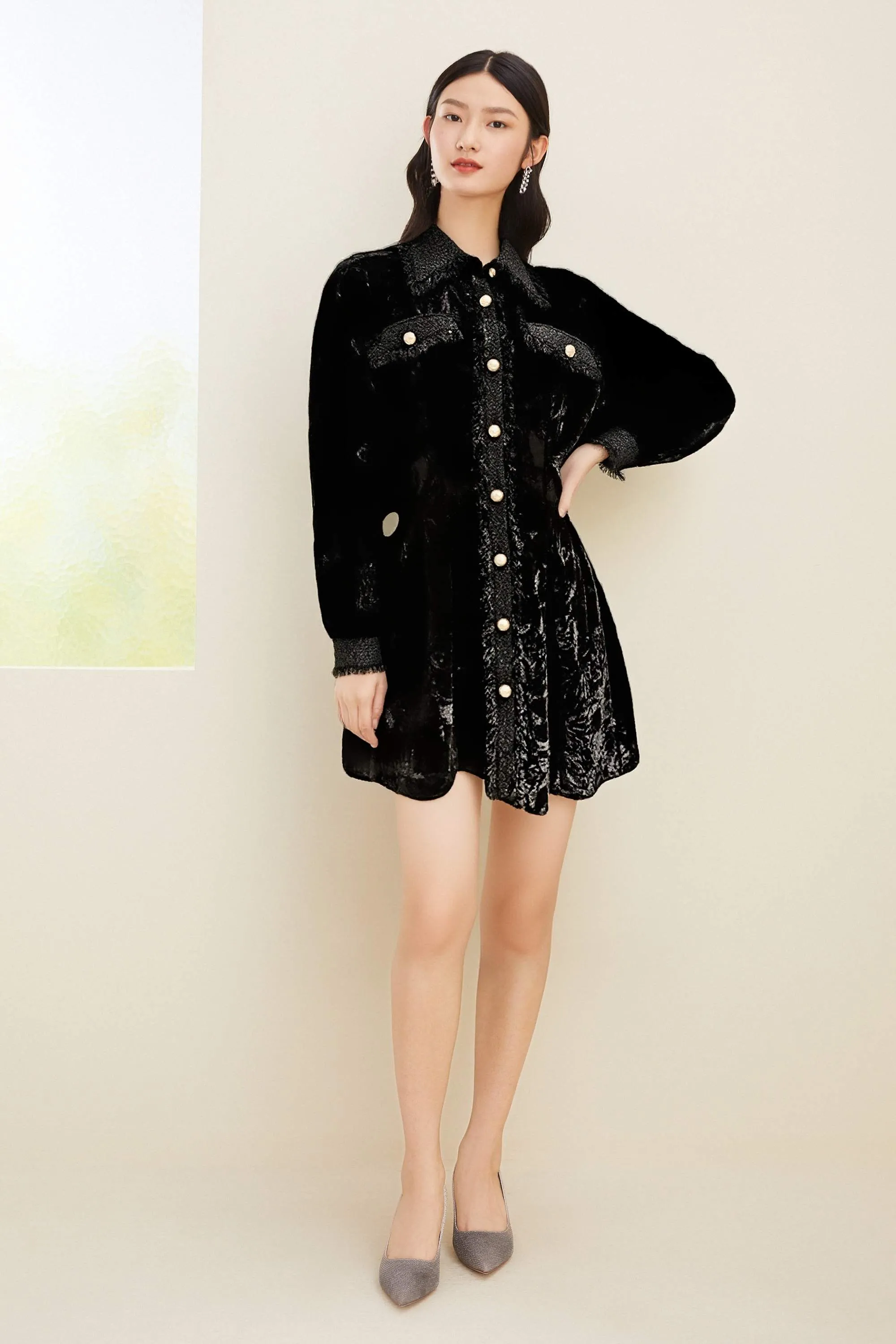
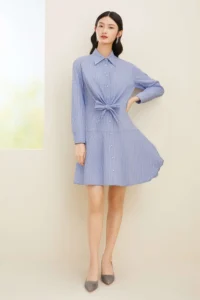
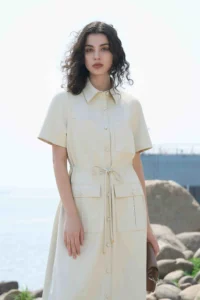
Shirt dresses: Button-front designs inspired by shirts that blend casual formality with comfort.
Maxi dresses: Floor-length, flowy dresses, often made from lightweight fabrics, are perfect for summer.
Shift dresses: Straight-cut dresses without a defined waist, prioritising movement and ease.
Sweater dresses: Knit dresses that are suitable for autumn and winter and balance warmth and style.
Wrap dresses: They have an adjustable fit and are versatile enough for casual or slightly formal daytime settings.
Popular Casual Dress Types
| Dress Type | Key Features | Ideal Occasions | Fabric Examples |
| T-shirt Dress | Loose, short-sleeved, simple | Casual day out, errands, travel | Cotton, jersey |
| Shirt Dress | Button-front, collar, sometimes belted | Office casual, brunch | Cotton blends, linen |
| Maxi Dress | Floor-length, flowy silhouette | Beach, summer outings | Chiffon, rayon, cotton |
| Shift Dress | Straight-cut, minimal structure | Casual meetings, cafe visits | Cotton, silk blends |
| Sweater Dress | Knit fabric, long-sleeved, cozy | Fall/winter casual, home office | Wool, acrylic |
| Wrap Dress | Adjustable tie waist, V-neck | Daytime events, casual dates | Polyester blends, cotton |
Fabric Selection & Styling
The choice of fabric is fundamental to the design, comfort, and functionality of casual dresses. Modern casual dresses use a wide variety of fabrics to achieve the perfect balance between comfort, durability, and aesthetics.
Key Fabrics for Casual Dresses
Cotton and Cotton Blends: Soft, breathable, and ideal for everyday wear.
Polyester and Rayon Blends: Wrinkle-resistant, durable, and easy to maintain.
Knitted Fabrics: Provide flexibility and stretch, suitable for body-con or relaxed silhouettes.
Sustainable Materials: Organic cotton, recycled polyester, and bio-based fibers are increasingly popular.
Styling Considerations
Silhouette: From A-line and shift dresses to maxi and wrap styles, the silhouette determines both comfort and visual impact.
Texture and Detailing: Elements like pleats, ruching, or embroidery enhance aesthetic appeal while maintaining casual comfort.
Color and Pattern: Solid colors for versatility; prints for a playful, expressive look. Neutrals often pair with accessories for day-to-night styling.
Functionality: Stretch fabrics, breathable textiles, and easy-care finishes ensure casual dresses meet modern lifestyle needs.
Casual Dress Fabrics and Functional Advantages
Functional casual dresses offer a range of benefits beyond just aesthetics.
Comfort and breathability: They are optimised for all-day wear.
Versatility: Suitable for work, casual outings and light physical activities.
Durability: Advanced materials and finishes provide enhanced resistance to wear, shrinkage and fading.
Easy maintenance: Many functional casual dresses are machine washable and wrinkle-resistant.
Sustainability: Eco-friendly fabrics and treatments reduce environmental impact.
| Fabric Type | Comfort Level | Durability | Ideal Season | Care Instructions |
| Cotton | High | Medium | Summer | Machine wash |
| Linen | High | Medium | Summer | Hand wash |
| Jersey | High | Medium | All seasons | Machine wash |
| Wool Blend | Medium | High | Fall/Winter | Dry clean |
| Polyester | Medium | High | All seasons | Machine wash |
Cultural and Social Significance
Casual dresses are more than a fashion statement—they reflect cultural trends, social norms, and lifestyle preferences.
- Everyday Wear and Practicality
Casual dresses symbolize ease and accessibility in modern fashion.
They cater to diverse social settings, from work environments to social gatherings.
- Expression of Personal Style
Choice of fabric, cut, and color allows wearers to express individuality.
Casual dresses adapt to both minimalistic and eclectic fashion preferences, reflecting evolving style trends.
- Global and Local Influences
Western casual dresses emphasize comfort and versatility, while other cultures may incorporate traditional patterns, embroidery, or local textiles.
Social norms influence length, modesty, and layering, giving casual dresses a context-specific cultural meaning.
- Impact on Fashion and Society
Casual dresses contribute to the democratization of fashion, making stylish, functional clothing widely accessible.
They also reflect the growing blurring of lines between workwear and leisurewear, supporting flexible lifestyles and hybrid dress codes.
Manufacturing Technologies of Casual Dresses
Casual dresses combine comfort, style and functionality thanks to modern textile and garment manufacturing technologies.
- Fabric selection and innovation: These ensure breathability and softness.
Polyester, rayon and spandex blends: – Provide elasticity, wrinkle resistance and durability.
Sustainable fabrics: The use of recycled fibres, organic cotton and bio-based textiles is increasing.
- Cutting and construction
Advanced cutting techniques: Automated laser cutting and digital patterning ensure precision and minimal waste.
Sewing and stitching: Overlock and flatlock stitching techniques are used for stretch fabrics to ensure comfort and durability.
Seamless or 3D knitting technologies: Reduces waste, improves fit and enhances wearer comfort.
- Functional treatments and finishing
Moisture-wicking and quick-dry finishes for everyday active wear.
Anti-odour and antimicrobial coatings maintain freshness.
UV protection and stain-resistant coatings provide added functionality.
- Digital Design Integration
CAD and 3D visualisation enable rapid prototyping and customisation.
AI-assisted production planning optimises material use and minimises errors.
Challenges in Functional Casual Dress Production
Despite technological advancements, manufacturers still face several challenges.
Balancing function and style: – Integrating moisture-wicking, stretch or protective properties without compromising the design’s aesthetic appeal.
Material compatibility: Functional coatings and blends may affect the texture or drape of fabric.
Production complexity: Multi-step processes such as coating, lamination and finishing increase production time and cost.
Sustainability constraints: Functional treatments may conflict with eco-friendly production standards.
Fit and sizing consistency: Stretch fabrics and blended textiles require precise patterning to ensure consistent sizing.
Trends in Functional Casual Dresses (2026–2030)
Looking ahead, the casual dress industry is set to evolve under the influence of technology, sustainability and consumer demand.
- Smart and functional fabrics
Integration of wearable sensors and smart textiles.
Enhanced moisture management, thermoregulation and UV protection.
- Sustainable production: use of organic, recycled and biodegradable fibres.
Eco-friendly dyeing and finishing processes.
- Customisation and on-demand manufacturing
Made-to-measure casual dresses for a better fit and minimal waste.
AI-assisted digital platforms for personalised styling and rapid prototyping.
- Multi-functional designs
Dresses that combine comfort, casual style and functional performance.
Versatile designs for work, leisure and travel.
- Lightweight and high-performance fabrics
Ultra-lightweight stretch fabrics.
Improved breathability, durability and shape retention to support an active lifestyle.
FAQ Module
- What qualifies as a casual dress?
A casual dress is any dress designed for comfort and ease of movement in everyday contexts. Key features include simple silhouettes, functional fabrics, and styling flexibility.
- Can casual dresses be worn to work?
Yes, particularly styles like shirt dresses, shift dresses, and wrap dresses, which can be styled with minimal accessories for professional casual environments.
- How do I choose the right fabric for a casual dress?
Consider the climate, comfort, care requirements, and desired silhouette. Cotton, linen, and jersey are common for casual wear.
- Are maxi dresses considered casual?
Maxi dresses can be casual if designed with simple fabrics and minimal embellishments, suitable for daytime wear.
- Can I dress up a casual dress for evening occasions?
Yes. Accessories, footwear, and layering pieces can elevate a casual dress for semi-formal or evening settings.
- How should casual dresses be maintained?
Follow fabric care instructions. Cotton and jersey can usually be machine-washed, while delicate fabrics like silk blends require gentle handling.
Conclusion
Casual dresses strike a balance between style and comfort, making them suitable for a variety of daily activities. Understanding the different types, fabrics and styling options available allows fashion professionals and consumers to make informed choices.
Retailers can optimise inventory, enhance consumer satisfaction and leverage modern trends in casual wear by integrating these insights with proper marketing.