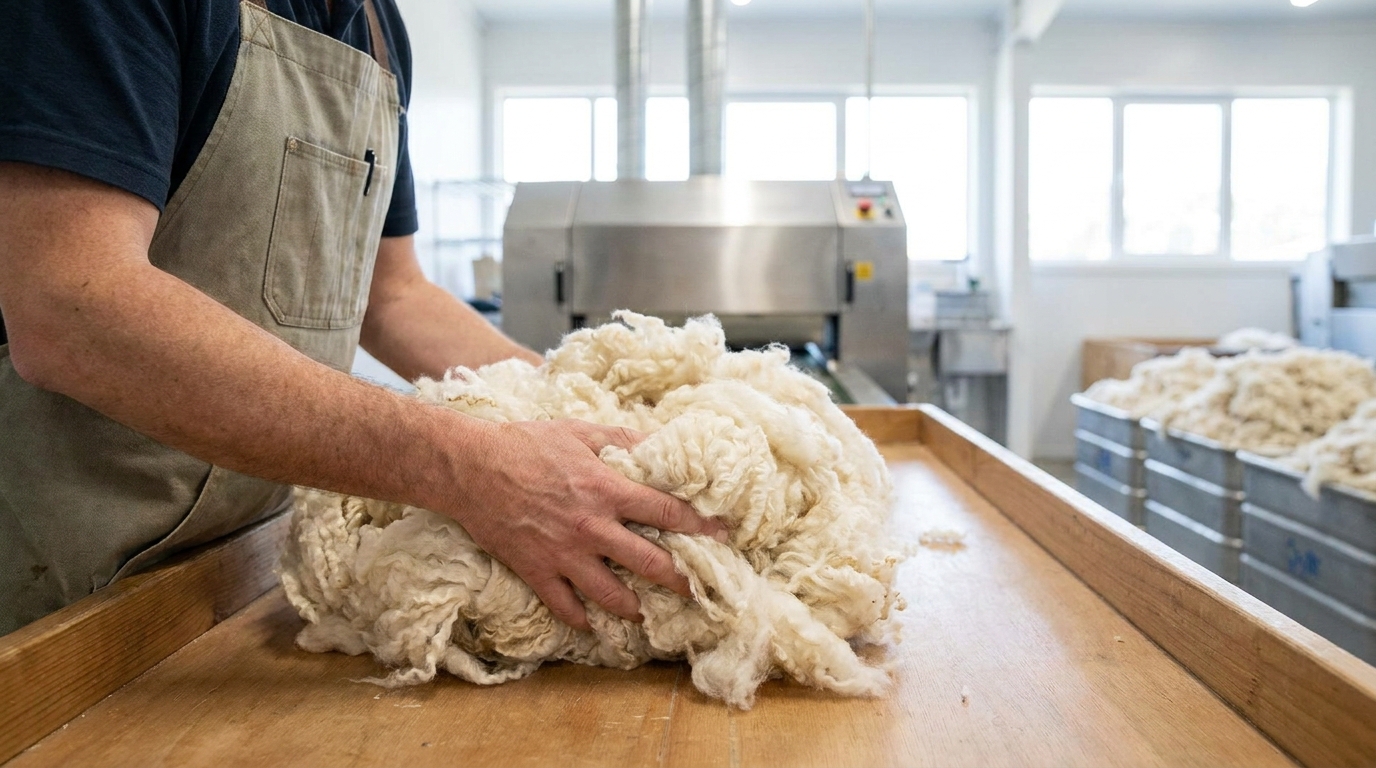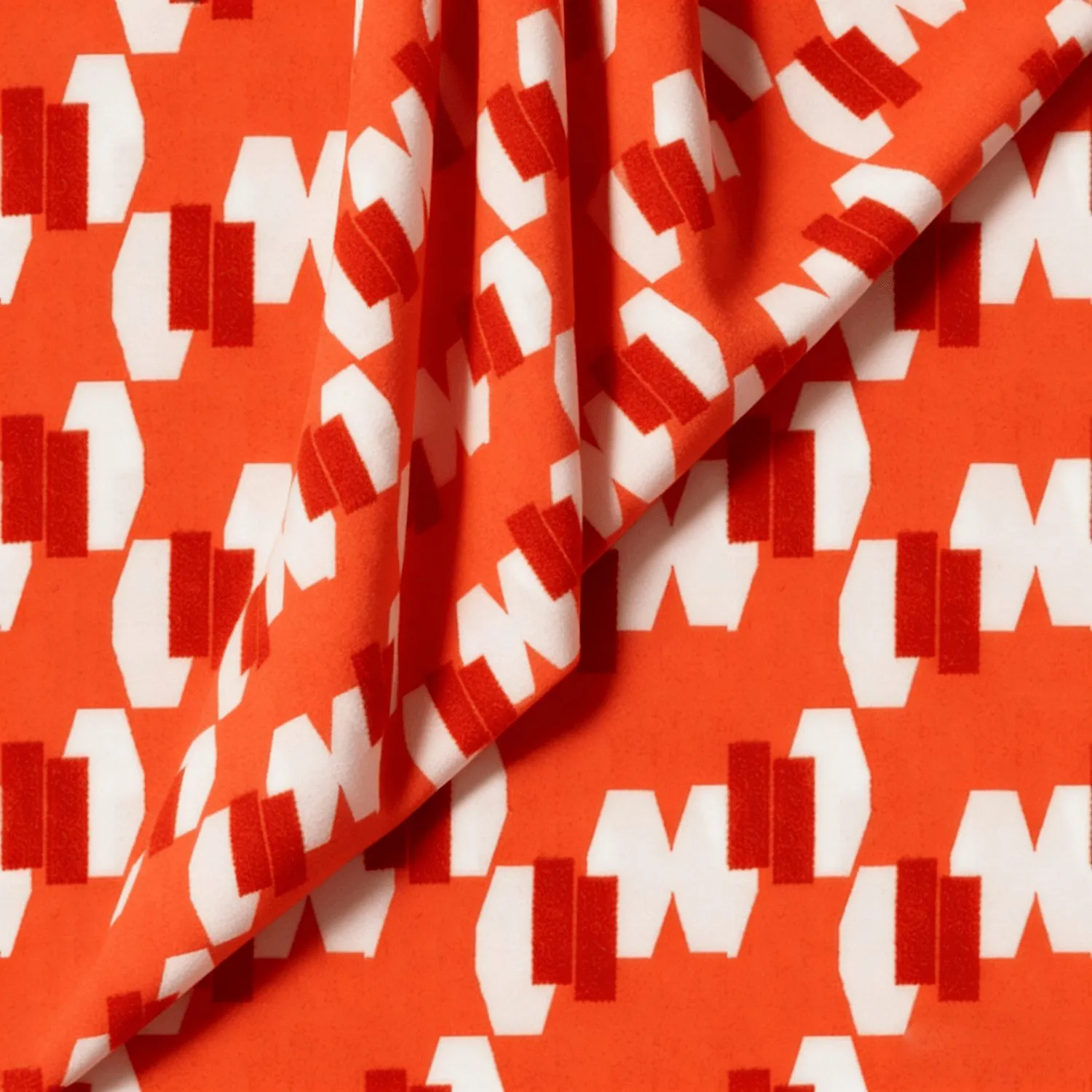
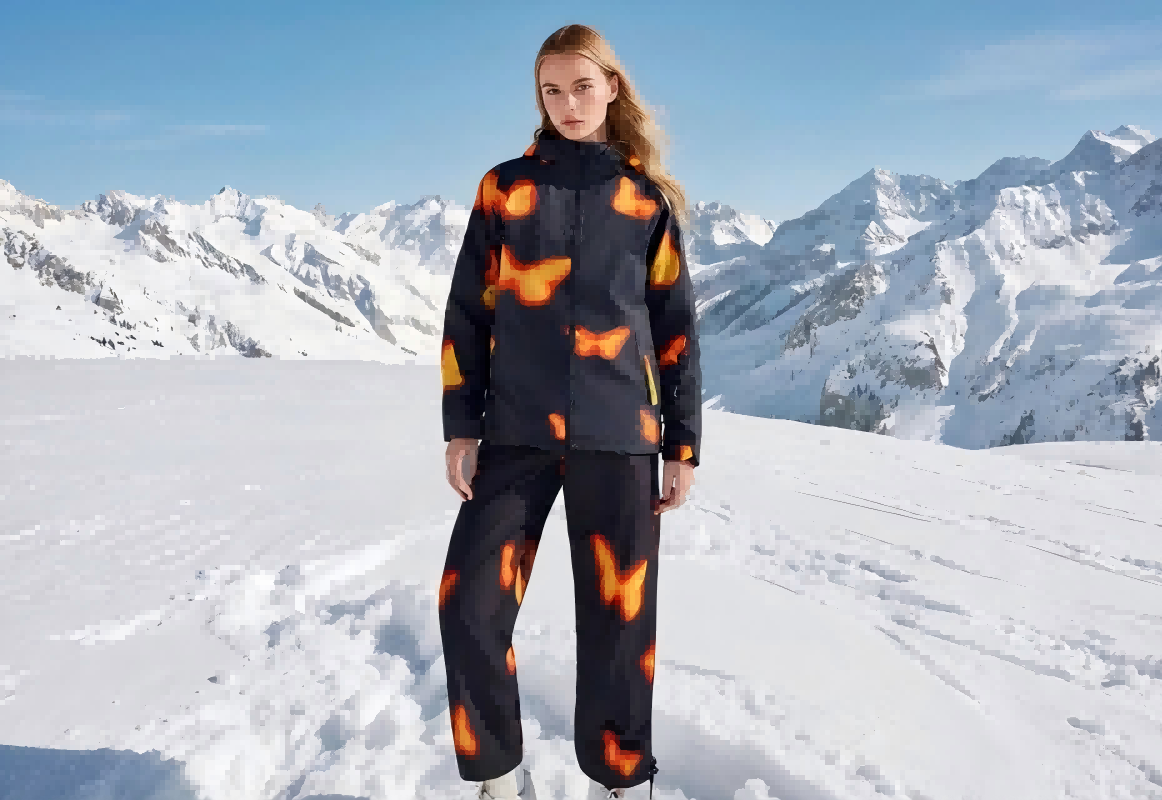
Ski clothing can be broadly categorised into different types, such as base layers, midlayers, outer layers (jackets and trousers), insulating garments, and specialised accessories. Each type is designed to manage moisture, retain heat, and protect against extreme weather conditions. According to research into textiles and outdoor apparel, modern ski clothing uses a layering system that balances thermal insulation, breathability, and waterproofing to maintain body temperature and performance in alpine environments.
Studies on cold-weather clothing systems emphasise that effective ski clothing must integrate moisture-wicking inner layers, insulating midlayers, and weatherproof outer shells in order to prevent heat loss whilst avoiding overheating (ISO 11079 thermal comfort standard for cold environments).
In summary, ski clothing is not a single garment, but rather a multilayered system designed to regulate temperature, provide protection, and enable mobility across varying snow conditions.
Introduction: Why Understanding Ski Clothing Types Matters
The global winter sports market has grown rapidly, and ski clothing has evolved from basic protective gear to highperformance technical apparel. For manufacturers, distributors, and B2B buyers, it is essential to understand the different types of ski clothing to:
- product development and segmentation;
- climate-specific market targeting;
- performance optimisation;
- inventory planning.
Unlike standard apparel, ski clothing must perform under extreme conditions, combining waterproofing, insulation, breathability, and durability in a single integrated system.
The Layering Principle in Ski Clothing
The foundation of all product categories in modern ski clothing is the three-layer system.
Base layer (moisture management layer)
The base layer sits directly against the skin and wicks moisture away from the body.
Key features:
- Sweat absorption and evaporation
- Lightweight and breathable
- Close-fitting design
Common materials:
- Merino wool
- Polyester blends
- Synthetic performance fabrics
A high-quality base layer prevents moisture buildup, which is critical in cold environments to avoid rapid heat loss.
Mid Layer (Insulation Layer)
The midlayer provides thermal insulation by trapping body heat while allowing moisture to escape.
Types of midlayer:
- Fleece jackets
- Down jackets
- Synthetic insulated jackets
Function:
- Retain heat
- Maintain breathability
- Adapt to temperature changes
Outer Layer (Shell Layer)
The outer layer protects against wind, snow, and moisture, acting as the first line of defence. Outer Layer (Shell Layer)
The outer layer protects against wind, snow, and moisture, acting as the first line of defence.
Key features:
- Waterproof membranes
- Windproof construction
- Durable outer fabric
This layer is essential for staying dry and comfortable in harsh alpine conditions.
Main Types of Ski Clothing (Detailed Classification)
Ski Jackets
Ski jackets are one of the most important pieces of ski clothing.
Types of ski jackets:
- Hardshell jackets: fully waterproof and designed for extreme conditions, but less insulated and more rigid.
- Softshell jackets: more breathable and less waterproof, suitable for mild conditions.
- Insulated jackets: built-in insulation and ideal for colder climates.
Ski Pants
Ski pants protect the lower body and must provide flexibility and insulation. Ski Pants
Ski pants protect the lower body and must provide flexibility and insulation.
Types:
- Shell pants (waterproof, no insulation)
- Insulated pants
- Bib pants (extended coverage)
Key features:
- Reinforced knees
- Waterproof seams
- Adjustable waist systems
Base Layer Clothing
Includes:
- Thermal tops
- Thermal leggings
These garments are essential for moisture control and temperature regulation.
Midlayer garments
Midlayer garments vary depending on the temperature:
- Lightweight fleece for mild conditions
- Heavy down jackets for extreme cold
Insulated outerwear
Some ski clothing combines the midlayer and outer layer into a single insulated garment.
Ski suits (one-piece systems)
One-piece ski suits provide full-body protection.
Advantages:
- No gaps between layers
- Better heat retention
- Improved snow protection
Accessories and supporting gear
Ski clothing is incomplete without accessories.
- Gloves
- Hats and helmets
- Goggles
- Neck gaiters
- Socks
These items play a critical role in overall thermal performance.
Comparison of Ski Clothing Types
Table 1: Ski Clothing Layer Comparison
| Layer | Function | Key Materials | Performance Focus |
| Base Layer | Moisture control | Wool, polyester | Breathability |
| Mid Layer | Insulation | Fleece, down | Heat retention |
| Outer Layer | Protection | Nylon, membranes | Waterproofing |
Performance Metrics in Ski Clothing
Table 2: Key Technical Specifications
| Feature | Description | Importance |
| Waterproof Rating | Measured in mm (e.g., 10,000 mm) | Prevents moisture entry |
| Breathability | g/m²/24h rating | Reduces sweat buildup |
| Insulation Type | Down vs synthetic | Determines warmth |
| Weight | Garment weight | Affects mobility |
| Durability | Fabric strength | Longterm use |
How to Choose the Right Ski Clothing?
When it comes to picking ski clothing, it’s not just about looking good on the slopes — it’s about staying warm, dry, and mobile in extreme conditions. The right setup strikes a balance between insulation, weather protection, and breathability, depending on your activity level and the environment.
Follow the layering system (the most important rule).
The foundation of ski clothing is the three-layer system:
Base layer (next to skin)
Purpose: moisture-wicking (keeps sweat off the skin)
Best materials: Merino wool and synthetic fibres
Avoid: Cotton (retains moisture, making you cold)
Mid layer (insulation)
Purpose: Retain body heat
Options:
- Fleece (lightweight and breathable)
- Down (highly insulating but less breathable)
- Synthetic insulation (balanced performance)
Outer layer (shell)
Purpose: To protect against wind, snow, and water
Look for:
- Waterproof rating (≥10,000 mm)
- Breathability (≥5,000 g/m²/24h)
- Windproof construction
Insight:
This layering approach is rooted in principles from outdoor clothing design.
Choose the Right Insulation Type
Down vs Synthetic
| Type | Pros | Cons | Best For |
| Down | Very warm, lightweight | Poor when wet | Cold, dry climates |
| Synthetic | Works when wet, durable | Slightly heavier | Wet or variable conditions |
Pro tip:
If you ski in humid or snowy regions, synthetic insulation is safer.
Waterproofing and breathability (critical balance)
Key ratings:
Waterproof rating (mm):
- 5,000–10,000: light snow
- 10,000–20,000: standard skiing
- 20,000+: extreme conditions
Breathability rating (g/m²/24h):
- 5,000: basic
- 10,000+: active skiing
Insight:
Too waterproof without breathability = sweaty and uncomfortable
Fit and mobility
Ski clothing should allow full movement without being bulky.
What to look for:
- Articulated knees and elbows
- Stretch fabrics
- Proper layering space
Avoid:
- Overly tight clothing (restricts movement)
- Overly loose clothing (reduces heat retention)
Ventilation features
High activity levels lead to sweating, even in cold weather.
Key features:
- Underarm zip vents (pit zips)
- Meshlined ventilation openings
Benefits:
Regulates body temperature during intense runs.
Essential functional features:
Jacket:
- Snow skirt (to prevent snow entry)
- Helmet-compatible hood
- Lift pass pocket
Pants:
- Reinforced cuffs
- Gaiters (snow blockers)
- Adjustable waist
Insight:
Small features significantly improve the on-slope experience.
Climate & Ski Type Consideration
Match gear to environment:
| Condition | Recommended Setup |
| Cold & dry | Down + hardshell |
| Wet & snowy | Synthetic + waterproof shell |
| Mild weather | Lightweight layering |
Durability and material quality
Ski clothing must be able to withstand:
- Abrasion (e.g., from ski edges or falls)
- Repeated washing
- Harsh weather
Look for:
- Reinforced panels
- Ripstop fabrics
- High-quality zippers
Safety and visibility
Important factors:
- Bright or reflective colours
- RECCO® reflectors (for avalanche rescue)
Insight:
Visibility is crucial in lowlight or snowy conditions.
Budget vs Performance
Price tiers:
- Entry level: basic waterproofing
- Midrange: balanced performance
- Premium: advanced materials and features
Strategy:
Invest more in the jacket and outer shell and less in the midlayers.
Industry Trends in Ski Clothing
Ski apparel is evolving from traditional winter gear into highperformance, multifunctional outerwear. The most significant changes are occurring in terms of materials, sustainability, and crossover usage.
Shift towards performance-driven materials.
Modern ski clothing is designed with technical performance in mind, as well as warmth.
Key innovations include:
- Advanced waterproof and breathable membranes
- Stretch woven fabrics for increased mobility
- Lightweight insulation with a higher warmth-to-weight ratio
Brands such as Gore-Tex continue to set the standard for waterproofing and breathability.
Sustainability becomes a core requirement
Ecoconscious production is no longer optional.
Trends:
- Recycled polyester and nylon
- PFC-free water repellent coatings
- Traceable supply chains
Insight:
Sustainability is now a key factor in purchasing decisions, particularly in the EU and North American markets.
Hybrid and layered design systems
Instead of bulky single-layer jackets, brands are moving towards:
- Modular layering systems
- Hybrid garments (insulated and shell combinations)
- 3in1 jackets
Benefits:
Greater flexibility across different weather conditions
Smart features and wearable tech (emerging)
Ski clothing is starting to integrate technology:
- Built-in heating elements
- Smart temperature regulation
- Sensor-enabled safety features
- Direction:
Ski apparel is gradually merging with wearable technology.
Lightweight and packable gear
Consumers demand mobility and convenience.
Trends:
- Ultralight insulation
- Packable jackets
- Compact layering systems
Result:
Better portability for travel and backcountry skiing.
Fashion meets function: ‘Slope to Street.’
Ski clothing is no longer confined to the slopes.
Trends:
- Stylish designs suitable for urban wear
- Minimalist aesthetics
- Neutral colour palettes
Insight:
Ski apparel is becoming part of everyday winter fashion.
Growth of backcountry and outdoor segments
More users are moving beyond resorts.
Impact:
- Demand for breathable, lightweight gear
- Focus on mobility and safety features
Result:
A shift from “resort gear” to technical outdoor equipment.
Common Mistakes in Ski Clothing Selection
Even experienced buyers and consumers can make avoidable errors.
- Overfocusing on warmth
Mistake:
Choosing the thickest jacket available.
Reality:
Overheating leads to sweating and a cold body.
Solution:
Use layering instead of bulky insulation.
- Ignoring breathability
Mistake:
Buying highly waterproof gear with low breathability
Result:
Sweat buildup, discomfort, and reduced performance
Fix: Balance waterproof rating with breathability.
- Wearing cotton base layers
Mistake:
Using cotton base layers
Problem: Cotton retains moisture, making you cold.
Better option:
Synthetic or wool base layers.
- Choosing the wrong fit
Mistake:
- Too tight: restricts movement
- Too loose: poor heat retention
Solution:
Choose a functional fit with layering space.
- Ignoring weather conditions
Mistake:
Using the same gear in all climates
Reality:
Different environments require different setups.
- Neglecting key features
Overlooked details:
- Ventilation zippers
- Snow skirts
- Gaiters
Impact:
Reduced comfort and performance on slopes
- Buying based on price alone
Mistake:
Choosing the cheapest option
Risk:
- Poor durability
- Weak waterproofing
Insight:
Ski clothing is an investment in performance.
Applications Beyond Skiing
Modern ski clothing is designed to be versatile, with multiple use scenarios.
- Snowboarding
Similar requirements: waterproof and mobility.
Slightly looser fit preferred.
Insight:
Most ski gear is suitable for snowboarding.
- Hiking and mountaineering
Waterproof shells for rain and wind
Insulation layers for cold conditions
This is especially relevant in alpine regions like Hokkaido.
- Everyday winter wear
Urban commuting
Cold-weather travel
Trend: “Skitostreet” fashion integration
- Camping and outdoor activities
Protection against wind and cold
Lightweight, packable gear
- Cycling and motorcycling in cold weather
Windproof outer layers
Thermal insulation
- Workwear in cold environments
Construction
Logistics
Outdoor labour
Insight:
Durability and insulation make ski clothing suitable for industrial use.
- Travel and adventure tourism
Multifunctional clothing reduces packing needs and adapts to changing climates.
FAQ: Ski Clothing
- What are the main types of ski clothing?
Base layers, midlayers, outer layers, insulated garments, and accessories.
- What is the purpose of layering in ski clothing?
To manage moisture, retain heat, and protect against weather.
- What is the difference between hardshell and softshell jackets?
Hardshell is waterproof; softshell is more breathable.
- Do I need insulated ski clothing?
Yes, especially in cold climates.
- What materials are best for ski clothing?
Synthetic fabrics, wool, and waterproof membranes.
- Can ski clothing be used for other activities?
Yes, including hiking and winter sports.
Conclusion
Both consumers and B2B professionals need to understand the different types of ski clothing. Each component, from base layers to outer shells, plays a critical role in maintaining comfort, safety, and performance in extreme environments.
The modern ski clothing system is a sophisticated solution that combines multiple garment types to create a cohesive system designed for adaptability and efficiency.
For businesses, aligning product offerings with these categories is key to remaining competitive in the rapidly evolving winter sports market.