
Yes, you can restore the loft of a puffer jacket by washing and drying it correctly. This involves using controlled heat and agitation (typically with dryer balls) to separate the insulation clusters.
References to textile care and fibre science (e.g., standard apparel care manuals and studies on down/synthetic fill behaviour in the Journal of Textile Science & Engineering) show that loss of loft is usually caused by moisture and compression, both of which can be reversed through proper drying and mechanical fluffing. When done correctly, most jackets regain 80–95% of their original puffiness without damaging the shell or filling.
Introduction: Why Puffer Jackets Lose Their Puffiness
The modern puffer jacket is designed around one principle: trapped air equals warmth. Whether filled with natural down or synthetic fibres, its insulating performance depends on ‘loft’ — the volume created by fluffy clusters that trap warm air. When the loft collapses, the jacket looks flat and loses its thermal efficiency.
In real-world use, puffer jackets lose volume for several reasons: repeated compression during storage, moisture from washing or rain, improper drying, and the accumulation of body oils or dirt, which cause fibres to clump together. As consumers invest in higher-quality outerwear and sustainable garment care in 2026, restoring a jacket’s original loft becomes both an economic and environmental priority.
This guide goes beyond basic advice. It explains the science behind loft restoration, compares methods, and provides insights from the garment industry to help you restore your puffer jacket to its former glory.
What Makes a Puffer Jacket “Puffy”?
At the heart of every puffer jacket is an insulation system designed to maximise air retention.
- Down insulation
Natural down consists of soft clusters that expand to create air pockets. These clusters are highly compressible, yet they spring back into shape when dry and agitated.
- Synthetic insulation
Synthetic fills (e.g., polyester fibres) mimic down by creating a network of fibres that trap air. They are generally more resistant to moisture, but they may flatten over time.
- Shell fabric
The outer shell maintains the jacket’s structure and protects the insulation from external moisture and wear.
If any of these components are compromised, especially through moisture or compression, the jacket will appear flat.
Common Causes of Loft Loss
It is essential to understand why a puffer jacket loses its puffiness to choose the right restoration method.
- Moisture retention: water causes insulation clusters to stick together, eliminating air pockets.
- Improper washing: harsh detergents or incorrect washing cycles can damage the insulation’s structure.
- Compression storage: storing jackets in tight spaces compresses fibres over time.
- Dirt and oils: accumulated residues reduce the fibres’ ability to expand.
How to Make a Puffer Jacket Puffy Again: Step-by-Step
Step 1: Washing properly
Use a gentle cycle with cold or lukewarm water and a detergent designed specifically for down or technical fabrics. Avoid standard detergents, as they can leave residues.
Step 2: Remove excess water
After washing, gently squeeze out the water without wringing the jacket, as this can damage the insulation.
Step 3: Tumble dry with dryer balls
This is the most important step. Place the puffer jacket in the tumble dryer on a low heat setting with 2–3 dryer balls or clean tennis balls. These help to break up clumps and restore loft.
Step 4: Periodic fluffing
Pause the drying cycle every 20–30 minutes and manually shake and redistribute the insulation.
Step 5: Ensure complete drying
Incomplete drying is the most common reason for poor results. The jacket must be completely dry to regain its puffiness.
Drying Methods Comparison
| Method | Effectiveness | Time Required | Risk Level | Best For |
| Tumble Dry + Balls | Very High | Moderate | Low | Most jackets |
| Air Dry + Manual Fluff | Moderate | Long | Very Low | Delicate items |
| Professional Cleaning | High | Short | Very Low | Premium jackets |
Down vs Synthetic: Restoration Differences
| Feature | Down Fill | Synthetic Fill |
| Loft Recovery | Excellent | Good |
| Moisture Sensitivity | High | Low |
| Drying Time | Longer | Shorter |
| Durability | High (with care) | Moderate |
Down jackets require more careful drying but often regain better loft, while synthetic jackets are easier to maintain.
Advanced Techniques Used in the Industry
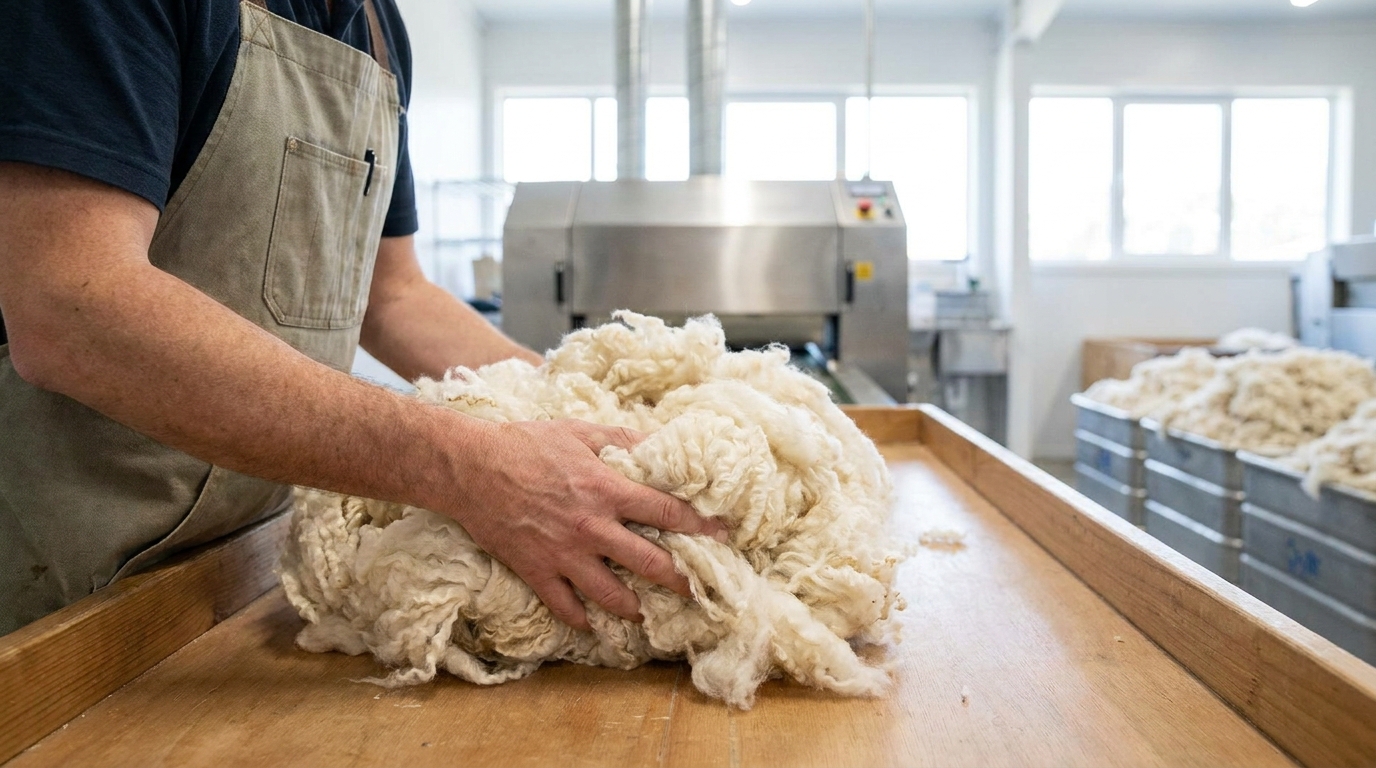
In textile engineering, restoring the loft (fluffiness and insulation performance) of garments, especially padded jackets, requires more than simple home care. Industrial and professional methods are designed to restore structure, enhance insulation, and extend the product’s lifespan.
Industrial Tumble Systems
What they are:
Large-scale tumble dryers are used in manufacturing and refurbishment facilities.
How they work:
Operate with precise control of heat, airflow, and agitation.
Benefits:
Break up clumped insulation (down or synthetic fill)
Redistribute fibres evenly throughout the garment
Benefits:
- Restore loft quickly and uniformly
- Improve thermal performance
- Suitable for bulk processing
Use case:
Widely used by manufacturers and repair centres for postwash recovery and reconditioning.
Relofting treatments
What they involve:
Specialised processes are applied to revive the fibre structure, which may include steam treatment, conditioning agents, or mechanical fluffing.
Purpose:
- Re-expand compressed fibres
- Improve softness and volume
- Enhance overall insulation efficiency
Advantages:
More targeted than basic drying, making them ideal for premium or delicate garments.
Fill replacement
When needed:
- Insulation is severely degraded, flattened, or uneven
- The garment has lost most of its thermal performance
Process:
- Open the garment seams.
- Remove the old insulation.
- Insert the new down or synthetic fill.
Outcome:
The jacket is restored to near-original performance, and the product lifespan is extended significantly.
Consideration:
This process is more costly, but often worthwhile for high-value outerwear.
Industry insight:
These advanced techniques highlight a growing trend:
product longevity over replacement, with an increased focus on repair, refurbishment, and sustainability.
Best Practices for Maintaining Puffiness
It’s not just about how you wash a jacket; it’s also about how you store, use, and maintain it over time. In textile engineering, loft (puffiness) is directly tied to insulation performance, so preserving it is essential.
- Store jackets loosely (avoid compression).
Why it matters:
- Down or synthetic fill relies on trapped air.
- Longterm compression flattens fibres and reduces insulation.
Best practice:
- Hang jackets on a wide hanger.
- Avoid stuffing them into tight spaces for long periods.
- Use breathable garment bags.
Avoid:
Plastic covers that trap moisture
Choose:
Cotton or fabric garment bags
Benefits:
Allow airflow
Prevent moisture buildup and odour
Protect from dust without compressing the jacket
- Clean regularly (but not excessively).
Balance is key:
- Too little cleaning: oils and dirt reduce loft.
- Too much washing: wear on fibres and stitching.
- Guideline:
Wash only when needed.
Use gentle cycles and appropriate detergents.
- Avoid prolonged exposure to moisture
Why it’s critical:
Moisture causes insulation to clump, reducing warmth and puffiness.
Tips:
- Dry jackets thoroughly after washing or exposure to rain.
- Store them in a dry, ventilated area.
Bonus tips for long-term performance:
- Shake and fluff the jacket periodically.
- Use low-heat tumble drying with dryer balls (if applicable).
- Avoid placing heavy items on top of stored jackets.

Common Mistakes to Avoid
- Using High Heat
Excessive heat can damage synthetic fibers or shell fabrics.
- Skipping Dryer Balls
Without agitation, insulation remains clumped.
- Incomplete Drying
Residual moisture prevents full loft recovery.
- Overwashing
Frequent washing can degrade insulation over time.
Cost vs Replacement: Is Restoration Worth It?
Restoring a puffer jacket is almost always more cost-effective than replacing it, especially for high-end products.
| Option | Cost Level | Sustainability | Result Quality |
| DIY Restoration | Low | High | Very Good |
| Professional Care | Medium | High | Excellent |
| Replacement | High | Low | New condition |
Sustainability Impact
Instead of replacing them, maintaining and restoring jackets plays a meaningful role in reducing environmental impact. Extending a garment’s usable life is one of the most effective ways to lower textile waste and carbon emissions within Sustainable Fashion.
- Reducing textile waste
The problem: Large volumes of clothing end up in landfills each year, and synthetic insulation materials can take decades to decompose.
The solution:
Repairing and restoring jackets keeps them in use for longer, reducing the need for disposal and new production.
- Lower carbon footprint
Why it matters:
Manufacturing new garments requires:
- Raw materials
- Energy-intensive processing
- Transportation
Impact of restoration:
- Avoids emissions tied to producing new jackets
- Maximises the value of already produced materials
- Circular fashion practices (2026 trend)
Modern fashion is shifting towards a circular model where products are:
- Designed for durability
- Repaired and reused
- Recycled at the end of their life
Key principle: Extending the lifecycle of a jacket is often more sustainable than recycling it prematurely.
- Consumer and industry benefits
Consumers save money and get longer use from products.
Brands build sustainability, credibility and customer trust.
The environment benefits from reduced resource extraction and waste generation.
FAQ: Puffer Jacket Care
- Why did my puffer jacket lose its puffiness?
Usually due to moisture, compression, or improper cleaning.
- Can I restore a puffer jacket without a dryer?
Yes, but it takes longer and requires frequent manual fluffing.
- How long does it take to restore puffiness?
Typically, 1–3 hours of drying with periodic checks.
- Can all puffer jackets be restored?
Most can, unless the insulation is permanently damaged.
- How often should I wash my puffer jacket?
Only when necessary, over washing can reduce lifespan.
Conclusion
Restoring the loft of a puffer jacket is straightforward when done correctly. Most jackets can regain their original volume and performance by combining proper washing, controlled drying, and mechanical fluffing.
Understanding the science behind insulation and applying best practices ensures long-term durability, cost savings, and sustainability for both consumers and industry professionals. In 2026, maintaining garment performance will be about more than just care — it will be about maximising value in a resource-conscious world.