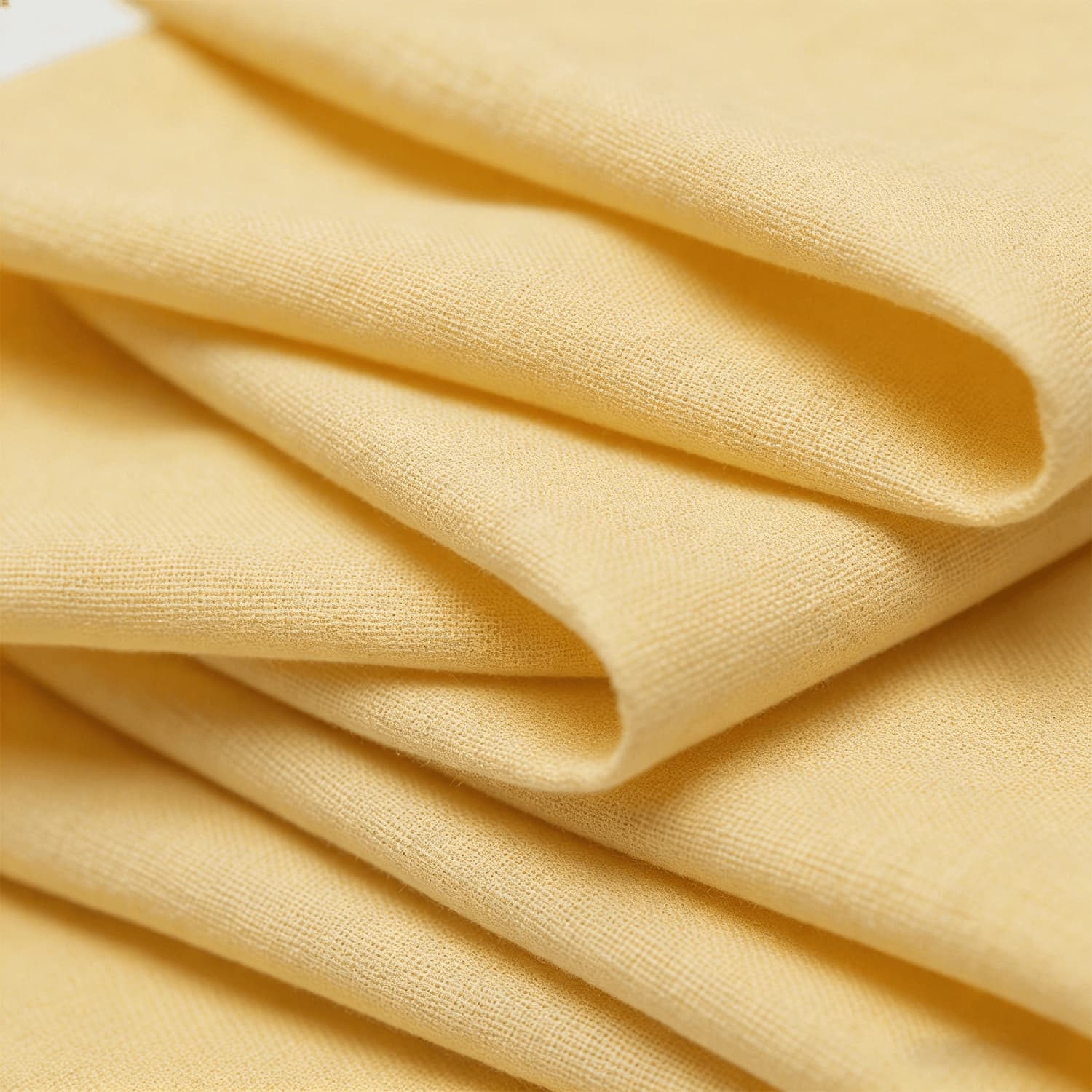
Evaluating the quality of linen fabric requires a multi-dimensional assessment spanning fibre origin, yarn count, weave density, tensile strength and finishing treatments — no single metric tells the complete story.
According to the European Confederation of Linen and Hemp (CELC, 2022), premium-grade linen is defined as flax fibre fineness below 16 tex, an appropriate thread count for the intended application, and compliance with OEKO-TEX Standard 100 certification for chemical safety. Research published in the Textile Research Journal (Bos et al., 2006) further establishes that the mechanical performance of linen — including tensile modulus, moisture regain capacity and thermal conductivity — is directly related to the method of fibre extraction, with wet-retted long-line flax performing consistently better than dew-retted or cottonised short-fibre alternatives across all primary quality benchmarks.
Introduction: Why Linen Quality Assessment Demands a Systems Approach
Linen is one of the oldest textile fibres in recorded human history. Archaeological evidence from the Dzudzuana Cave in Georgia dates the use of linen fibres to around 30,000 BCE. Yet it remains one of the most technically misunderstood fabrics in contemporary retail and procurement contexts. Consumers often confuse thread count with quality, mistake blended ‘linen-look’ polyester for genuine flax-derived linen and rely on tactile impressions that, while meaningful, capture only a fraction of the variables that determine how a linen fabric will perform over time.
To evaluate linen fabric quality correctly, sourcing professionals, textile buyers, product developers and informed consumers must understand the full production chain — from the agricultural conditions under which flax is grown and the retting and scutching processes that extract the bast fibre, to the spinning, weaving and finishing stages that determine the final fabric’s physical and aesthetic properties. Each stage introduces variables that either enhance or diminish the raw material’s inherent quality, and no amount of high-quality finishing can fully compensate for poor-quality fibre at the foundation.
This article provides a structured framework for evaluating linen fabric quality that is grounded in standards and aligned with current ISO, EN, and CELC benchmarks. It is designed to be applicable in both commercial procurement and retail purchasing contexts.
Stage 1: Fiber Origin and Extraction Method — The Quality Foundation
The quality trajectory of any linen fabric is established before a single thread is spun — at the level of flax cultivation and fiber extraction. Understanding these upstream variables is essential because they determine the ceiling of quality that downstream processing can achieve.
-
Flax Growing Regions and Their Quality Implications
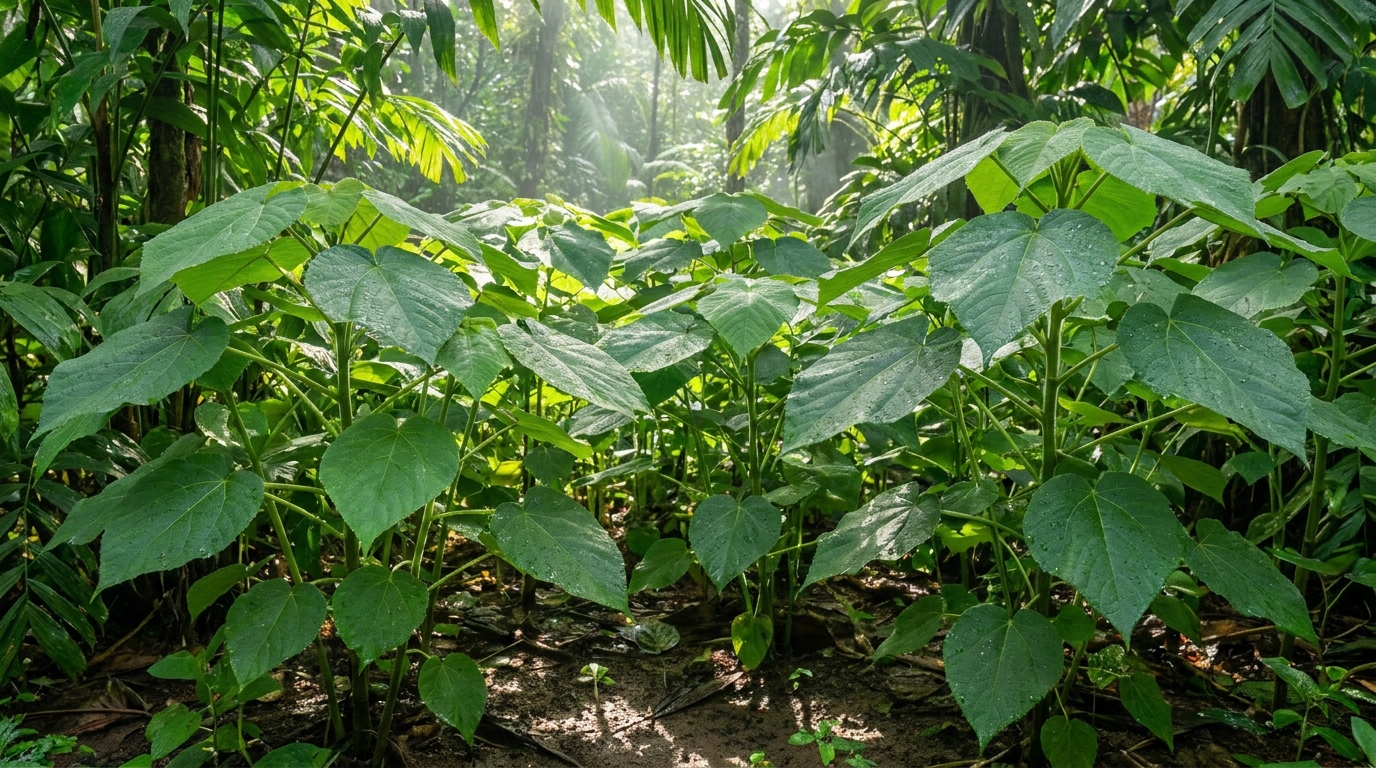
The highest-grade linen fiber in global commerce originates from the “flax belt” running through Northern France, Belgium, and the Netherlands — a geographic region characterized by a temperate climate, specific soil mineral composition, and centuries of accumulated agricultural expertise. Flax grown in this region, particularly Belgian and French “line flax,” produces longer, finer bast fibers with more uniform cell wall thickness than flax grown in Eastern European, Chinese, or Egyptian contexts. The CELC Masters of Linen certification program specifically designates this origin region as the benchmark for premium European linen, with fiber length and fineness as primary differentiation metrics.
Eastern European flax production — primarily from Belarus, Russia, and Ukraine — represents a large volume segment of global supply but typically produces shorter staple fibers with greater variability in fineness. Chinese flax production, while growing in scale and improving in quality standards, still generally produces fabrics positioned in the mid-to-lower quality tiers of the global linen market, though this is changing as Chinese producers adopt European retting technologies.
-
Retting Methods and Their Impact on Fiber Quality
Retting — the microbial or chemical process that separates bast fibers from the woody stem core — is the single most consequential processing variable in linen fiber quality. Three primary retting methods are commercially practiced:
Water (Dew) Retting — The harvested flax is spread on fields and exposed to morning dew and rainfall, allowing natural microbial action to degrade the pectin binding fibers to the stem. Dew retting produces softer, more uniform fiber bundles with better fineness consistency and is the dominant method in the Western European premium linen belt. The process takes 4–6 weeks and is weather-dependent, which limits industrial scalability but preserves fiber integrity.
Dam (Pool) Retting — Flax stems are submerged in standing or slow-moving water for 8–14 days. This method produces fibers with slightly darker color and less consistent quality than dew retting but is significantly faster. It has largely been replaced by dew retting in premium production contexts.
Chemical (Tank) Retting — Alkaline chemical solutions accelerate pectin dissolution in industrial tanks over 24–72 hours. While efficient for high-volume production, chemical retting damages fiber cell walls, reduces tensile strength, and produces shorter effective fiber lengths — resulting in fabrics with inferior hand feel, lower tensile performance, and reduced durability compared to naturally retted equivalents.
When evaluating linen fabric at the sourcing or procurement stage, the fiber extraction method should be confirmed with suppliers. Premium linen should specify dew-retted long-line flax; any fabric described simply as “flax fiber” without retting method disclosure warrants closer scrutiny of mechanical performance specifications.
Stage 2: Yarn Quality Metrics — Linear Density, Twist, and Spinning System
Once flax fibers are extracted and processed, yarn quality becomes the next critical evaluation dimension. Linen yarn quality is governed by three primary technical parameters: linear density (fineness), twist level, and the spinning system employed.
-
Linear Density and the Tex System
Linen yarn fineness is expressed in the tex system (ISO 2060:1994), where tex represents the weight in grams of 1,000 meters of yarn. Lower tex values indicate finer yarns; higher values indicate coarser construction. For reference:
- Fine linen shirting yarn: 12–20 tex
- Mid-weight apparel and bedding yarn: 25–50 tex
- Upholstery and heavy textile yarn: 60–120 tex
An alternative legacy system — the wet linen count (NeL) — expresses yarn fineness as the number of 300-meter hanks per pound of fiber, with higher numbers indicating finer yarn. The conversion relationship is: tex = 1,654 / NeL. Premium apparel and bedding linens typically specify yarns in the 30–60 NeL range (approximately 27–55 tex), while fine handkerchief linens may reach 120–200 NeL.
-
Wet vs. Dry Spinning
Linen is the only major natural textile fiber spun using two fundamentally different spinning systems that produce meaningfully different yarn characteristics:
Wet spinning passes fiber through a heated water bath during drafting, which softens the pectin bonds between individual fibers and allows finer, more compact yarn formation. Wet-spun linen yarns are smoother, finer, stronger, and produce fabrics with a more refined, lustrous surface — the defining characteristic of high-quality linen shirting and luxury bedding.
Dry spinning processes fiber without water treatment and produces coarser, hairier yarn with a more rustic character. Dry-spun linen fabrics have a pronounced slubby texture and matte surface that is valued in certain interior textile and fashion contexts but indicates a lower price-to-performance positioning compared to wet-spun alternatives.
Confirming the spinning system with suppliers is a straightforward but often overlooked quality verification step that immediately establishes the yarn’s performance ceiling.
Stage 3: Fabric Construction Standards — Thread Count, Weave Structure, and Weight
At the fabric construction stage, three measurable parameters govern the physical properties that end-users experience directly: thread count (warp and weft density), weave structure, and fabric weight (grams per square meter).
| Lightweight shirting linen | 100–140 gsm | 60–80 threads/cm² | Plain weave | Summer apparel, shirts |
| Mid-weight apparel linen | 145–200 gsm | 50–70 threads/cm² | Plain / twill | Trousers, dresses, jackets |
| Bedding linen (percale-type) | 155–185 gsm | 80–120 threads/cm² | Plain weave | Bed sheets, pillowcases |
| Upholstery linen | 300–600 gsm | 40–80 threads/cm² | Canvas/twill | Furniture, cushion covers |
| Table linen (damask) | 200–280 gsm | 100–140 threads/cm² | Jacquard damask | Tablecloths, napkins |
| Industrial/technical linen | 400–800 gsm | 30–60 threads/cm² | Hopsack/canvas | Bags, reinforcement |
Critical note on thread count in linen: Unlike cotton bedding, where thread count has become a dominant (if frequently misleading) marketing metric, linen thread count operates on a different scale due to the fiber’s inherently larger diameter. A 70–90 thread/cm² linen bedding fabric is considered high-quality, and artificially inflated thread counts achieved through multi-ply yarns — a common marketing practice in the cotton bedding sector — are less prevalent but beginning to appear in commodity linen sourcing. Always request independent verification of thread count against ISO 7211-2 (determination of number of threads per unit length) when thread count is used as a procurement specification.
Stage 4: Mechanical and Physical Performance Testing Standards
Objective quality evaluation of linen fabric requires laboratory-based mechanical testing against recognized international standards. The following tests represent the primary battery for commercial procurement qualification:
Tensile Strength and Tear Resistance
Linen’s tensile strength is one of its primary performance differentiators from cotton and synthetic alternatives. Flax fibers exhibit a tensile modulus of 27.6 GPa (compared to cotton’s 5.5–12.6 GPa), giving linen fabrics exceptional resistance to elongation under load — the property that makes linen so durable in high-use applications like table linens, upholstery, and workwear. Standard test methods include:
- ISO 13934-1 — Tensile properties of fabrics (strip method)
- ISO 13937-2 — Tear properties of fabrics (trouser tear method)
- ASTM D5034 — Breaking strength and elongation (grab test method)
For premium apparel linen, minimum acceptable breaking strength is typically specified at ≥400 N (warp) and ≥300 N (weft) under ISO 13934-1 conditions. Upholstery linen specifications frequently require ≥800 N in the warp direction.
Colorfastness Testing
Linen’s natural fiber structure makes it responsive to dyeing but also potentially susceptible to color loss under washing, rubbing, and light exposure if dyeing processes are not correctly managed. Standard colorfastness test battery includes:
- ISO 105-C06 — Colorfastness to domestic and commercial laundering
- ISO 105-X12 — Colorfastness to rubbing (Crockmeter test)
- ISO 105-B02 — Colorfastness to artificial light (Xenon arc lamp)
Premium linen fabrics should achieve minimum Grade 4 colorfastness (on a 1–5 scale) across all three test categories for apparel and bedding applications, and Grade 4–5 for upholstery where rubbing resistance is critical.
Stage 5: Certification Standards and Sustainability Verification
In contemporary linen procurement, quality evaluation extends beyond mechanical performance to encompass chemical safety, environmental credentials, and supply chain transparency — dimensions increasingly mandated by retail buyers and consumer advocacy groups.
| OEKO-TEX Standard 100 | Chemical safety | Absence of 100+ harmful substances | OEKO-TEX Association |
| Masters of Linen | Origin + traceability | Western European flax origin, EU processing | CELC |
| GOTS (Global Organic Textile Standard) | Organic + social | Organic fiber, fair labor, chemical limits | GOTS |
| EU Ecolabel | Environmental | Reduced environmental impact across lifecycle | European Commission |
| Bluesign | Chemical process | Safe chemical use in textile dyeing/finishing | Bluesign Technologies |
| Fair Trade Certified | Social | Fair wages, safe conditions in supply chain | Fair Trade International |
OEKO-TEX Standard 100 is the minimum credible certification threshold for premium linen in the current market — its absence from a supplier’s documentation should prompt additional chemical safety due diligence. Masters of Linen certification provides the most specific quality assurance for fiber origin, covering the full chain from flax field to finished fabric with documented Western European provenance.
Tactile and Visual Quality Indicators: What Expert Hands and Eyes Look For
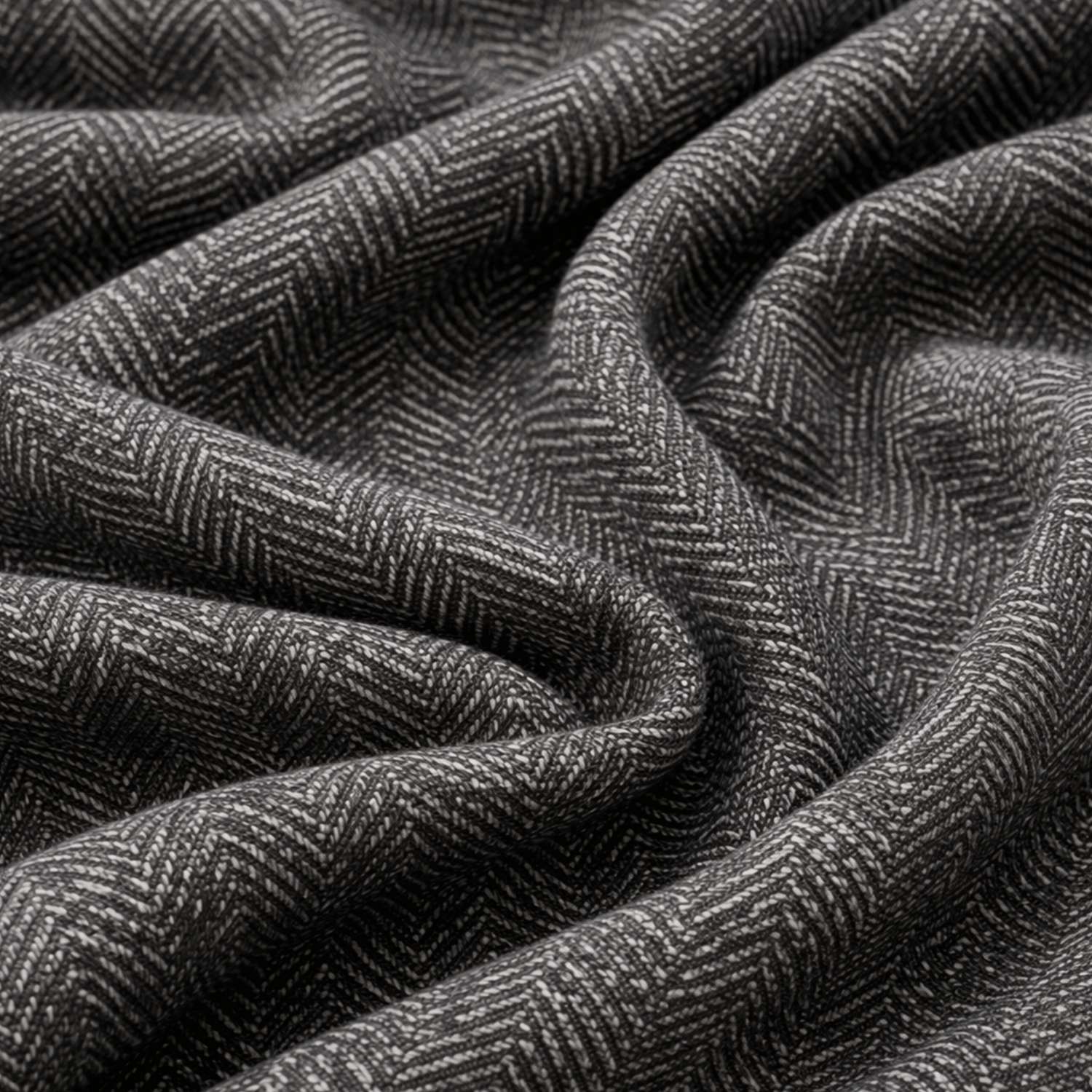
Beyond laboratory testing, experienced textile professionals apply a set of tactile and visual evaluation criteria that provide rapid, practical quality indicators in showroom, trade fair, and wholesale sourcing contexts:
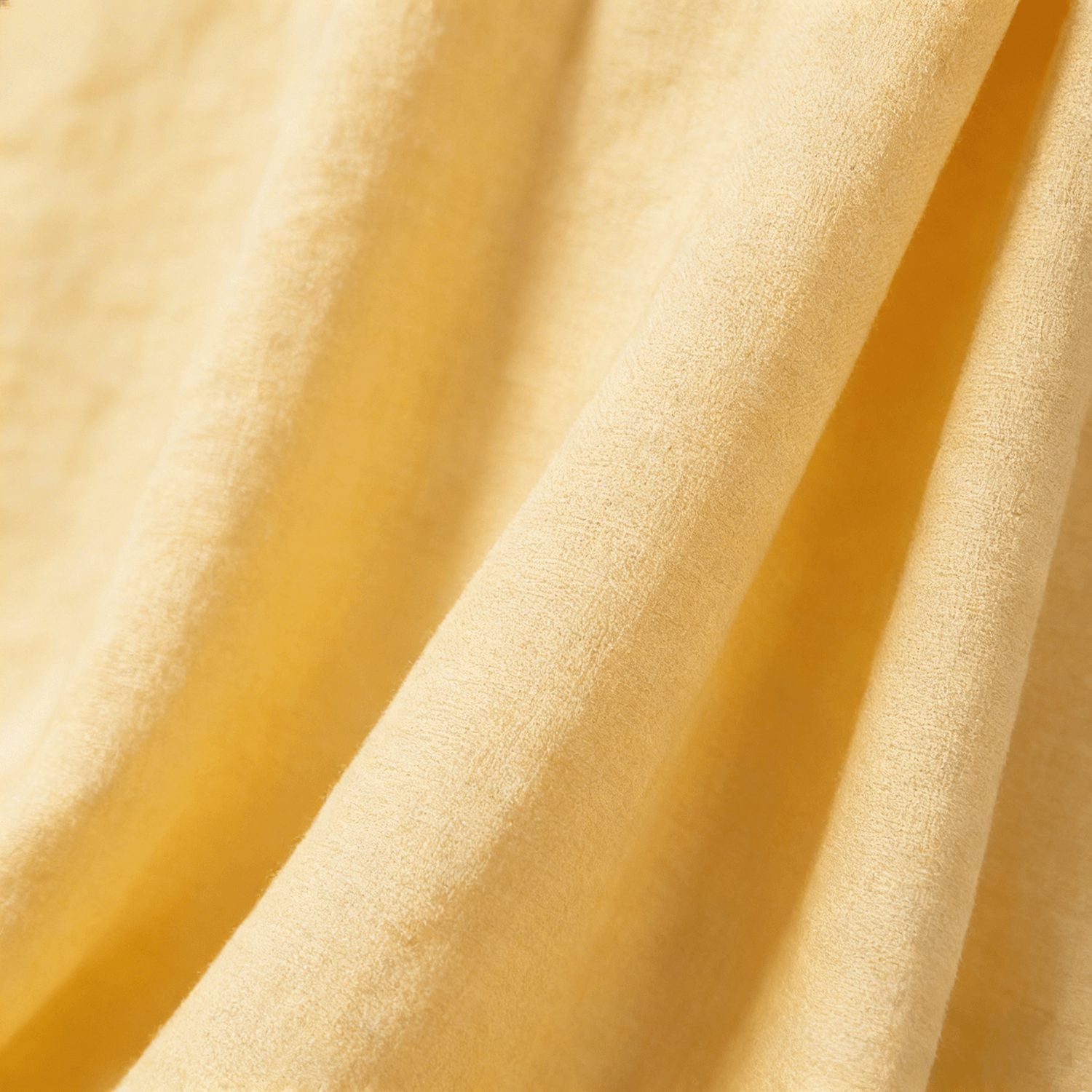
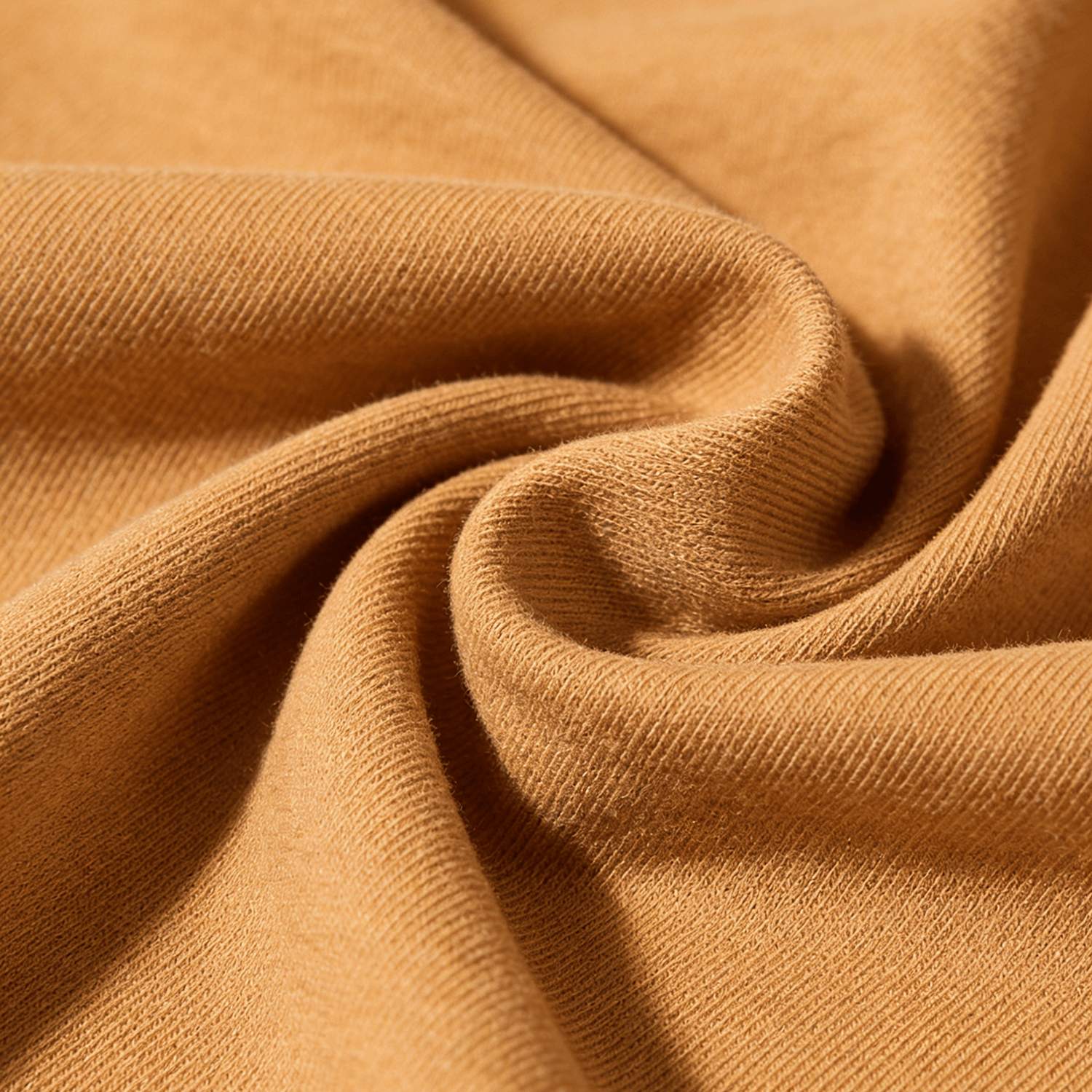
- Surface texture: Premium wet-spun linen has a smooth, slightly lustrous surface with characteristic natural slubs (thicker fiber sections) that are evenly distributed and not excessive. Excessive slubbing or irregular thick sections indicate inconsistent yarn quality or fiber blending issues.
- Hand feel: High-quality linen has a cool, firm, slightly crisp hand feel when new, with characteristic natural warmth developing as the fabric softens through use and washing. A limp, overly soft hand in new linen may indicate excessive chemical softening treatment masking inferior fiber quality.
- Light transmission test: Hold the fabric up to natural light. Even, consistent light transmission with a regular grid pattern indicates uniform weave density. Irregular dark patches or uneven light areas indicate inconsistent thread packing or weave defects.
- Burn test: Genuine linen burns cleanly with a yellow flame, smells of burning paper or grass, and leaves a fine gray-white ash. No melting or balling — the presence of synthetic fiber blending is immediately revealed by the characteristic plastic melting and black bead residue of polyester or nylon components.
- Wet strength test: Linen is one of very few natural fibers that becomes stronger when wet (approximately 20% stronger than dry). Dampening a small section and applying tension should reveal no structural weakness or immediate tearing — a response that immediately distinguishes genuine linen from cotton or synthetic imitations.
FAQ: Linen Fabric Quality — Common Questions Answered
Q1: How can you tell if linen fabric is high quality just by touch?
High-quality linen feels cool, firm, and slightly textured with a natural crispness — not limp or artificially silky. If a linen fabric feels excessively soft and uniform directly from the shelf, it has likely been treated with chemical softeners that may mask inferior fiber quality underneath.
Q2: What is the difference between Belgian linen and regular linen?
Belgian linen refers specifically to flax grown and processed in Belgium’s traditional flax belt, where specific soil and climate conditions produce exceptionally fine, long bast fibers with superior tensile strength and fineness. It carries CELC Masters of Linen certification as an origin guarantee and commands a significant quality and price premium over commodity linen from other growing regions.
Q3: Is a higher thread count always better in linen fabric?
No — unlike cotton, linen thread count operates on a different scale due to the fiber’s inherent diameter. A well-constructed 70–90 thread/cm² linen is considered premium quality, and artificially inflating thread count using multi-ply yarns creates a misleading metric without genuine quality improvement. Fabric weight (gsm), yarn fineness (tex), and spinning system are more reliable quality indicators for linen.
Q4: What certifications should I look for when buying quality linen?
At minimum, look for OEKO-TEX Standard 100 certification confirming the absence of harmful chemicals. For premium linen with verified European origin, Masters of Linen (CELC) certification provides the strongest provenance guarantee. GOTS certification is relevant for organic linen, while EU Ecolabel indicates a verified low environmental impact manufacturing process.
Q5: Does linen get softer over time, and does this affect quality?
Yes — genuine linen naturally softens through repeated use and washing as the fiber’s surface pectin breaks down, while retaining its structural integrity and tensile strength. This softening is a mark of quality, not degradation. Linen that starts soft (through chemical treatment) and becomes limp or pills rapidly is demonstrating the opposite trajectory — the hallmark of inferior fiber or excessive finishing chemistry.
Q6: How do you test if linen fabric is genuine or a synthetic blend?
The most reliable field test is the burn test: genuine linen burns cleanly with a paper-like smell and leaves fine gray ash with no melting, balling, or acrid plastic odor. A damp-strength test (genuine linen is stronger wet than dry) also distinguishes it from synthetic blends. For formal verification, ISO fiber identification tests (ISO 1833 series) provide definitive quantitative blend analysis.
Conclusion: Quality in Linen Is a Chain, Not a Specification
The quality of linen fabric cannot be reduced to a single number, certification stamp or tactile impression — it requires a systematic assessment of the entire production chain, from fibre origin to finished fabric. The frameworks provided in this article — covering fibre retting method, yarn spinning system, construction metrics, mechanical performance standards and certification credentials — collectively constitute the professional-grade evaluation toolkit that distinguishes a premium linen investment from a commodity purchase.
The actionable priorities for sourcing professionals are clear: they should require documented fibre origin and retting method from suppliers, specify yarn fineness in tex and spinning system (wet vs. dry), verify mechanical performance against ISO 13934-1 and ISO 13937-2 minimums, and insist on at least OEKO-TEX Standard 100 certification for chemical safety. Informed consumers should prioritise certified European origin, verify burn test results and understand that the characteristic firmness and subtle texture of genuine, quality linen are features, not flaws. These are properties that soften and improve naturally over time, something that no synthetic alternative can authentically replicate.