Is 100 rayon fabric good or bad for daily wear? Many buyers struggle with this question.
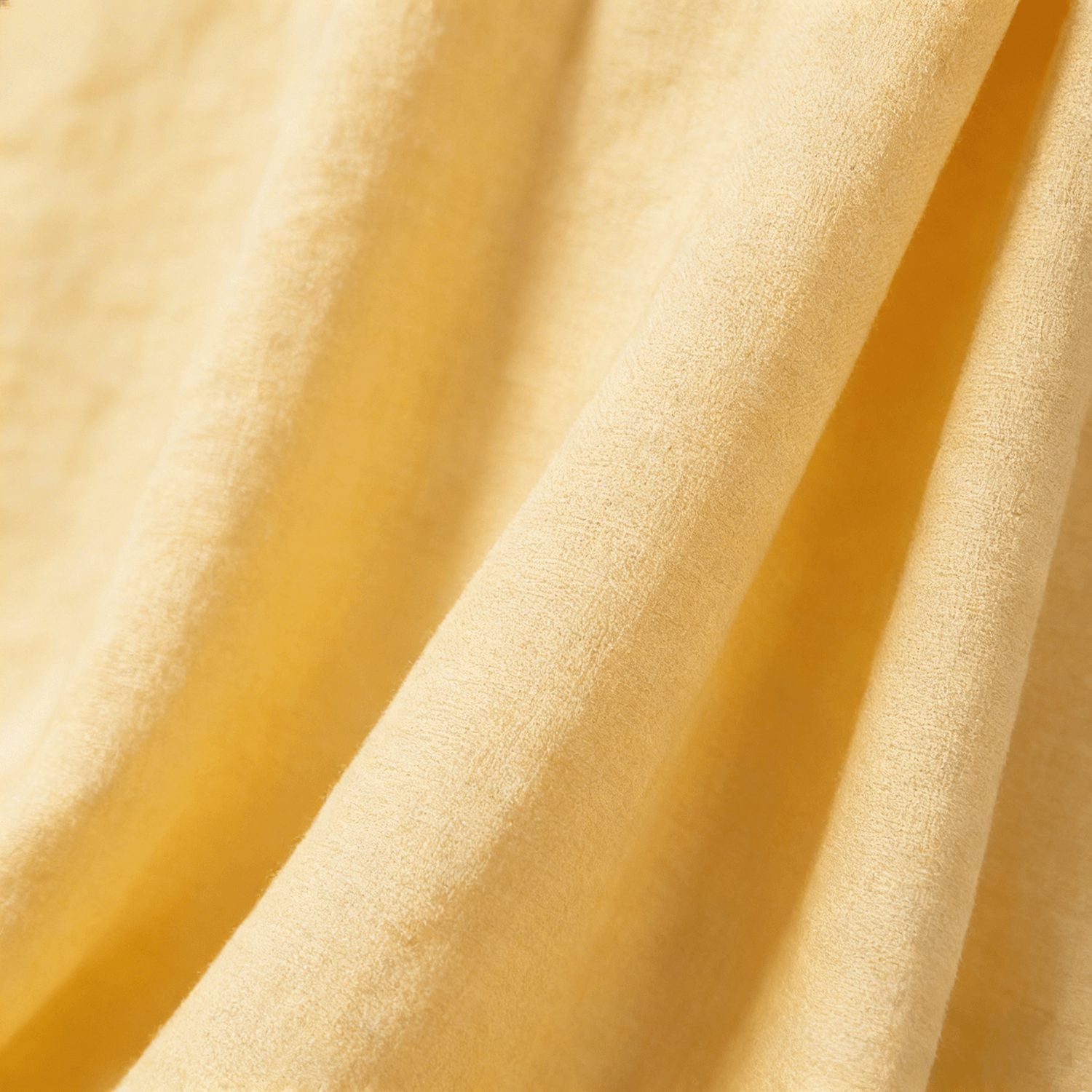
Rayon is a popular semi-synthetic material. It offers a versatile, silk-like feel for fashion.
In this post, you will learn its pros and cons. We will explore its care and practical uses.
What Exactly is 100% Rayon Fabric?
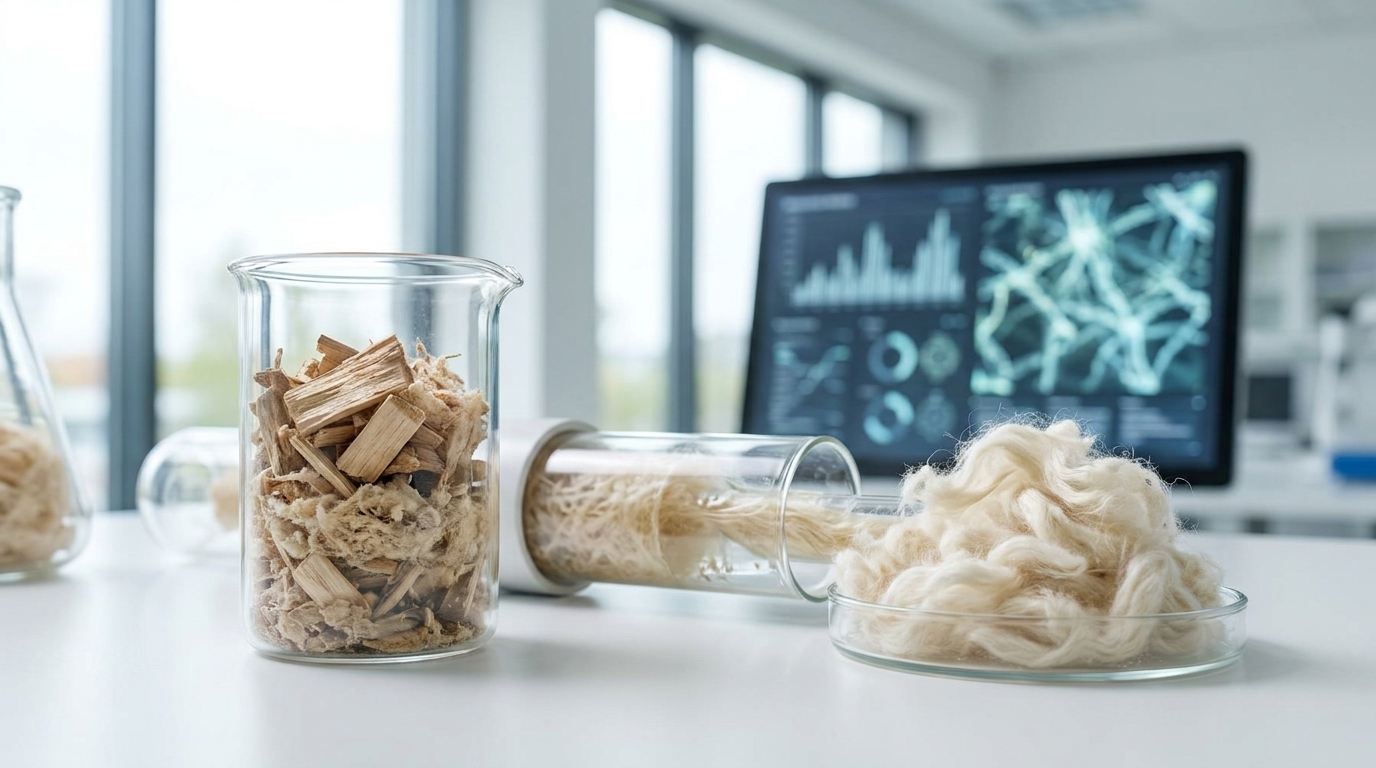
You already know it offers a versatile, silk-like feel. But what makes up this popular material? To decide if 100 rayon fabric is good or bad for your wardrobe, you must first understand how it is made.
The Science Behind Regenerated Cellulose
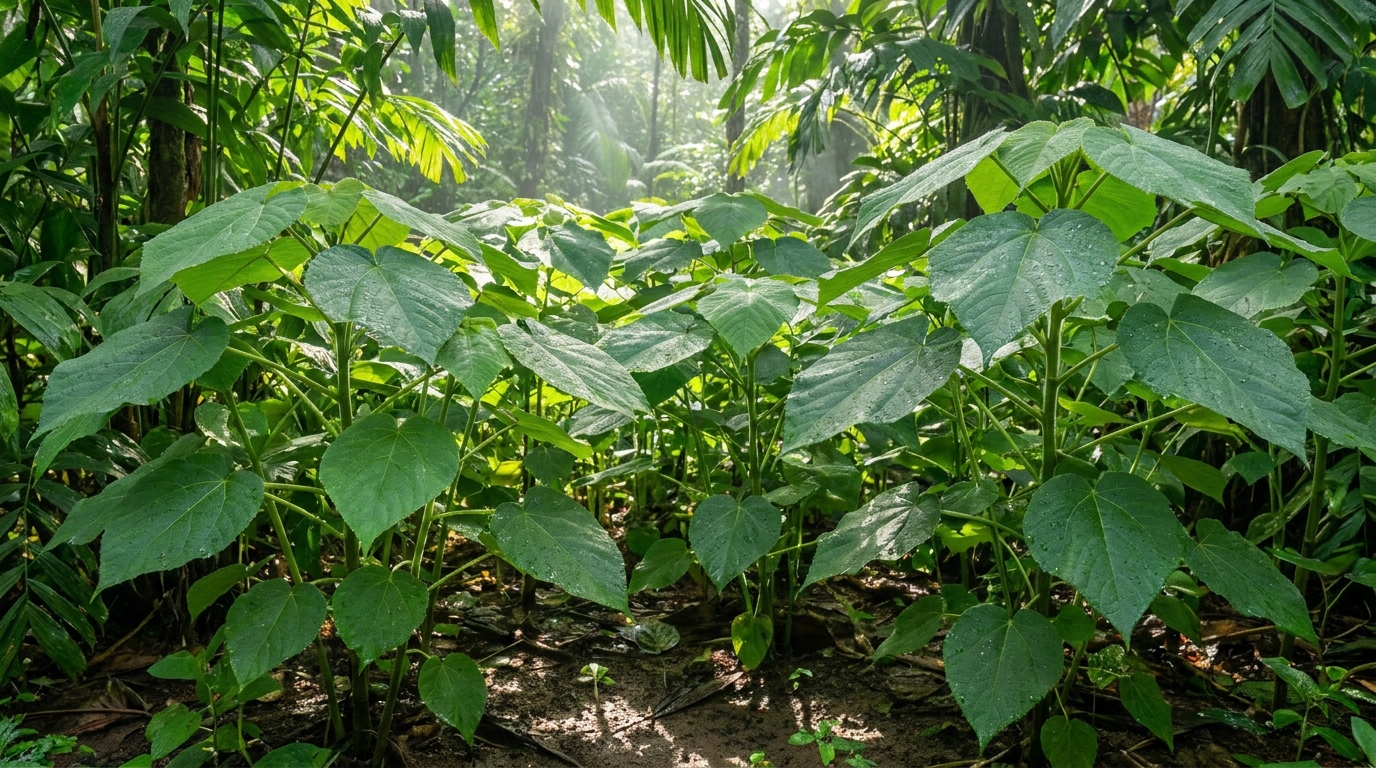
Rayon is not entirely natural. It is also not fully synthetic. It falls into a unique category called semi-synthetic fiber. Manufacturers start with natural cellulose. They harvest this raw material from wood pulp. Common sources include beech, pine, spruce, and bamboo.
Next, they treat this wood pulp with specific chemicals. This process breaks down the plant matter into a thick liquid. They spin this liquid into fine, soft fibers. Because it starts from nature but requires chemical processing, the industry calls it regenerated cellulose.
From Artificial Silk to Modern Textiles
In its early days, people called rayon “artificial silk.” It offered a cheap alternative to real silk. However, early versions were weak. They shrank and tore easily in the wash. Textile technology has improved a lot since then.
Today, modern rayon is a high-quality fabric. Global apparel brands rely on it daily. Sainty specializes in a comprehensive range of Regenerated Cellulose fabrics, alongside our flagship TR Fabric. As a leading 100 rayon fabric supplier, we back our manufacturing with GRS, OEKO-TEX, and BSCI certifications. This guarantees both ethical and sustainable production for modern fashion needs.
Variations of Regenerated Cellulose Fabrics
When you look for wholesale rayon fabric, you will see several different names. They all belong to the rayon family. However, they behave differently based on their manufacturing process.
| Fabric Type | Generation | Key Characteristics |
|---|---|---|
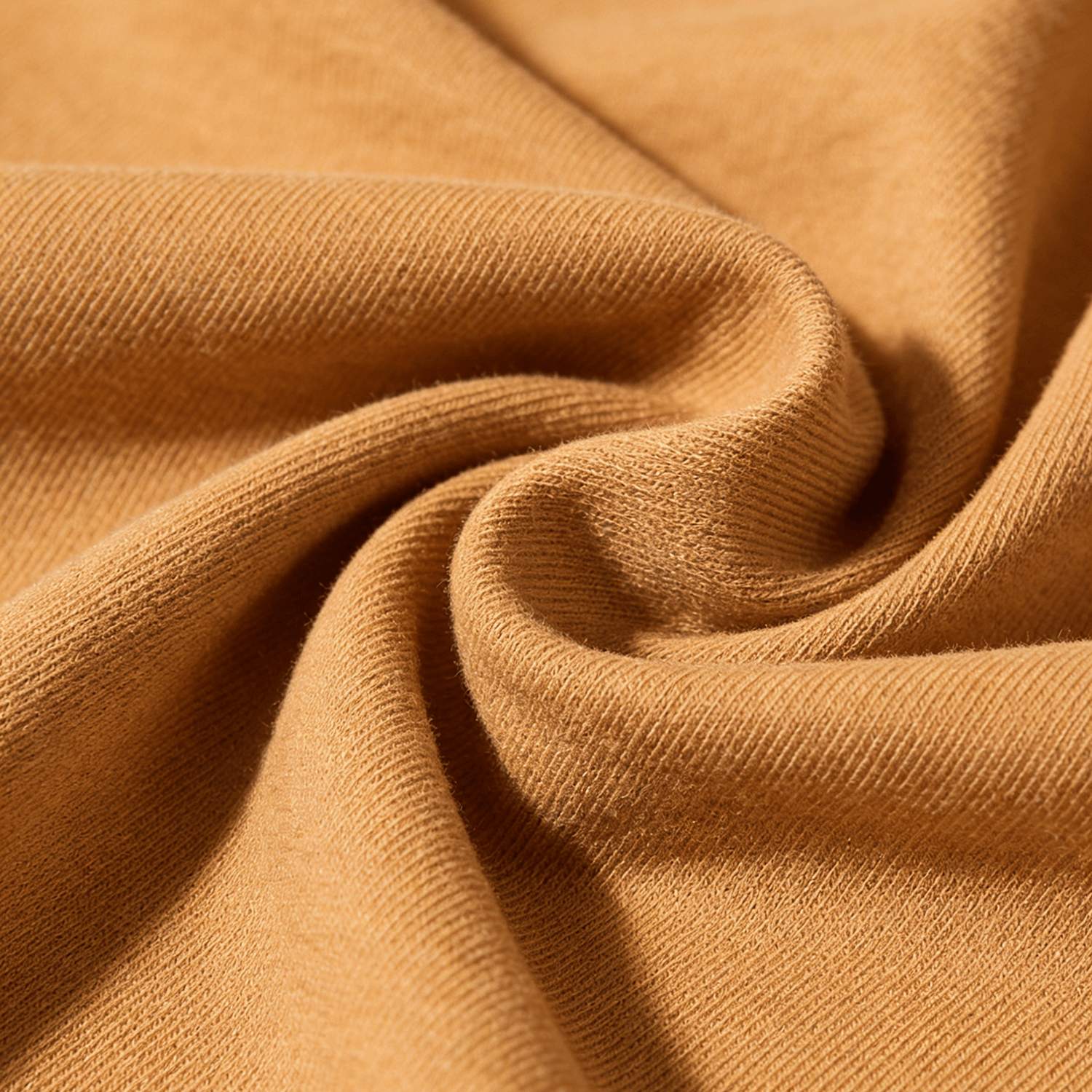
| Viscose | First Generation | The most common type. It has a beautiful, fluid drape. It is the least durable when wet. |
| Modal | Second Generation | High wet modulus (HWM) rayon. It is much stronger. It resists shrinking and stretching. |
| Tencel™ (Lyocell) | Third Generation | Uses a closed-loop solvent spinning process. It is highly eco-friendly and very strong. |
Viscose remains the standard choice for affordable, breathable summer wear. Modal steps up the durability, making it perfect for activewear and underwear. Tencel™ represents the pinnacle of modern rayon. It combines incredible softness with strict environmental standards.
The Pros: Why 100 Rayon Fabric is Good for Clothing
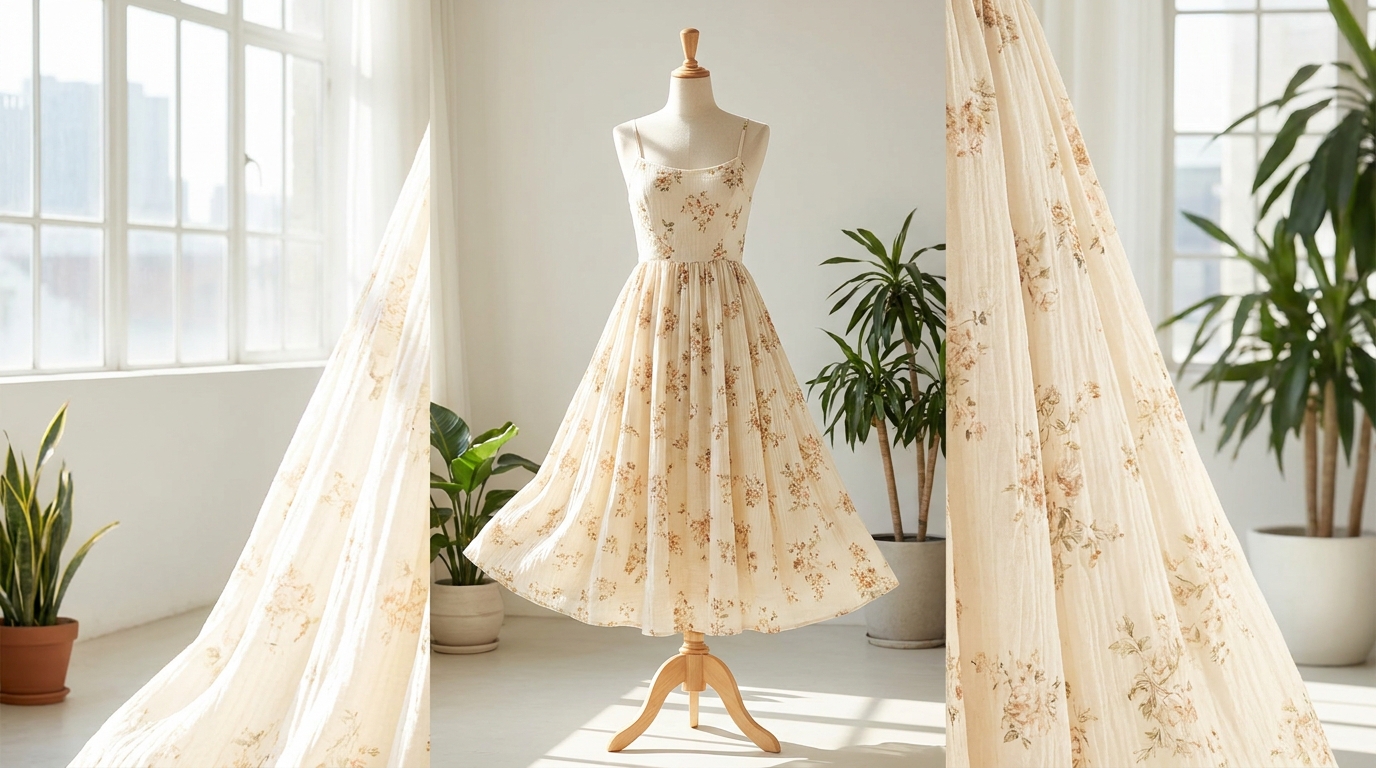
As we covered earlier, modern regenerated cellulose comes in several forms. But you might still wonder if 100 rayon fabric is good or bad for your everyday wardrobe. Let us look at the positive side first. The fashion industry relies heavily on this semi-synthetic fiber for some very clear reasons.
Exceptional Breathability for Warm Climates
Rayon truly excels in hot weather. It does not trap body heat like polyester does. The fine fibers allow air to pass through easily. This makes it a top choice for summer dresses and lightweight shirts. If you live in a hot climate, you will appreciate this natural cooling effect.
Superior Moisture Absorbency
Breathability alone is not enough for summer comfort. You also need good sweat management. Rayon absorbs up to 13% of its weight in water. For comparison, cotton only absorbs about 8.5%. This high moisture absorbency keeps your skin dry. It pulls sweat away from your body quickly. Activewear brands often partner with a reliable custom rayon fabric manufacturer to utilize these exact moisture-wicking properties.
Luxurious Drape and Silk-Like Softness
Early textile makers called it “artificial silk” for a good reason. Standard rayon typically weighs between 80 and 150 GSM. This lightweight nature gives it a beautiful, fluid drape. It falls elegantly over the body rather than clinging to it. It also feels incredibly soft against sensitive skin. You get the luxurious aesthetic of natural silk at a fraction of the cost.
Vibrant Colors and Excellent Dye Retention
Designers love how well rayon holds color. The cellulose fibers absorb dyes deeply and evenly. This results in rich, vibrant hues. They resist fading much better than many other affordable materials. Whether you want bold solid colors or intricate floral prints, rayon delivers striking visual results. When buyers tour a rayon textile factory, they immediately notice the vivid, saturated fabrics on display.
Comparing the Benefits
To better understand these advantages, see how rayon stacks up against other common everyday fabrics.
| Feature | 100% Rayon | 100% Cotton | 100% Polyester |
|---|---|---|---|
| Moisture Absorption | Excellent (Up to 13%) | Good (Around 8.5%) | Poor (Nearly 0%) |
| Drape & Flow | Highly fluid and silk-like | Stiff and structured | Varies, often clings |
| Breathability | Very High | High | Low |
| Dye Retention | Vibrant, deep colors | Fades over time | Holds color well |
The Cons: When 100 Rayon Fabric Can Be Bad (and How to Manage It)
We just saw how this material beats polyester in breathability and rivals silk in drape. But no textile is perfect. To fully answer if 100 rayon fabric is good or bad, we must examine its downsides. Understanding these flaws helps you avoid ruined garments and wasted money.
Fragility and Strength Loss When Wet
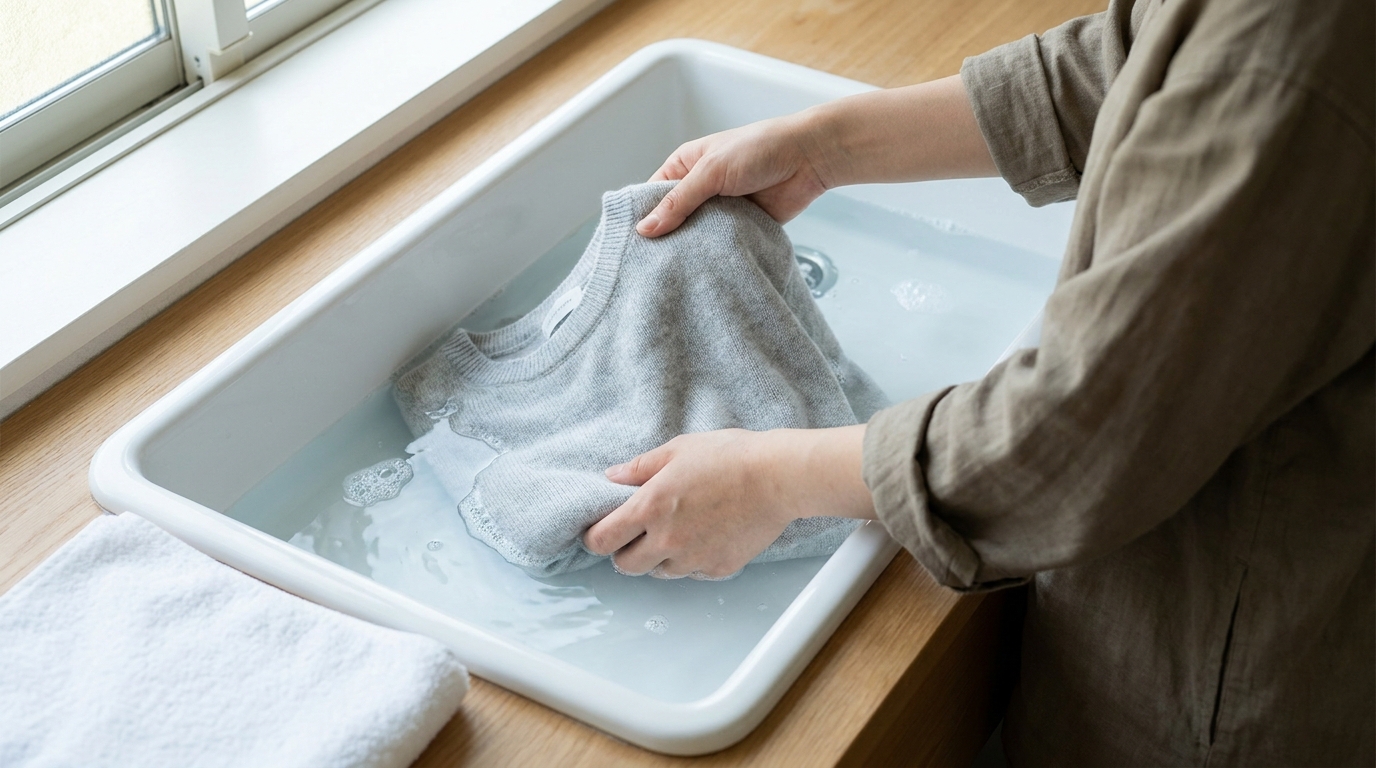
Rayon has a major structural weakness. It loses 30% to 50% of its tensile strength when wet. The fibers become highly susceptible to tearing or stretching during laundering. If you toss it into a heavy wash cycle, it might rip. You must handle it gently at all times. Always wash it in cold water on a delicate cycle. Better yet, hand wash it in a basin. Never wring or twist the wet fabric to remove excess water.
High Risk of Shrinking and Stretching
Heat and agitation easily destroy this semi-synthetic fiber. If washed in hot water or machine-dried, standard viscose can shrink by 5% to 10%. Conversely, it can also stretch completely out of shape. Water adds significant weight to the material. If you hang wet rayon on a hanger, gravity pulls it down. This causes permanent elongation. You should always lay your garments flat on a clean towel to dry.
Wrinkling and Heat Sensitivity
Highly breathable fabrics often crease easily. Rayon is certainly no exception. It wrinkles quickly during normal daily wear. You will need to iron or steam it regularly to maintain a crisp appearance. However, it has very low heat resistance. It begins to yellow at 300°F (150°C) and scorches easily. To fix wrinkles safely, set your iron to the “cool” or “silk” setting. Always press the reverse side of the fabric to prevent a shiny surface burn.
Environmental and Sourcing Concerns
We noted earlier that manufacturers use natural wood pulp. This origin sounds perfectly eco-friendly. However, irresponsible sourcing often leads to severe deforestation. Traditional processing also requires harsh chemicals like Carbon Disulfide. This creates toxic runoff if factories do not manage their waste properly.
This is exactly why your supply chain matters. When sourcing rayon fabric wholesale, you must verify the manufacturer’s credentials. At Sainty, we address these environmental issues directly. We produce our Regenerated Cellulose fabrics under strict GRS, OEKO-TEX, and BSCI certifications. We also offer advanced options like Tencel™ and Modal. These utilize closed-loop systems and sustainable forestry to ensure fully ethical production.
Quick Care Guide: Managing Rayon’s Weaknesses
You can easily overcome these negative traits with proper maintenance. Follow these simple rules to extend the life of your garments.
| Care Phase | Do This | Don’t Do This |
|---|---|---|
| Washing | Use cold water and a delicate cycle. Hand wash if possible. | Never use hot water. Avoid heavy agitation. Do not wring out water. |
| Drying | Lay the garment flat on a towel in its natural shape. | Never tumble dry. Do not hang wet items on a hanger. |
| Ironing | Use a low heat setting. Iron on the reverse side of the fabric. | Avoid high heat. Never iron directly on the front surface. |
100% Rayon vs. Other Common Textiles
We just looked at how to manage rayon’s fragility and wrinkling. Proper care certainly extends the life of your garments. However, you might still wonder if 100 rayon fabric is good or bad compared to other options on the market. To make the best choice, we need to see how it stacks up against familiar materials.
Rayon vs. Cotton
Both materials offer excellent comfort for daily wear. They both come from natural plant sources. However, they perform very differently under stress.
Cotton is incredibly durable. It actually gets stronger when wet. You can throw a cotton shirt into a hot wash without much worry. Rayon, as we covered earlier, loses up to half its strength in water. It requires gentle handling to survive wash day.
On the other hand, rayon wins in texture and moisture control. It absorbs up to 13% of its weight in water, easily beating cotton’s 8.5%. It also provides a fluid, silk-like drape. Cotton feels much stiffer and holds a rigid shape.
Rayon vs. Synthetic Textiles (Polyester and Nylon)
Polyester and nylon are fully synthetic fibers. They dominate the fast fashion industry today. These materials are incredibly strong and resist shrinking perfectly.
If you hate ironing, synthetics look great. They rarely wrinkle. But they fall short in comfort. Polyester traps body heat and sweat. It often creates annoying static cling. Rayon breathes easily and wicks moisture away from your skin. If you live in a hot climate, 100% rayon is much better for your comfort than pure polyester.
Rayon vs. TR Fabric: The Premium Blend
What if you want the best of both worlds? You might want the soft drape of rayon but need the durability of polyester. This is exactly why global apparel brands often choose TR Fabric instead of single-fiber textiles.
TR stands for Tetoron (polyester) and Rayon (viscose). It blends these two fibers together. As a leading supplier, Sainty specializes in our flagship TR Fabric. We engineer it to solve the exact problems buyers face when deciding if 100 rayon fabric is good or bad for their specific needs.
Our TR Fabric takes the breathable, luxurious feel of regenerated cellulose. We then reinforce it with strong synthetic fibers. The result is a highly durable material. It resists wrinkles, holds its shape, and survives regular washing. Plus, we back our manufacturing with strict GRS, OEKO-TEX, and BSCI certifications. You get a premium, ethical textile that outperforms standard fabrics.
Textile Comparison Summary
Here is a quick breakdown of how these everyday fabrics compare against each other.
| Fabric | Breathability | Durability (Wet) | Wrinkle Resistance | Best For |
|---|---|---|---|---|
| 100% Rayon | Very High | Low | Low | Summer dresses, flowing blouses |
| 100% Cotton | High | High | Medium | T-shirts, structured shirts, denim |
| 100% Polyester | Low | Very High | High | Outerwear, cheap fashion |
| TR Fabric (Sainty) | High | High | High | Suits, trousers, premium everyday wear |
Is 100 Rayon Fabric Bad for the Environment?

We just saw how rayon compares to cotton, polyester, and premium blends like TR Fabric in daily use. But performance is only half the story. Today, many buyers want to know if 100 rayon fabric is good or bad for the planet. The answer depends entirely on how factories make it. Let us look at the environmental impact of this popular material.
The Truth About Traditional Rayon Manufacturing
As we covered earlier, rayon starts as natural wood pulp. This sounds incredibly eco-friendly at first glance. However, traditional production methods often tell a different story. To turn hard wood into soft fiber, factories use heavy chemicals. The process requires carbon disulfide, sodium hydroxide, and sulfuric acid.
Historically, this caused major pollution. Older factories did not capture these toxic chemicals during production. They released chemical runoff directly into local waterways. Furthermore, irresponsible sourcing led to severe deforestation. Manufacturers cut down ancient forests just to make cheap clothing. If you look purely at these older methods, you might conclude the fabric is terrible for the environment.
The Shift Toward Sustainable Fashion
Fortunately, the textile industry has evolved significantly. Modern regenerated cellulose production is changing the landscape completely. Today, responsible manufacturers source their wood pulp from sustainably managed forests. They look for FSC (Forest Stewardship Council) certification to prevent deforestation and protect global biodiversity.
The manufacturing process itself is also much cleaner now. Third-generation rayon, like Tencel™ (Lyocell), uses an advanced closed-loop solvent spinning process. This system captures and reuses over 99% of the water and solvents. It stops toxic chemicals from entering the environment. Cleanly processed rayon also biodegrades naturally in soil within 6 to 8 weeks. This modern approach proves semi-synthetic fibers can be highly sustainable.
Why Strict Industry Standards Matter
You cannot tell how eco-friendly a garment is just by touching it. This is why strict industry standards exist. To guarantee ethical and safe production, premium fabrics must carry recognized third-party certifications.
At Sainty, we take these environmental responsibilities seriously. We back our comprehensive range of Regenerated Cellulose and TR Fabrics with global certifications. We manufacture everything under strict GRS, OEKO-TEX, and BSCI standards. These credentials ensure our textiles protect both workers and the planet.
Here is what these vital certifications actually mean for your clothing choices:
| Certification | Focus Area | What It Guarantees |
|---|---|---|
| OEKO-TEX Standard 100 | Chemical Safety | The fabric contains no harmful substances. It is completely safe for human skin. |
| GRS (Global Recycled Standard) | Environmental Impact | Tracks recycled content and verifies responsible social and environmental practices. |
| BSCI | Ethical Labor | Ensures fair, safe, and ethical working conditions inside the manufacturing facility. |
| FSC | Sustainable Sourcing | The wood pulp comes from responsibly managed forests, preventing illegal deforestation. |
How to Choose a Reliable 100 Rayon Fabric Supplier
We just explored how certifications like OEKO-TEX and GRS separate eco-friendly textiles from harmful ones. Knowing these standards helps you decide if 100 rayon fabric is good or bad for your specific brand values. Now, you need to find a partner who actually meets these strict requirements. Choosing the right 100 rayon fabric supplier makes all the difference in your final product quality.
Hallmarks of a Reputable Partner
A trustworthy supplier operates clearly and openly. They hide nothing about their production methods. They proudly display their certifications upfront. You should also look for a diverse product range. A vast catalog proves deep industry expertise. For example, Sainty supplies a comprehensive range of Regenerated Cellulose textiles. We offer Tencel™, Modal, and standard viscose alongside our flagship TR Fabric. This variety ensures you always find the exact material you need.
The Value of Custom Manufacturing
Global apparel brands rarely buy basic, off-the-shelf materials. They require specific weights for summer dresses. They need unique weaves for durable activewear. An experienced custom rayon fabric manufacturer delivers these exact specifications perfectly. They can also apply sustainable finishes. These special treatments improve durability and reduce the high shrinkage risk we discussed earlier. This customization ensures your garments perform beautifully in the real world.
What to Look for During Factory Audits
You should always inspect where your materials originate. Touring a rayon textile factory reveals the truth behind a company’s claims. Pay close attention to these three critical areas during your visit.
| Audit Area | What to Check | Why It Matters |
|---|---|---|
| Quality Control | Look for strict testing on shrinkage, strength, and colorfastness. | Ensures the fabric survives normal washing and daily wear. |
| Ethical Labor | Verify safe working conditions and fair wages. Look for BSCI certification. | Protects human rights and shields your brand from labor scandals. |
| Sustainable Output | Check for closed-loop systems recycling water and harsh chemicals. | Prevents toxic runoff and protects local ecosystems. |
Benefits of Sourcing Wholesale
Buying wholesale rayon fabric offers massive business advantages. It significantly reduces your overall material costs. You also guarantee consistent quality across large production runs. Buying in bulk allows you to scale your operations easily. When your clothing line becomes popular, a reliable partner increases production immediately. They keep your supply chain moving without missing a single beat.
Navigating the Wholesale Market Safely
The rayon fabric wholesale market is massive and sometimes confusing. Unfortunately, it contains many inferior knock-offs. Some dishonest sellers pass off cheap synthetic blends as pure regenerated cellulose. You must protect your investment carefully. Always request physical fabric swatches before placing any bulk orders.
Once you receive the samples, test them thoroughly. You can perform a simple burn test in a safe environment. Genuine rayon burns quickly, smells like burning paper, and leaves fine gray ash. Fake synthetic blends will simply melt into hard plastic beads. Taking these small precautions ensures you receive premium materials every single time.
Conclusion
Ultimately, 100% rayon is an excellent fabric. The material truly shines when sourced ethically and washed carefully. This soft textile is absolutely perfect for flowing summer dresses and everyday wear. Global brands must prioritize premium, certified regenerated cellulose fabrics. Partner with trusted manufacturers like Sainty to guarantee sustainable, high-quality production.
- Audit current suppliers to verify their ethical manufacturing practices.
- Request OEKO-TEX certified fabric samples from our team today.
- Launch your new breathable summer clothing collection with total confidence.
Frequently Asked Questions About 100% Rayon Fabric
Why does 100% rayon shrink after washing?
Rayon fibers are highly sensitive to heat and heavy agitation. They lose much strength when wet. Hot water causes the fabric to shrink quickly. Machine drying can shrink your clothes by up to ten percent. You should always wash this fabric in cold water. Use a gentle cycle or hand wash it carefully. Never wring or twist wet rayon garments. Lay them flat to dry instead of hanging them up. Hanging wet clothes can stretch the heavy fabric permanently.
Is 100% rayon breathable for hot summer weather?
Yes, this fabric is excellent for hot and humid climates. It is highly breathable and cools your skin quickly. Rayon absorbs up to thirteen percent of its weight in moisture. This makes it much more absorbent than regular cotton. The fabric wicks sweat away from your body effectively. It features a lightweight feel and a beautiful fluid drape. You will stay dry and comfortable during warm summer days. It is a great choice for lightweight dresses and summer shirts.
Is rayon fabric truly eco-friendly and sustainable?
Rayon comes from natural wood pulp like beech or bamboo. Standard production often uses harsh chemicals that harm the environment. However, sustainable options exist through responsible manufacturing practices. Sainty supplies premium regenerated cellulose fabrics like Tencel and Modal. Our textiles feature GRS, OEKO-TEX, and BSCI certifications. These globally trusted certifications ensure ethical and sustainable production methods. Choosing certified fabrics helps reduce harmful chemical runoff. You can enjoy beautiful textiles while protecting our natural ecosystems.
Does 100% rayon wrinkle easily during daily wear?
Standard rayon fabric is quite prone to wrinkling during wear. It lacks the natural wrinkle resistance found in synthetic polyester. You will likely notice creases after sitting for long periods. You can manage wrinkles with a simple ironing technique. Always iron your garments on a low or silk setting. Press the fabric on the reverse side to avoid damage. Using a pressing cloth prevents unwanted shiny spots from forming. Proper care keeps your clothes looking smooth and elegant.
How does rayon compare to natural cotton fabric?
Rayon is much more absorbent and drapes better than cotton. It gives clothes a smooth texture that mimics real silk. However, cotton is significantly stronger and much easier to clean. Rayon loses structural integrity and tears easily when it gets wet. Cotton handles hot water and regular machine washing very well. Rayon requires delicate care and cold water to avoid shrinkage. Both materials are breathable and great for sensitive skin. Your choice depends on whether you prefer durability or fluid elegance.
Rayon offers a silk-like feel but requires careful maintenance. Choosing high-quality sources ensures better environmental safety. Follow these practical steps to protect your garments:
- Wash your rayon clothes gently in cold water.
- Lay garments flat to dry to prevent stretching.
- Iron inside out using a low heat setting.
- Buy OEKO-TEX certified fabrics from trusted suppliers like Sainty.