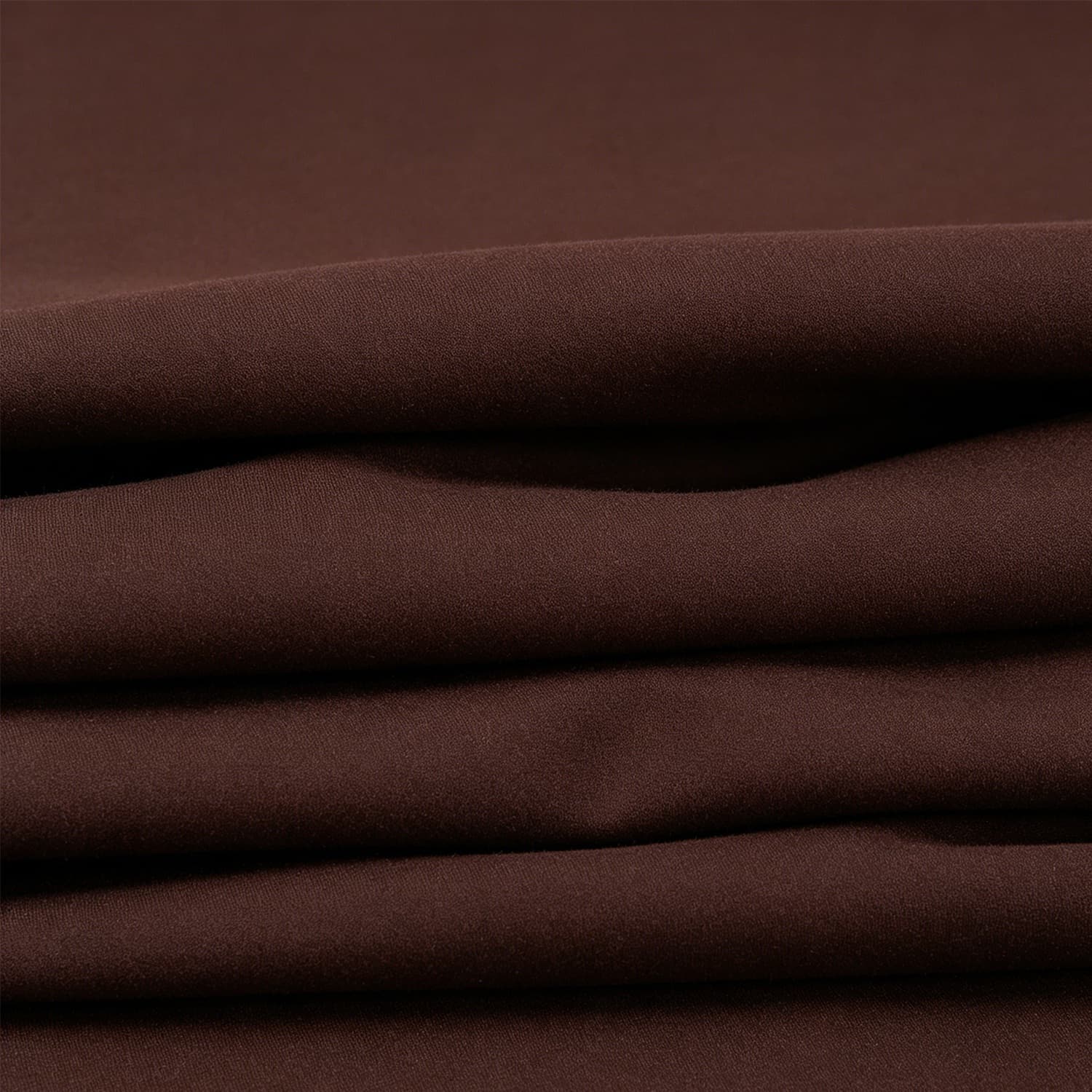
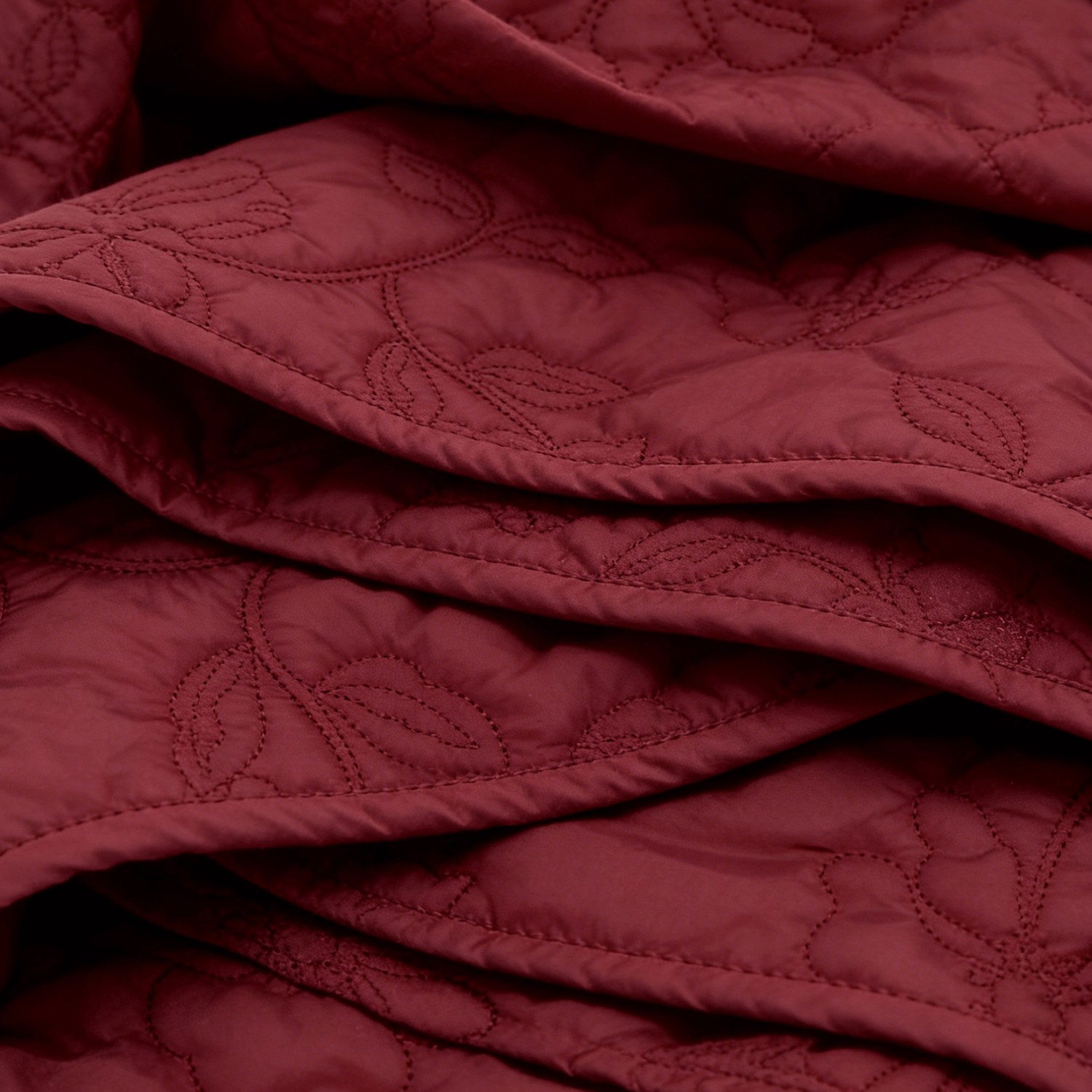
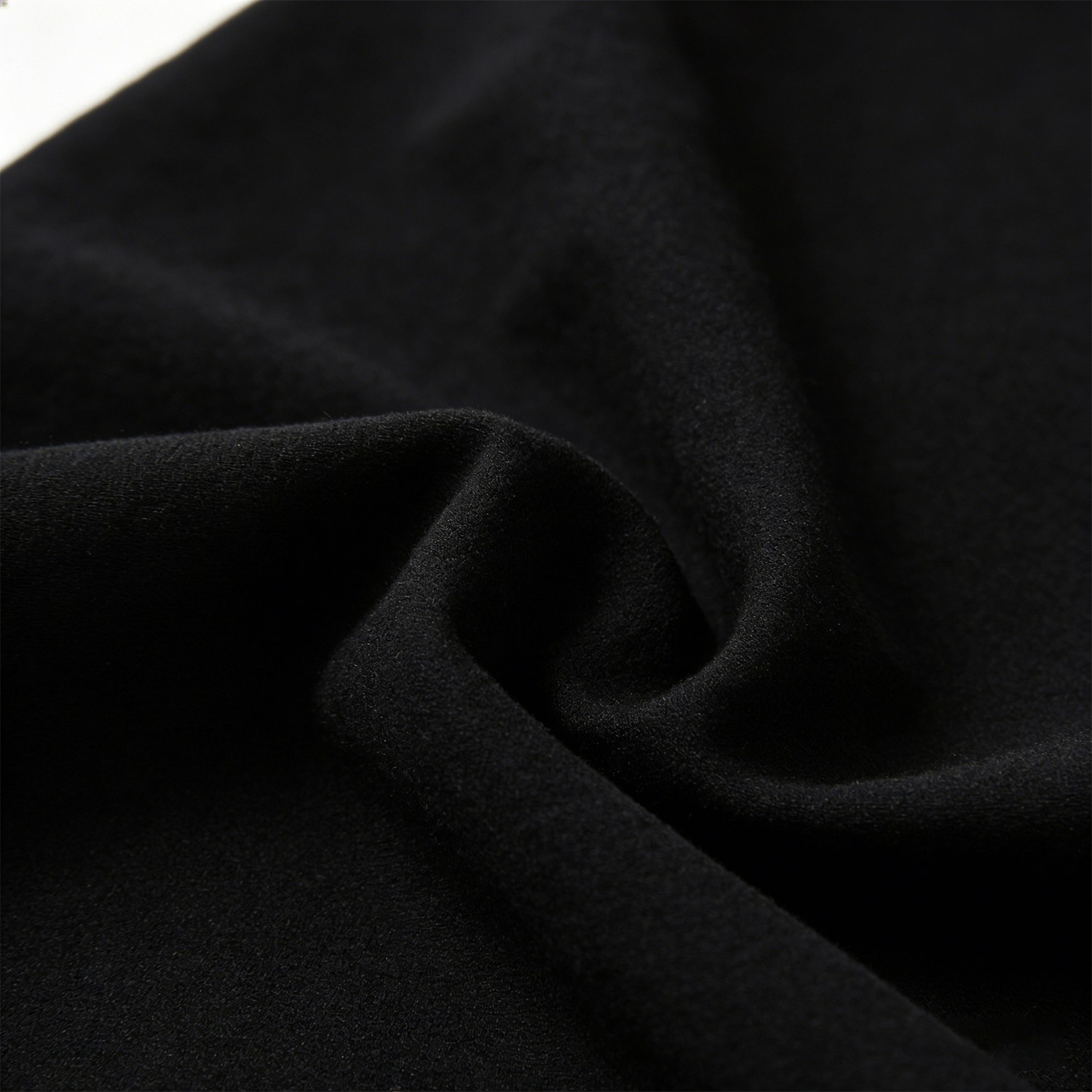
Natural fibre fabrics are available to buy by the yard from online fabric retailers, specialist textile stores, independent fabric shops and direct-from-mill suppliers. SAINTY is a good option for sourcing cotton, linen, ramie, and wool fabrics, offering custom development and bulk-order services. The best source depends on whether you need a small amount of fabric for a personal project or consistent specifications, sampling, and repeat supply for commercial manufacturing.
Where to Buy Natural Fiber Fabric by the Yard?
Where you buy natural fibre fabric from depends primarily on the order quantity, intended use, fabric composition and level of customisation required. A home sewer may prioritise low minimum quantities, clear product photographs and a convenient online checkout process. However, a fashion designer or clothing manufacturer may need consistent colour standards, fabric testing, custom weaving or dyeing, and reliable delivery schedules. Before choosing a supplier, it is important to distinguish between a retailer selling ready-to-ship yardage and a textile manufacturer supplying fabrics for ongoing production.
- Online Fabric Retailers for Small Orders
When you need a few yards of fabric for garments, quilting, home décor, crafts, or sample development, online fabric retailers are usually the most convenient option. Many stores organise their catalogues by fibre type, fabric construction, colour, weight, and intended application, making it easier to compare cotton poplin, linen canvas, hemp blends, and other materials without visiting multiple physical stores. However, some retailers sell by the yard, while others use metres or half-yard increments, so check the unit of sale before calculating your total order.
- Specialty Fabric Shops and Local Textile Stores
A physical fabric store can be particularly helpful when the hand feels, drape, surface texture, or opacity of a material matters as much as its fiber content. You can inspect the fabric in natural light, compare different weights, test how it falls, and ask staff about shrinkage, needle selection, lining, and care requirements. This is valuable when selecting linen for tailored clothing, cotton for shirts, or heavier natural-fiber fabrics for upholstery and curtains.
Local stores may also provide cutting services, swatches, and advice about how much fabric a pattern requires. However, a fabric described as “linen-like,” “cotton-touch,” or “natural-look” is not necessarily made entirely from natural fibers. Read the composition label and ask for the percentage of each fiber, especially if you are avoiding polyester, acrylic, or other synthetic components.
- Direct Textile Manufacturers and Wholesale Suppliers
Fashion labels, garment factories, uniform manufacturers and sourcing teams can benefit from greater control over specifications and repeat orders by buying directly from a textile manufacturer. Established mills and fabric suppliers can support custom fibre blends, yarn selection, weave structures, dyeing, finishing and colour development. This approach is generally more appropriate for projects requiring multiple rolls, coordinated colourways, or consistent fabric quality across production batches.
SAINTY is a supplier to consider when sourcing natural fibre fabric for apparel and commercial textile applications. Its published range includes cotton, linen, ramie and wool fabrics, as well as selected blended materials. The supplier also provides information on fabric development, sample support, and production-oriented services. Its website states that the minimum order quantity is 3,000 yards per design for the broader fabric offering, so it is better approached as a commercial sourcing partner than as a conventional one-yard retail shop. Buyers should confirm the MOQ for the exact natural fibre article because minimums can vary according to construction, colour, finishing process, and production arrangement.
A practical approach for buyers who need natural fibre fabric by the yard for sampling before committing to bulk production is to request swatches or a small development sample first, and then confirm whether the selected fabric can be reproduced at the required production quantity. This helps bridge the gap between retail sampling and factory-scale sourcing.
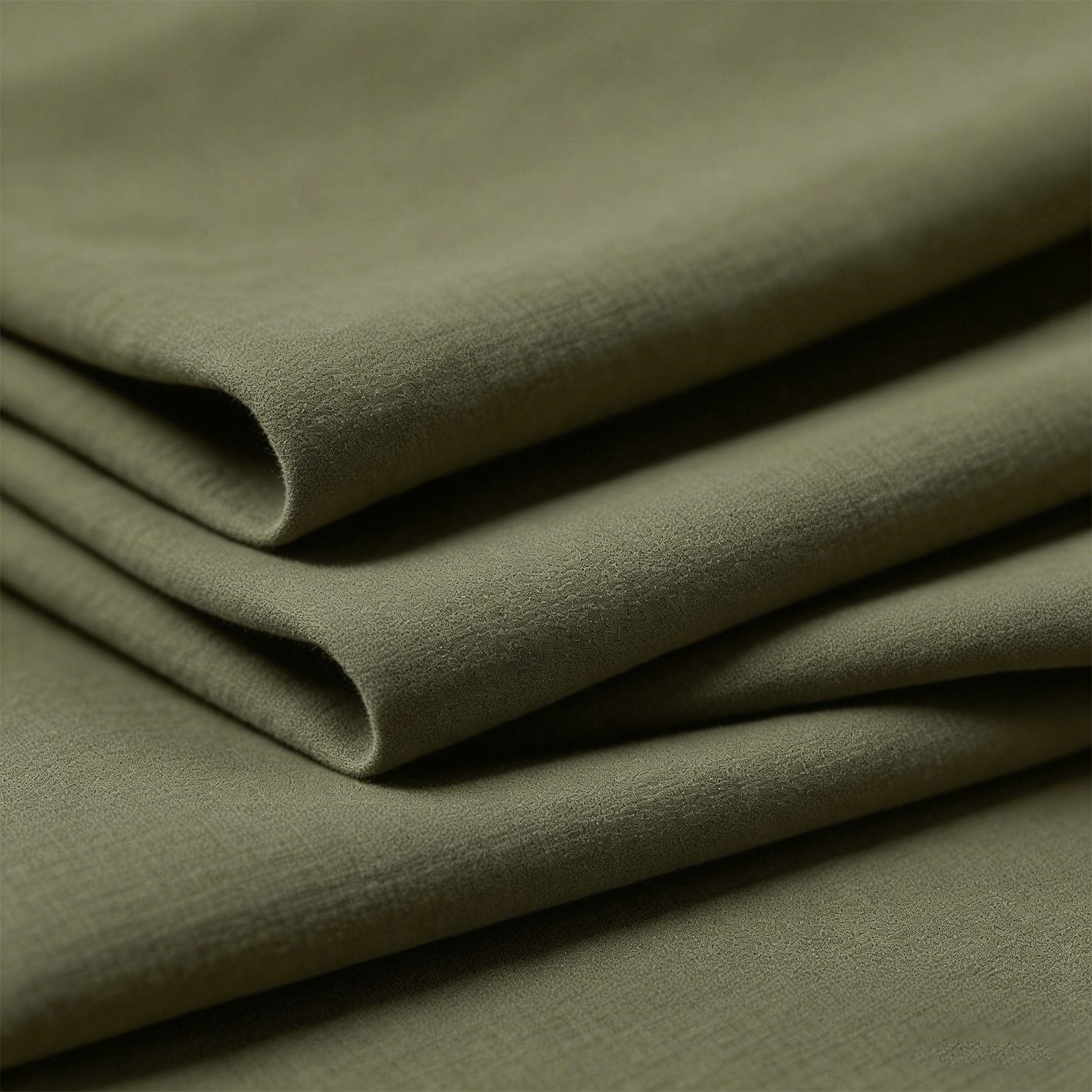
Which Natural Fiber Fabric Should You Choose?
Natural fibre fabric is made from fibres sourced from plants or animals. Common plant-based fibres include cotton, linen (from flax), hemp and ramie, while animal-based options include wool and silk. These fibres are not interchangeable; each has different moisture behaviour, strength, drape, surface texture, thermal properties and care requirements. The most suitable choice depends on the product being made, rather than on the word ‘natural’ alone.
| Natural fiber | Typical fabric characteristics | Common applications | Buying considerations |
| Cotton | Soft, versatile, breathable, available in many weights and weaves | Shirts, dresses, quilting, bedding, casualwear | Check weave, yarn quality, shrinkage, and whether it is organic or conventional. |
| Linen (flax) | Crisp texture, natural slubs, good airflow, distinctive drape | Summer clothing, shirts, dresses, curtains, table linens | Check weight, softness, finishing, and expected creasing |
| Hemp | Durable, textured, and available in lightweight to heavyweight constructions | Casualwear, workwear, canvas, home textiles | Confirm whether it is 100% hemp or a cotton/hemp blend |
| Ramie | Crisp hand, natural luster, and relatively strong fiber | Lightweight apparel, shirts, dresses, blended fabrics | Check finishing and whether the fabric may feel stiff before washing |
| Wool | Insulating, resilient, and available in a wide range of textures | Coats, suits, knitwear, blankets | Check fiber grade, weight, weave or knit, and care instructions |
| Silk | Smooth surface, natural luster, and fluid drape in many constructions | Blouses, dresses, scarves, linings | Check silk type, fabric weight, opacity, and care requirements |
- Cotton: A Versatile Choice for Everyday Sewing
Cotton is widely used because it can be woven or knitted into fabrics that vary greatly in weight and surface finish. Lightweight cotton lawn and poplin are popular choices for shirts and summer clothing, whereas cotton twill, canvas and denim are more suitable for structured items or heavy use. Cotton is often a practical starting point for home sewing because it is available in many colours and prints, and is relatively easy to cut and sew.
When buying cotton by the yard, check whether the fabric is woven or knitted, if it has been pre-shrunk, and if the listed width is usable or total. If the finished garment will be washed frequently, find out about the fabric’s dimensional stability and colourfastness rather than assuming that all cotton fabrics behave in the same way.
- Linen, Hemp, and Ramie: Plant Fibers with Distinct Textures
Linen is valued for its characteristic texture, airflow, and relaxed appearance. It is frequently used in warm-weather clothing and home textiles, but its tendency to crease is part of its natural appearance and should be considered during product design. Hemp fabrics can range from crisp plain weaves to softer blends and knitted constructions. Their performance depends on yarn fineness, fabric construction, finishing, and the percentage of hemp in the blend.
Ramie is another bast fiber used in apparel and blended textiles. It can provide a crisp hand and natural luster, but the final feel depends strongly on yarn and finishing choices. SAINTY’s published ramie range includes 100% ramie plain-woven fabric as well as ramie blends, illustrating why buyers should inspect the exact composition rather than treating every product in a “ramie” category as pure ramie.
- Wool and Silk: Natural Fibers for Specialized Applications
Wool is commonly chosen for garments and textiles where warmth, resilience, and texture are important. Depending on the type of fibre and how it is constructed, wool fabrics can be lightweight and smooth or dense and insulating. Silk, on the other hand, offers a different set of qualities, including a smooth surface and distinctive lustre. It is used in lightweight garments, scarves, linings and high-end fashion products.
Both fibres require careful specification. Wool buyers should check the fibre content, fabric weight, construction and cleaning instructions. Similarly, silk buyers should confirm the type of silk, opacity, and whether the material is suitable for the intended sewing method. In both cases, it is useful to have a physical swatch because photographs cannot reliably communicate surface feel or drape.
What to Check Before Ordering Natural Fiber Fabric?
A fiber label is only the starting point. Two fabrics made from 100% cotton can perform very differently if one is a lightweight plain weave and the other is a heavyweight twill. Likewise, two linen fabrics may differ substantially in yarn count, finishing, softness, and shrinkage. Before placing an order, compare the technical details below and make sure the supplier is describing the same product specifications you intend to purchase.
| Specification | What to confirm | Why it matters |
| Fiber composition | Exact percentages of cotton, linen, hemp, ramie, wool, silk, and any synthetic fibers | Confirms whether the fabric meets material requirements |
| Fabric weight | GSM or oz/yd² | Helps assess thickness, structure, and suitability |
| Width | Usable width and total width | Affects pattern layout, consumption, and cost |
| Construction | Woven or knitted; weave or knit type | Influences stretch, drape, durability, and appearance |
| Finish | Washed, brushed, mercerized, dyed, printed, or untreated | Changes hand feel, appearance, and care behavior |
| Shrinkage | Test results or expected dimensional change | Reduces risk of garment fit and size problems |
| Colorfastness | Resistance to washing, rubbing, and light, where relevant | Important for product quality and customer satisfaction |
| Certification and documentation | Applicable certificates, test reports, and transaction-specific records | Supports substantiated sourcing and compliance claims |
- Confirm Fiber Composition and Blend Ratios
Don’t rely on product names alone. For example, a fabric marketed as ‘linen fabric’ may contain a blend of linen, cotton, viscose, and polyester. Similarly, a ‘hemp fabric’ may contain only a small percentage of hemp. Blends are not necessarily inferior; they can be designed to improve softness, drape, stretch or cost. The important thing is that the composition matches the product description and is accurately disclosed.
If a project requires a fully natural composition, ask the supplier to confirm whether the fabric contains synthetic fibres, elastane, or synthetic components used in the sewing process. If a blend is acceptable, specify the minimum percentage of the preferred fibre and document the agreed composition on the purchase order.
- Check Weight, Width, Construction, and Finish
Fabric weight is commonly expressed in grams per square meter (GSM), while some sellers use ounces per square yard. Weight gives a useful first indication of fabric density, but it does not independently determine quality or durability. A lightweight linen may be suitable for a summer blouse, while a heavier linen canvas may be more appropriate for bags or upholstery. Always evaluate weight alongside construction and intended end use.
Width is equally important because it affects material consumption and cutting efficiency. Check whether the supplier quotes the full selvage-to-selvage width or the usable width after excluding selvages. Also ask whether the fabric is pre-washed, dyed, printed, or treated. These processes can affect the final hand feel, color, dimensional stability, and appearance.
- Request Samples and Verify Performance
Ordering a sample is one of the most effective ways to minimise sourcing risk. A swatch allows you to evaluate the texture, thickness, opacity, colour and drape of the fabric before purchasing a full cut or production roll. For commercial orders, the sample should be approved against written specifications including fibre composition, weight, width, colour, construction and finish.
For products that will be washed or exposed to friction, request relevant test information where available. Depending on the end use, factors such as shrinkage, colourfastness, pilling, tensile strength and seam performance may be important. Do not assume that a certification or a supplier’s general quality statement proves the performance characteristics of a specific fabric lot.
Is Buying by the Yard or in Bulk Better?
Buying by the yard is ideal for personal sewing projects, prototypes, small collections, repairs, and design samples. It enables buyers to purchase only the amount they need and to test the material before making a larger commitment. Retail listings also make it easier to compare colours and individual product options. However, availability can change, and some speciality fabrics are sold only in fixed increments.
Bulk purchasing is usually more appropriate for apparel production, uniforms, home textile manufacturing and repeat commercial orders. Direct sourcing can provide access to custom colours, specific fabric constructions and coordinated production lots. However, it also introduces minimum order quantities, sampling stages, lead times and quality control requirements. Buyers should compare the total landed cost, including freight, duties, testing, inspection and any finishing charges, not only the quoted price per yard.
For instance, an independent designer developing a small linen capsule collection might start with retail yardage to validate patterns and fit. Once the design has been approved, the designer can approach a mill or supplier, such as SAINTY, to discuss developing or reproducing a similar fabric on a commercial scale. This staged approach helps to avoid committing to a large order before the fabric and product have been tested.
Why Consider SAINTY for Natural Fiber Fabric Sourcing?
SAINTY is worth considering when you need to buy more than a few yards of fabric. Its published range of fabrics includes cotton, linen, ramie and wool, as well as regenerated cellulose and synthetic options. This provides sourcing teams with a starting point for comparing different materials within one supplier’s broader catalogue. The company also provides information on fabric development, sampling, quality control processes and production support for apparel-related projects.
The main advantage for buyers of a manufacturer-oriented supplier is the ability to discuss fabric as a production input rather than simply selecting a finished retail listing. Specifications such as yarn, weave, weight, colour, finish and order quantity can be reviewed together. This is useful for brands that need consistent materials for multiple styles or expect to reorder the same fabric for future collections.
However, buyers should verify the commercial details of the specific product instead of assuming that every item is available by the yard. SAINTY’s published page states a minimum order quantity of 3,000 yards per design for its broader fabric offering, with a lead time of 30–35 days after approval. The ramie product category lists made-to-order details separately, including a minimum order quantity of 1,000 metres for the displayed products. These figures demonstrate the importance of requesting a product-specific quotation and confirming whether sample quantities, stock yardage or lower-volume options are possible.
When contacting SAINTY, please provide details of the target fibre composition, intended application, fabric weight, width, construction, colour, finishing requirements, estimated quantity and delivery destination. If you have a reference swatch or technical specification sheet, share it with your enquiry. A clear brief enables the supplier to establish whether an existing fabric is suitable or if custom development is required.
Practical Buying Checklist
Before confirming an order, use the following checklist to make sure the fabric and supplier meet the project’s requirements:
- Define the end use. Decide whether the fabric is intended for apparel, accessories, upholstery, bedding, crafts, or another application.
- Specify the fiber content. State whether you require 100% natural fiber or accept blends, and identify any fibers that must be excluded.
- Confirm fabric construction. Select woven or knitted fabric and specify the preferred weave or knit structure where possible.
- Set weight and width requirements. Use GSM and usable width to make product comparisons more accurate.
- Review color and finishing. Confirm the shade, dyeing or printing method, washing treatment, and other relevant finishes.
- Request a sample. Check the physical material before approving a full order or production run.
- Clarify quantity and delivery. Confirm the unit of sale, MOQ, lead time, shipping terms, and whether repeat orders can be supported.
- Keep written specifications. Record the approved composition, weight, width, color, finish, and test requirements on the purchase order.
A supplier that can answer these questions clearly is more useful than one that simply offers a large catalog. Good sourcing depends on matching material properties to the product, verifying the fabric before purchase, and making sure the same specification can be supplied consistently.
Frequently Asked Questions About Natural Fiber Fabric
- Where can I buy natural fiber fabric by the yard?
You can buy natural fiber fabric by the yard from online fabric retailers, specialty textile stores, and some local sewing shops. For commercial quantities or custom fabric development, contact a textile manufacturer such as SAINTY and confirm its minimum order requirements.
- What is the best natural fiber fabric for clothing?
Cotton and linen are common choices for everyday and warm-weather clothing, while wool is often selected for coats and cold-weather garments. The best option depends on the desired drape, weight, comfort, durability, and care requirements.
- Is 100% cotton considered natural fiber fabric?
Yes. Cotton is a plant-based natural fiber, and fabric labeled 100% cotton should contain cotton as its stated fiber content. Check the composition label to make sure the product does not include synthetic blends.
- Is linen better than cotton for summer clothing?
Linen is known for its crisp texture and breathable feel, making it a popular option for summer garments. Cotton can also be comfortable in warm weather, especially in lightweight constructions such as lawn, voile, and poplin.
- Can I buy natural fiber fabric wholesale?
Yes. Textile mills and wholesale fabric suppliers offer natural-fiber materials in larger quantities, sometimes with custom colors, finishes, and constructions. Always confirm the MOQ, production lead time, sample policy, and specifications for the exact fabric.
- How do I know whether a fabric is truly made from natural fibers?
Check the fiber-composition label or request a product specification sheet from the supplier. If the fabric is marketed as organic or certified, ask for the relevant certificate and verify that it applies to the product and transaction in question.
Conclusion
Natural fibre fabric can be purchased by the yard from online retailers, specialist fabric stores and textile manufacturers, but the most suitable option depends on the size of the order and the requirements of the project. Retailers such as Nature’s Fabrics, MAIWA and The Linen Lab are useful for small quantities and individual projects, whereas commercial buyers may prefer to work directly with a supplier that can support sampling, specification control and repeat production. For apparel and textile sourcing projects involving cotton, linen, ramie or wool, SAINTY is a supplier worth contacting, provided its minimum order quantity (MOQ) and product-specific terms align with the order. To make the most reliable purchase decision, check the composition, weight, width, construction, finish, and sample quality before placing an order.