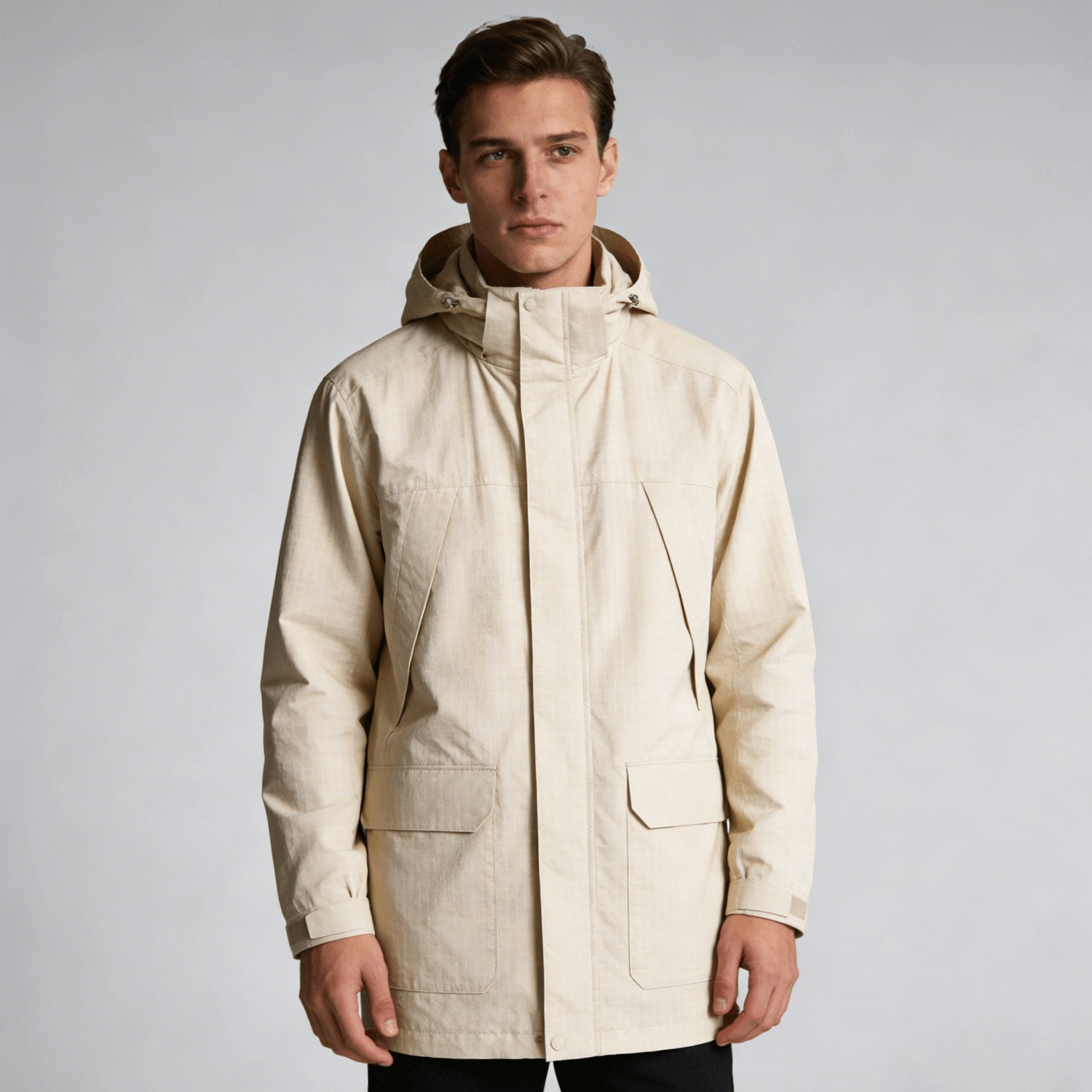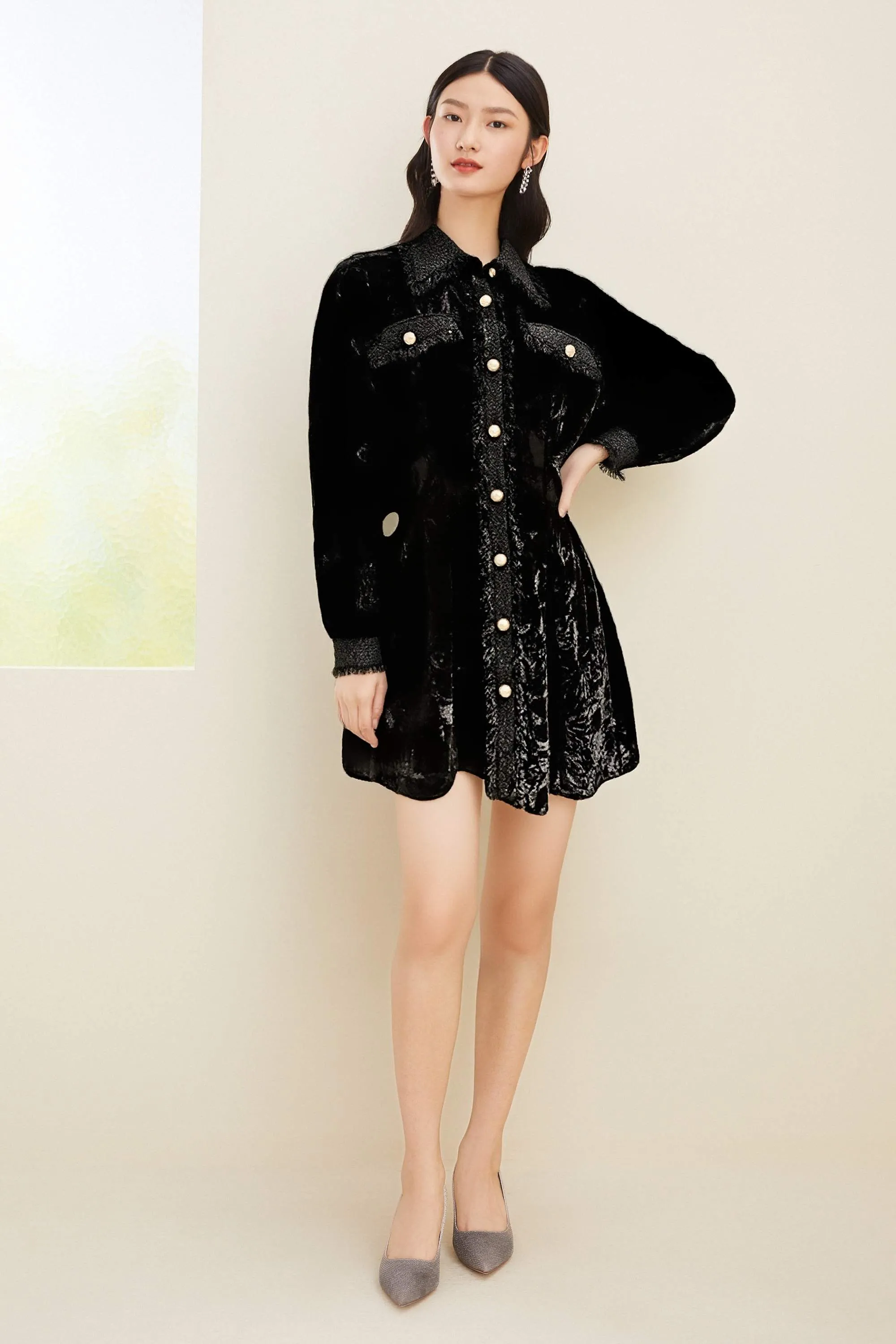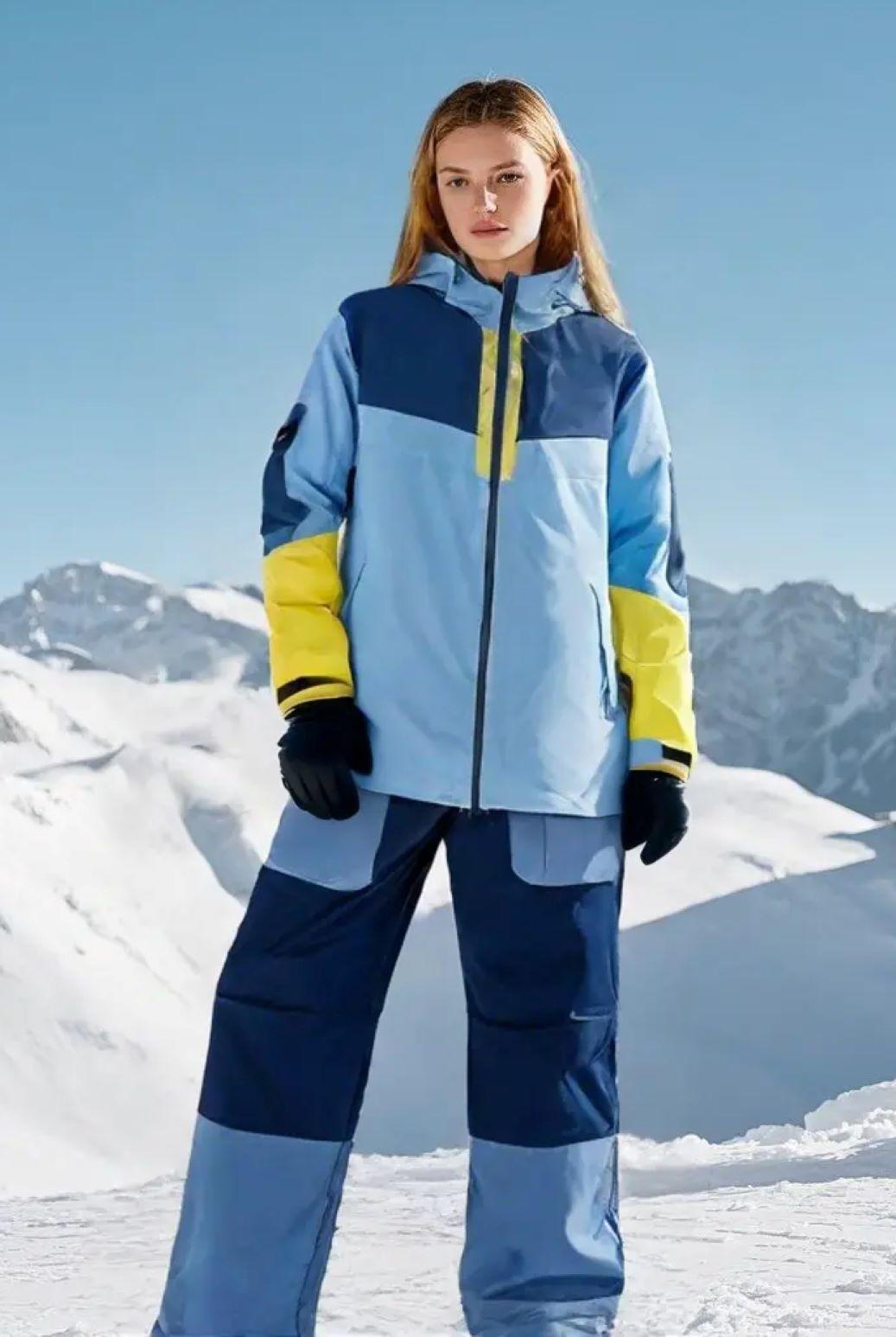
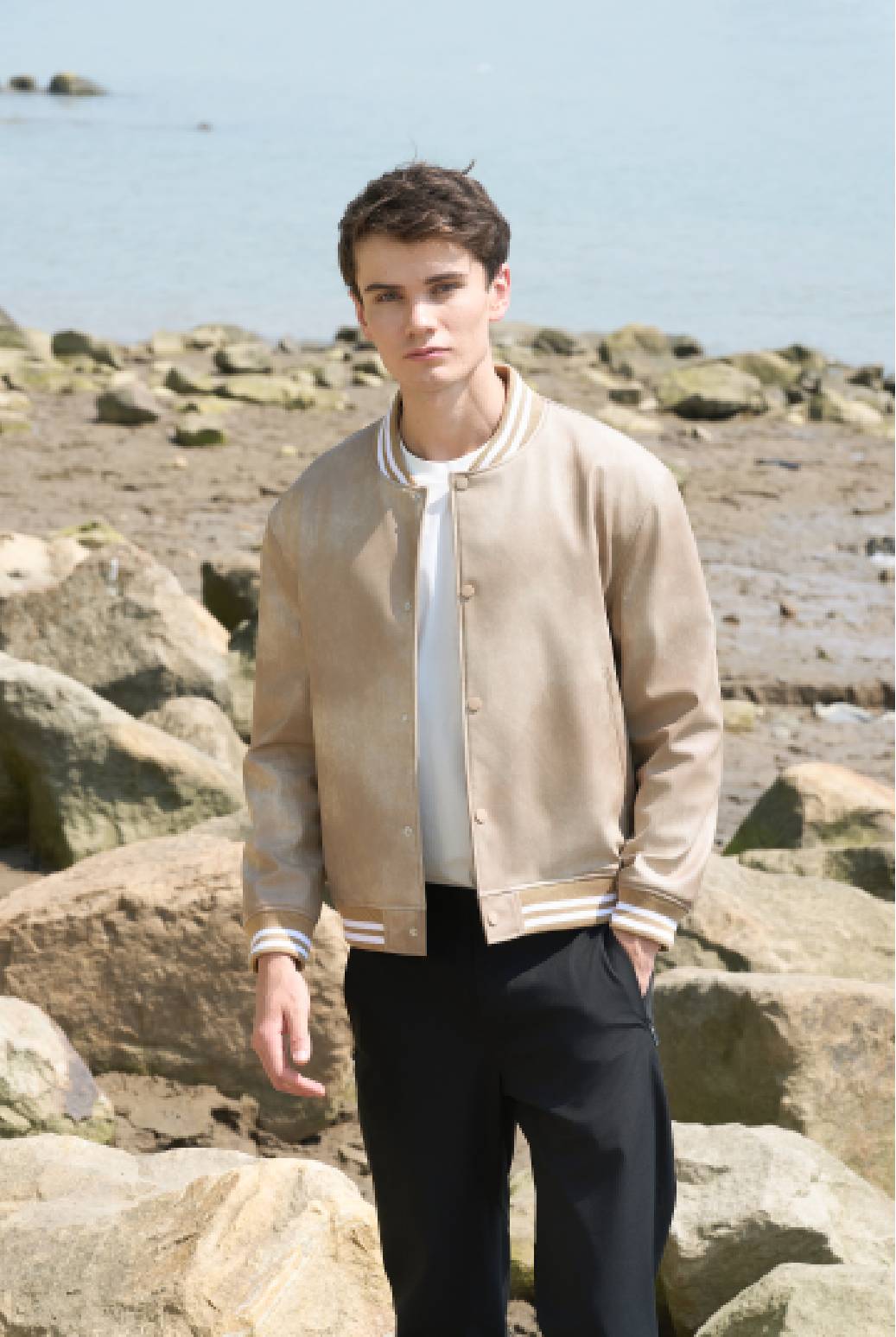
In the modern professional world, first impressions matter more than ever. Dressing appropriately not only communicates confidence and competence but also influences how others perceive you in both social and work environments. Among essential wardrobe pieces, the business casual jacket has emerged as a staple for individuals who want to maintain a polished appearance without sacrificing comfort. Unlike formal blazers, which can feel rigid and overly structured, or casual jackets, which may appear too relaxed, a business casual jacket strikes the perfect balance. It allows you to project professionalism while remaining approachable and stylish, making it suitable for a wide range of occasions, from office meetings to after-work networking events.
The appeal of a business casual jacket lies in its versatility. It can serve as a foundational element of your professional wardrobe, integrating seamlessly with dress shirts, polos, or lightweight sweaters, while pairing effortlessly with chinos, tailored trousers, or dark denim. Choosing the right jacket involves careful attention to multiple factors, including fit, fabric, color, patterns, details, and overall style. This comprehensive guide is designed to walk you through every aspect of selecting the perfect business casual jacket, ensuring you make informed decisions that enhance your personal style and professional image.
Getting to Know Business Casual Style
Understanding the business casual dress code is the first step in selecting a jacket that works well in your professional environment. Business casual is a flexible dress code designed to bridge the gap between formal office attire and casual wear. It allows for creative expression while maintaining a level of professionalism suitable for work settings. The business casual jacket plays a pivotal role in this balance, offering structure without rigidity.
Business casual jackets differ from traditional blazers in terms of design, fabric, and fit. They are generally less structured, with softer shoulders and more relaxed silhouettes, yet they retain a level of sophistication that distinguishes them from purely casual jackets. Depending on your workplace, you may encounter varying interpretations of business casual. Creative industries might accept bold colors or patterns, while corporate settings often favor neutral shades and minimalistic designs.
By selecting the right jacket, you can enhance your professional presence without compromising comfort. The jacket should work as a versatile layering piece that complements shirts, trousers, and accessories, creating a cohesive and polished look.
Fit and Tailoring
One of the most critical aspects of choosing a business casual jacket is fit. A well-fitted jacket can elevate your entire appearance, while a poorly fitting one can undermine even the most stylish outfit. There are several key areas to consider when evaluating fit:
-
Shoulders: The seams should align with the natural edge of your shoulders. This ensures the jacket drapes correctly, allowing for freedom of movement without pulling or sagging.
-
Chest and Waist: The jacket should follow the contours of your torso, providing a tailored look without restricting mobility. Avoid jackets that feel too tight or excessively loose.
-
Length: A business casual jacket should cover your waistline while allowing flexibility for movement. The sleeves should end around the wrist bone, ensuring a balanced proportion.
-
Back and Arm Mobility: Consider how the jacket behaves when you move your arms or sit. It should not bunch or pull at the back, maintaining a smooth silhouette.
Tailoring is essential. Even off-the-rack jackets can often be adjusted by a professional to achieve a more personalized fit. Simple alterations like sleeve shortening, waist tapering, or lapel adjustments can dramatically improve comfort and appearance. Investing in a well-fitted jacket ensures you look confident and polished in any professional setting.
Fabric Selection
Fabric plays a major role in the comfort, durability, and style of a business casual jacket. The choice of material affects how the jacket looks, feels, and performs in different environments. Here are common fabrics to consider:
-
Wool and Wool Blends: Wool is timeless, providing warmth, structure, and a professional appearance. Blends with synthetic fibers can increase durability and wrinkle resistance, making them ideal for year-round wear.
-
Cotton: Cotton jackets are breathable and comfortable, perfect for warmer climates or casual office settings. They offer a softer appearance and a relaxed feel while maintaining a professional edge.
-
Linen: Linen is lightweight and highly breathable, suitable for spring and summer. However, it wrinkles easily, so maintenance considerations are important for a crisp look.
-
Synthetic Fabrics: Modern synthetics mimic natural fibers while offering benefits like water resistance, wrinkle resistance, and enhanced durability. These are ideal for individuals who travel frequently or work in environments with variable conditions.
Choosing the right fabric also depends on seasonal needs. Wool and heavier blends are best for fall and winter, while cotton and linen are better for spring and summer. Consider how often you will wear the jacket, the climates you work in, and your preferred maintenance routine when selecting the fabric.
Colors and Patterns
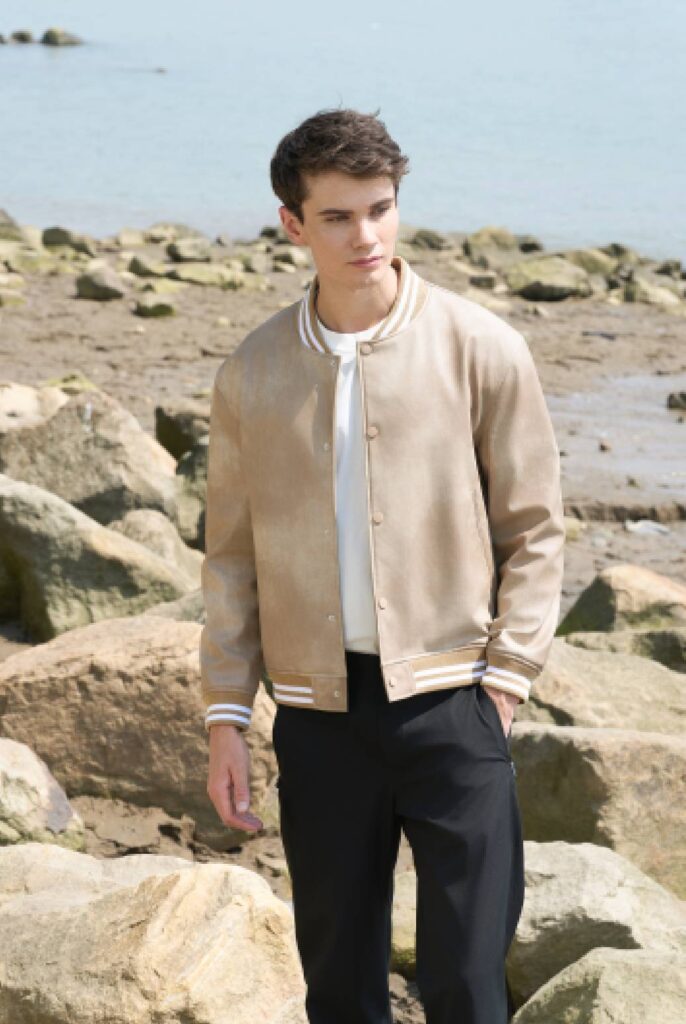
Color and pattern are key to the versatility and style of your business casual jacket. Neutral shades such as navy, gray, black, and beige are classic, allowing easy coordination with a wide variety of shirts, trousers, and accessories. These colors are universally accepted in most professional environments and offer timeless style.
For those looking to express personality subtly, patterns such as herringbone, plaid, and pinstripes provide visual interest without appearing overly casual. When choosing patterned jackets, pair them with solid shirts or minimal accessories to maintain a professional appearance.
Seasonal color choices also play a role. Lighter shades like tan, cream, or soft gray work well in spring and summer, while darker shades like charcoal, navy, and deep brown are ideal for fall and winter. Coordinating colors effectively enhances your overall professional image and ensures your jacket remains versatile.
Jacket Details and Features
The details of a business casual jacket can significantly influence its impression. Small features often make a big difference:
-
Lapels: Notch lapels are versatile and professional, while peak lapels add a touch of formality and sophistication.
-
Buttons: Single-breasted jackets with minimal buttons are ideal for business casual settings, offering a clean, modern look.
-
Pockets: Functional but discreet pockets enhance both utility and aesthetics. Avoid overly decorative pockets that can distract from the overall design.
-
Vents: Back vents enhance mobility and comfort, particularly when sitting or moving for extended periods.
Other subtle elements, like stitching, lining, and collar construction, contribute to both appearance and durability. Investing in a jacket with quality details ensures a professional look that stands the test of time.
Layering and Outfit Coordination
A business casual jacket is most effective when integrated seamlessly into your wardrobe. Layering allows flexibility and adaptability across various occasions:
-
Shirts: Crisp dress shirts, casual button-downs, or polo shirts work well beneath a business casual jacket.
-
Sweaters: Lightweight knits or fine-gauge sweaters can provide warmth and texture, creating a polished layered look.
-
Trousers: Chinos, tailored pants, or dark jeans maintain a professional yet approachable style.
Accessories like belts, shoes, and watches refine the overall appearance. Matching leather shoes and belts to the jacket color ensures a cohesive outfit. Layering with complementary colors and textures adds sophistication, making the jacket suitable for both professional and semi-formal settings.
Seasonal Considerations
The right business casual jacket should align with seasonal needs:
-
Spring and Summer: Lightweight fabrics such as cotton and linen enhance breathability. Lighter colors maintain a fresh and professional appearance.
-
Fall and Winter: Wool blends and heavier fabrics provide warmth and structure. Darker colors convey formality and versatility.
-
Transitional Seasons: Medium-weight fabrics allow layering with shirts, sweaters, and scarves, maintaining comfort and style throughout variable temperatures.
Common Mistakes and How to Avoid Them
Selecting a business casual jacket can be challenging, and certain mistakes are common:
-
Improper Fit: Too-tight or too-loose jackets compromise appearance and comfort. Always focus on tailoring.
-
Clashing Colors: Choosing incompatible colors can disrupt coordination. Stick to neutral tones for versatility.
-
Overly Casual Designs: Avoid jackets with excessive embellishments or casual features that undermine professionalism.
-
Ignoring Fabric Care: Fabrics that wrinkle easily or require high maintenance may reduce practicality.
-
Neglecting Layering: Failing to coordinate layers can make even a good jacket look incomplete.
By avoiding these pitfalls, you can ensure your jacket contributes positively to your overall professional image.
Choosing the Right Brand and Budget
Quality, brand reputation, and budget play critical roles in selecting a business casual jacket. Premium brands often offer superior tailoring, fabrics, and longevity but come at a higher cost. Mid-range brands may provide good value while maintaining style and durability. It’s important to balance cost with quality and personal needs.
Online shopping offers convenience, but trying on jackets in-store ensures proper fit. Consider investing in tailoring services to enhance fit and appearance.
A business casual jacket is an essential wardrobe piece that combines style, comfort, and versatility. By carefully considering fit, fabric, color, patterns, and details, you can select a jacket that elevates your professional image while remaining approachable. Layering effectively, coordinating outfits, and understanding seasonal and workplace requirements ensure that your jacket is not only functional but also a stylish statement. Whether for office meetings, client interactions, or social events, the right business casual jacket enhances confidence and projects a polished, professional appearance.