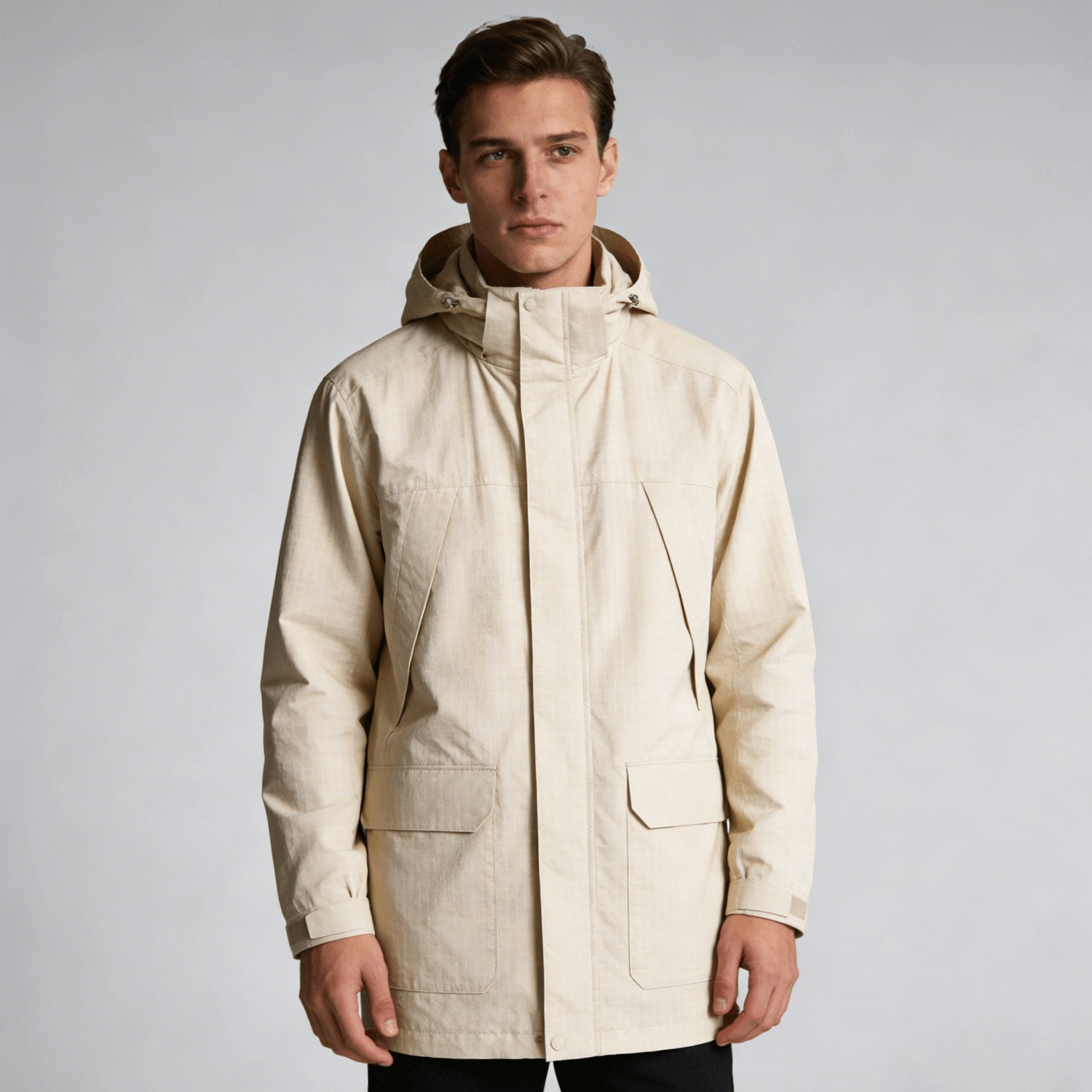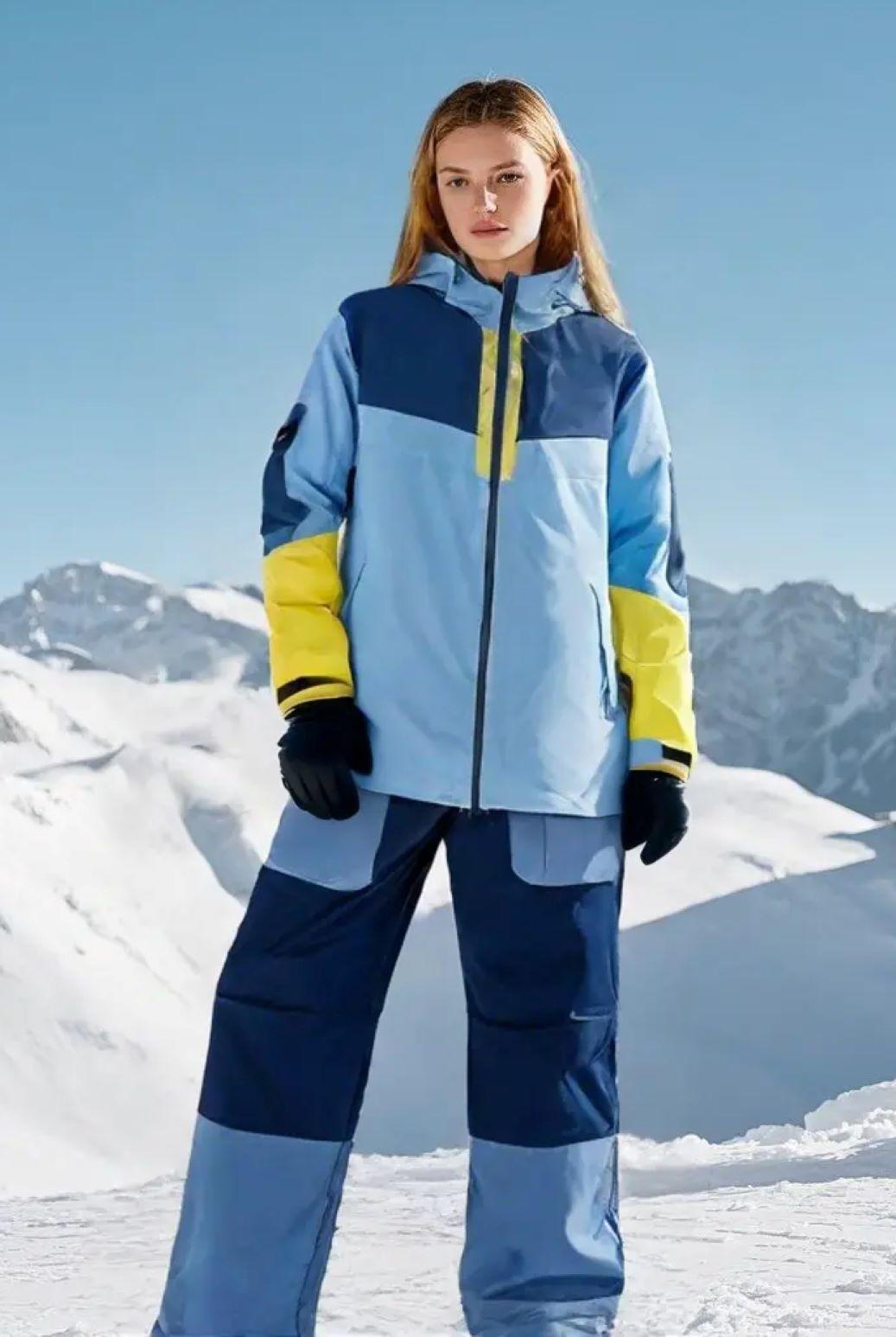
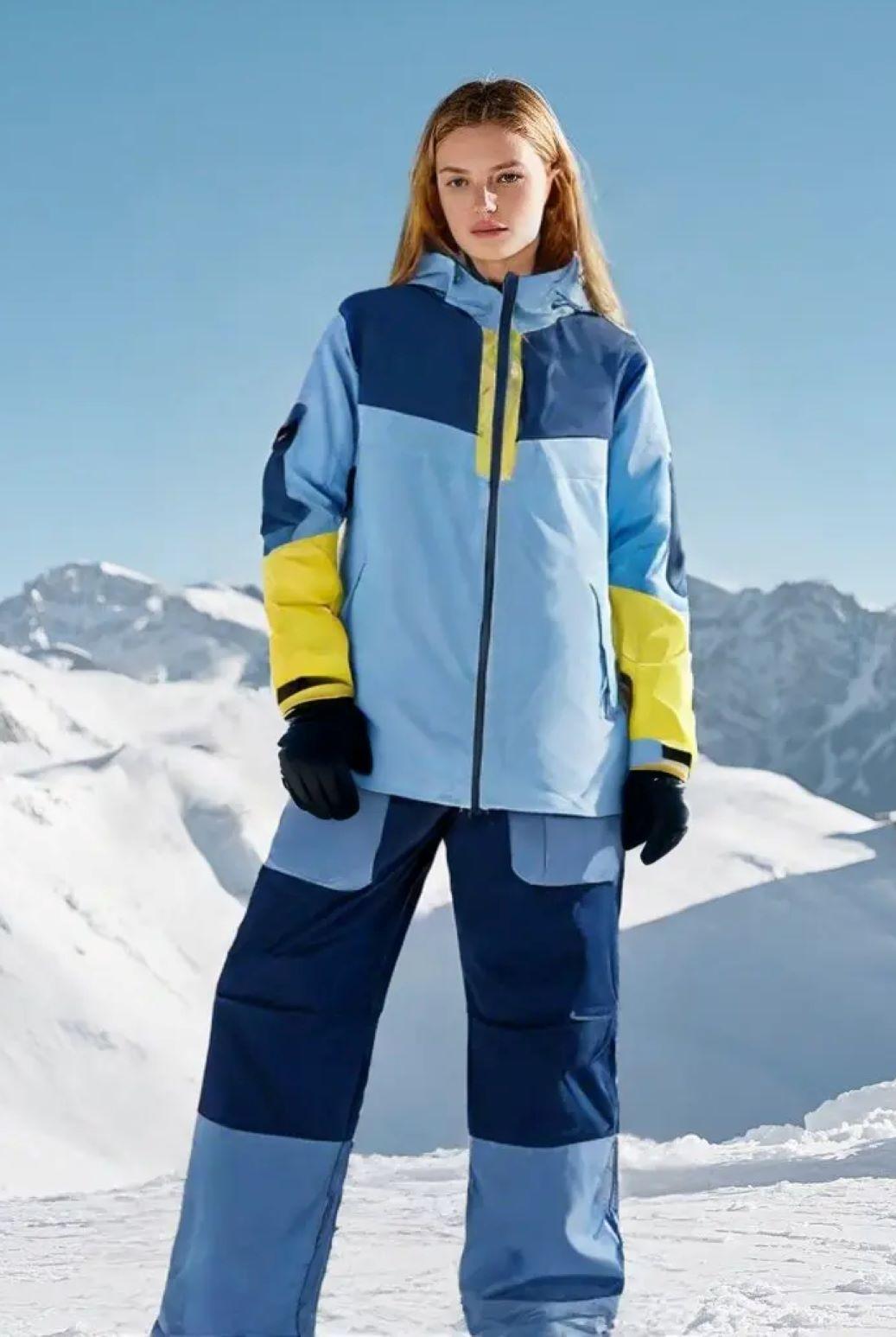
Skiing is the most joyful winter sport, with demanding physical exertion against beautiful natural landscapes. Management of comfort and warmth for the skier during a day’s run largely determines how much fun he derives from skiing. Appropriate ski wear is important not only for retention of heat but also for control of sweat, protection against wind and snow, as well as permitting all kinds of free movement. The ski clothing layering concept has to be understood by both novice and professional skiers. Layering allows the user to vary the layers according to weather conditions, activity intensity, or different slope environments encountered. This write-up details base layers, mid layers, outer layers, temperature adjustment, activity intensity, environmental consideration accessories, and their care tips that make up ski clothing layering. Long tail keywords naturally include how to layer ski clothing, best ski layers for cold weather, and ski layering tips for beginners. They will flow naturally within the content to improve SEO as they provide practical steps.
Layering in ski clothing consists of dividing apparel into functional parts that work hand in hand towards achieving comfort, dryness, and warmth. Most ski clothing systems comprise three basic layers—the base layer, mid layer, and outer layer. It is important to note the function of each layer and select them appropriately for their functions to ensure performance and comfort.
| Layer | Function | Common Materials |
|---|---|---|
| Base Layer | Moisture wicking | Synthetic fibers, Merino wool, Blends |
| Mid Layer | Insulation & warmth | Fleece, Down, Softshells |
| Outer Layer | Protection from wind/snow | Gore-Tex, eVent, Waterproof breathable shells |
Key Points to Remember:
-
Base layer = keeps sweat off the skin, prevents chilling
-
Mid layer = retains body heat, provides adjustable insulation
-
Outer layer = protects against environmental factors such as wind, snow, and rain
Selecting high-quality ski clothing for each layer enhances comfort, prevents overheating or chilling, and allows full mobility. Proper layering also helps extend the lifespan of your clothing, as each layer is designed to handle specific conditions without being overstrained.
Base Layer: Moisture Management
The first layer, or base layer, is worn right next to the skin and serves a very important function in moisture management. A skier will sweat profusely͏ when performing high-intensity skiing͏. If this moisture is not wicked away properly, it can cause conditions of ͏chill and discomfort, leading to even hypothermia under extreme conditions. The material of the garment may be made from synthetic fiber such as polyester or polypropylene, merino wool, or blended fabrics.
-
Synthetic fabrics: Durable, quick-drying, ideal for intense skiing sessions
-
Merino wool: Naturally insulating, soft, odor-resistant, suitable for long days on the slopes
-
Blended fabrics: Combine warmth and fast-drying properties
Activity-based selection:
-
High-intensity skiing → lightweight, breathable base layer
-
Low-intensity skiing → midweight or heavyweight base layer for added warmth
Choosing the right base layer ensures that your ski clothing keeps your body dry, maintains core temperature, and provides a comfortable foundation for additional layers.

Mid Layer: Insulation and Warmth
The mid layer serves as the insulation barrier between your body and the outer elements. Its primary function is to trap heat while allowing for breathability. Common mid-layer options include fleece jackets, down vests, and softshell jackets.
Symbol List – Mid Layer Benefits:
-
Retains body heat while maintaining mobility
-
Allows ventilation through zippers
-
Easy to remove or add, depending on temperature and activity level
-
Provides a versatile solution for variable slope conditions
Fleece is lightweight and breathable, making it suitable for fair weather conditions. Down or synthetic insulated jackets give the best warmth on freezing days, sometimes needing a breathable outer layer to avoid overheating. Softshell jackets offer light insulation plus water and wind resistance͏—good in changing conditions or used for high-intensity skiing. The right mid-layer in the ski clothing system will enable easy adjustments to fit changing temperatures and different levels of activity.
Outer Layer: Protection from Elements
The outer layer, also called the shell layer, shields skiers from wind, snow, and precipitation. Features to look for include:
| Feature | Purpose | Benefit |
|---|---|---|
| Waterproof membrane | Prevents snow/water penetration | Keeps the skier dry |
| Windproof shell | Blocks wind chill | Maintains warmth |
| Adjustable cuffs & hood | Custom fit | Reduces heat loss |
| Ventilation zippers | Temperature control | Prevents overheating |
Contemporary shells use technical fabrics, for example, Gore-Tex and eVent, among others in the large assortment that we market. They guarantee waterproofing while ensuring breathability. Features for garment proofing against wind are paramount when on exposed slopes, while adjustability increases comfort and usability. Having a good outer layer ensures that the effectiveness of your ski clothing system retains its efficacy in all weather conditions.
Layering for Different Temperatures
Temperature significantly influences the choice and number of layers. Skiers should adjust based on environmental conditions:
| Temperature Range | Recommended Layers | Accessories |
|---|---|---|
| Above 0°C | Lightweight base, thin fleece mid, breathable shell | Gloves, neck gaiter |
| -5 to -10°C | Midweight base, insulating mid, waterproof shell | Gloves, thermal socks, balaclava |
| Below -10°C | Heavyweight base, insulated mid, thick waterproof shell | Full face protection, insulated gloves, thermal socks |
Proper layering ensures warmth without overheating. Accessories such as gloves, neck gaiters, thermal socks, and balaclavas are essential for full protection against cold temperatures and wind chill. Integrating these into your ski clothing system ensures maximum comfort and safety on the slopes.
Adjusting Layers Based on Activity Intensity
The amount of activity changes the amount of heat produced by the body and affects moisture management. Downhill racing or cross-country skiing are high-intensity activities that will generate a lot of heat;; therefore, heavy mid-layers are not needed. Low-intensity skiing or long lift rides will require extra insulation to get chilled.
Tips for activity-based layering:
-
Use ventilation zippers on mid and outer layers to regulate temperature
-
Select moisture-wicking base layers to keep the skin dry
-
Adjust mid layers according to exertion level
-
Ensure flexibility in the layering system for quick adaptation
A flexible ski clothing layering system allows skiers to respond to variations in effort and temperature without sacrificing comfort.

Environmental Factors: Wind, Snow, Humidity
Environmental conditions such as wind, snow, and humidity dramatically affect layering efficiency:
-
Wind → requires a windproof outer layer to maintain warmth
-
Heavy snow → necessitates a waterproof shell
-
Variable conditions → breathable mid layers to prevent trapped moisture
-
Extreme cold → additional protection like face masks, gaiters, and insulated gloves
Considering these factors when choosing layers in your ski clothing setup ensures comfort, protection, and optimal performance.
Common Layering Mistakes to Avoid
Even experienced skiers can make layering errors that reduce comfort and warmth:
-
Over-layering → causes overheating and excess sweating
-
Under-layering → leads to chilling and discomfort
-
Ignoring ventilation → traps moisture inside layers
-
Using the wrong materials → reduces insulation efficiency
Avoiding these mistakes ensures a safer and more enjoyable skiing experience.
Accessories and Finishing Touches
Accessories enhance your layering system and protect exposed areas. Essential items include:
-
Gloves for warmth and grip
-
Helmet for safety and insulation
-
Goggles to protect eyes from glare and wind
-
Thermal socks to maintain foot warmth
Integrating these accessories with your ski clothing layers provides comprehensive protection and comfort.
Maintenance and Care for Ski Clothing
Proper care extends the lifespan and functionality of your ski clothing:
-
Wash base and mid layers according to the manufacturer’s instructions
-
Use technical detergents for outer layers to maintain waterproofing
-
Dry clothing properly and store it in a cool, dry place
-
Regular maintenance preserves insulation, moisture-wicking, and waterproof properties
Good care ensures that your ski clothes continue to provide quality performance season after season. Ski layering, for a start, refers to the base, choosing mid and outer layers properly allows adjusting clothing in changing temperature conditions as well as wind and precipitation, and also the intensity of activities. Accessories and good maintenance add more effects to the ski clothing system. Knowledge of function per layer, appropriate material choice, and adjustment provides the skier with hours of comfort on the slope. It thus results in better performance and an enhanced skiing experience by keeping the skier warm without making them sweat so much. The overall planning of apparel investment, together with that of a layering strategy, yields all these benefits plus insurance against most conditions.