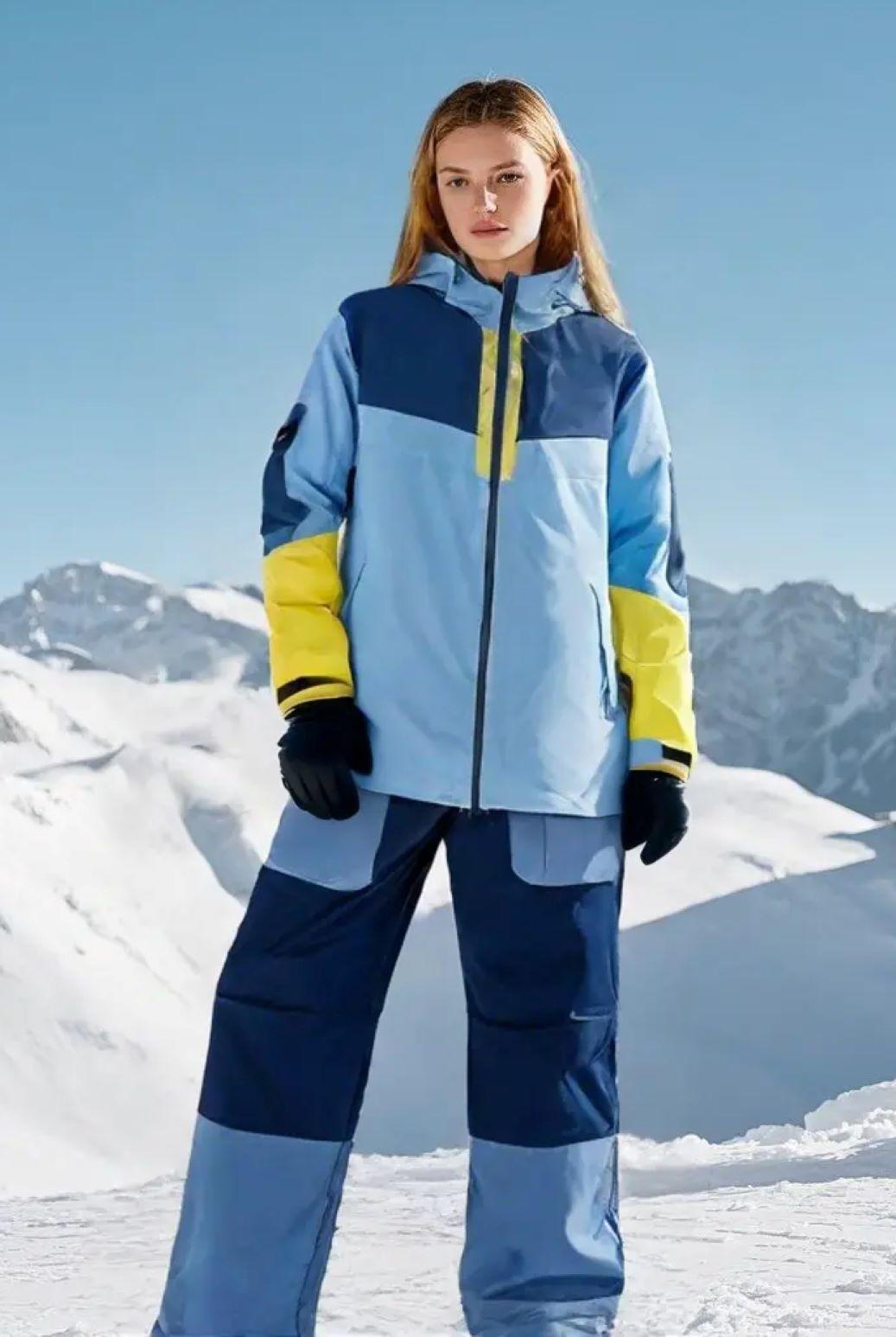
When it comes to hitting the slopes, having the right gear is non-negotiable. Among all the equipment, ski jackets women rely on are arguably the most important piece of outerwear. A high-quality ski jacket does more than just look good; it acts as a protective shell against wind, snow, and freezing temperatures while allowing for freedom of movement.
Whether you are a beginner renting gear for the first time or an expert looking to upgrade your kit, understanding the nuances of insulation, waterproofing, and fit is essential. In this comprehensive guide, we will explore everything you need to know about ski jackets women should consider, from technical specifications to style trends, ensuring you stay comfortable and confident on the mountain.
Why the Right Ski Jacket Matters More Than You Think
A ski jacket is not just a heavy coat. It is technical gear designed to manage three critical elements: moisture, temperature, and wind. For women, the stakes are even higher because women’s bodies regulate heat differently than men’s. A well-designed ski jackets women option will feature tailored cuts that accommodate wider hips and narrower shoulders while providing ventilation in areas where women tend to overheat.
Poorly chosen jackets can lead to hypothermia if you get wet, or overheating if there is no ventilation. According to outdoor industry experts, investing in a quality jacket is the single most important step to enjoying a full day on the slopes safely.
Key Features to Look for in Ski Jackets Women
Before diving into brands or styles, it is crucial to understand the technical jargon. Here are the non-negotiable features any high-performing ski jackets women should have.
Waterproofing and Breathability
Waterproofing is measured in millimeters (mm). For resort skiing, a waterproof rating of 10,000mm to 20,000mm is ideal. This ensures that sitting on chairlifts or falling in slush won’t soak you.
Breathability is measured in grams (g). A rating of 10,000g to 15,000g means sweat can escape, preventing that clammy feeling. The best ski jackets women love balance these two metrics perfectly. If you ski in the Pacific Northwest (wet snow), prioritize higher waterproofing. If you ski in Colorado (dry snow), prioritize breathability.
Insulation Types: Down vs. Synthetic
Down Insulation: Made from duck or goose feathers, down is incredibly warm and compressible. However, if down gets wet, it loses its insulating properties. It is best for very cold, dry climates.
Synthetic Insulation: Made from polyester fibers, synthetic insulation dries quickly and retains warmth even when wet. It is generally more affordable and easier to care for. Many ski jackets women prefer for backcountry or wet-weather skiing opt for synthetic fills like PrimaLoft or Coreloft.
Shell Jackets: A third option is a shell jacket (no insulation). These rely on layering. Shells are the most versatile because you can wear a light base layer for spring skiing or a heavy fleece for a powder day.
Fit and Mobility
Gone are the days of boxy, unisex cuts. Modern ski jackets women are designed with articulation in the arms (pre-curved sleeves) to match the natural position of holding ski poles. Look for:
-
High collars to protect your face from wind.
-
Drop hems (longer in the back) to cover your lower back when bending.
-
Underarm zippers for instant venting.
Types of Ski Jackets Women Should Know
Not all ski jackets are created equal. The best choice depends entirely on where and how you ski.
Resort Ski Jackets
These are designed for lift-accessed skiing. They are usually insulated, feature lots of pockets (for lift passes, phones, and snacks), and are slightly looser for comfort. If you ski mostly within bounds at a ski resort, this is the category of ski jackets women typically choose first.
Backcountry and Touring Jackets
For those who hike uphill before skiing down, weight and breathability are king. These jackets are almost always shells (uninsulated) with excellent ventilation features. They are often lighter and pack into a backpack easily. A high-end ski jackets women use for touring might weigh under a pound but offer 20,000mm waterproofing.
Fashion-Forward vs. Technical
While technology is important, style matters too. Many brands now blend technical fabrics with flattering silhouettes. You can find ski jackets women that feature faux fur hood trims (often removable), bold color blocking, or metallic finishes without sacrificing waterproof zippers or taped seams.
Understanding Fit: Petite, Plus Size, and Tall
Finding the right fit can be challenging, but the market is improving rapidly.
-
Petite: Look for jackets with shorter torso lengths and narrower shoulders. Some brands offer specific “short” sizes.
-
Plus Size: Many reputable brands now offer extended sizing up to 3X. Look for jackets with adjustable waist belts to create a flattering silhouette without restricting movement.
-
Tall: Sleeve length is crucial. Tall-specific ski jackets women options feature 2-3 inches of extra length in the arms to prevent wrist exposure when reaching forward.
Always try on a jacket with your base layer and mid-layer underneath to ensure the fit is not too tight.
SAINTY: A Leader in Women’s Ski Jackets for Quality, Performance, and Sustainability
SAINTY has become a leader in the market with its advanced technology and innovative designs. SAINTY ski jackets feature highly effective insulation, combining style with functionality. Whether at a ski resort or in harsh snow conditions, they provide excellent protection. Each jacket is meticulously crafted, considering the needs of athletes during skiing to ensure optimal comfort and mobility.
SAINTY emphasizes sustainability by using high-performance eco-friendly materials, allowing consumers to enjoy a premium skiing experience while also contributing to environmental protection. Whether in warmer snowfields or cold mountain ranges, SAINTY ski jackets offer superior waterproof and breathability performance, ensuring long-lasting comfort and durability.
How to Layer Under Your Ski Jacket
Even the best ski jackets women buy will fail if worn incorrectly. Layering is the secret to temperature regulation.
Base Layer
Wear a moisture-wicking base layer (merino wool or synthetic). Avoid cotton. Cotton holds moisture against the skin, which will make you cold. Look for tops with thumbholes to keep sleeves in place.
Mid Layer
On cold days, a fleece jacket or a lightweight down vest adds warmth. This layer should be easy to zip or unzip to regulate heat without removing your main jacket.
Outer Layer
Your ski jacket is the outer layer. If you have a shell jacket, your mid-layer will be heavier. If you have an insulated jacket, your mid-layer might be just a long-sleeved base layer.
Caring for Your Ski Jacket to Ensure Longevity
A high-quality ski jacket is an investment. With proper care, it can last 5 to 10 years.
-
Washing: Only wash when necessary. Use a technical detergent (like Nikwax Tech Wash) that doesn’t leave residues. Avoid fabric softeners—they clog the pores of waterproof membranes.
-
Drying: Tumble dry on low heat. The heat helps reactivate the durable water repellent (DWR) coating.
-
Re-waterproofing: Over time, water will stop beading on the surface. You can spray on a DWR treatment to restore the jacket’s ability to shed snow and rain.
Style Trends: What’s Popular in Ski Jackets Women Are Wearing Today
Ski fashion has evolved beyond neon one-pieces. Here are the current trends dominating the slopes.
Pastel Hues and Earth Tones
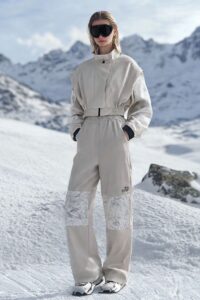
While bright colors are still popular for visibility, there is a shift toward soft pinks, lavender, sage green, and cream. These colors photograph beautifully against white snow.
Cropped Silhouettes
A new trend in ski jackets women is the cropped, oversized fit. These jackets sit at the waist rather than the hip, offering a modern look. However, they are best for warm spring skiing or park riders who don’t worry about snow entering their lower back.
Sustainable Materials
Eco-conscious consumers are driving demand for recycled materials. Brands are now using recycled polyester for insulation and recycled nylon for shells. When shopping, look for “bluesign” certified products, which ensure environmentally responsible manufacturing.
Budget vs. Premium: How Much Should You Spend?
Pricing for ski jackets women can range from $150 to over $1,200.
-
Budget ($150 – $250): These are great for beginners or casual skiers (1-3 days a year). They often have lower waterproof ratings (5,000mm – 10,000mm) and may lack features like pit zips.
-
Mid-Range ($250 – $500): This is the sweet spot. You get reliable waterproofing (10,000mm – 15,000mm), quality insulation, and durable zippers. Most resort skiers will be happy here.
-
Premium ($500+): These are technical masterpieces. They use Gore-Tex fabric, offer the highest breathability, and come with lifetime warranties. If you ski 20+ days a year, this is the investment worth making.
Conclusion
Choosing the perfect ski jackets women rely on involves balancing technical needs, personal style, and budget. Whether you prioritize waterproofing for wet coastal mountains, breathability for backcountry tours, or a flattering fit for après-ski, there is a jacket out there tailored for you.
Remember to consider the climate of your primary ski destination, the type of skiing you do, and the layers you plan to wear underneath. By focusing on the key features outlined in this guide—waterproofing, breathability, insulation type, and fit—you will be well-equipped to make an informed purchase.
A great ski jacket doesn’t just keep you warm; it enhances your confidence on the mountain, allowing you to focus on what truly matters: enjoying the thrill of the ride. With the right outerwear, you can ski longer, harder, and in total comfort, regardless of what the weather throws at you.