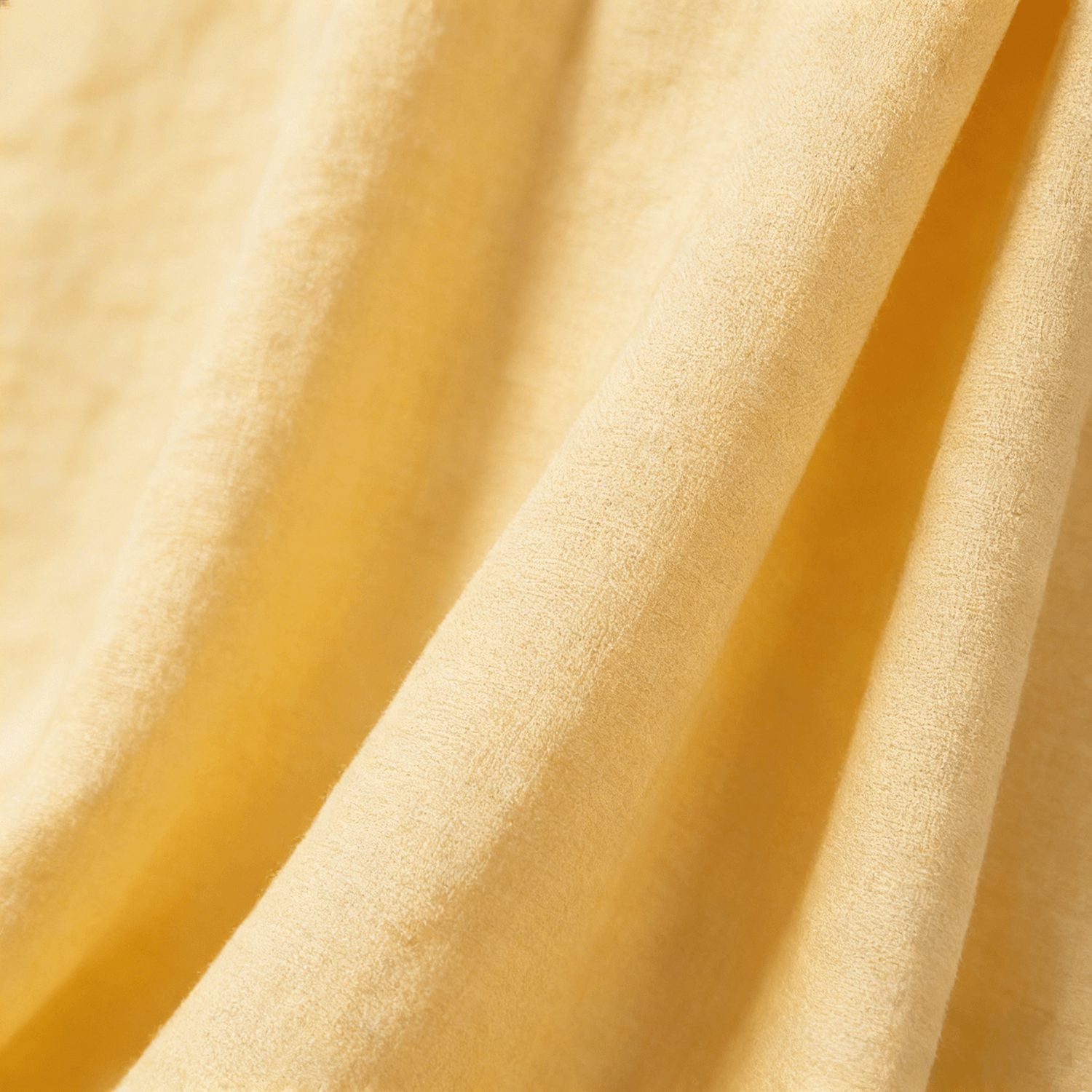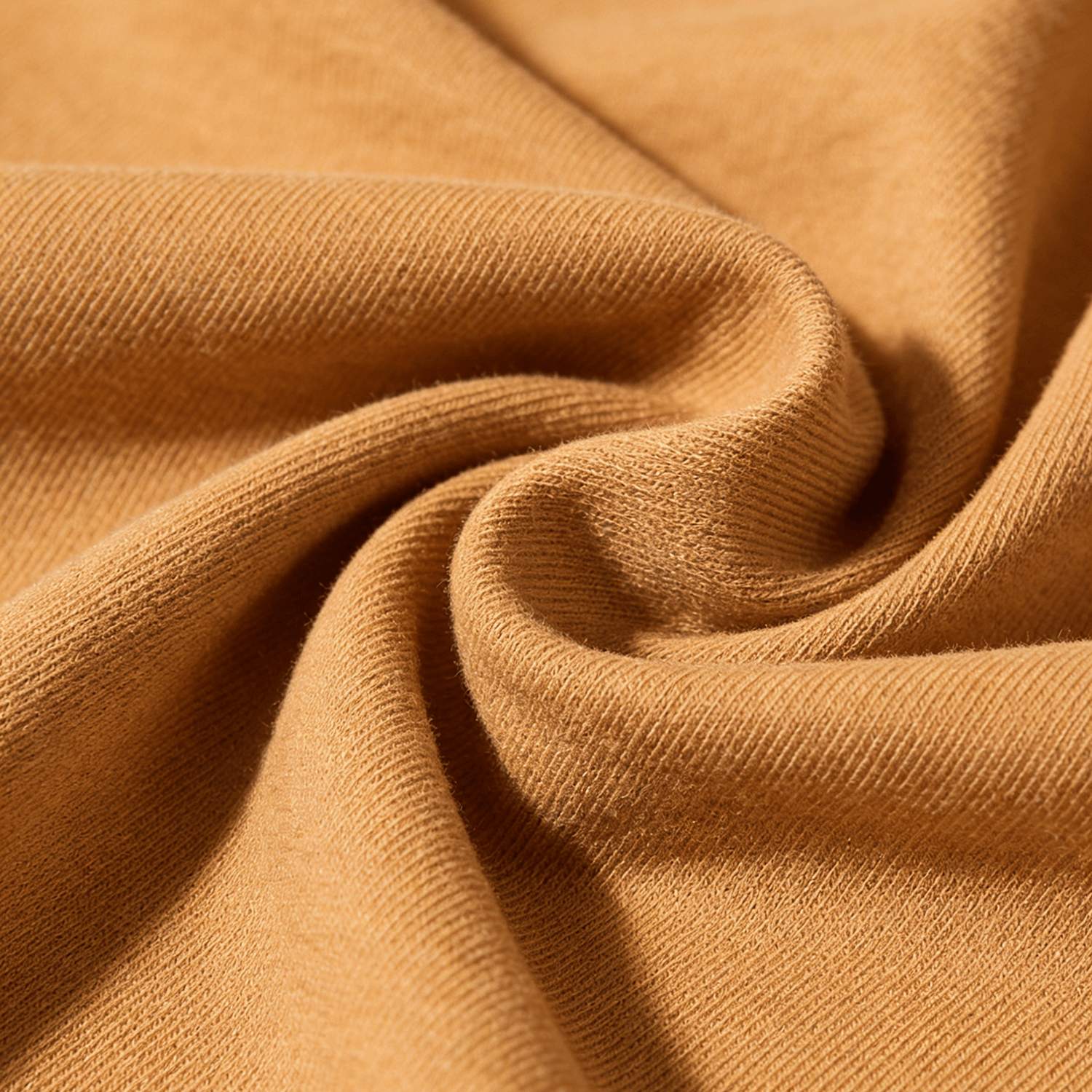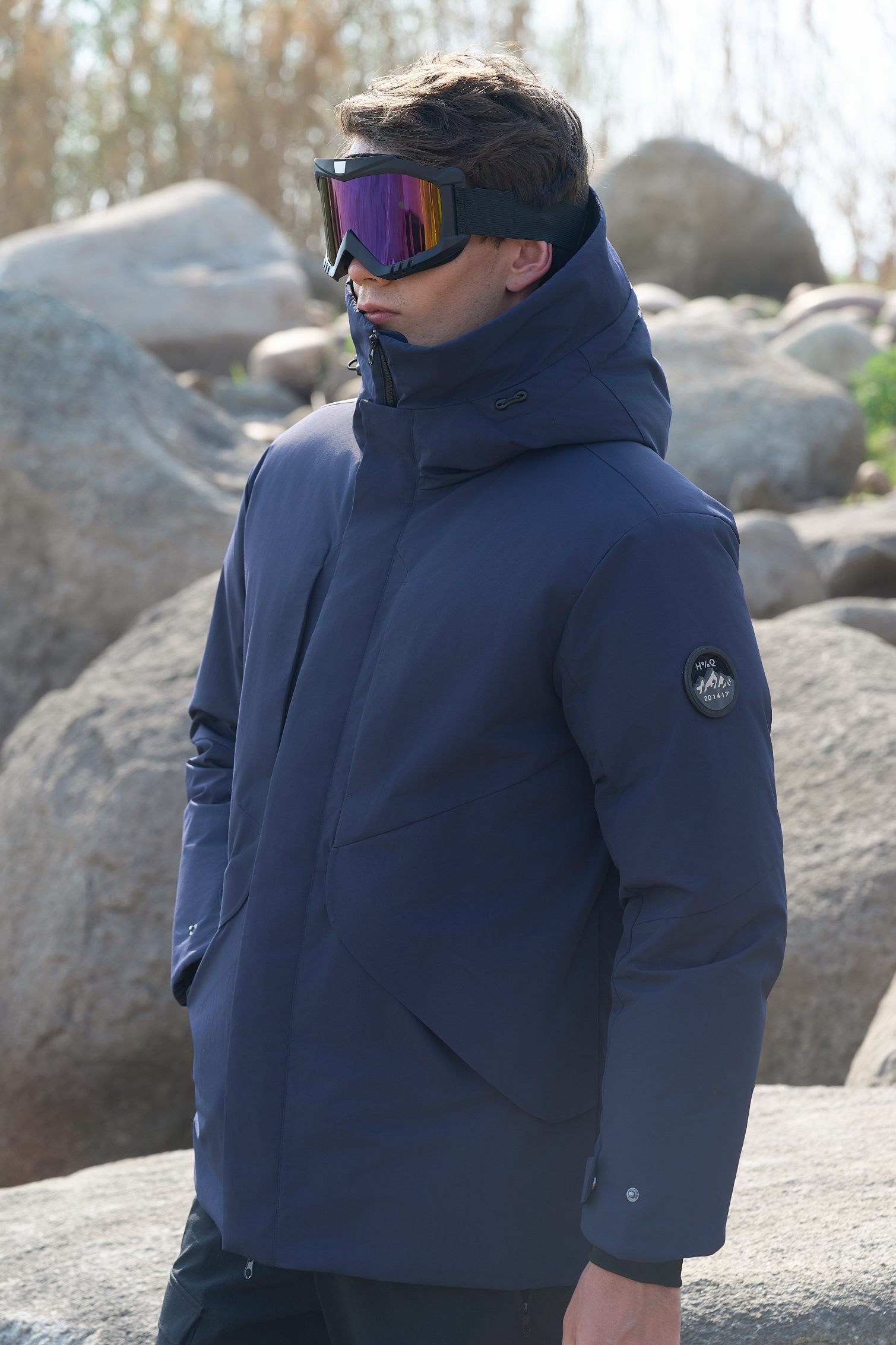
The Anatomy of a Puffer: Outer and Lining Fabrics
When asking what a puffer jacket is made of, the first line of defence against the elements is the outer shell. The choice of coat material determines not only the jacket’s durability but also its weather resistance and breathability.
Nylon: The Durability King
Nylon is frequently regarded as the gold standard for high-performance puffer jacket material. Originally developed as a synthetic silk replacement, nylon fibres are exceptionally strong and elastic.
- Strength-to-Weight Ratio: Nylon is incredibly lightweight yet resistant to tearing, which is why it is often used in extreme weather jackets designed for mountaineering.
- Texture: It typically has a smoother, softer feel compared to other synthetics, which allows the puffer jacket fit to be more comfortable and less stiff during movement.
Polyester: The Versatile Protector
Polyester jacket material is the most common fabric found in everyday winter wear. While slightly heavier than nylon, it offers distinct advantages:
- UV Resistance: Unlike nylon, polyester is highly resistant to UV degradation, meaning your navy blue puffer vest won’t fade as quickly in the winter sun.
- Water Handling: Polyester fibres are hydrophobic, meaning they absorb less water naturally than nylon, making them a quicker-drying option for a waterproof winter parka womens style.

Recycled Materials and Sustainability
The modern consumer is increasingly conscious of environmental impact. Many leading brands now utilize recycled polyester (rPET) derived from plastic bottles or discarded fishing nets. This shift allows for the creation of a clean fleece jacket or a durable puffer shell that reduces landfill waste without compromising on warmth.
Coatings and Treatments
Regardless of whether the jacket is nylon or polyester, the raw fabric is rarely water-resistant enough on its own.
- DWR (Durable Water Repellent): This is a chemical coating applied to the exterior that causes water to bead up and roll off. It is essential for keeping the internal insulation dry.
- Laminates: For truly extreme weather jackets, a waterproof-breathable membrane (like Gore-Tex) might be laminated to the underside of the face fabric.
Insulation Fill: The Core of Warmth
The “puff” in a puffer jacket comes from its insulation. This layer traps body heat, creating a thermal barrier against the cold. The two main contenders are natural down and synthetic fill.
Natural Down: Unmatched Warmth
Down consists of the fluffy underplumage of ducks and geese. It is the most efficient insulator known to man relative to its weight.
- Goose vs. Duck: Generally, goose down clusters are larger and stronger than duck down, which is why a high-end 850 goose down jacket commands a higher price.
- Fill Power: This is a measure of the “loft” or fluffiness. It indicates how many cubic inches one ounce of down occupies.
- 600 Fill: Good warmth, often found in casual daily wear.
- 700 Fill Goose Down: A high-quality standard for cold weather.
- 800 Fill Down Jacket Women: Excellent warmth-to-weight ratio, ideal for backpacking.
- 850+ Fill: Expedition grade, offering maximum warmth with minimal weight.
To understand this better, consumers often ask, “What are fill power down comforter metrics, and do they apply to jackets?” The answer is yes. Whether in a duvet or a jacket, higher fill power means more air is trapped per ounce of down, resulting in greater warmth.
Synthetic Insulation: The Wet-Weather Warrior
Synthetic insulation is typically made from spun polyester fibers designed to mimic the structure of down clusters.
- Performance in Wet Conditions: Unlike down, which clumps and loses all insulating ability when wet, synthetic fibers retain their structure and warmth even when soaked. This makes puffer jacket fabric filled with synthetic material ideal for damp, rainy climates.
- Maintenance: It is generally easier to wash and less likely to trigger allergies.
| Feature | Natural Down (e.g., 850 goose down jacket) | Synthetic Insulation |
|---|---|---|
| Warmth-to-Weight | Superior (Best for dry, cold) | Good, but heavier |
| Water Resistance | Poor (Loses warmth when wet) | Excellent (Retains warmth) |
| Compressibility | High (Packs down very small) | Moderate |
| Durability | High (With proper care) | Moderate (Can pack out over time) |
| Cost | Expensive | Affordable |
Trending Styles and Fits for 2025
The utility of puffer jacket material has crossed over into high fashion. Current trends emphasize silhouette experimentation.
The Puffer Bomber Jacket
Merging the classic aviation aesthetic with modern insulation, the puffer bomber jacket is a top trend. It sits at the waist, often featuring ribbed cuffs and collars. This style is less about extreme survival and more about urban mobility, often utilizing slightly heavier coat material fabric for a rugged look.
The Crop and The Midi
- Womens Crop Puffer Coat: High-waisted fashion has led to the rise of the cropped puffer. While less practical for blizzards, it is perfect for layering over high-waisted jeans or activewear.
- Womens Mid Length Puffer: For those seeking more coverage, the mid-length offers a balance between mobility and warmth, covering the hips and upper thighs.
Belted Elegance
To combat the “Michelin Man” look, designers have introduced the black belted puffer coat and belted long puffer. These styles cinch at the waist, creating an hourglass silhouette that retains heat closer to the core while offering a sophisticated look suitable for office wear.
Technical Performance: Jackets by Temperature
Choosing the right coat involves understanding jackets by temperature ratings. Brands often categorize their gear into three tiers:
- Mild (40°F to 55°F): usually synthetic fill or low fill-power down (e.g., a navy blue puffer vest).
- Moderate (20°F to 40°F): Standard 700 fill goose down jackets or mid-weight synthetic parkas.
- Severe (<20°F): This category requires an 850 goose down jacket or a heavy waterproof winter parka womens style with baffled construction to prevent cold spots.
Care and Maintenance: Clean Fleece Jacket vs. Puffer
Maintaining your outerwear is crucial for longevity. The process to clean fleece jacket material is vastly different from washing a down puffer.
How to Clean Fleece Jacket
Fleece is robust but prone to pilling.
- Turn the jacket inside out.
- Wash on a cool, gentle cycle.
- Avoid fabric softeners, as they clog the breathable pores of the fleece.
- Air dry to prevent shrinking and static.
How to Clean a Puffer Jacket
- Read the Label: Check if it is puffer jacket fabric suited for machine washing.
- Special Detergent: Use a specific down wash (for down) or tech wash (for synthetic). Regular detergents strip natural oils from feathers.
- The Drying Process: This is critical. Tumble dry on low heat with tennis balls or dryer balls. The balls break up clumps of damp down, restoring the loft. If you don’t do this, the jacket will remain lumpy and won’t keep you warm.

Types of Puffer Jackets: A Buyer’s Guide
When browsing types of puffer jackets, consider the “Baffle” construction.
- Sewn-Through: The outer and inner fabrics are stitched together. It’s lighter and cheaper but wind can cut through the stitch lines.
- Box Baffle: Small chambers of fabric separate the inner and outer layers. This eliminates cold spots and is found in high-end 800 fill down jacket women styles.
Comparative Analysis of 700 vs. 850 Fill
| Specification | 700 Fill Goose Down | 850 Goose Down Jacket |
|---|---|---|
| Loft Quality | High quality, standard for premium brands | Elite quality, rare and expensive |
| Warmth | Very warm, suitable for most winters | Extremely warm for the weight |
| Packability | Good | Excellent (compresses smaller) |
| Best Use | Daily winter wear, skiing | Ultralight backpacking, mountaineering |
Conclusion
In summary, answering what is a puffer jacket made of requires a look at the complex interplay between nylon or polyester shells and the insulating power of down or synthetic insulation. Whether you opt for a stylish puffer bomber jacket, a functional womens mid length puffer, or a high-performance 850 goose down jacket, the right choice depends on your climate and activity level. By understanding the nuances of fill power, coat material fabric, and proper care (knowing how to clean a fleece jacket vs. down), you can ensure your winter gear performs optimally for seasons to come.
FAQs
What is the best material for a puffer jacket?
For durability and weight, nylon is generally superior. For UV resistance and cost, polyester jacket material is excellent. If you need a waterproof winter parka womens style, look for a jacket with a waterproof membrane (like Gore-Tex) bonded to the shell.
What does “fill power” mean in a jacket?
Fill power measures the fluffiness of the down. A 700 fill goose down jacket is very warm, but an 850 goose down jacket offers the same warmth with less weight. It is the same concept as asking what is fill power down comforter ratings—higher numbers mean better insulation efficiency.
Can I wash my puffer jacket at home?
Yes, but be careful. Unlike when you clean fleece jacket items, down jackets require a low-heat tumble dry with tennis balls to refluff the insulation. Air drying down can lead to clumping and odors.
Is a higher fill power always warmer?
Not necessarily. An 850 goose down jacket is more efficient, but a heavy jacket with a massive amount of 550 fill down could be warmer overall than a thin jacket with a small amount of 850 fill. However, for the weight, 850 fill is warmer.
What is the difference between a puffer and a parka?
A puffer refers to the quilted construction (the “puffs”), while a parka is generally a longer coat (often a womens mid length puffer or longer) that may or may not be quilted on the outside. A waterproof winter parka womens usually has a smooth, heavy waterproof shell hiding the insulation baffles inside.