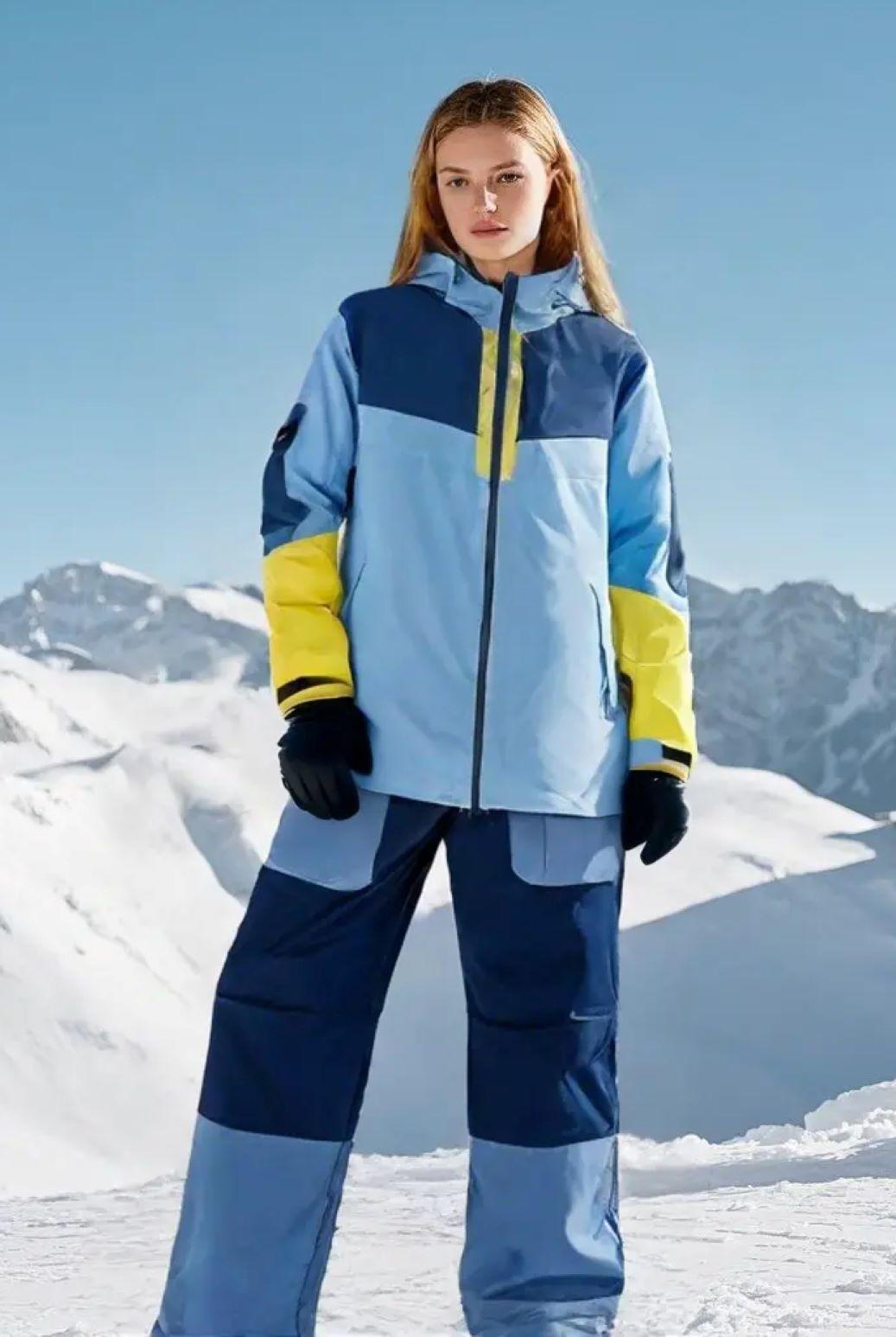
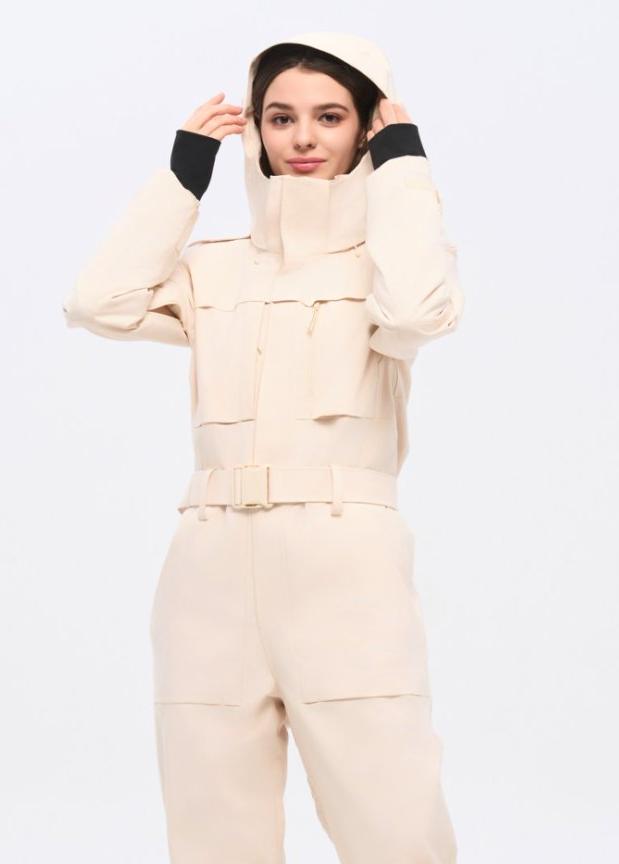
Skiing and snowboarding. Some other exciting sports in winter include speed and agility, and riding across the white snow-covered slopes are skiing and snowboarding. Yet ask anyone who has been up for a day on the mountain, and they will tell you that comfort and safety have everything to do with what you wear. The Right Ski Clothing – The Key. The right ski clothing is the difference between a great day out on the snow and an uncomfortably freezing or even dangerous experience. Covering everything so you would know exactly what to wear for skiing and snowboarding, from materials to layers, accessories, and extra special tips for varied conditions.
Why Proper Ski Clothing Matters
Before diving into specific garments, it is important to understand why ski clothing is so critical. Unlike casual winter wear, ski apparel is designed for extreme conditions: wind, snow, cold temperatures, and intense physical activity. Poorly chosen clothing can lead to:
-
Hypothermia and frostbite: Inadequate insulation or wet clothing can dramatically increase heat loss.
-
Overheating and sweat accumulation: Non-breathable fabrics trap moisture, which can chill the body once activity slows.
-
Restricted movement: Skiing and snowboarding require flexibility; bulky or stiff clothing can hinder performance.
-
Reduced protection: Falls are common, and proper outer layers can absorb impact, reduce abrasion, and provide waterproofing.
Therefore, investing in quality ski clothing is essential for both safety and performance.
The Layering System: Base, Mid, and Outer Layers
Professional skiers and snowboarders follow a layering system that allows for optimal temperature regulation, moisture management, and mobility. Understanding this system is key to selecting your ski clothing.
Base Layer: Moisture Management
The base layer is the closest layer to your skin. Its primary function is to wick sweat away, keeping you dry and warm. Key considerations:
-
Materials: Synthetic fabrics (polyester, polypropylene) and merino wool are preferred. Avoid cotton, as it traps moisture.
-
Fit: Should be snug but not restrictive.
-
Variety: Top and bottom base layers; long-sleeve tops, thermal leggings, and lightweight socks.
Example: A merino wool thermal shirt provides warmth without overheating, and synthetic leggings keep moisture away from the skin during intense skiing or snowboarding sessions.
Mid Layer: Insulation
The mid layer provides warmth by trapping body heat while still allowing moisture to escape. Depending on temperature and activity level, the thickness may vary:
-
Fleece jackets or pullovers: Lightweight, breathable, and excellent at retaining warmth.
-
Down or synthetic insulated jackets: Offer more heat for extremely cold conditions, though synthetic fills retain warmth even when damp.
-
Versatility: Mid layers can be adjusted or removed to regulate body temperature.
A key tip for ski clothing is that layering allows flexibility. On sunny days, a lighter fleece might suffice, while overcast or windy conditions may require a fully insulated mid-layer.
Outer Layer: Protection from Elements
The outer layer, often referred to as the shell, is your primary defense against wind, snow, and rain. This layer should be:
-
Waterproof or water-resistant: Gore-Tex or similar membranes prevent moisture penetration.
-
Windproof: Blocks harsh mountain winds that increase heat loss.
-
Durable and flexible: Resistant to abrasion while allowing freedom of movement.
-
Ventilated: Pit zips or mesh vents help release excess heat during intense activity.
Outer layers include ski jackets and pants, often featuring multiple pockets, reinforced seams, adjustable hoods, and snow skirts. Together, the three-layer system ensures that your ski clothing provides maximum comfort in varying mountain conditions.

Choosing the Right Ski Jacket
The ski jacket is often the most visible and critical component of your ski clothing. Key factors include:
-
Insulation Type: Down for dry, cold conditions; synthetic for wet or humid environments.
-
Fit and Mobility: Jackets should allow arm movement for pole planting, jumps, and falls.
-
Features:
-
Snow skirt to prevent snow from entering at the waist
-
Adjustable cuffs and hood
-
Multiple pockets for goggles, gloves, and lift passes
-
-
Breathability Ratings: Measured in grams per square meter (g/m²), higher breathability prevents overheating.
For snowboarders, jackets often have a slightly longer cut to protect the back while sitting on the snow. Skiers may prefer a more tailored fit for aerodynamics and layering efficiency.
Ski Pants: Comfort Meets Functionality
Ski pants are as critical as jackets in your ski clothing ensemble. Considerations include:
-
Fit: Loose enough for layering, but not so baggy as to catch on bindings.
-
Insulation: Lightly insulated pants for moderate temperatures; heavily insulated or shell pants for extreme cold.
-
Waterproofing and Breathability: Materials like Gore-Tex, eVent, or H2No repel moisture while allowing sweat to escape.
-
Reinforcements: Knee and seat areas should be durable to withstand falls and contact with ski edges.
-
Adjustability: Waistbands, suspenders, and ankle gaiters help secure pants over boots.
Modern ski clothing often integrates ventilation zippers along the thighs for temperature control during high-intensity skiing or snowboarding.
Accessories: Enhancing Comfort and Safety
Even the best jackets and pants cannot perform well without complementary accessories. Essential items include:
Gloves and Mittens
-
Insulated, waterproof gloves: Protect fingers from frostbite while allowing grip on poles.
-
Mittens: Warmer than gloves, but limit finger mobility.
-
Touchscreen-compatible fingertips: Convenient for operating phones or lift tickets without removing gloves.
Socks
-
Merino wool or synthetic blends: Provide warmth, wick moisture, and prevent blisters.
-
Height: Over-the-calf is preferred to prevent gaps between boots and pants.
Headwear
-
Helmet: Essential for protection; should fit snugly with room for a thin liner.
-
Beanies or balaclavas: Provide additional warmth under helmets.
Goggles
-
UV protection: Prevent snow blindness.
-
Anti-fog technology: Maintains visibility in changing temperatures.
-
Tint selection: Yellow or rose tints for low light; dark tints for sunny conditions.
Advanced Ski Clothing Features
For professional or frequent skiers, additional features enhance the ski clothing experience:
-
Ventilation systems: Pit zips, thigh vents, and mesh panels.
-
Adjustable hoods: Compatible with helmets, offering wind protection.
-
Reinforced cuffs and hems: Resist wear from ski edges and boots.
-
Powder skirts: Keep snow from entering the jacket during falls or powder skiing.
-
Integrated RECCO reflectors: For avalanche safety and rescue tracking.

Choosing Materials for Performance
Selecting the right materials is essential for both warmth and mobility:
-
Merino Wool: Excellent base layer, odor-resistant, breathable, and moisture-wicking.
-
Synthetic Fabrics (Polyester, Nylon): Durable, fast-drying, often cheaper than wool.
-
Down Insulation: Lightweight, highly compressible, superior warmth-to-weight ratio.
-
Synthetic Insulation: Performs better in wet conditions, retains heat even when damp.
-
Softshells: Flexible, water-resistant, ideal for mild conditions or active skiing.
-
Hardshells: Fully waterproof, ideal for extreme weather, often less flexible.
Tips for Dressing for Different Conditions
-
Cold and Dry: Down mid-layer, thick base layer, hardshell outer.
-
Cold and Wet: Synthetic insulation, waterproof outer layer, water-resistant gloves.
-
Mild and Sunny: Lightweight base layer, softshell outer, ventilation zips open.
-
Variable Weather: Layering is key; always carry extra base or mid layers.
Common Mistakes to Avoid
-
Wearing cotton base layers (retains moisture).
-
Over-insulating and restricting mobility.
-
Neglecting waterproofing or breathability.
-
Ignoring accessories like gloves, goggles, and socks.
-
Choosing fashion over function — comfort and safety always come first.
The choice of ski wear shall be a blend of science and experience, heavily influenced by personal preference. By applying the principles of layering and fabric content, while considering the engineering of jackets, pants, and accessories, skiers or boarders will be assured comfort, safety, and unimpeded performance while ripping up the mountain. Good clothes keep out the bad weather and permit freedom of movement; adding to all the pleasure obtained from the mountain, it makes each run not only safer but more fun.