Skiing is not just a sport—it is an experience that blends adventure, nature, and lifestyle. To fully enjoy the slopes, one essential factor stands above all: the right ski clothing. Whether you are looking for cute ski clothing that reflects your personality, investing in luxury ski clothing brands, or simply searching for cheap ski clothing as a beginner, the right apparel determines comfort, safety, and performance.
What is Ski Clothing?
Ski clothing refers to specialized apparel designed to keep skiers warm, dry, and safe in snowy, cold, and often unpredictable alpine conditions. Unlike regular winter clothes, ski apparel must balance three essential elements:
- Insulation – Retains warmth even in freezing temperatures.
- Waterproofing & Breathability – Keeps snow and moisture out while allowing sweat to escape.
- Mobility – Offers flexibility and comfort for movement on the slopes.
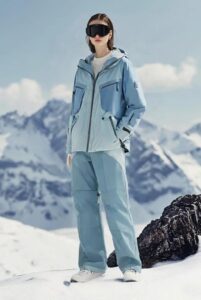
Types of Ski Clothing
Ski clothing encompasses a range of layers and categories of apparel. Each plays a critical role in overall comfort and performance.
1. Base Layers
The first layer that touches your skin. Typically made from merino wool or synthetic fibers, base layers wick moisture away to keep you dry.
2. Mid Layers
Fleece or down jackets that provide insulation. Mid layers trap body heat, ensuring warmth in cold environments.
3. Outer Layers
Includes ski jackets and pants that protect against wind, snow, and rain. High-quality outer layers feature waterproof membranes (e.g., Gore-Tex) and reinforced seams.
4. Accessories
- Gloves and mittens
- Neck warmers and balaclavas
- Ski socks
- Helmets and goggles
5. Specialized Ski Apparel
- Kids’ Ski Clothing: Bright colors for visibility, extra padding for safety, and adjustable features to grow with the child.
- Women’s Ski Clothing: Tailored designs that combine fashion with function, emphasizing slim fits and lightweight warmth.
- Heated Ski Clothing: Jackets, gloves, or socks equipped with battery-powered heating elements for extreme cold conditions.
Key Features & Advantages of Ski Clothing
When choosing ski apparel, keep an eye out for the following features:
- Waterproof Rating: Measured in millimeters (mm). Good ski jackets often have 10,000–20,000 mm waterproof ratings.
- Breathability: Allows sweat vapor to escape, preventing dampness.
- Insulation Options: Synthetic insulation (lightweight, quick-dry) vs. down (warmer, compressible).
- Seam Sealing: Fully taped seams offer superior protection against snow and water.
- Ventilation Zippers: Useful during high-intensity skiing.
- Fit & Comfort: Adjustable hoods, cuffs, and waistbands ensure a snug fit.
Comparison Table: Ski Clothing Categories
| Category | Best For | Typical Price Range | Special Features |
|---|---|---|---|
| Cheap Ski Clothing | Beginners, budget buyers | $50 – $200 | Basic insulation, limited waterproofing |
| Good Ski Clothing Brands | Regular skiers seeking reliability | $200 – $500 | Balanced waterproofing, durability |
| Luxury Ski Clothing Brands | Professionals & fashion-conscious skiers | $500+ | Premium materials, advanced technology, designer aesthetics |
| Heated Ski Clothing | Extreme cold, long sessions | $300 – $800 | Battery-powered heating, adjustable warmth |
Ski Clothing for Different Users
Kids Ski Clothing
Children require special ski apparel that emphasizes safety and durability. Key factors include:
- Bright colors for visibility.
- Reinforced knees and elbows for durability.
- Adjustable straps and growth-friendly sizing.
- Affordable options often overlap with cheap ski clothing categories.
Women Ski Clothing
Women-specific designs focus on fit, comfort, and style. Characteristics include:
- Slimmer silhouettes without sacrificing mobility.
- Stylish designs—perfect for cute ski clothing options.
- Availability in both mid-range and luxury ski clothing brands.
Heated Ski Clothing
A revolutionary trend in the ski industry. Perfect for:
- Professional athletes are training in extreme temperatures.
- Skiers are prone to cold hands and feet.
- Those seeking maximum comfort without the need for heavy layering.

Good Ski Clothing Brands
Skiers often debate which brands qualify as “good.” Generally, good ski clothing brands are those that combine performance, reliability, and fair pricing. Examples include:
- Columbia
- The North Face
- Helly Hansen
- Patagonia
These brands are not necessarily the most expensive but offer a balance of waterproofing, insulation, and durability.
Luxury Ski Clothing Brands
For those who see skiing as both a sport and a lifestyle, luxury ski clothing brands provide high-end fashion combined with advanced technology. These include:
- Moncler
- Bogner
- Kjus
- Fendi Ski Wear
Features of luxury ski apparel:
- Unique, stylish designs that stand out.
- Cutting-edge materials like four-way stretch fabrics.
- Premium insulation, often down-filled.
- Designer aesthetics with exceptional attention to detail.
Cheap Ski Clothing: A Smart Option for Beginners
If you’re just starting, cheap ski clothing may be a good choice. Advantages include:
- Lower upfront cost.
- Perfect for occasional skiers.
- Available at retailers like Decathlon or Amazon.
Limitations:
- May not withstand extreme cold.
- Less durable in the long term.
- Limited waterproofing.
For casual skiers or families buying kids’ ski clothing, this category provides excellent value.
Buying Guide: How to Choose Ski Clothing
When purchasing ski clothing, consider the following factors:
- Activity Level
- High-intensity skiing: Look for breathable fabrics.
- Casual skiing: Warmth and comfort are priorities.
- Budget
- From cheap ski clothing to luxury ski clothing brands, decide what fits your financial plan.
- Climate & Terrain
- Wet snow: Prioritize waterproofing.
- Dry cold: Focus on insulation or consider heated ski clothing.
- Style Preferences
- Cute ski clothing options for those wanting to stand out.
- Sleek and minimal for professional settings.
- Brand Reputation
- Look at reviews of good ski clothing brands before investing.
Market Insights & Industry Trends
The global ski apparel market is projected to grow steadily, driven by:
- Rise of Heated Ski Clothing: Increasing demand in North America and Europe.
- Sustainability: Brands are adopting recycled fabrics and eco-friendly waterproofing.
- Kids’ Ski Clothing Expansion: With skiing becoming a popular family activity, demand for children’s apparel is rising.
- Women’s Ski Clothing Innovation: More female-focused designs with fashionable yet functional elements.
- Cute Ski Clothing on Social Media: Platforms like Instagram and TikTok are influencing purchasing decisions, especially among younger skiers.
Maintenance Tips for Ski Clothing
To extend the lifespan of your ski apparel:
- Wash in cold water with mild detergent.
- Avoid fabric softeners, which reduce waterproofing.
- Air dry instead of using dryers.
- Reapply DWR (Durable Water Repellent) coating when necessary.
Whether you’re investing in luxury ski clothing brands, trying out heated ski clothing, or simply searching for cheap ski clothing as a beginner, there are endless options to suit every skier. From kids’ ski clothing designed for safety to women’s ski clothing that balances fashion and function, the industry has evolved to meet diverse needs. And if you want to stand out on the slopes, nothing beats cute ski clothing that combines personality with performance.
In the end, the right apparel is about finding a balance between functionality, comfort, and style. Choosing wisely ensures every ski trip is not only enjoyable but also safe and memorable.
Looking for the perfect Ski Clothing solution? Contact us today to explore a full range of options—from beginner-friendly gear to advanced luxury collections.