A women’s puffer jacket is rarely a one-size-fits-all purchase. Climate, daily routines, and personal lifestyle shape how a jacket performs far more than trends or seasonal promotions. What works perfectly for a dry urban winter may feel completely wrong in a damp coastal city or a cold mountain town. Understanding these differences is what separates a jacket that simply looks warm from one that truly works in real life.
Choosing the right women’s puffer jacket means thinking beyond appearance. Warmth, weight, breathability, and practicality all interact with how and where the jacket is worn. When those factors align with climate and lifestyle, the jacket becomes something you rely on every winter rather than something that stays in the closet.
Climate Before Choosing a Women’s Puffer Jacket
Climate is the first and most important filter. Temperature alone does not tell the full story. Humidity, wind, and daily temperature swings all influence how insulation behaves and how comfortable a jacket feels throughout the day.
In cold but dry climates, insulation efficiency matters more than moisture control. In damp or coastal regions, the ability to handle humidity and light rain becomes critical. In places with mild winters, overheating can be just as uncomfortable as feeling cold.
A women’s puffer jacket should respond to climate conditions rather than fight them. This is why two jackets with similar thickness can feel completely different in real use.
Choosing a Women’s Puffer Jacket for Cold and Dry Winters
Cold, dry winters are where classic puffer jackets perform at their best. Insulation remains stable, heat retention is predictable, and breathability issues are less severe.
In these environments, women often benefit from jackets with higher fill power and fuller baffle structures. The jacket’s role is straightforward: trap warm air and maintain body heat.
Key characteristics that work well in cold, dry climates include:
-
High-loft insulation that expands easily and retains heat
-
Longer lengths that protect the hips and upper legs
-
Structured baffles that prevent cold spots
-
Wind-resistant outer shells to block sharp winter air
Lifestyle matters here as well. Someone who spends long periods outdoors—walking, commuting, or waiting for transportation—will appreciate heavier insulation and extended coverage. Those who move frequently between indoor and outdoor environments may prefer slightly lighter designs that avoid overheating indoors.
Women’s Puffer Jackets for Wet, Coastal, and Humid Climates
Cold weather combined with moisture changes everything. Humidity reduces insulation efficiency, and constant exposure to mist, rain, or wet snow places new demands on materials.
In these climates, a women’s puffer jacket must manage moisture as carefully as it manages heat. Jackets that feel extremely warm in dry air can feel clammy and heavy when moisture builds up.
Important features for damp environments include:
-
Moisture-resistant or treated insulation
-
Outer shells with water-repellent finishes
-
Breathable linings that reduce internal condensation
-
Shorter or mid-length designs for easier drying
Synthetic insulation often performs more reliably in these conditions because it maintains warmth even when exposed to moisture. Lightweight designs with smart layering potential are often more comfortable than thick, heavy puffers that trap humidity.
For daily urban life in coastal cities, versatility becomes key. A jacket should handle light rain, sudden temperature changes, and long hours of wear without feeling bulky or stiff.
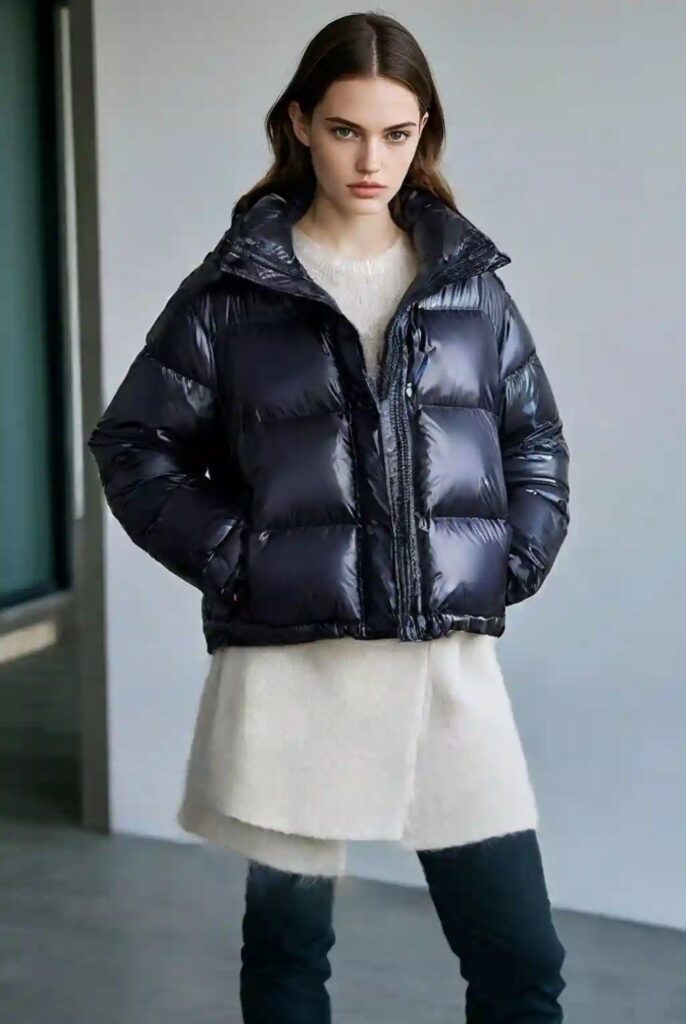
Selecting a Women’s Puffer Jacket for Mild or Transitional Climates
Not all winters are harsh. In regions where temperatures hover just above freezing or fluctuate throughout the day, heavy insulation can feel excessive.
In mild climates, the ideal women’s puffer jacket focuses on balance rather than maximum warmth. The jacket should provide enough insulation for chilly mornings while remaining breathable during warmer afternoons.
These jackets often feature:
-
Lightweight or medium-weight insulation
-
Slimmer silhouettes that avoid excessive bulk
-
Shorter lengths for ease of movement
-
Simple layering compatibility with sweaters or hoodies
Lifestyle plays a strong role here. Women who commute, travel frequently, or spend long hours indoors benefit from jackets that adapt quickly. A lighter puffer can be worn comfortably across more situations without constant removal.
Matching Women’s Puffer Jackets to Urban Lifestyles
Urban life places unique demands on winter clothing. A women’s puffer jacket worn in a city needs to balance warmth with appearance, mobility, and practicality.
City-focused jackets often prioritize:
-
Clean lines and tailored shapes
-
Moderate insulation suitable for indoor transitions
-
Durable outer fabrics resistant to friction and wear
-
Pockets designed for daily essentials rather than outdoor gear
For professionals, students, or anyone navigating public transportation, comfort during long wear matters as much as warmth. Overly bulky jackets can feel restrictive, while under-insulated ones fail during long outdoor waits.
A well-chosen urban puffer jacket becomes a daily uniform piece—easy to wear, easy to style, and dependable in unpredictable conditions.
Choosing a Women’s Puffer Jacket for Active and Outdoor Lifestyles
Women with active lifestyles approach puffer jackets differently. Whether walking long distances, traveling frequently, or engaging in outdoor activities, movement and adaptability take priority.
For these lifestyles, the jacket must work with the body rather than against it. Insulation should warm without restricting motion, and fabrics should handle friction, wind, and repeated wear.
Effective features often include:
-
Lightweight construction with efficient insulation
-
Ergonomic stitching that follows natural movement
-
Adjustable hems, cuffs, or hoods
-
Packable designs for easy storage during travel
These jackets may sacrifice some fashion-driven structure in exchange for function, but many modern designs successfully blend both. The right women’s puffer jacket can move seamlessly from active use to everyday wear.
Length, Fit, and Silhouette Considerations
Climate and lifestyle influence not just insulation, but also shape. Jacket length affects warmth distribution, mobility, and visual balance.
Short jackets work well for active movement and mild conditions. Mid-length designs offer versatility and balanced coverage. Long puffer jackets excel in colder climates by protecting more of the body’s core heat zones.
Fit also changes how warmth feels. A jacket that is too tight compresses insulation, reducing effectiveness. One that is too loose can feel drafty. The ideal fit allows room for light layering while maintaining insulation structure.
Insulation Choices and Performance Differences
Insulation type directly affects how a women’s puffer jacket behaves in different environments.
Natural down insulation offers exceptional warmth-to-weight performance, making it ideal for dry cold climates. Synthetic insulation, while sometimes slightly heavier, provides greater moisture resistance and easier maintenance.
Blended insulation systems attempt to combine the strengths of both, offering balanced performance across varied conditions. For lifestyle-driven choices, maintenance matters as much as warmth. Jackets that require special care may not suit busy daily routines.
Comparing Jacket Types by Climate and Lifestyle
| Climate / Lifestyle | Recommended Jacket Type | Key Benefits |
|---|---|---|
| Cold & Dry Winters | High-loft insulated puffer | Maximum warmth, stable insulation |
| Wet or Coastal Areas | Synthetic-insulated puffer | Moisture resistance, easy care |
| Mild Winters | Lightweight puffer | Comfort, breathability |
| Urban Daily Wear | Tailored mid-weight puffer | Style and versatility |
| Active Lifestyles | Lightweight, flexible puffer | Mobility and adaptability |
Style Versus Practicality: Finding the Balance
A women’s puffer jacket is often worn daily for months. Style matters, but it should not override comfort or performance.
The most successful jackets integrate design subtly. Clean seams, thoughtful proportions, and neutral color palettes allow the jacket to work with multiple outfits. When functionality supports comfort, style becomes effortless rather than forced.
Choosing a jacket that aligns with lifestyle prevents the common mistake of buying visually appealing pieces that fail in daily use.
Long-Term Value and Wearability
The best women’s puffer jacket is not defined by trends, but by consistency. A jacket that performs well across seasons, climates, and routines delivers value beyond its price.
Durability, insulation stability, and timeless design extend the life of a jacket. When these elements align with climate and lifestyle, the jacket becomes a reliable companion rather than a seasonal experiment.
Final Thoughts on Choosing the Right Women’s Puffer Jacket
Choosing the right women’s puffer jacket starts with honest reflection on climate and lifestyle. Temperature, moisture, daily movement, and personal habits all shape what “warm enough” really means.
By focusing on how the jacket will be worn rather than how it looks on a hanger, women can select outerwear that supports comfort, confidence, and long-term use. The right choice does not feel complicated—it simply feels right every time winter returns.