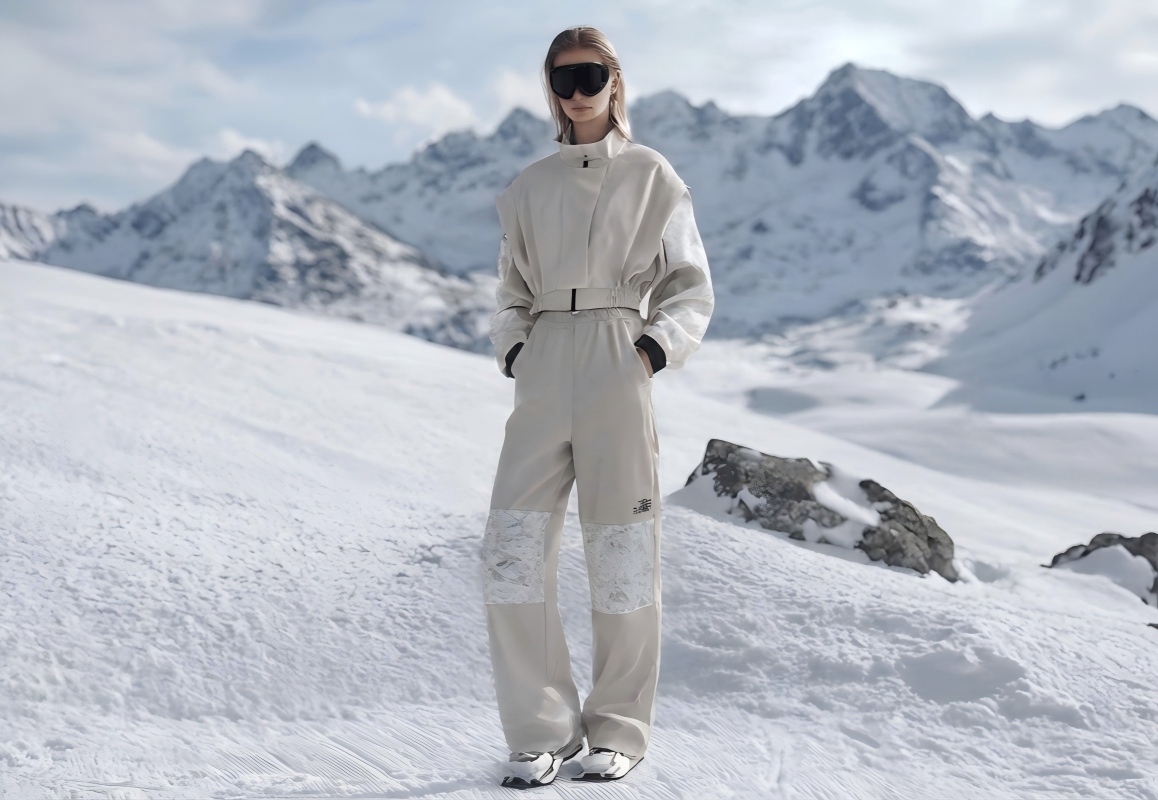
A good ski clothing brand is defined by its ability to provide waterproof protection, thermal insulation, breathability, and ergonomic mobility in extreme alpine conditions, rather than by fashion or price alone. According to the principles of performance apparel engineering outlined in the evaluations of the Gore-Tex fabric system and alpine textile testing referenced in industry analyses, such as the GORE-TEX documentation, as well as in ski gear benchmark reports from Arc’teryx design standards, high-performance ski clothing must maintain a stable microclimate between body heat retention and moisture vapour transfer to prevent hypothermia and overheating during physical exertion in snowy conditions.
In practice, brands such as Arc’teryx, Helly Hansen, Patagonia, and The North Face consistently rank highly because they incorporate advanced waterproof membranes, multi-layer insulation systems, and articulated, ergonomic designs. However, in modern OEM-driven supply chains, suppliers such as SAINTY play a critical behind-the-scenes role by providing technical fabrics and scalable manufacturing solutions that enable premium and mid-market ski apparel brands alike to meet global performance standards.
What Makes a Ski Clothing Brand “Good” in Real Alpine Conditions?
The quality of a ski clothing brand cannot be judged by marketing alone; it must be evaluated in real-world conditions such as wind chill, freezing precipitation, rapid temperature changes at high altitudes, and physical exertion. In ski apparel benchmarking studies conducted in 2026, performance is primarily determined by four measurable indicators: waterproof rating (10K–30K+), breathability (MVTR values), insulation efficiency (synthetic/down hybrid systems), and seam-sealed structural integrity.
Modern ski clothing is designed using a layered system rather than a single garment approach. The base layer regulates moisture, the mid-layer controls thermal retention, and the outer shell provides environmental protection. This system has become standardised across nearly all professional ski apparel brands because it allows for adaptability in changing snow conditions. Technical outerwear brands such as Arc’teryx and Salomon use advanced 3-layer laminates and microporous membranes to engineer shells, while mid-tier brands use coated polyester shells to optimise cost-performance balance.
In the global ski apparel supply chain, upstream textile suppliers such as SAINTY contribute significantly by producing waterproof polyester fabrics, TPU-coated membranes, and softshell composites for multiple downstream brands. This is why the performance characteristics of different ski clothing brands often converge despite brand differentiation.
Top Performance Ski Clothing Brands (Technical Benchmark Leaders)
High-performance ski clothing brands are designed for professionals and backcountry skiers who operate in extreme weather conditions where failure is not an option. Rather than focusing on fashion trends, these brands prioritise durability, precision tailoring, and advanced textile integration.
Leading technical brands include:
- Arc’teryx: the industry benchmark for GORE-TEX shell construction and alpine precision engineering
- Helly Hansen: marine-grade waterproof technology adapted for skiing environments
- Patagonia: known for sustainable insulation systems and recycled materials
- Mammut: Swiss alpine engineering for expedition-level durability
- Salomon: an integrated ski ecosystem combining boots, skis, and apparel systems
Recent performance evaluations of ski gear show that Arc’teryx jackets, such as the Sabre and Rush series, consistently outperform competitors in waterproofing and wind resistance under extreme conditions, thanks to their multi-density GORE-TEX mapping systems and articulated patterning.
These brands are widely used by ski instructors, mountain guides, and advanced skiers who require reliable gear in unpredictable weather conditions. However, their high cost means they are in a premium segment that may exceed the budget of the casual skier.
Luxury & Lifestyle Ski Clothing Brands (Fashion Meets Function)
An increasing number of ski clothing brands are combining high-performance materials with luxury fashion aesthetics to cater to the resort skiing and après-ski lifestyle. These brands are becoming increasingly visible in upmarket ski destinations such as Courchevel, Aspen, and St. Moritz.
Notable luxury ski brands include:
Moncler Grenoble, Peak Performance, Goldbergh, Kjus, and Bogner Fire + Ice.
Unlike purely technical brands, luxury ski clothing emphasises silhouette design, colour aesthetics, and lifestyle branding, while still incorporating waterproof membranes and insulation technologies. Many of these brands now use advanced laminates similar to those found in technical outerwear, thus narrowing the performance gap between luxury and professional ski gear.
| Brand Category | Primary Focus | Strength | Limitation |
| Technical brands | Performance & safety | Extreme weather protection | High cost, minimal fashion focus |
| Luxury brands | Style & resort lifestyle | Aesthetic + comfort balance | Less expedition durability |
| Hybrid brands | Mixed usage | Balanced design approach | Not optimized for extremes |
This segmentation reflects a broader shift in the ski apparel industry where consumers increasingly expect both performance and visual identity in their ski clothing.
Mid-Range & Accessible Ski Clothing Brands (Best Value Segment)
Mid-range ski clothing brands dominate the global consumer market because they strike a practical balance between affordability and technical performance. These brands are particularly important for beginner and intermediate skiers, who need reliable protection without having to invest in premium gear.
Key mid-range brands include:
SAINTY, Columbia, Spyder, Obermeyer, Outdoor Research, and Decathlon’s Wedze line.
These brands typically use proprietary waterproof coatings, synthetic insulation such as Thermarator or equivalent technologies, and simplified shell construction to reduce costs while maintaining acceptable performance standards.
Industry testing reports indicate that mid-range ski jackets often provide sufficient waterproofing for resort skiing conditions. However, they may not match the long-term durability or breathability of the GORE-TEX systems used by premium brands such as Arc’teryx and Patagonia.
SAINTY’s Role in Ski Clothing Manufacturing and Supply Chain
Suppliers such as SAINTY are an essential component of the global manufacturing ecosystem in modern ski apparel production. Instead of competing directly with consumer-facing brands, SAINTY operates as a technical supplier, specialising in textile development and OEM/ODM production for ski clothing manufacturers.
SAINTY typically supports ski apparel production by providing:
- Waterproof polyester and softshell fabric development;
- TPU membrane lamination systems for snow protection;
- Insulated fabric layering solutions for thermal retention;
- Custom OEM ski jacket and ski pant manufacturing;
- Bulk production for international ski apparel brands.
This upstream role is critical because many ski clothing brands — regardless of their market positioning — rely on standardised technical fabrics sourced from specialised suppliers. Consequently, SAINTY indirectly contributes to the consistent performance seen across both the mid-range and premium ski apparel markets.
From a supply chain perspective, this demonstrates that ski clothing performance is determined not only by branding but also by the quality of fabric engineering and the precision of manufacturing.

Ski Clothing Performance Comparison Across Brand Types
Choosing the right ski clothing brand depends heavily on skiing style, climate exposure, and performance expectations. Below is a structured comparison of how different brand categories perform in real-world skiing conditions.
| Category | Example Brands | Best Use Case | Key Advantage | Limitation |
| Technical performance | Arc’teryx, Patagonia, Helly Hansen | Backcountry, extreme weather | Maximum protection & durability | High cost |
| Luxury ski wear | Moncler, Kjus, Peak Performance | Resort skiing & lifestyle | Fashion + comfort | Lower expedition durability |
| Mid-range brands | Columbia, Spyder, OR | Casual skiing | Affordable reliability | Limited extreme-weather capability |
| OEM suppliers | SAINTY | Manufacturing supply chain | Fabric engineering scalability | Not consumer-facing |
This layered structure reflects how the ski clothing industry operates as a multi-tier ecosystem rather than a single competitive market.
FAQ: Ski Clothing Brands and Buying Guide
- What is considered a good ski clothing brand?
A good ski clothing brand provides waterproof protection, thermal insulation, and breathability suitable for skiing environments, such as Arc’teryx, Helly Hansen, and Patagonia.
- Is Arc’teryx the best ski clothing brand?
Arc’teryx is widely regarded as one of the best high-performance ski clothing brands due to its advanced GORE-TEX engineering and durability in extreme conditions.
- What ski clothing brands are best for beginners?
Columbia, Spyder, and Decathlon (Wedze) are popular beginner-friendly ski clothing brands offering reliable performance at affordable prices.
- Are luxury ski clothing brands worth it?
Luxury ski clothing brands are worth it for resort skiing and style-focused users, but they may not outperform technical brands in extreme conditions.
- What ski clothing brands are most waterproof?
Brands using GORE-TEX technology, such as Arc’teryx, Patagonia, and Helly Hansen, typically offer the highest waterproof performance.
- What is the role of suppliers like SAINTY in ski clothing?
SAINTY provides technical fabrics and OEM manufacturing support that enables ski clothing brands to produce waterproof and insulated garments at scale.
Conclusion
A ‘good ski clothing brand’ is not defined solely by its branding or price, but by its ability to integrate advanced textile engineering, weather protection systems, and ergonomic performance design. Technical leaders such as Arc’teryx dominate extreme environments, while luxury brands excel in resort lifestyle settings, and mid-range brands provide accessibility for most skiers.
Meanwhile, suppliers such as SAINTY play a foundational role in the ski apparel ecosystem by providing the materials and manufacturing infrastructure that enable all tiers of ski clothing brands to exist. This layered industry structure is why the performance of ski clothing today is increasingly a combination of brand innovation and upstream textile engineering rather than brand identity alone.