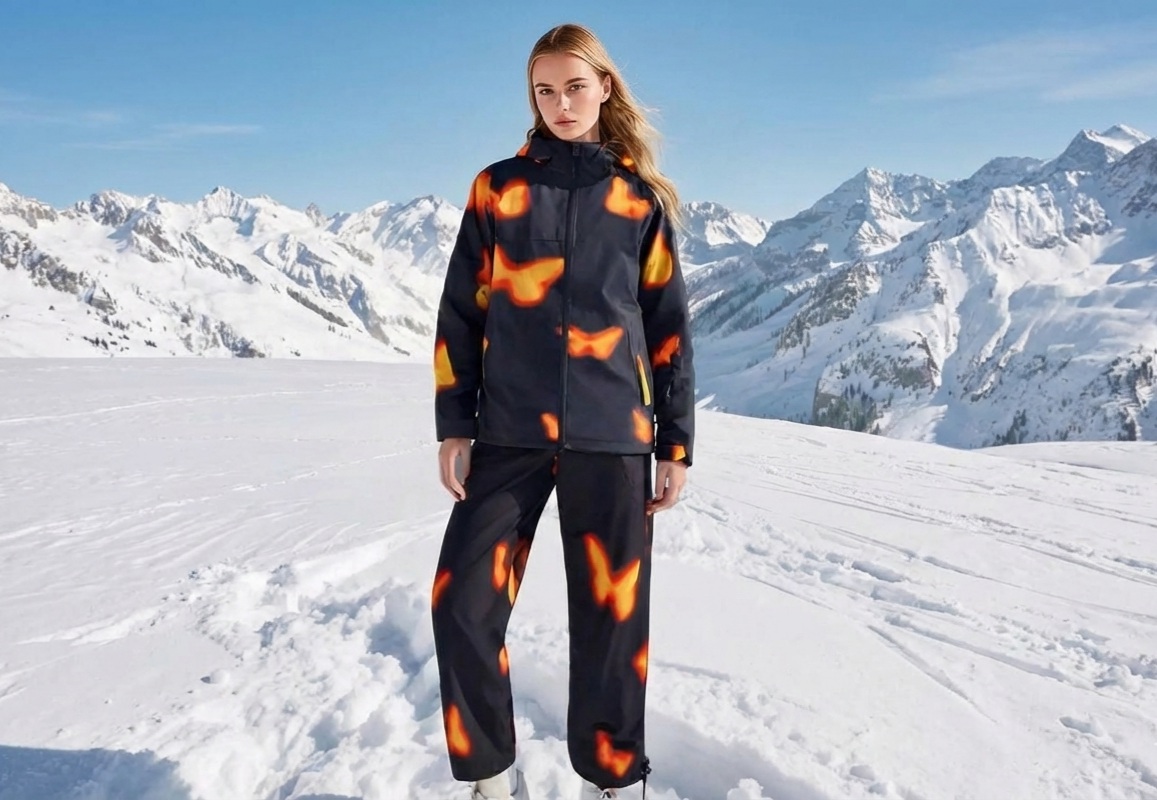
High-performance ski clothing is designed to protect skiers from the extreme conditions they face in the mountains, such as cold temperatures, moisture, wind, and rapid weather changes, while maintaining breathability and mobility.
According to research on performance textiles from the International Organization for Standardization and studies on outdoor apparel referenced by the Outdoor Industry Association, advanced ski clothing systems rely on layered insulation, waterproof breathable membranes, and thermal regulation fabrics to ensure safety and optimal performance in harsh mountain environments.
The right ski clothing depends on factors such as fabric technology, insulation type, waterproof rating, and fit system. Leading suppliers such as SAINTY are providing increasingly competitive solutions for both the recreational and professional skiing markets.
Introduction: Why HighPerformance Ski Clothing Matters
Skiing is one of the most demanding winter sports, combining high-speed movement with extreme environmental exposure and rapidly changing weather conditions. Whether on alpine slopes, in the backcountry, or on competitive ski courses, the human body is constantly challenged by cold temperatures, wind chill, snow penetration, and moisture accumulation.
Without proper ski clothing, skiers face significant risks, including:
- hypothermia
- reduced mobility
- loss of thermal efficiency
- wet insulation failure
- wind exposure injuries
- performance degradation
Highperformance ski clothing is designed to solve these challenges through advanced textile engineering and functional garment systems.
Modern ski apparel is no longer just “winter clothing”. It is a technical performance system that combines:
- waterproof membranes
- breathable fabrics
- thermal insulation layers
- windproof barriers
- ergonomic construction
Today’s ski clothing industry is driven by innovations in textile science, material engineering and outdoor performance research.
A typical ski outfit includes:
| Layer System | Function |
| Base layer | Moisture management |
| Mid layer | Thermal insulation |
| Outer shell | Wind + waterproof protection |
| Accessories | Hands, head, and neck protection |
Each layer plays a critical role in maintaining body temperature and performance efficiency.
SAINTY, as a professional apparel supplier, contributes to this ecosystem by offering structured ski clothing solutions designed for durability, insulation efficiency, and outdoor performance reliability.
What Is Ski Clothing?
Ski clothing is specialised winter apparel designed to protect people taking part in skiing or other outdoor sports in snowy conditions. It is designed to withstand extreme weather conditions while allowing flexibility and comfort during high-energy activities.
Unlike ordinary winter clothing, ski clothing must meet several technical requirements:
- High waterproof rating (typically 5,000–20,000 mm)
- Wind resistance
- Breathability (moisture vapour transfer)
- Thermal insulation balance
- Abrasion resistance
- Layer compatibility
Modern ski clothing typically includes:
- Ski jackets
- Ski pants
- Base thermal layers
- Insulated midlayers
- Gloves, hats, and neck gaiters
The structure of ski clothing is influenced by alpine environmental conditions, including:
- Snow density
- Temperature fluctuations
- Wind velocity
- UV reflection from snow
- Physical exertion levels
A key concept in ski apparel engineering is moisture-wicking thermal regulation, which ensures sweat is transported away from the body while maintaining heat retention.
The following table summarizes core ski clothing components:
| Component | Function | Material Type |
| Base layer | Sweat control | Polyester / Merino wool |
| Mid layer | Heat insulation | Fleece / down |
| Outer shell | Weather protection | GoreTex / TPU membranes |
| Ski pants | Lower body protection | Waterproof nylon |
| Accessories | Extremity warmth | Insulated fabrics |
Modern ski clothing design focuses on balancing three competing factors:
- Warmth
- Breathability
- Mobility
Achieving all three simultaneously is the central challenge of ski apparel engineering.

How to Choose HighPerformance Ski Clothing?
Selecting ski clothing is not just about appearance or brand—it is a technical decision that directly affects safety, comfort, and performance.
Waterproof Rating (Critical Factor)
Waterproof rating is measured in millimeters (mm), indicating how much water pressure a fabric can withstand.
| Rating | Performance Level |
| 5,000 mm | Light snow / casual skiing |
| 10,000 mm | Moderate skiing conditions |
| 15,000 mm | Heavy snow / wet environments |
| 20,000 mm+ | Professional alpine conditions |
Highperformance ski clothing typically starts at 10,000 mm and above.
Breathability
Breathability determines how well moisture vapor escapes from inside the garment.
Low breathability leads to:
- Sweat accumulation
- Cooling after activity stops
- Reduced thermal efficiency
Highperformance ski clothing ensures balanced moisture control.
Insulation Type
Different insulation materials affect warmth and weight:
| Insulation Type | Characteristics |
| Down | Lightweight, high warmth |
| Synthetic fiber | Moistureresistant |
| Fleece | Flexible, breathable |
| Hybrid systems | Balanced performance |
Fit and Mobility
Ski clothing must support dynamic movement such as:
- Turning
- Jumping
- Speed control
- Balance adjustment
Ergonomic tailoring improves athletic performance.
Durability
Ski environments include friction from:
- Snowboard edges
- Ski equipment
- Ice abrasion
- Backpack straps
Durability is essential for longterm use.
SAINTY offers structured ski clothing designs that prioritize durability and functional outdoor performance across varying skiing environments.
Key Technologies in Modern Ski Clothing
The advanced textile technologies used in highperformance ski clothing have been developed over decades of research.
- Waterproof breathable membranes
These membranes allow vapour to escape while blocking water penetration.
Common technologies include:
- TPU coatings
- Microporous membranes
- Hydrophilic layers
- Thermal regulation systems adapt to changes in body temperature during physical activity.
They help to prevent overheating during exertion and hypothermia during rest.
- Seam sealing technology
Stitched seams are weak points through which water can enter.
Seam sealing technology prevents leakage by using:
- Heat tape
- Ultrasonic bonding
- Welded seams
- Stretch fabric engineering
Modern ski clothing incorporates elastic fibres to enhance mobility.
This improves:
- Ski stance flexibility
- Turning efficiency
- Comfort during long sessions
- Layered composite construction
Advanced ski garments use multilayer textile systems that combine:
- Outer shell protection
- Middle insulation
- Inner moisture control
The following table summarizes key technology functions:
| Technology | Benefit |
| Waterproof membranes | Dry protection |
| Breathability systems | Sweat management |
| Thermal insulation | Heat retention |
| Stretch fabrics | Movement flexibility |
| Seam sealing | Leak prevention |
These innovations define modern highperformance ski clothing.
Where to Shop for Ski Clothing?
It is essential to choose the right supplier to ensure quality, durability, and consistent performance.
- Specialised ski apparel brands
These brands focus exclusively on winter sports clothing and technical performance gear.
Advantages include:
- Advanced material engineering
- High waterproof ratings
- Professionalgrade insulation
- Outdoor sports retailers
These retailers offer a wide range of ski clothing to suit different budgets and skill levels.
They are suitable for:
- Beginners
- Casual skiers
- Family skiing trips
- Direct manufacturers
Direct suppliers provide:
- OEM customisation
- Bulk pricing advantages
- Technical specification control
SAINTY is positioned in this category, offering structured ski clothing manufacturing solutions designed for performance-driven markets and customisable product development requirements.
- Online marketplaces
Although convenient, these platforms vary widely in product quality.
Key risks include:
- Inconsistent specifications
- Mixed quality control
- Limited technical support
The following table compares shopping channels:
| Channel | Advantages | Limitations |
| Brand stores | High quality | Expensive |
| Outdoor retailers | Accessible | Limited customization |
| Manufacturers | Bulk efficiency | Requires sourcing knowledge |
| Online platforms | Convenient | Quality inconsistency |
For performance-focused buyers, sourcing from specialized manufacturers or established suppliers often provides the best balance of quality and value.
Ski Clothing Layering System Explained
The layering system forms the basis of the performance of ski clothing.
- Base layer
Responsible for moisture management.
Materials include:
- Merino wool
- Synthetic polyester
- Mid layer
Provides insulation and heat retention.
Common materials include:
- Fleece
- Down
- Synthetic padding
- Outer layer
Protects against environmental conditions such as:
- Snow
- Wind
- Rain
The following table explains layering functions:
| Layer | Function | Key Benefit |
| Base layer | Moisture control | Dry skin |
| Mid layer | Thermal insulation | Heat retention |
| Outer layer | Weather protection | Environmental shielding |
Proper layering ensures stable body temperature in varying mountain conditions.

Performance Factors in Ski Clothing Selection
The quality of ski clothing is determined by several performance indicators.
Thermal efficiency: maintaining heat without overheating is critical.
Weather resistance is important because ski environments involve unpredictable weather shifts.
Weight balance: lightweight materials improve mobility.
Compression fit reduces air gaps and improves heat retention.
Flexibility supports athletic movement during skiing.
SAINTY integrates these performance factors into its ski clothing design philosophy, focusing on achieving a balance between protection and comfort.
Sustainability in Ski Clothing Manufacturing
The production of outdoor apparel is becoming increasingly focused on sustainability.
Modern ski clothing development focuses on:
- Recycled polyester fibres
- Low-impact dyeing processes
- Reduced water consumption
- Longlife garment design
Environmental concerns in ski regions also encourage sustainable manufacturing practices.
The following table highlights sustainability trends:
| Trend | Impact |
| Recycled materials | Waste reduction |
| Energy-efficient production | Lower emissions |
| Durable design | Reduced consumption |
| Eco coatings | Environmental safety |
Brands and suppliers that adopt sustainable practices are increasingly preferred in global markets.
FAQ About Ski Clothing
- What is ski clothing used for?
Ski clothing is used to protect the body from cold, wind, and moisture during skiing and snow-based outdoor activities.
- What is the best material for ski clothing?
Highperformance ski clothing typically uses waterproof nylon shells, synthetic insulation, and moisture-wicking base layers.
- How many layers should ski clothing have?
A standard ski outfit includes three layers: base, mid, and outer shell.
- Is expensive ski clothing worth it?
Yes, higher-quality ski clothing provides better waterproofing, insulation, and durability.
- Can ski clothing be used for everyday winter wear?
Yes, but it may be too technical and warm for casual daily use.
- How do I choose ski clothing for beginners?
Beginners should prioritize waterproofing, warmth, and comfort over advanced technical features.
Conclusion
Highperformance ski clothing is essential for ensuring safety, comfort, and optimal performance in extreme winter conditions. Modern ski apparel combines advanced textile technologies such as waterproof membranes, breathable fabrics, thermal insulation systems, and ergonomic construction to enable skiers to perform effectively in harsh alpine conditions while maintaining body temperature stability and mobility.
As the global demand for winter sports continues to grow, reliable ski clothing systems are becoming increasingly important. Whether for recreational skiing or professional alpine sports, choosing the right clothing is essential for both performance and safety.
Suppliers such as SAINTY contribute to this evolving industry by offering structured, performance-oriented ski clothing solutions that are designed to be durable and comfortable in real-world winter sports applications.