Modal is famous for its silky softness. But can you put modal in the dryer?
Air drying is always the safest choice. However, machine drying works with proper heat settings.
In this post, you will learn safe drying methods. We will also discuss preventing fabric shrinkage.
Understanding Modal Fabric: Why Proper Care Matters
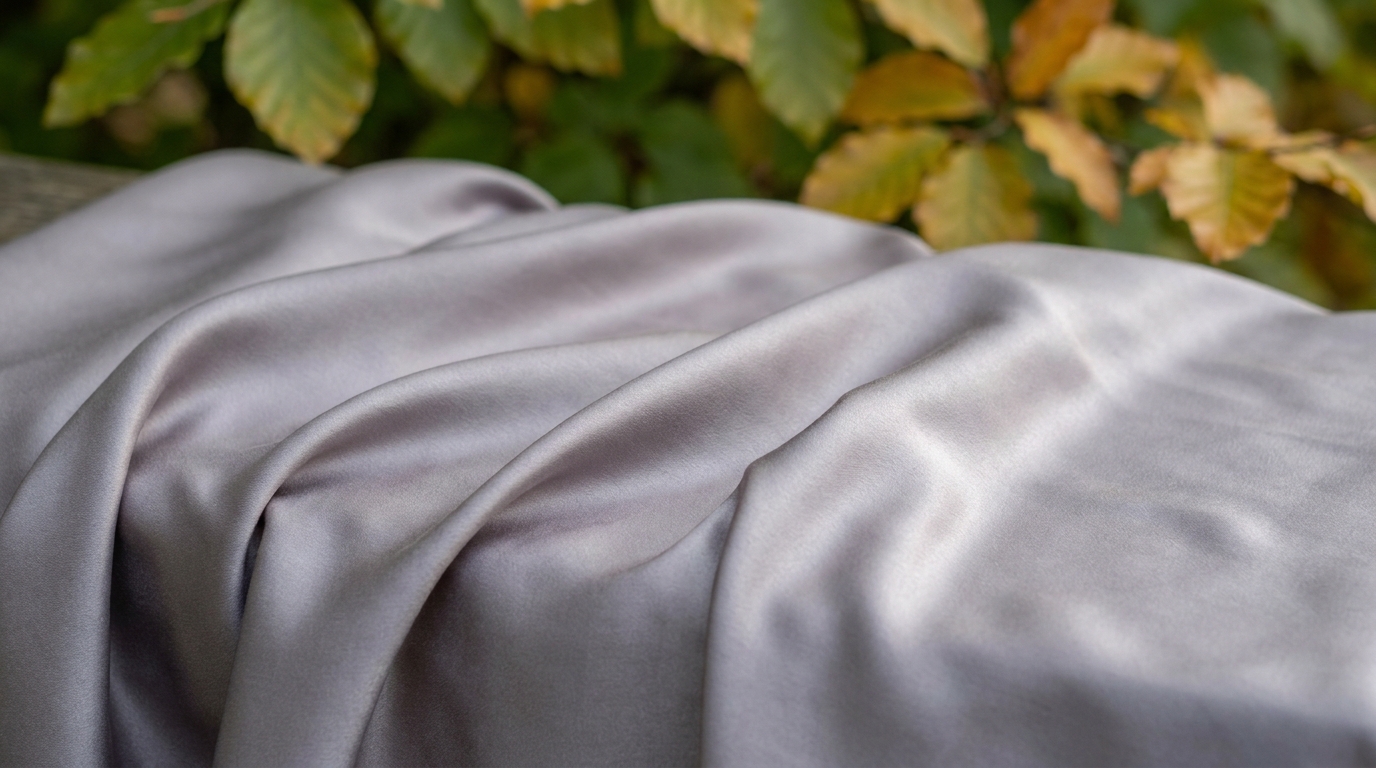
We just mentioned its silky softness and the debate over machine drying. Before asking, “can you put modal in the dryer?”, you first need to know what this material actually is.
Modal is a semi-synthetic textile. Manufacturers create it from reconstituted cellulose, specifically using beech tree pulp. Industry experts often group it with other regenerated cellulose fabrics like Tencel™ and viscose.
At Sainty, we specialize in premium regenerated cellulose textiles. Our manufacturing is fully backed by GRS, OEKO-TEX, and BSCI certifications. This ensures sustainable and ethical production for every yard of fabric.
Key Characteristics of Modal
Why do clothing brands and consumers love this material? It offers incredible softness and a luxurious, lightweight drape. Here are its main benefits:
- Moisture-wicking: It is approximately 50% more absorbent than standard cotton.
- Stretchiness: Brands often blend it with 5% to 10% spandex for added elasticity.
- Durability: It resists pilling and stays smooth when you maintain it properly.
While it is stronger than standard viscose when wet, it still requires gentle handling. High heat can easily damage these delicate cellulose bonds.
The Role of Fabric Quality in Garment Care
The way your garment reacts to the dryer heavily depends on its origin. High-grade fibers hold up much better to routine washing and drying. Cheaper alternatives often shrink drastically or lose their shape after one cycle.
Sourcing materials from a reliable bulk modal fabric supplier makes a huge difference in longevity. Premium construction prevents excessive fibrillation. This is the splitting of fibers that causes a dull, fuzzy texture.
When you start with high-quality material, the fabric retains its structural integrity. You just need to follow the right temperature thresholds to keep it looking new.
So, Can You Put Modal in the Dryer?
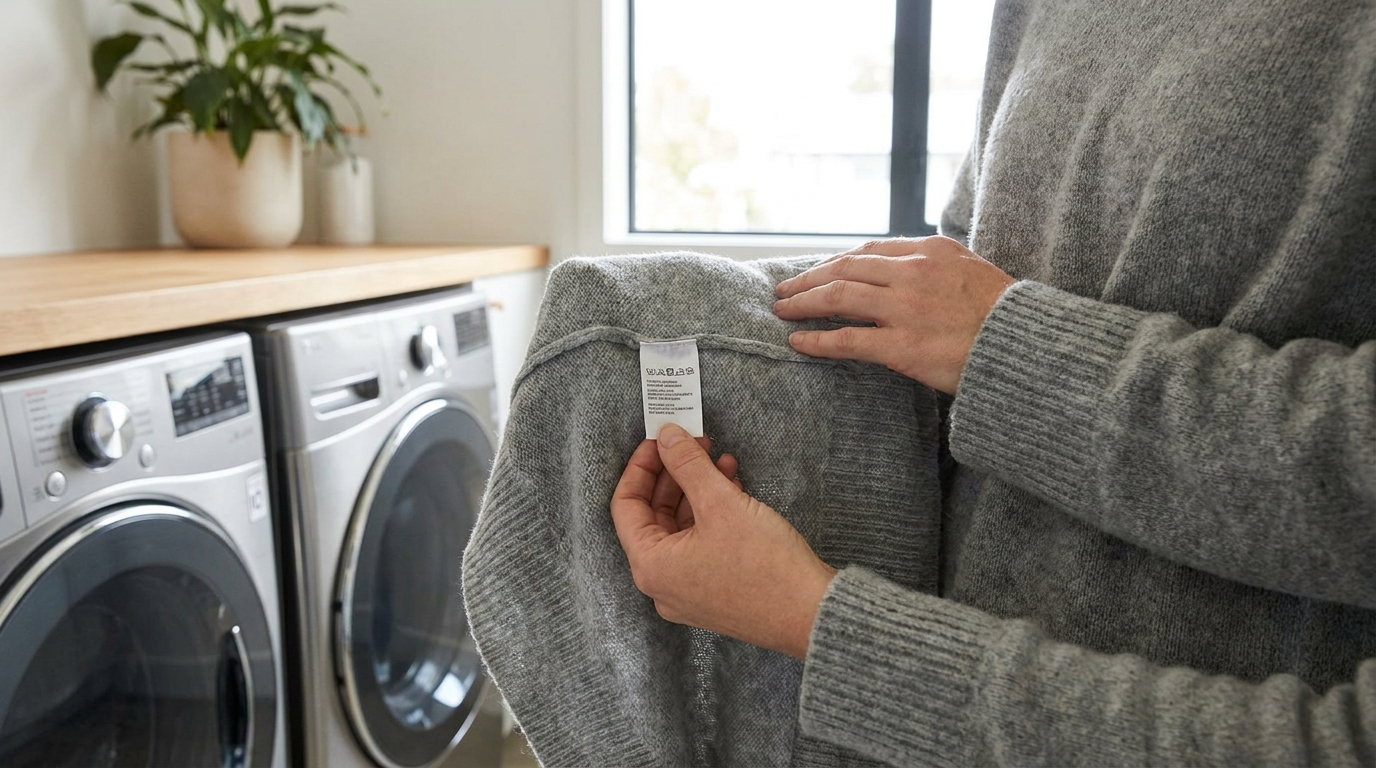
As we covered earlier, premium fabric holds its structural integrity well when treated right. This brings us back to our core question. Can you put modal in the dryer? The definitive answer is yes, but caution is strictly required. You can machine dry these garments if you follow specific rules.
The golden rule of drying this material is very simple. Always use the “Tumble Dry Low” or “Delicate” setting on your machine. You should never blast these garments with high heat. If your dryer has an “Extra Low” or “Cool” tumble option, use it.
Why Heat is the Ultimate Enemy
Why does temperature matter so much? We know this textile comes from reconstituted beech tree pulp. High temperatures cause these regenerated cellulose fibers to contract rapidly. Temperatures exceeding 30°C (86°F) quickly weaken the molecular bonds.
When this happens, the fabric loses its signature silky feel. It often develops a stiff and crunchy texture instead. Excessive heat also causes significant shrinkage. Unprotected garments might shrink up to 10% during their first hot cycle.
Working with a reliable custom modal fabric manufacturer ensures proper pre-shrinking and stabilization. At Sainty, our certified processes protect fiber strength from day one. But even the best textiles still need careful home maintenance.
Always Check the Care Label First
Before you toss anything into the machine, read the manufacturer tags. Care instructions vary wildly depending on the exact fabric blend. Pure modal requires the gentlest approach possible. Blends often change the overall heat tolerance.
| Fabric Blend | Dryer Heat Tolerance | Potential Risks of Overheating |
|---|---|---|
| 100% Pure Modal | Extra Low / Cool Tumble | High risk of severe shrinkage and fiber brittleness. |
| Modal / Cotton | Low Heat | Both fibers shrink under high heat. Cotton adds slight stability. |
| Modal / Spandex | Extra Low / Air Dry | High heat destroys elastic fibers, causing garments to “bag out”. |
| Modal / Polyester | Low to Medium Heat | Polyester adds heat resistance, but low heat prevents pilling. |
As a leading sustainable modal textile factory, we frequently blend our cellulose with spandex or cotton. We do this to meet specific brand requirements. If your clothing contains 5% to 10% spandex, high dryer heat will melt those elastic fibers. This leads to permanent bagging and a complete loss of shape.
You must always default to the lowest temperature setting. Base your choice on the most delicate fiber in the blend.
Step-by-Step Guide to Drying Modal Safely in a Machine
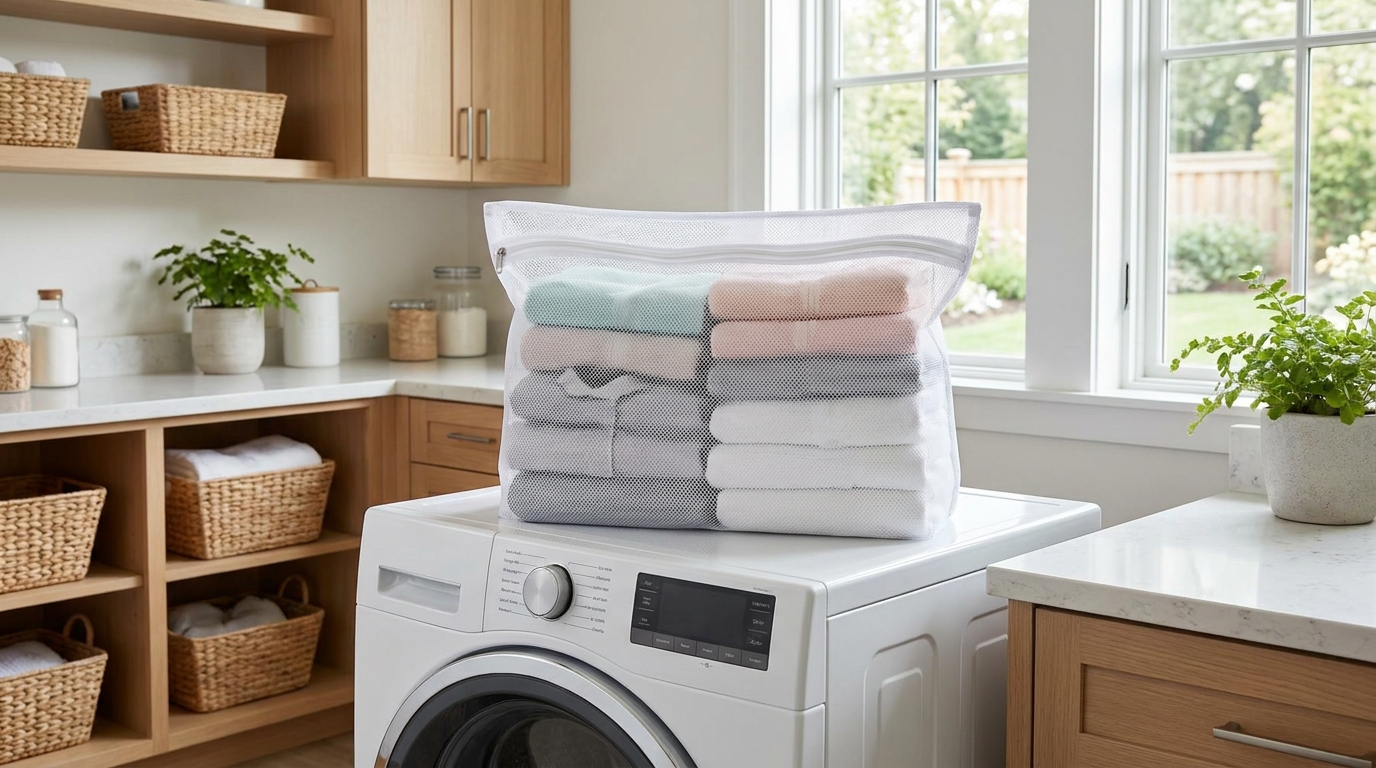
You must always default to the lowest temperature setting for your specific blend. Now it is time to put your knowledge into action. Can you put modal in the dryer safely? Yes, you certainly can. You just need a reliable routine to protect these sensitive fibers from heat damage and friction.
As a trusted source for modal fabric wholesale, we rigorously test our textiles for durability. Proper home care ultimately dictates the lifespan of your clothes. Follow this exact process to keep your garments looking brand new.
Step 1: Remove Promptly from the Wash
Do not let wet clothes sit in the washing machine drum. Cellulose fibers crease easily when crushed under heavy, wet fabric. Take them out immediately after the final spin cycle. This stops deep-set wrinkles from forming before the drying phase even begins.
Step 2: Shake Out and Reshape
Give every piece a gentle shake before tossing it into the dryer. This simple motion restores the natural shape of the garment. It also prevents the fabric from bunching up. Bunched material dries unevenly, leaving some spots damp while others over-dry and turn brittle.
Step 3: Use a Mesh Laundry Bag
Friction causes pilling. Protect your delicate items by using a mesh laundry bag. This physical barrier prevents soft fibers from catching on zippers or buttons. Turning the garments inside out before bagging them reduces surface friction even further.
Step 4: Select the Lowest Heat Setting
We established earlier how high temperatures destroy regenerated cellulose. Select the lowest possible heat setting on your machine. Choose the delicate, extra low, or cool tumble cycle. Never use a standard high-heat setting. Intense heat will rapidly shrink the fabric and melt any blended spandex.
Step 5: The “Damp Removal” Technique
Modal dries significantly faster than standard cotton. Do not leave these items inside the machine for the entire cycle. Remove your garments while they are still slightly damp. Take them out when they are about 90% dry. Lay them flat or hang them in the shade to finish air drying. This hybrid method minimizes heat exposure while keeping the fabric incredibly soft.
Keep this quick reference guide near your laundry station for easy reminders.
| Machine Drying Do’s | Machine Drying Don’ts |
|---|---|
| Use a protective mesh laundry bag | Dry alongside heavy denim or zippered jackets |
| Turn all garments inside out first | Leave items in the machine until bone-dry |
| Select the “Extra Low” or “Cool” cycle | Use standard high-heat cotton settings |
| Remove while they are slightly damp | Let wet clothes sit in the drum for hours |
What Happens if You Dry Modal on High Heat?
We just outlined the exact steps for safe machine drying. You know you must use the lowest heat setting and remove items while damp. But what happens if you ignore these rules? Can you put modal in the dryer on a standard high-heat cycle? The definitive answer is no. Exposing this delicate material to intense heat creates immediate and permanent damage. Let’s look at the exact consequences of high-heat drying.
Does Modal Shrink in the Dryer?
Yes, it absolutely does. Exposing these garments to high temperatures is the fastest way to shrink them. We discussed earlier how cellulose molecular bonds react to temperature changes. When the machine gets too hot, those fibers contract rapidly. An unprotected shirt can lose 5% to 10% of its size during a single hot cycle. If the manufacturer did not pre-shrink the material, this size reduction is completely irreversible.
Fabric Distortion and Loss of Shape
Extreme heat does more than just shrink the material. It completely warps the drape and fit of your clothing. This is especially true for everyday blends. If your garment contains spandex, intense heat melts those elastic fibers. The clothing loses its ability to bounce back. You end up facing “bagging out.” The fabric looks stretched, wavy, and permanently deformed around the knees or elbows.
Pilling and Friction Damage
Heat makes the individual fibers extremely weak. The aggressive tumbling action then rubs these weakened fibers together. This combination causes severe friction damage. The strands begin to fray and split apart. You will soon notice unsightly fuzz balls forming all over the surface. This ruins the signature silky smoothness.
Sourcing from a premium wholesale modal fabric provider helps reduce this natural fibrillation. At Sainty, our GRS and OEKO-TEX certified regenerated cellulose textiles undergo strict quality control to resist early degradation. However, even the highest quality textiles cannot survive the harsh friction of a scorching hot drum.
Weakened Structural Integrity
Long-term exposure to high heat drastically reduces the lifespan of your clothes. The material essentially cooks inside the machine. It loses its natural moisture and becomes highly brittle. Instead of feeling soft and luxurious, it feels stiff and crunchy. Repeated hot cycles break down the core structure until the garment eventually tears.
| High Heat Consequence | Visible Result on Garment |
|---|---|
| Rapid fiber contraction | 5% to 10% overall shrinkage |
| Spandex degradation | Bagging out and permanent distortion |
| Severe fibrillation | Surface pilling and fuzz balls |
| Moisture depletion | Stiff, brittle, and crunchy texture |
The Best Alternative: How to Air Dry Modal Clothing
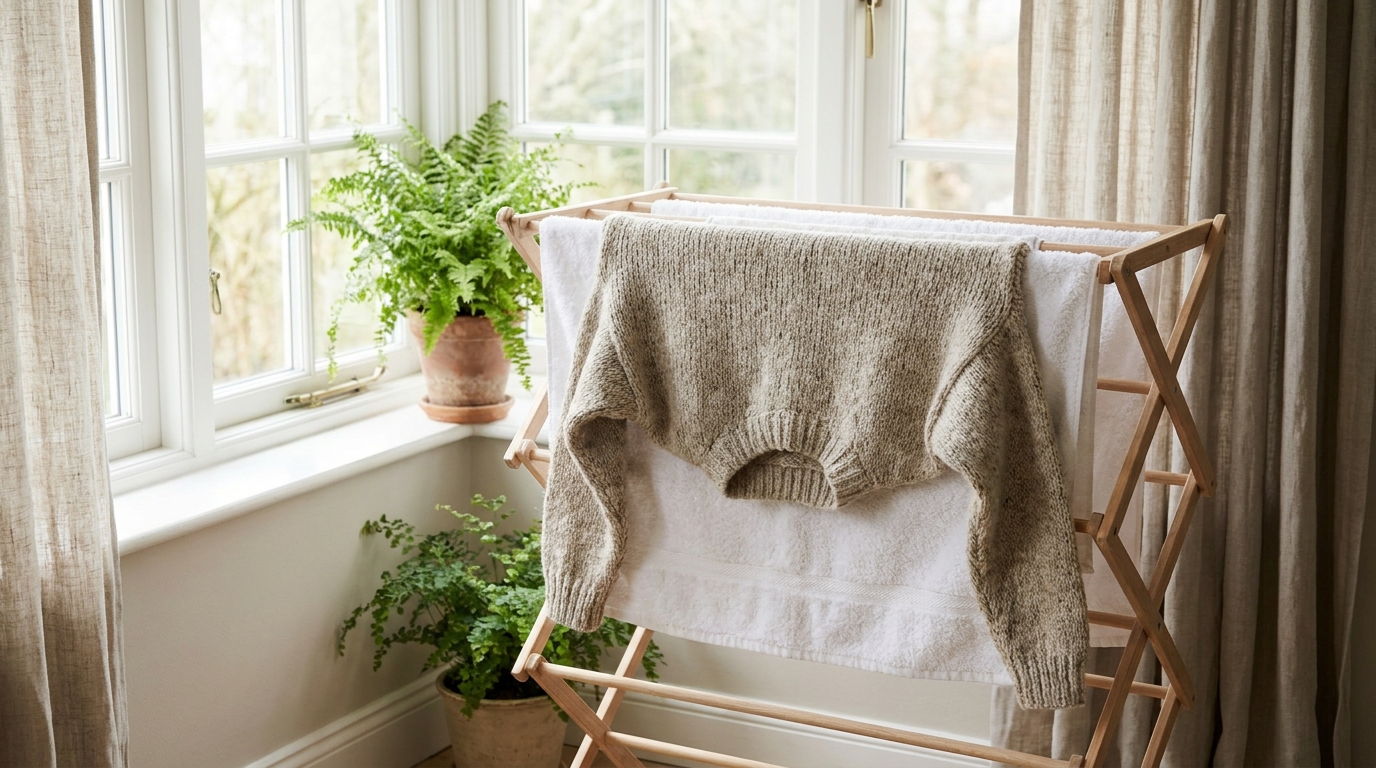
We just saw how high heat destroys regenerated cellulose. It causes severe shrinkage, pilling, and permanent distortion. If you still wonder, can you put modal in the dryer, the answer remains yes for cool settings. However, skipping the machine entirely is your best defense against damage. Air drying completely eliminates heat exposure. It is the safest and most recommended method to preserve that luxurious, silky texture.
Laying Flat vs. Hanging: Which is Better?
When you skip the machine, you face another choice. Should you hang the wet garment or lay it flat? The right method depends entirely on the weight and construction of the item.
Water makes wet fabric incredibly heavy. Hanging a wet knit sweater or a long dress pulls the fibers downward. Gravity stretches the material completely out of shape. You must lay heavy items flat to dry. Place them on a clean, dry towel. You can roll the towel gently to press out excess water first. Never wring or twist the delicate material.
Lightweight wovens are much easier to handle. Thin shirts or delicate underwear are generally safe to hang. You just need to use the right tools. Avoid thin wire hangers at all costs. They create sharp shoulder bumps and stretch out the neckline. You should use thick, padded hangers instead. They distribute the weight evenly and support the wet fabric as it dries.
| Garment Type | Best Air Drying Method | Key Tools Needed |
|---|---|---|
| Heavy Knits & Sweaters | Lay flat | Clean, dry, highly absorbent towel |
| Long Dresses & Skirts | Lay flat | Flat drying rack or towel |
| Lightweight T-shirts | Hang dry | Thick, padded hangers |
| Underwear & Intimates | Hang or lay flat | Drying rack with smooth clips |
Keep Your Clothes Out of Direct Sunlight
You might think a sunny clothesline is perfect for drying laundry. For this specific material, it is actually quite dangerous. Direct sunlight produces harsh UV rays. These rays act like a slow bleach on wet clothes.
UV exposure breaks down the cellulose molecular bonds over time. It causes vibrant dyes to fade rapidly. It also weakens the overall structural integrity of the fabric. The material eventually becomes brittle and prone to tearing. You should always dry your clothes in a well-ventilated, shaded area. An indoor drying rack or a covered patio works perfectly.
At Sainty, our premium regenerated cellulose fabrics hold color beautifully. Our sustainable production methods ensure long-lasting vibrancy across all our textiles. But even the highest quality dyes will fade if you bake them in direct sunlight. Protect your investment by keeping your favorite garments in the shade.
General Washing and Care Tips for Modal Fabric
We just covered the best ways to air dry your clothes and keep them out of direct sunlight. You also know the exact rules for machine drying. But before you even ask, “can you put modal in the dryer?”, you must wash the fabric correctly. Proper washing sets the stage for safe drying. It prevents premature wear and protects those delicate cellulose bonds we discussed earlier.
Choosing the Right Wash Cycle and Temperature
The washing machine can cause just as much friction as the dryer. You must always select the delicate or hand-wash cycle. This gentle motion reduces mechanical stress. It stops the fibers from rubbing together and splitting.
Water temperature is equally important. Never wash these garments in hot water. Remember how high heat causes shrinkage? The same rule applies here. Always use cold or cool water. Keep the temperature below 30°C (86°F). This cool wash preserves the fabric structure and keeps dyes looking vibrant.
Selecting the Best Detergent
Harsh chemicals easily destroy reconstituted beech tree pulp. You should always opt for mild, eco-friendly detergents. Skip the heavy-duty stain removers. They often contain strong enzymes. These enzymes slowly eat away at the natural cellulose base over time.
Never use chlorine bleach. Bleach weakens the material instantly and causes severe discoloration. If you need to tackle a tough stain, spot-treat it gently. Use a mild soap and your fingers before tossing the item into the wash.
At Sainty, our OEKO-TEX certified textiles are produced without harmful chemicals. Using gentle, eco-friendly detergents at home continues this sustainable cycle. It ensures your premium garments remain safe against your skin while extending their lifespan.
How to Remove Wrinkles Safely
Air drying sometimes leaves minor creases. If you removed your items while damp, as suggested earlier, wrinkles should be minimal. But if you need a perfectly crisp look, you must handle wrinkles carefully.
A garment steamer is your best tool here. Steam relaxes the fibers without applying direct mechanical pressure. It removes wrinkles quickly while keeping the fabric soft.
If you must use a traditional iron, proceed with extreme caution. Set the iron to the lowest possible heat setting. You will usually see this labeled as “silk” or “synthetic.” Always turn the clothing inside out first. Ironing on the reverse side prevents shiny marks from forming on the surface. You can also place a thin cotton pressing cloth between the iron and the garment for extra protection.
| Care Category | Recommended Action | What to Avoid |
|---|---|---|
| Water Temperature | Cold or cool water (Under 30°C/86°F) | Hot water cycles |
| Machine Cycle | Delicate or hand-wash setting | Heavy-duty or normal agitation |
| Detergent Type | Mild, eco-friendly liquids | Chlorine bleach and harsh enzymes |
| Wrinkle Removal | Garment steamer or low-heat iron on reverse | Direct hot iron plates on the surface |
Fabric Quality and Durability: A Manufacturer’s Perspective
We just discussed how proper washing sets the stage for safe drying. You know to use cold water and mild detergents. But garment care actually starts long before clothes reach your laundry room. It begins right on the factory floor.
The origin and manufacturing process heavily dictate how well this material handles daily use. Cheaply made fibers break down quickly. They shrink and pill even when you follow every care rule. High-quality production stabilizes the reconstituted cellulose bonds early on. This crucial step makes the final garment much more resilient against water and mechanical stress.
Engineering Superior Durability
As a leading custom modal fabric manufacturer, Sainty engineers every yard for superior durability. We specialize in premium regenerated cellulose textiles. Our advanced production methods ensure a long-lasting soft hand-feel. When you start with excellent raw materials, asking “can you put modal in the dryer?” becomes much less stressful.
Premium construction significantly reduces natural fibrillation. This prevents the surface from turning dull and fuzzy after a few washes. It also helps the fabric maintain its shape when exposed to low dryer heat.
The Importance of Industry Certifications
Certifications matter immensely in the textile industry. Global apparel brands looking for wholesale modal fabric trust our sustainable modal textile factory. They rely on our GRS, OEKO-TEX, and BSCI certified processes. These strict global standards guarantee ethical and safe production.
They also ensure the materials remain free from harsh, fiber-weakening chemicals. Textiles produced under these guidelines simply last longer. They hold dyes better and resist premature degradation.
| Manufacturing Standard | Impact on Fabric Quality | Benefit for Garment Care |
|---|---|---|
| Premium Fiber Stabilization | Strengthens cellulose molecular bonds | Reduces shrinkage during low-heat drying |
| OEKO-TEX Certification | Eliminates harsh chemical residues | Prevents early fiber brittleness |
| Advanced Blending Techniques | Secures spandex and cotton integration | Stops garments from bagging out |
Whether you are a brand purchasing modal fabric wholesale or a consumer buying a finished piece, quality matters. Starting with premium raw materials makes garment care significantly easier. It prevents irreversible damage and keeps your favorite clothes looking brand new for years.
Conclusion
You can safely machine dry modal using low heat. Still, air drying remains the ultimate method to preserve its luxurious softness and shape over time. Invest in premium fabrics from a certified supplier like Sainty. Our OEKO-TEX and BSCI backed textiles guarantee lasting durability.
- Review your clothing care labels right now.
- Set up a flat drying station at home.
- Partner with Sainty for sustainable wholesale fabric needs.
Frequently Asked Questions About Modal Fabric Care
Will modal fabric shrink in the dryer?
High heat can easily shrink modal by five to ten percent. You must avoid hot dryer settings entirely. Always choose a low or extra-low heat cycle. Modal fibers are very sensitive to high temperatures. If you dry it too hot, the fabric will contract. Blends with spandex can also lose their stretch. To keep your clothes safe, remove them while slightly damp.
How do I stop modal clothes from pilling?
Friction during washing and drying causes tiny fuzz balls. You can easily prevent this annoying pilling issue. First, turn your modal garments inside out before washing. This simple step protects the smooth outer surface. Next, place the items inside a mesh laundry bag. The bag stops zippers from snagging your delicate clothes. Premium fabrics from suppliers like Sainty resist wear beautifully. However, gentle care always extends the life of your garments.
Why do modal shirts feel crunchy after air drying?
Air drying can sometimes leave modal feeling slightly stiff. This happens when the fabric loses all its moisture quickly. You can easily fix this crunchy texture issue. Try tossing the dry shirt into the dryer. Use a cool tumble setting for about five minutes. This gentle motion softens the regenerated cellulose fibers. To prevent stiffness initially, remove items while they remain damp. Then, let them finish drying flat in the shade.
Can I hang heavy modal dresses to dry?
You should never hang heavy modal items to dry. Gravity will pull the wet fibers downward over time. This stretching causes your dress to lose its original shape. Instead, you must lay heavy garments flat on a towel. Lightweight modal shirts can safely hang on a line. Just remember to keep them out of direct sunlight. UV rays can weaken the fibers and fade the beautiful dyes.
What if the care tag says dry clean only?
Some brands use this label to prevent accidental heat damage. Modal is actually quite stable in cold water. You can usually wash these items on a delicate cycle. Sainty produces OEKO-TEX certified modal that handles gentle washing well. However, you must avoid the dryer for these specific garments. Air dry them flat to maintain their structural integrity. Always test a small area if you feel unsure.
Actionable Next Steps
- Set your machine to the lowest possible heat setting.
- Take garments out when they are ninety percent dry.
- Use baby shampoo to gently unshrink any damaged clothing.
- Steam wrinkles out instead of using a hot iron.
You can safely put modal in the dryer with caution. Always select the lowest heat setting to prevent severe shrinkage. Remove your clothes while they still feel slightly damp. This simple practice prevents stiff textures and damaged elastic fibers. Premium modal fabrics require gentle care to stay incredibly soft. Following these basic rules ensures your garments last much longer.