Quick Answer
100% wool is not necessarily better than 100% cotton. The superior fabric depends on the intended use, climate, comfort requirements, durability expectations, and garment design. Wool generally has the edge when it comes to temperature regulation, moisture buffering, odour resistance, elasticity, and performance in changing temperatures. Cotton, on the other hand, is often preferred for its softness, ease of care, familiar comfort, breathability, and lower cost. Research comparing wool with other apparel fibres has found that wool can provide effective moisture and thermal comfort, and recent research on cotton has demonstrated its potential for moisture transport and evaporative cooling when its fabric structure is appropriately engineered.
The difference starts at the fibre level: wool is a protein fibre with a naturally complex structure that absorbs moisture vapour while maintaining useful thermal properties, whereas cotton is a cellulose fibre that readily absorbs liquid moisture. A well-known study on fabric dampness found that, under the tested conditions, highly hygroscopic wool fabrics were perceived as drier and maintained a higher skin-surface temperature than polyester. More recent textile research confirms that the performance of both wool and cotton can change substantially according to fabric construction and finishing.
100% Wool vs. 100% Cotton: Which Is Better?
Although the question sounds simple, comparing 100% wool with 100% cotton is more complicated than it seems. Both are natural fibres that have been used in textiles for centuries and can produce comfortable fabrics. However, their molecular structures, behaviour in relation to moisture, thermal characteristics, elasticity, surface properties, and typical applications are quite different.
Wool is particularly valued for its ability to buffer changes in temperature and humidity. The crimped structure of wool fibres creates spaces that can trap air, and the fibres themselves are hygroscopic, meaning they can absorb moisture vapour. According to Woolmark, these characteristics contribute to breathability, temperature management, moisture management and comfort. This helps to explain why fine wool is used not only for winter garments, but also for base layers and performance apparel.
Cotton takes a different approach. Cotton fibres are hydrophilic and readily absorb perspiration, contributing to the comfortable feel of cotton clothing. Modern textile engineering can further enhance cotton’s moisture transport and cooling properties by altering porosity, surface energy, and fabric structure. For example, a 2024 study in the Chemical Engineering Journal developed a modified cotton fabric capable of enhanced one-way moisture transport and evaporative cooling, demonstrating that cotton can be engineered to behave very differently from conventional untreated fabric.
Therefore, the most accurate answer is that neither wool nor cotton is inherently superior. Wool is generally the better choice for temperature regulation, moisture buffering, odour control, resilience and all-season performance, while cotton is often the better choice for softness, affordability, everyday wear and warm-weather casual comfort.
What Is 100% Wool Fabric?
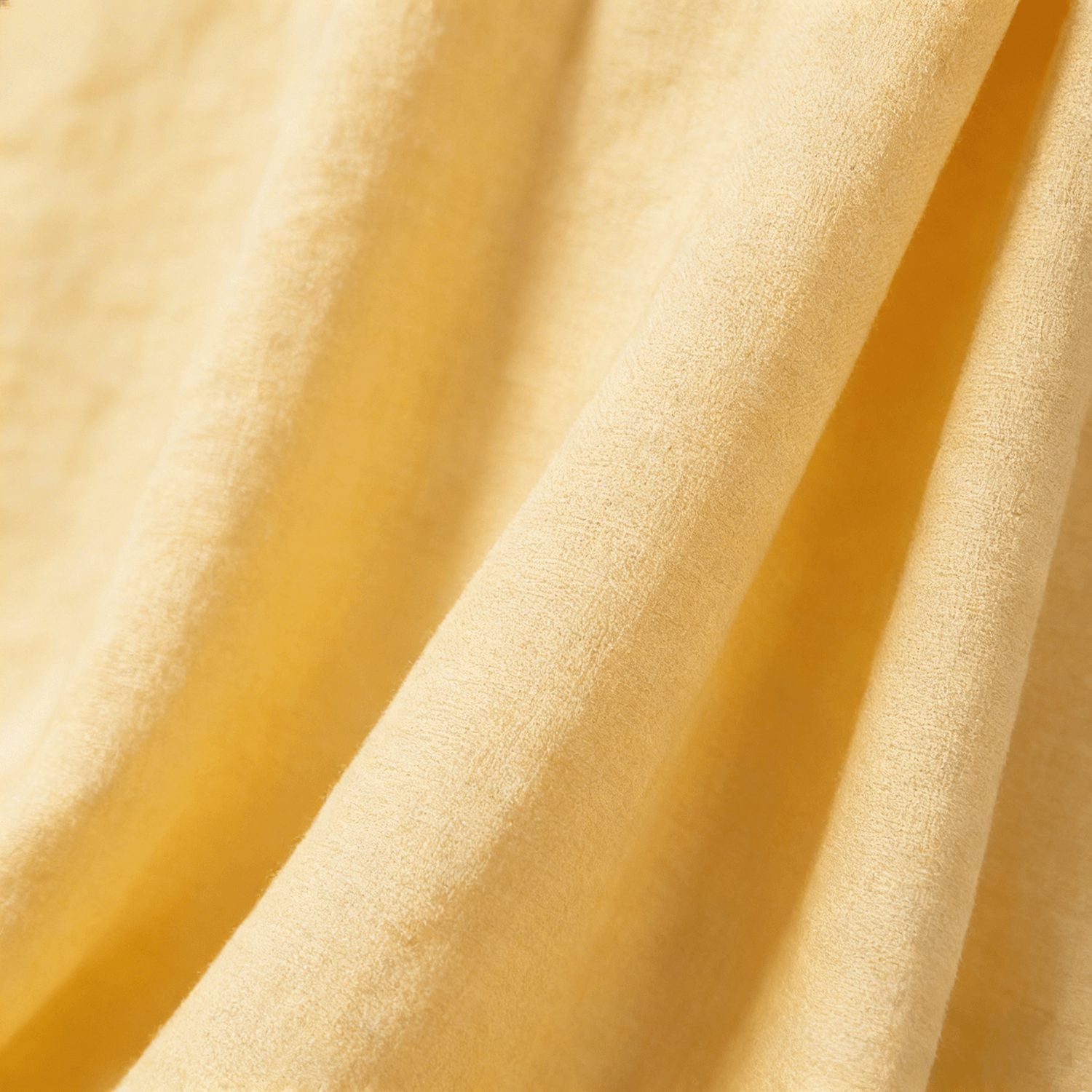
Wool fabric is a textile made entirely from wool fibres, typically obtained from sheep, although in broader textile terminology, wool can also refer to fibres from other animals. The fibre consists primarily of keratin protein and has a distinctive structure involving an outer cuticle, a cortex, and an internal organisation of proteins.
This structure gives wool properties that distinguish it from cotton. The natural crimp of the fibres creates small air spaces within the textile, while their hygroscopic behaviour allows them to absorb and release water vapour. The Woolmark Company describes this combination as contributing to temperature regulation, breathability, moisture management, elasticity and odour resistance.
However, the term ‘100% wool’ does not mean that all wool fabrics will perform identically. For example, Merino wool uses extremely fine fibres designed for next-to-skin applications, while coarser wool is used for carpets, coats, heavy blankets, or durable outerwear. The final performance is influenced by wool fibre diameter, yarn construction, fabric weight, weave, finishing, and garment design.
Consequently, when purchasing or specifying wool fabric, it is useful to consider more than just the percentage on the label. While a lightweight 100% merino wool jersey and a heavyweight 100% wool coating are both technically wool fabrics, they have completely different comfort characteristics and intended uses.
What Is 100% Cotton Fabric?
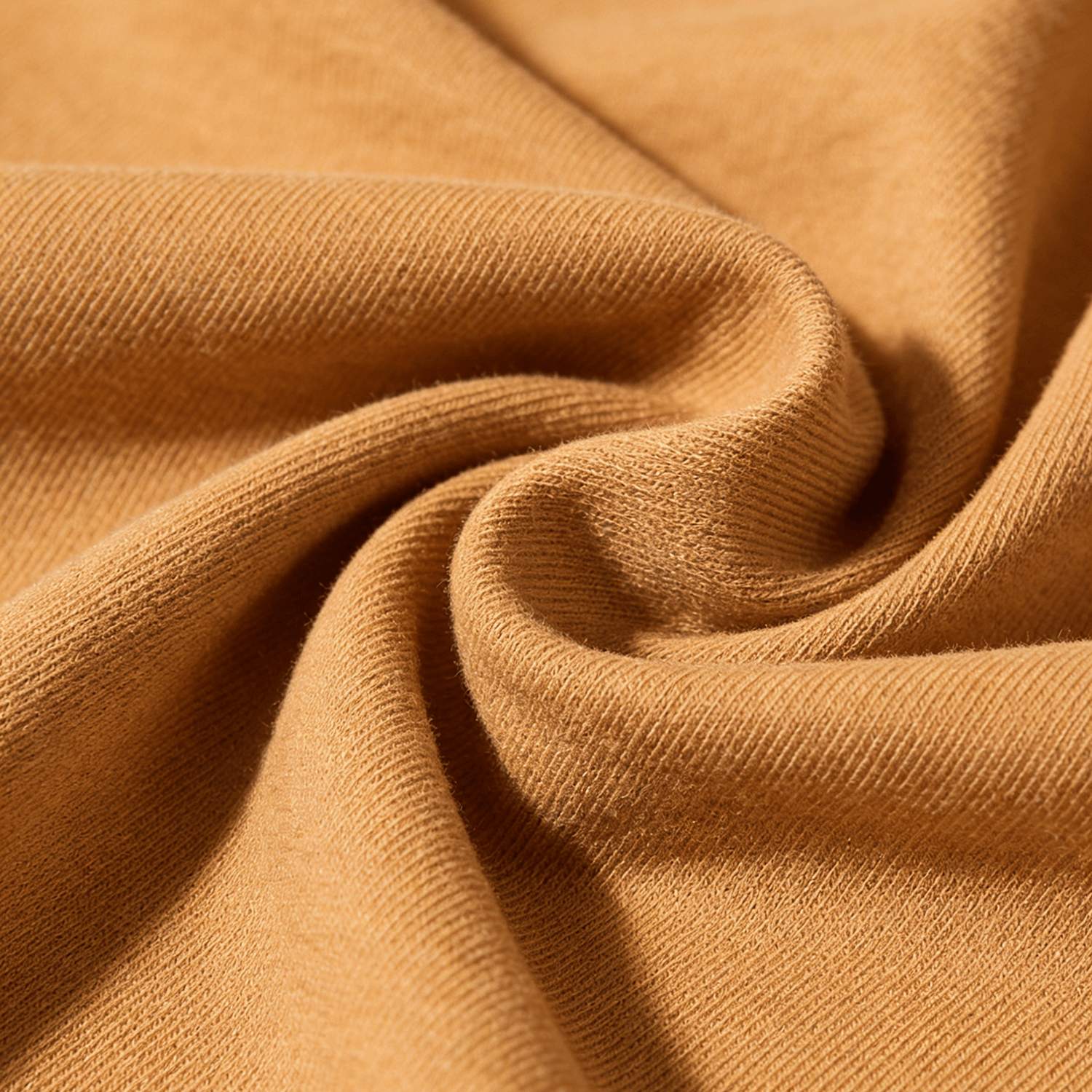
100% cotton fabric is produced entirely from cotton fibres, which are natural, cellulose-based fibres obtained from the cotton plant. Cotton is one of the world’s most widely used fibres for clothing because it is relatively soft, absorbs moisture well, is versatile, can be easily dyed, and is widely available.
One of cotton’s most familiar characteristics is its moisture behaviour. The fibre readily interacts with water, making cotton comfortable when dry and useful for garments worn in warm environments. However, this characteristic can be a disadvantage during prolonged sweating or in humid conditions, as conventional cotton retains moisture and takes longer to dry than some synthetic textiles.
Importantly, however, cotton performance is not fixed. Researchers are increasingly modifying cotton surfaces and fabric structures to enhance moisture transport, cooling, antibacterial properties, and other functions. Recent research has shown that engineered cotton structures can substantially improve directional liquid transport and evaporative cooling compared with conventional fabrics.
This means that modern high-performance cotton fabrics may behave quite differently from traditional cotton T-shirts. While the fibre provides the foundation, it is fabric engineering that determines much of the final wearing experience.
100% Wool vs. 100% Cotton: Key Differences
The following comparison provides a practical overview for consumers, apparel manufacturers, textile buyers, and designers.
| Property | 100% Wool | 100% Cotton |
| Fiber type | Natural protein fiber | Natural cellulose fiber |
| Moisture behavior | Strong moisture-vapor absorption and buffering | High moisture absorption |
| Temperature regulation | Excellent in many constructions | Good, particularly in lightweight fabrics |
| Breathability | Generally very good | Generally good, highly construction-dependent |
| Drying | Can perform well despite moisture absorption, but varies by fabric | Often slower when heavily saturated |
| Odor resistance | Naturally strong | Generally lower without treatment |
| Elasticity | Naturally resilient and elastic | Relatively low natural elasticity |
| Wrinkle recovery | Generally good | Generally lower |
| Warm-weather use | Possible with lightweight fine wool | Excellent for many lightweight constructions |
| Cold-weather use | Excellent | Moderate |
| Softness | Depends strongly on fiber diameter | Generally familiar and soft |
| Durability | Good to excellent depending on wool type | Good, depending on construction |
| Care requirements | Often more demanding | Usually easier |
| Typical cost | Medium to high | Low to medium |
| Common applications | Suits, knitwear, base layers, coats, outdoor apparel | T-shirts, shirts, underwear, casualwear, bedding |
| Odor retention | Generally low | Can retain odor more readily |
| Sustainability profile | Renewable and biodegradable | Renewable and biodegradable, but cultivation can require substantial water and agricultural inputs. |
This comparison should be treated as a general industry guide rather than a laboratory ranking. Fabric construction can reverse the expected result. For example, an open cotton mesh may be significantly more breathable than a dense wool coating, while a fine Merino wool base layer may provide better moisture and odor management than a conventional cotton jersey.
Which Is Warmer: Wool or Cotton?
When it comes to cold-weather clothing, wool is generally the best option. The crimped structure of wool fibres creates air spaces within the textile, and this trapped air provides thermal insulation. Wool’s ability to absorb moisture vapour also affects its thermal behaviour, making it particularly useful in clothing designed for variable outdoor conditions.
However, this does not mean that all wool fabrics are warmer than all cotton fabrics. Obviously, a thin cotton fabric can be warmer than a lightweight wool fabric in some circumstances, while a dense cotton fleece can be warmer than a very lightweight wool jersey.
The important point to note is that wool is naturally well suited to providing thermal insulation. Woolmark’s technical information describes how the crimp of wool fibres contributes to air entrapment, breathability, and temperature management.
Therefore, cotton is not necessarily “bad” for winter, but wool usually provides more effective insulation for lightweight apparel.
Is Wool or Cotton Better for Summer?
This is one of the most commonly misunderstood comparisons.
Many people assume that wool is unsuitable for summer clothing because it is associated with jumpers and coats. However, fine, lightweight wool can actually be ideal for warm weather, particularly when used in breathable garments. Merino wool is widely used for lightweight base layers as its fibre structure enables it to manage moisture and temperature in changing conditions.
Cotton remains an excellent choice for summer clothing, particularly loose shirts, T-shirts, dresses and lightweight trousers. Its softness and ability to absorb moisture make it comfortable for many people in warm climates.
However, the distinction becomes more interesting in humid conditions. While conventional cotton can absorb substantial amounts of sweat and become wet, wool can buffer moisture vapour and maintain a comparatively dry sensation under certain conditions. A well-established study of fabric dampness found that, during the tested skin-contact conditions, highly hygroscopic wool fabrics were perceived as drier than polyester.
The practical conclusion is therefore:
For casual hot-weather clothing, cotton is often the simpler choice. For lightweight technical apparel or clothing worn all day and exposed to changing temperature and humidity, fine wool can be a surprisingly good option.
Which Fabric Handles Sweat Better?
There is no universal winner because ‘handling sweat’ involves several processes, including absorption, spreading, wicking, evaporation, drying, and the sensation of dampness against the skin.
While cotton effectively absorbs liquid perspiration, which can initially feel comfortable, it can remain wet for a relatively long period. However, if the fabric becomes saturated, it can remain wet for a relatively long time. This is one reason why cotton T-shirts can feel cold and heavy after exercise.
In contrast, wool absorbs significant amounts of moisture vapour within the fibre while retaining useful thermal properties. Research on wool fabric has demonstrated that its thermal and moisture behaviour is strongly related to fibre surface properties, and that modifications to wool can significantly alter wettability, wicking, thermal resistance and moisture resistance.
Modern cotton technology can narrow this difference. Engineered cotton fabrics can incorporate asymmetric surfaces, modified porosity or other structures that promote the transport and evaporation of sweat in one direction. Recent research on Janus cotton has shown that it has strong water transport and cooling properties compared with conventional fabrics.
Therefore, while untreated ordinary fabrics often have an advantage in terms of moisture buffering and odour management, engineered cotton can deliver excellent liquid moisture transport and evaporative cooling.
Which Is More Breathable: Wool or Cotton?
Breathability is largely determined by the construction of the fabric, rather than the type of fibre.
For example, a lightweight cotton fabric with an open weave can provide excellent airflow. Similarly, a lightweight wool fabric can be highly breathable due to the crimp of the fibres creating air spaces, and the fabric can be engineered with an open structure.
Conversely, a tightly woven, heavyweight wool fabric may have lower air permeability than a loosely woven cotton fabric. Therefore, conclusions can be misleading if you only compare “100% wool” and “100% cotton” without knowing GSM, thickness, yarn count, and weave structure.
The correct approach for textile manufacturers is to test the finished fabric for air permeability and water vapour behaviour rather than using fibre composition as a substitute for measurement.
Which Is Softer Against the Skin?
Cotton is widely recognised by consumers as a soft, familiar material for next-to-skin wear, particularly in T-shirts, underwear, bedding and casual wear. Its softness makes it an obvious choice for those who do not want to consider fibre fineness or garment construction.
Wool is more complicated. Coarse wool fibres can feel scratchy because their larger diameter and surface characteristics are more easily perceived by the skin. Fine Merino wool is a different proposition. Woolmark notes that Merino fibre diameter commonly ranges from below 17.5 microns to around 22–24 microns, and finer fibres are generally preferred for next-to-skin apparel due to their softness.
Therefore, ‘wool is itchy’ is an incomplete statement. Fibre diameter matters enormously. Fine merino wool is soft enough for base layers and underwear, whereas coarse wool is better suited to outerwear and structured textiles.
Which Fabric Resists Odor Better?
Wool generally has the advantage when odor management is important.
Wool fibers possess a complex chemical and physical structure that can interact with moisture and odor molecules. Woolmark identifies natural odor resistance as one of the performance characteristics of Merino wool.
Cotton does not have the same reputation for odor resistance. Once cotton becomes damp with sweat, the moisture and organic residues can remain in the fabric until it is thoroughly washed and dried.
This difference is particularly relevant for travel clothing, hiking apparel, base layers, and garments that may be worn for extended periods. A wool garment can sometimes remain fresher between washes than a comparable cotton garment, although actual performance depends on the fabric, wearer, activity, and laundering conditions.
Which Is More Durable?
Both fibers can produce durable fabrics, but their strengths are different.
Wool has natural elasticity and resilience. Its crimp allows the fiber to bend and recover, contributing to wrinkle recovery and shape retention. Woolmark describes this spring-like structure as one factor behind wool’s elasticity and resilience.
Cotton has good tensile strength and performs well in many everyday applications, but it has less natural elasticity than wool. Cotton garments can therefore crease more easily and may lose shape under repeated stress depending on construction.
However, durability should always be evaluated at the fabric level. A heavy cotton canvas may outlast a delicate wool knit in a demanding application, while a well-constructed wool suiting fabric may maintain its appearance for years with appropriate care.
Which Is Easier to Maintain?
Cotton is generally easier to care for.
Many cotton garments can be machine washed and tumble dried, although care requirements vary according to weave, dye, finishing, and garment construction.
Wool typically requires more careful handling. Heat, agitation, moisture, and mechanical action can cause felting or shrinkage in susceptible wool fabrics. Superwash treatments can improve machine-wash performance, but treated and untreated wool should not be treated as identical.
For consumers who prioritize convenience over performance, cotton is often the more practical option. For consumers who value odor control, reduced washing frequency, temperature regulation, and long-term garment performance, wool’s additional care requirements may be worthwhile.
Which Is More Sustainable: Wool or Cotton?
There is no simple winner.
Both wool and cotton are natural fibers, but their environmental impacts occur at different stages of production. Wool comes from sheep and is renewable and biodegradable; cotton comes from an agricultural crop and is also biodegradable and renewable.
Wool’s sustainability discussion includes sheep farming, land use, methane emissions, water consumption, processing, transportation, garment longevity, and end-of-life behavior. Cotton’s footprint includes irrigation, agricultural inputs, land use, pesticides, processing, dyeing, and transportation.
The better environmental choice can therefore depend on how long the garment is used and how frequently it is washed, not just on the fiber label. A durable garment that remains useful for many years may have a very different lifecycle profile from a cheap garment that is discarded quickly.

Wool Fabric vs. Cotton: Which Should Manufacturers Choose?
For textile manufacturers and apparel brands, the decision-making process should start with the product specification rather than a general preference for a particular fibre.
For example, if the product is a basic summer T-shirt, cotton is the obvious choice: consumers recognise the material, the production infrastructure is well-established, and the cost is generally competitive. However, if the product is a premium base layer, travel shirt, outdoor garment, or temperature-regulating apparel, fine wool may offer performance characteristics that justify a higher material cost.
Wool can provide drape, resilience, warmth, and premium positioning for fashion garments, while cotton offers versatility and a broad range of textures and constructions. Cotton is commonly preferred for bedding due to its familiar softness and washability, while wool can be attractive in blankets and bedding systems where thermal buffering is important.
Therefore, the best procurement strategy is to define measurable requirements such as GSM, fibre diameter, air permeability, moisture management, thermal resistance, tensile strength, abrasion resistance, shrinkage, pilling, colourfastness, and care performance before choosing the fibre.
Wool vs. Cotton by Application
| Application | 100% Wool | 100% Cotton | Better General Choice |
| Winter coat | Excellent insulation and resilience | Suitable for some heavy constructions | Wool |
| Summer T-shirt | Possible with lightweight wool | Excellent comfort and affordability | Cotton |
| Premium base layer | Excellent moisture and odor management | Comfortable but can remain wet | Wool |
| Casual shirt | Excellent premium option | Very versatile and easy-care | Cotton |
| Business suit | Excellent shape recovery and drape | Less common for formal tailoring | Wool |
| Bedding | Warm and thermally responsive | Soft, washable and familiar | Depends on climate |
| Sportswear | Good in fine technical wool | Good when engineered for wicking | Depends on activity |
| Travel clothing | Excellent odor and moisture performance | Comfortable but may require more washing | Wool |
| Children’s everyday wear | Durable options available but care-sensitive | Soft, practical and easy to wash | Cotton |
| Luxury knitwear | Excellent | Good but less thermally distinctive | Wool |
| Towels | Not usually preferred | Excellent absorbency | Cotton |
| Hot and humid casualwear | Good when lightweight | Excellent in open/lightweight construction | Cotton |
| Variable outdoor conditions | Excellent | Moderate | Wool |
Why Fabric Construction Matters More Than the Fiber Label?
One of the most important lessons for textile buyers is that fiber content does not tell the entire story.
Consider two hypothetical fabrics:
Fabric A: 100% wool, 350 GSM, densely woven.
Fabric B: 100% cotton, 120 GSM, open weave.
Even though wool has stronger natural thermal-regulation characteristics, Fabric B will probably feel considerably lighter and more ventilated in hot weather.
Now reverse the specifications:
Fabric C: 100% fine Merino wool, 150 GSM, lightweight jersey.
Fabric D: 100% cotton, 250 GSM, dense brushed fabric.
In this case, the wool fabric may provide better moisture and temperature management despite being made from a fiber traditionally associated with cold weather.
This is why professional textile evaluation should include fabric weight, thickness, construction, porosity, air permeability, moisture management, and finishing alongside fiber composition. Research on both wool and cotton repeatedly demonstrates that surface modification and structural engineering can significantly change thermal and moisture performance.
Is 100% Wool Worth More Than 100% Cotton?
For many products, yes—but only when the additional performance provides meaningful value to the end user.
Wool is usually more expensive because fine wool fibers require specialized animal-fiber production, sorting, scouring, spinning, and processing. Premium Merino wool also commands additional value because fine fibers provide a softer next-to-skin experience.
Cotton benefits from enormous global production volumes and a mature industrial supply chain. It is available in a broad range of grades and price points, making it highly suitable for mass-market apparel.
The higher price of wool becomes easier to justify when the garment is intended for long wear periods, travel, outdoor use, premium tailoring, odor control, variable climates, or temperature management. For a basic everyday T-shirt that will be washed frequently, the additional cost may not provide enough practical benefit to justify switching from cotton.
How to Choose Between Wool and Cotton?
A simple decision framework can help consumers and buyers make a more rational choice.
Choose 100% wool when:
You need strong temperature regulation across changing conditions.
The garment may be worn repeatedly between washes.
Odor management is important.
You want natural elasticity and wrinkle recovery.
You are buying premium tailoring, knitwear, outdoor clothing, or base layers.
You are willing to follow more careful care instructions.
Choose 100% cotton when:
You prioritize a familiar soft hand.
You need an affordable everyday fabric.
Easy washing is important.
The garment is intended for hot-weather casual use.
You are producing T-shirts, underwear, shirts, towels, or bedding.
High moisture absorption is desirable.
Consider a blend when:
Neither fiber perfectly satisfies the product requirements. Wool-cotton blends can combine some of wool’s temperature regulation and resilience with cotton’s familiar hand and cost advantages, although the final properties depend heavily on the blend ratio and fabric construction.
FAQ: Wool Fabric
- Is 100% wool better than 100% cotton?
Neither is universally better because each fiber has different performance advantages. Wool is generally stronger for temperature regulation, odor resistance, resilience, and variable climates, while cotton is often better for affordability, easy care, and everyday warm-weather comfort.
- Is wool warmer than cotton?
Generally, wool provides better insulation because its natural crimp helps trap air within the textile. However, fabric weight, weave density, and construction can make a lightweight wool fabric cooler than a heavy cotton fabric.
- Is wool good for summer?
Yes, particularly when the wool is fine and lightweight, such as Merino wool. Wool’s moisture management and temperature-regulating characteristics can make lightweight wool suitable for warm-weather and active apparel.
- Is cotton more breathable than wool?
Not necessarily, because breathability depends strongly on fabric construction and air permeability. A lightweight open cotton fabric can be highly breathable, while fine lightweight wool can also provide excellent breathability.
- Which is better for sweaty people, wool or cotton?
Fine wool can have an advantage when odor control and moisture buffering are important, while cotton can absorb substantial liquid sweat but may remain wet for longer. The best choice depends on activity level, climate, fabric construction, and whether rapid drying is required.
- Does wool last longer than cotton?
Both can be highly durable when properly constructed and maintained. Wool has natural elasticity and resilience, while cotton provides strong performance in many everyday fabrics, so actual garment life depends heavily on fabric construction, use, and care.
Conclusion: Wool or Cotton?
So, is 100% wool better than 100% cotton?
The most accurate answer is no — not in every situation. Wool is the more technically versatile fibre for temperature regulation, moisture buffering, odour resistance, resilience, and performance in changing environments. However, cotton is often the more practical choice when affordability, softness, ease of care, absorption of liquid moisture, and everyday warm-weather comfort are the main considerations.
For high-performance clothing, fine wool deserves particular attention. Modern research and industry testing show that wool can manage heat and moisture in ways that make it useful for more than just traditional winter clothing. Woolmark’s research comparing wool, cotton, viscose, and polyester of a similar weight and thickness found that wool performed particularly well in terms of moisture and thermal management during changes in environmental humidity.
At the same time, however, cotton should not be dismissed as basic or inferior. Recent research demonstrates that cotton can be engineered using advanced surface and structural technologies to enhance directional moisture transport and evaporative cooling.
Therefore, the better question for textile manufacturers is not “Which fibre is better?”, but “Which fibre and fabric construction best satisfies the intended end use?” Lightweight Merino wool base layers, cotton summer shirts, wool business suits and cotton towels all demonstrate that different fibres succeed because they solve different textile problems.
In practical terms, choose wool fabric when you need premium thermal regulation, odour resistance, resilience and all-season performance. Choose 100% cotton for familiar comfort, affordability, easy care and strong performance in everyday casual applications. If you need both sets of properties, a carefully engineered wool-cotton blend may be a better option than using either fibre at 100%.