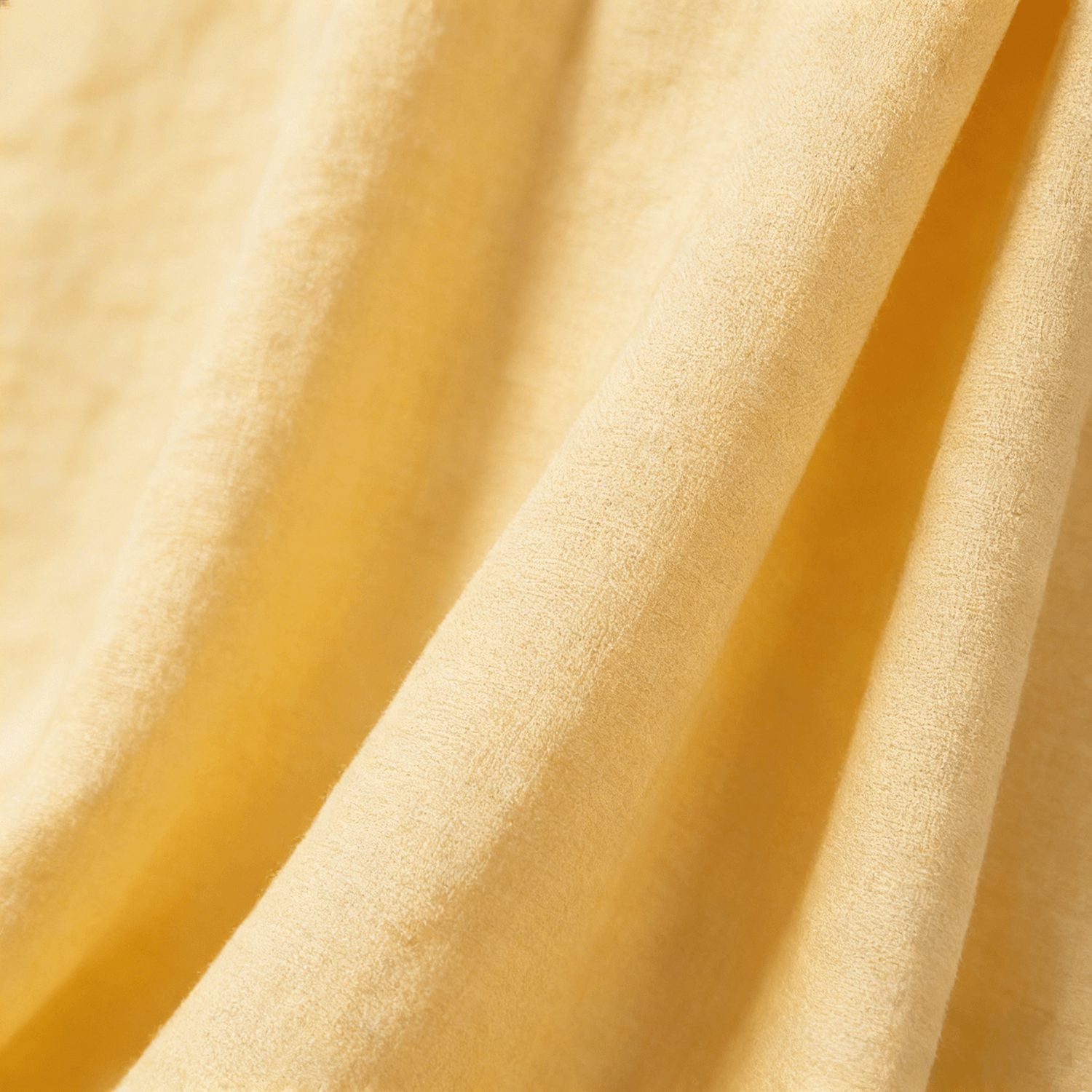
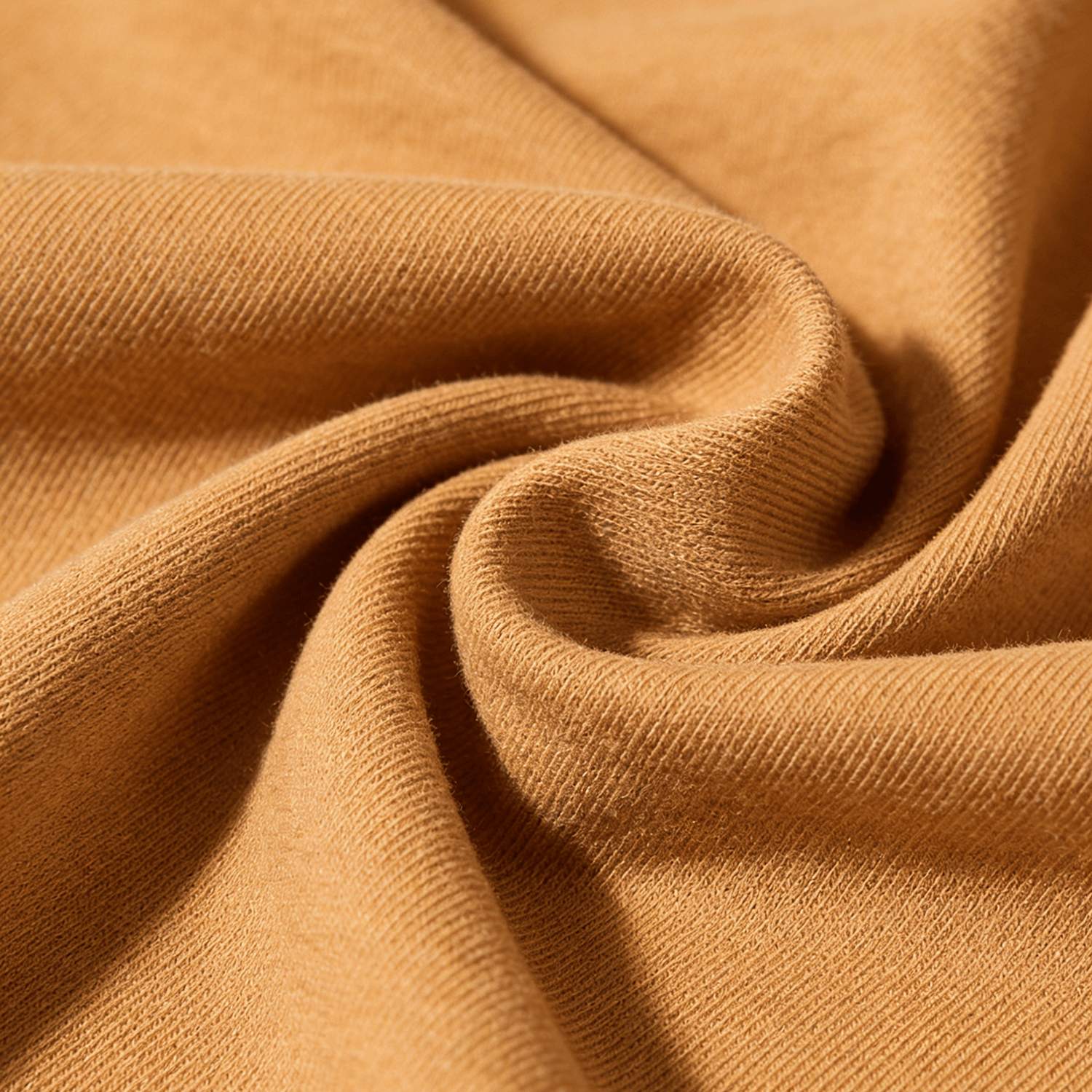
Ramie is a durable, eco-friendly fabric that mimics linen but offers superior strength.
However, proper care for these garments often confuses people. Can you wash ramie in a washing machine?
In this guide, you will discover safe washing steps, drying techniques, and expert care tips.
Understanding Ramie Fabric: What Is It?
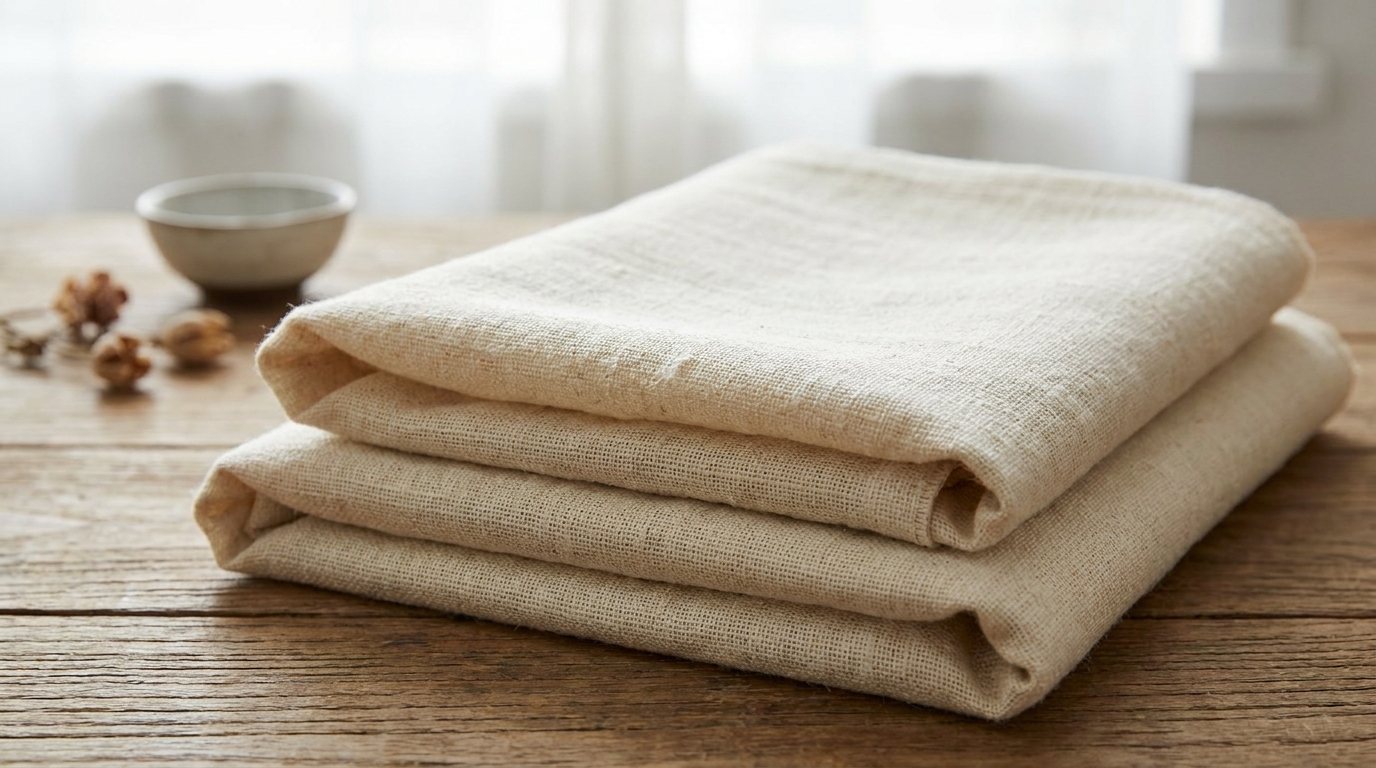
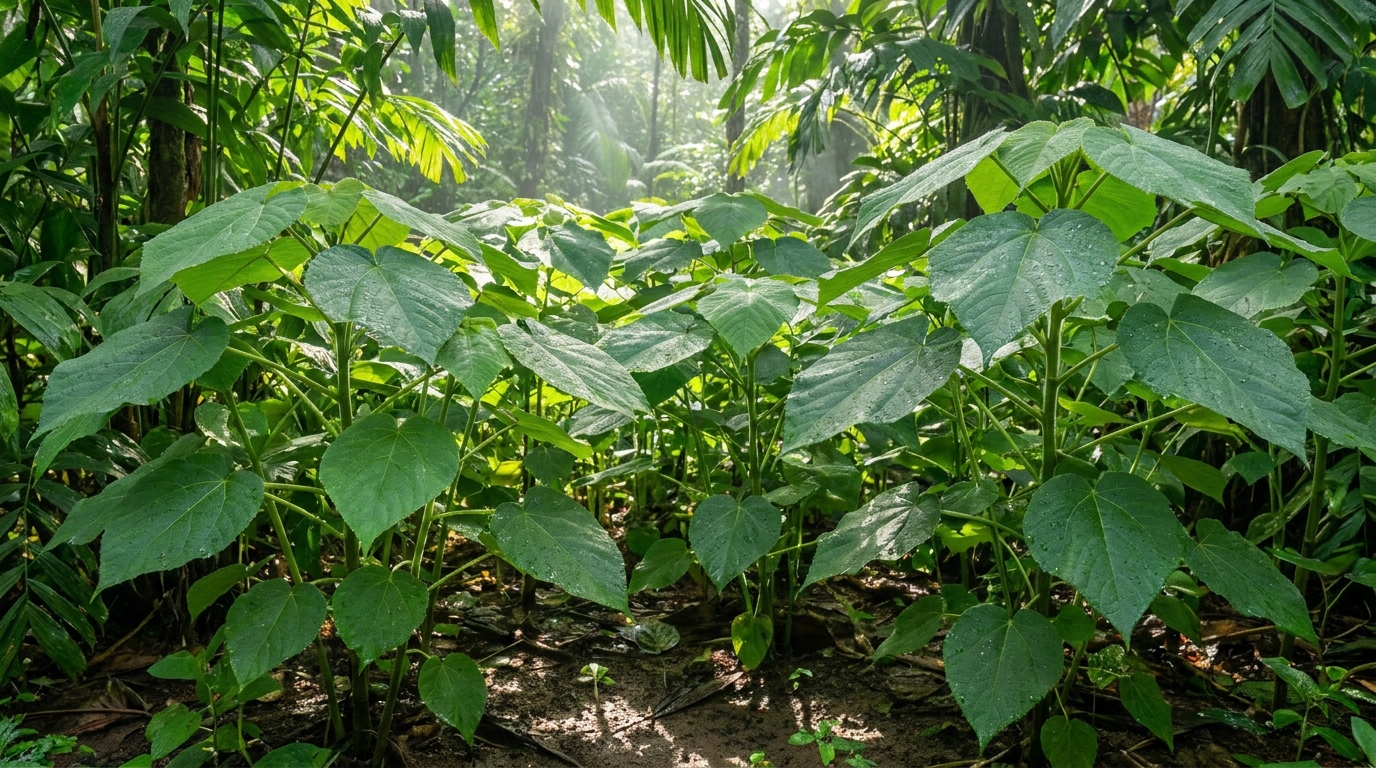
Before exploring safe washing steps, you must understand the material itself. It is a natural bast fiber derived from the inner bark of the Boehmeria nivea plant. People commonly call it China grass or grass linen.
Artisans have spun this cellulosic fiber for thousands of years. It looks a lot like linen but packs significantly more durability. This incredible durability leads to a very common question. Can you wash ramie in a washing machine? You absolutely can, because these fibers actually grow stronger when wet.
This plant-based material boasts several unique physical traits:
- High Absorbency: It absorbs up to 20% of its weight in moisture. You will not feel the dampness against your skin.
- Extreme Strength: The fibers are roughly eight times stronger than cotton.
- Natural Resistance: It naturally fights off bacteria, mildew, and insect attacks.
- Low Resiliency: The crystalline structure means it lacks elasticity. It wrinkles easily and feels stiff when brand new.
Here is a quick breakdown of its everyday performance.
| Fabric Property | Practical Result for Garments |
|---|---|
| Breathability | Excellent airflow keeps you cool in hot, humid climates. |
| Wet Strength | Holds up exceptionally well during mechanical agitation in water. |
| Brittleness | Sharp folds can cause the fibers to snap over time. |
Modern sustainable fashion heavily relies on this dynamic material. Global apparel brands prefer it over conventional options. It requires fewer resources and holds its shape beautifully.
Ethical production matters just as much as the raw fiber. Sainty stands at the forefront of this eco-friendly shift. As a trusted natural ramie textile manufacturer, we supply premium materials globally. Our manufacturing processes carry full GRS, OEKO-TEX, and BSCI certifications. These rigorous standards guarantee you receive ethical, long-lasting textiles.
So, Can You Wash Ramie in a Washing Machine?
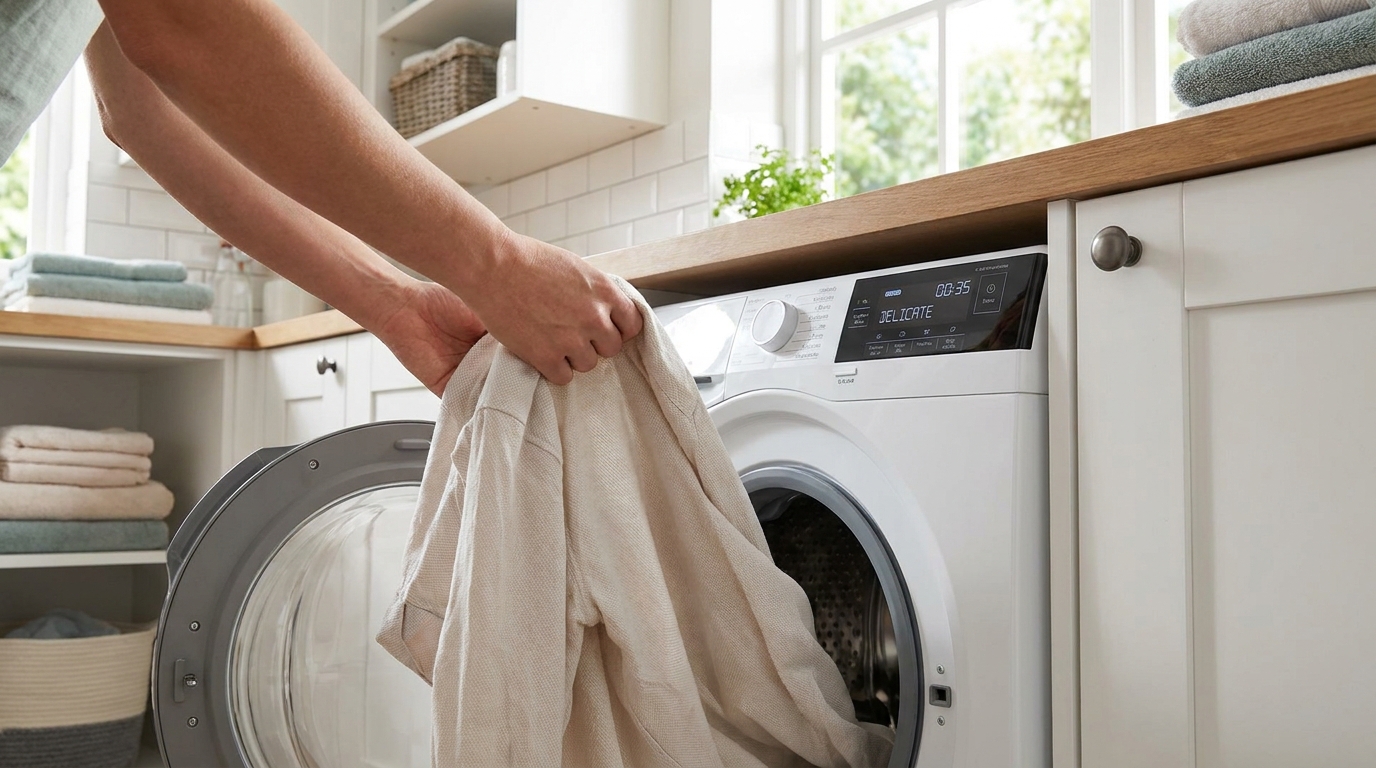
As we covered earlier, these cellulosic fibers actually gain strength when wet. This brings us back to our main question. Can you wash ramie in a washing machine? Yes, you certainly can. You just need specific, gentle settings to protect the garment.
Always check the care label before you toss anything into the washer. Brands frequently blend this material. They might also add structural interlinings to collars and cuffs. A “Dry Clean Only” tag usually protects this complex tailoring rather than the raw fiber itself. Still, ignoring this label risks ruining the fit of your clothes.
Fabric construction heavily dictates machine-washability. Woven and knit pieces react differently under mechanical agitation. You must adjust your approach based on how the yarns interlock.
| Fabric Construction | Machine-Washability Traits |
|---|---|
| Woven | Tightly packed yarns handle gentle cycles well. Prone to permanent creasing if overloaded. |
| Knit | Looser loops stretch easily when wet. Highly prone to snagging. Always requires a mesh laundry bag. |
Why do some pieces demand extra care? It comes down to fiber processing. As a trusted pure ramie fabric supplier, we understand how raw treatments affect longevity. Untreated garments lack flexibility. Their crystalline structure makes them quite brittle. Heavy friction during a harsh wash cycle can snap these fibers.
Highly structured items face additional risks in the drum. If the factory skipped pre-shrinking, expect 4% to 10% shrinkage on the first wash. Deep-dyed dark tones might also bleed initially. Gentle handling prevents this structural damage. It preserves the natural luster and keeps your eco-friendly apparel looking brand new.
Step-by-Step Guide: How to Machine Wash Ramie Safely
Since heavy friction snaps these brittle fibers, you must take a careful approach. You already know the risks of shrinkage and color bleeding. Can you wash ramie in a washing machine safely? Yes, you just need a reliable cleaning method. Follow these exact steps to machine wash your garments properly.
1. Pre-Treat Stains Gently
You should never scrub spots aggressively. Harsh rubbing causes localized fiber breakage and pilling. Instead, dab organic or oil-based stains gently with a mild spot treatment. Let it sit for ten minutes before washing.
2. Protect the Fabric
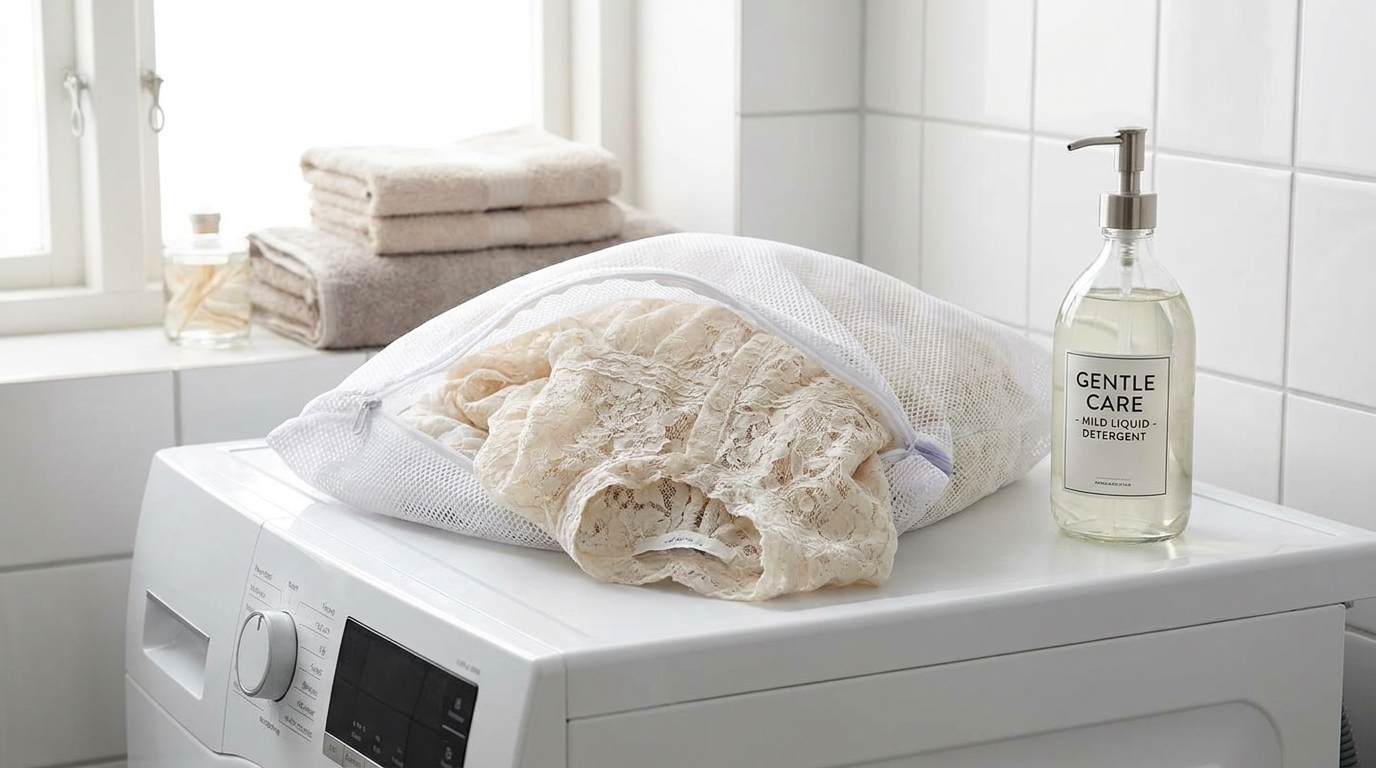
Always turn your clothes inside out. This simple step protects the natural luster. Next, place the garment inside a mesh laundry bag. The mesh bag rule remains non-negotiable. It stops loose knits from snagging on the agitator. It also prevents dangerous friction against other clothes.
3. Choose the Right Detergent
Select a mild, neutral liquid detergent. Avoid powder detergents because they often leave residue in cold water. You must never use chlorine bleach. Bleach rapidly weakens cellulosic fibers and ruins the material. As a leading wholesale ramie fabric supplier backed by OEKO-TEX standards, we highly recommend eco-friendly formulas. Gentle soaps align perfectly with sustainable textiles and preserve yarn integrity.
4. Set the Correct Water Temperature
Heat acts as the enemy of untreated bast fibers. Always use cold or lukewarm water. Keep the temperature below 40°C (104°F). Hot water triggers that severe shrinkage rate we discussed earlier. It also causes deep-dyed colors to bleed heavily into the wash water.
5. Select the Delicate Cycle
Choose the delicate or hand wash setting on your machine. This setting ensures minimal mechanical agitation. Wash these items only with similar lightweight materials. Never throw them in with heavy jeans or towels. The friction from heavy items easily damages the delicate yarns.
Garments made from mixed materials need similar attention. As an experienced ramie blend fabric supplier, we know blends often shrink unevenly. Sticking to these gentle rules protects the entire garment structure.
| Washing Parameter | Best Practice | What to Avoid |
|---|---|---|
| Temperature | Cold or lukewarm (Max 40°C/104°F) | Hot water (Causes severe shrinkage) |
| Cycle | Delicate or Hand Wash setting | Heavy Duty or Normal cycles |
| Detergent | Mild, neutral liquid soap | Chlorine bleach or harsh enzymes |
| Load Type | Lightweight, similar fabrics | Heavy items like denim or towels |
Caring for Ramie Blends in the Washing Machine
We just touched on how mixed materials need special attention. Manufacturers rarely use this bast fiber entirely on its own today. They frequently blend it with other materials to improve drape and reduce its natural stiffness. We combine it with cotton, synthetic textiles, and Regenerated Cellulose like Tencel™, Modal, and Viscose. These combinations soften the garment and drastically reduce the severe wrinkling we discussed earlier.
This brings up an important variation of our main question. Can you wash ramie in a washing machine when it is blended? You absolutely can, but the rules shift slightly. You must always cater your machine settings to the most delicate fiber in the mix.
How Different Fibers Alter Machine Washing Rules
Adding new materials changes how the garment reacts to mechanical agitation. Pure bast fibers hold up well to water. However, adding softer yarns changes the structural integrity during a wash cycle.
- Regenerated Cellulose: Blends with Tencel™ or Viscose feel incredibly soft. However, they require strict cold water. Agitation causes surface fuzzing, so the delicate cycle remains mandatory.
- Cotton: This classic combination adds familiar comfort to your clothes. Cotton handles friction better, but it still risks uneven shrinkage if you use warm water.
- Synthetic Textiles: Adding polyester or nylon increases overall durability. These modern blends resist stubborn wrinkling beautifully. They handle the washing machine drum well but melt under high heat.
Expert Tips for Mixed-Fiber Garments
Balancing care for two different materials feels tricky. As an experienced custom ramie fabric factory, we test these combinations extensively. Our GRS and OEKO-TEX certified processes ensure these blends start strong. You just need to maintain them properly at home.
Always default to the safest washing baseline. Keep using those mesh laundry bags. Always stick to mild, neutral liquid detergents. If you feel unsure about a specific blend, reference this quick adjustment guide before starting your washing machine.
| Blend Type | Machine Washing Adjustment | Primary Risk Factors |
|---|---|---|
| Ramie + Tencel™ / Modal | Use minimum spin speed. Wash in cold water only. | Surface pilling and fiber fuzzing. |
| Ramie + Cotton | Standard delicate cycle works fine. Reshape while damp. | Uneven shrinkage between the two fibers. |
| Ramie + Synthetics | Safe for gentle machine washing. Avoid hot water. | Heat damage to synthetic yarns. |
Hand Washing vs. Machine Washing Ramie
We just covered how delicate cycles make machine washing safe. But can you wash ramie in a washing machine every single time? Not always. Sometimes, you must skip the drum entirely. Let us explore when manual cleaning works better.
As strong as wet cellulosic fibers are, some garments cannot handle mechanical agitation. You should skip the washing machine for vintage pieces. Older garments often have weakened yarns. Loosely woven items also pose a high risk. Their open structure snags easily during a spin cycle. If a piece features delicate lace or intricate embroidery, choose hand washing. This method gives you complete control over fabric friction.
Step-by-Step Hand Washing Technique
Hand washing requires a gentle touch to prevent fiber breakage. Follow these simple steps for your most delicate items.
- Prepare the water: Fill a clean basin with cold water. Keep it well below 40°C (104°F).
- Add mild soap: Mix in a few drops of neutral liquid detergent. Swirl the water evenly.
- Soak the garment: Submerge the item completely. Let it soak for about 10 to 15 minutes.
- Clean gently: Squeeze the soapy water through the fabric. Never twist or wring it. Wringing snaps those brittle crystalline fibers.
- Rinse thoroughly: Drain the basin and refill it with fresh cold water. Rinse until the water runs clear.
- Remove excess water: Press the garment flat against the basin side. Do not bunch it up.
Comparing Longevity: Machine vs. Hand Washing
How does your cleaning method affect the lifespan of your clothes? Both methods work well if you follow the rules. However, they impact the material differently over time.
Hand washing naturally extends the life of pure bast fibers. It minimizes the mechanical stress causing microscopic tears. Machine washing offers convenience but introduces unavoidable friction. Over years of regular washing, machine-cleaned items might develop slight pilling. They also face a higher risk of permanent creasing if overloaded.
| Washing Method | Friction Level | Long-Term Impact on Ramie |
|---|---|---|
| Hand Washing | Very Low | Preserves natural luster perfectly. Prevents premature fiber snapping. |
| Machine Washing (Delicate) | Moderate | Safe for regular wear. May cause minor surface pilling over time. |
| Machine Washing (Normal) | High | Damages crystalline structure. Leads to severe wrinkling and breakage. |
Drying and Ironing Machine-Washed Ramie
We just explored how mechanical friction during washing impacts fiber longevity. You carefully pulled your clean garment from the water. What steps should you take next? The way you dry and press these cellulosic fibers dictates their final look. Proper aftercare matters just as much as the wash cycle itself.
Strict Drying Rules: Skip the Tumble Dryer
You successfully cleaned your item. Can you toss it into the dryer? You should absolutely avoid this. Tumble drying destroys untreated bast fibers. The intense heat causes severe shrinkage. As we covered earlier, you might lose up to 10% of the garment’s original size.
The tumbling action also forces permanent creases into the crystalline structure. Heat strips away essential natural moisture. This makes the yarns incredibly brittle. They become highly prone to snapping under normal wear. Always keep your items far away from the dryer drum.
Best Practices for Air Drying
Air drying protects the natural luster and shape of your clothes. You have two safe options here. You can lay the fabric flat on a clean towel. This method works perfectly for loose knits. It prevents heavy, wet yarns from stretching out of shape.
For woven shirts or trousers, you can hang them up. However, never use thin wire hangers. The weight of wet ramie creates permanent shoulder bumps. You should use wide, padded hangers instead. Always dry your pieces in the shade. Direct sunlight acts like a natural bleach. It quickly fades your deep-dyed colors.
If your clothes feel stiff after air drying, remember their low resiliency. You can add a half-cup of white vinegar during the final wash rinse. This simple trick dissolves soap residue and softens that crunchy texture naturally.
Expert Ironing Tips for Stubborn Wrinkles
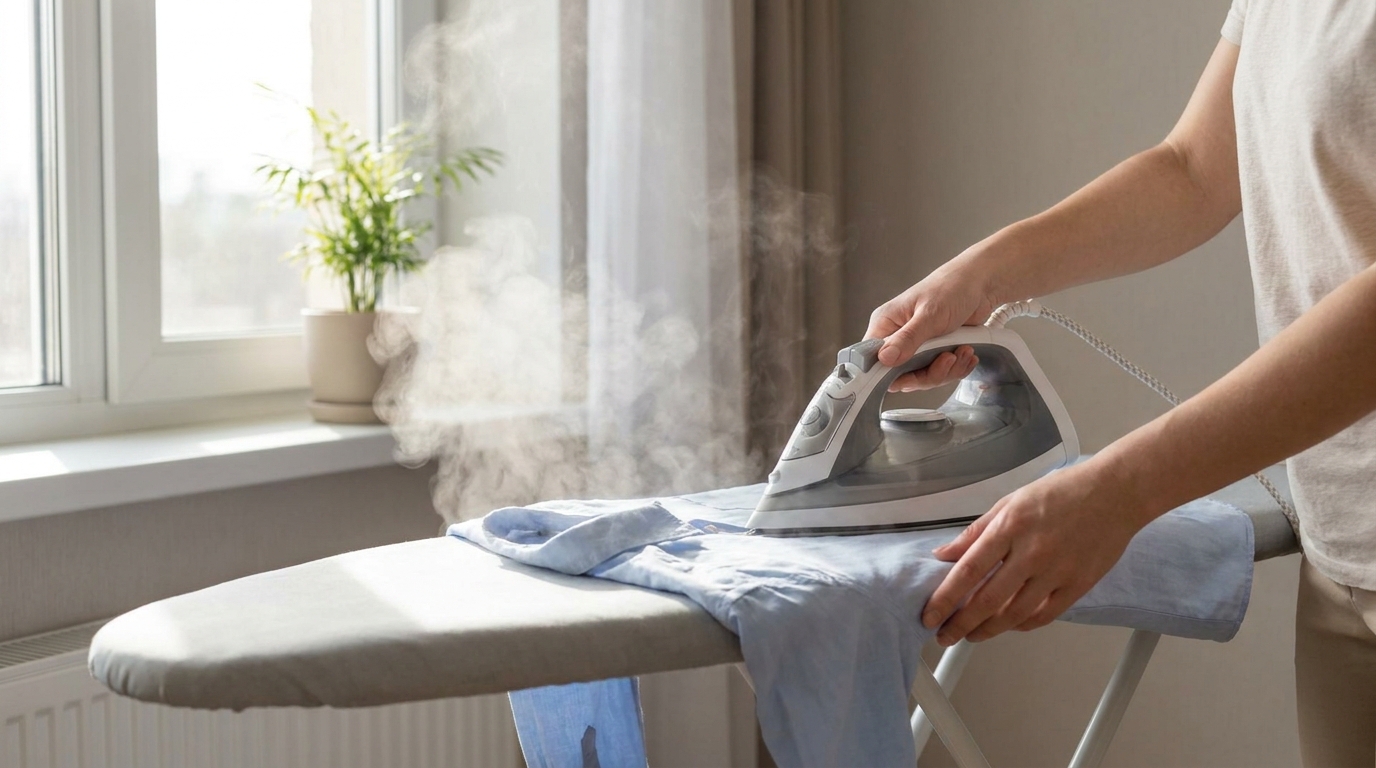
This material wrinkles almost immediately after washing. It holds creases firmly due to its low elasticity. You must iron it correctly to restore a smooth appearance. The secret always lies in moisture. Never iron this material when it feels completely dry.
Press your garments while they remain slightly damp. If the fabric dried completely, lightly mist it first. Use a simple spray bottle for this step. Set your iron to a medium-to-high heat setting. It easily handles temperatures up to 200°C (400°F).
The combination of high heat and moisture relaxes stiff fibers. It smooths out deep wrinkles effortlessly. At Sainty, our premium natural textiles respond beautifully to damp ironing. Our OEKO-TEX certified manufacturing ensures these fibers retain their structural integrity and natural sheen after pressing.
| Care Step | Recommended Method | What to Strictly Avoid |
|---|---|---|
| Drying | Lay flat or hang on padded hangers in the shade. | Tumble drying or drying in direct sunlight. |
| Ironing State | Press while the fabric remains slightly damp. | Ironing bone-dry fabric without steam. |
| Iron Temperature | Medium to high heat (up to 200°C / 400°F). | Low heat (fails to remove stubborn wrinkles). |
Sourcing High-Quality, Washable Ramie Fabrics
You just learned how proper drying and damp ironing preserve your clothes. However, gentle aftercare only goes so far. Can you wash ramie in a washing machine repeatedly without ruining it? The answer heavily depends on the raw material itself. Washability and long-term durability always start at the factory level.
Poorly processed bast fibers snap easily under mechanical agitation. They lack the necessary flexibility to survive even a delicate cycle. High-quality manufacturing ensures the yarns maintain their incredible wet strength. It properly prepares the crystalline structure for regular home washing.
The Importance of Certified Manufacturing
This is where expert production becomes crucial. Sainty operates as a premier custom ramie fabric factory. We supply premium natural and regenerated cellulose textiles to global apparel brands. Our manufacturing processes carry strict BSCI, GRS, and OEKO-TEX certifications.
These rigorous standards guarantee ethical and sustainable production entirely. They also ensure the final material withstands regular machine washing safely. We eliminate the harsh chemical treatments causing premature fiber brittleness.
| Manufacturing Factor | Impact on Machine Washability | Sainty Production Standard |
|---|---|---|
| Fiber Treatment | Determines flexibility during spin cycles. | OEKO-TEX certified processes prevent brittleness. |
| Pre-Shrinking | Prevents severe size loss in cold water. | Stabilizes dimensions before garment construction. |
| Dye Quality | Controls color bleeding in the wash drum. | Uses premium dyes for lasting deep tones. |
Partnering for Reliable Wholesale Materials
Apparel brands need reliable, consumer-friendly materials. When sourcing wholesale ramie fabric, you must choose an experienced supplier. We understand exactly how natural and blended textiles behave in water. Our flagship TR Fabric alongside our natural lines undergo extensive durability testing.
We expertly blend this durable material alongside Tencel™, Modal, and Viscose. These combinations soften the initial stiffness beautifully. They also reduce the severe wrinkling we discussed earlier. This creates stunning, long-lasting garments. It guarantees your customers can confidently wash their eco-friendly clothes at home.
Conclusion
You can safely wash ramie in a washing machine. Always use cold water and gentle cycles. Please avoid using the dryer to prevent damage. Proper care extends the life of sustainable textiles. Brands should source premium materials from trusted suppliers. Partner with Sainty for certified eco-friendly fabric collections.
- Read care labels before washing anything.
- Buy mild detergent for natural fibers.
- Contact Sainty for your wholesale needs.
Frequently Asked Questions About Washing Ramie
Why does my ramie shirt feel stiff after washing?
Ramie fibers naturally crystallize when they get wet. This reaction makes the fabric feel stiff or scratchy. You can easily fix this crunchy texture at home. Add a half-cup of white vinegar to your rinse cycle. The vinegar removes leftover soap residue beautifully. It softens the natural fibers without causing any damage. Regular wear also helps the fabric relax over time.
Does ramie fabric shrink in the washing machine?
Yes, ramie can shrink during its very first wash. Expect about four to ten percent shrinkage overall. This usually happens if the fabric is not pre-shrunk. You should always use cold or lukewarm water. Keep the temperature below 40 degrees Celsius. Hot water causes the fibers to contract much faster. Sainty provides high-quality natural textiles that meet strict global standards. Proper care keeps your certified fabrics looking their absolute best.
Can I put ramie clothes in the dryer?
You should never put ramie garments in a tumble dryer. The high heat causes severe shrinkage and permanent creasing. The tumbling action also damages the brittle cellulosic fibers. Instead, you must let these items air dry naturally. Lay them flat on a clean towel to dry. You can also drip dry them on a thick hanger. Avoid thin wire hangers to prevent weird shoulder bumps.
Is it better to dry clean or machine wash ramie?
You can safely machine wash most basic ramie clothes. Use a delicate cycle with a protective mesh laundry bag. However, dry cleaning is better for highly structured garments. Tailored jackets with special linings often require professional dry cleaning. The fiber itself handles water extremely well. In fact, ramie gets even stronger when it becomes wet. Always check the care label on your specific garment first.
How do I stop ramie from wrinkling so much?
Ramie has low resiliency and wrinkles very easily. You cannot completely stop this natural fabric from wrinkling. However, you can manage the creases with proper ironing techniques. Iron the fabric while it is still slightly damp. Use a high heat setting up to 200 degrees Celsius. Steam pressing also helps smooth out stubborn wrinkles effectively. Roll your clothes instead of folding them for storage. This storage trick prevents sharp creases and broken fibers.
Follow these quick steps to maintain your beautiful textiles.
- Place your garments inside a mesh bag before washing.
- Select a gentle cycle with a mild liquid detergent.
- Remove items promptly to flat dry on a towel.
- Store dry pieces by rolling them to prevent snapping.