Global brands love modal for its luxurious softness and eco-friendly nature.
But does this popular modal fabric actually shrink? It resists shrinking better than rayon, but heat causes damage.
In this post, you will learn how to safely wash, dry, and source premium modal textiles.
What is Modal Fabric and Why is it So Popular?

You already know global brands love this material for its luxurious feel. But what exactly makes it so special? Modal is a semi-synthetic regenerated cellulose fiber. Manufacturers create it by spinning reconstituted cellulose from beech tree pulp. This makes it a highly sustainable alternative to fully synthetic materials. At Sainty, we specialize in these eco-friendly textiles. As a high quality modal textile manufacturer, we produce premium regenerated cellulose fabrics backed by GRS, OEKO-TEX, and BSCI certifications.
Consumers actively seek out this fabric for everyday apparel and activewear. It offers several distinct advantages over traditional textiles:
- Exceptional breathability: The natural cellulose base allows air to flow freely through the garment.
- Moisture-wicking power: It is 50 percent more absorbent than regular cotton. This easily keeps you dry during warm weather.
- Silky texture: The fine fibers create a smooth, drapeable finish that feels great against the skin.
- Vibrant color retention: It absorbs dye deeply into the cellulose chain. This prevents fading even after multiple washes.
So, does modal fabric shrink easily? The short answer is no, provided you handle it correctly. It boasts incredibly high dimensional stability. This comes from its High Wet Modulus (HWM) structure. Unlike standard viscose, it remains remarkably strong when wet. The fibers do not easily break or deform during normal laundering.
Let us compare it to other common materials to see why it resists shrinking and pilling so effectively.
| Fabric Type | Shrinkage Resistance | Wet Strength | Pilling Resistance |
|---|---|---|---|
| Modal | High (Shrinks 50% less than cotton) | High (Retains shape well) | High (Smooth surface friction) |
| Cotton | Moderate to Low | High | Moderate |
| Standard Viscose | Low | Low (Loses up to 50% strength) | Low |
The tight weave density of premium modal further locks these strong fibers in place. This structural integrity means your garments keep their original fit much longer. They strongly resist the permanent stretching or bagging out often seen in cheaper knits.
Does Modal Fabric Shrink When Washed?
You just learned how its tight weave prevents permanent stretching. But does modal fabric shrink when you actually wash it? The definitive answer is yes, but only slightly. It resists shrinking much better than standard rayon or cotton. However, no cellulose fiber is completely shrink-proof.
Most shrinkage happens during the very first laundering cycle. High-quality garments typically experience a negligible shrinkage rate. You can expect about a 1 to 2 percent reduction in size. This natural relaxation is standard for semi-synthetic fibers. As a trusted pre shrunk modal fabric supplier, we ensure our textiles undergo rigorous finishing. This minimizes initial contraction for the global apparel brands we serve.
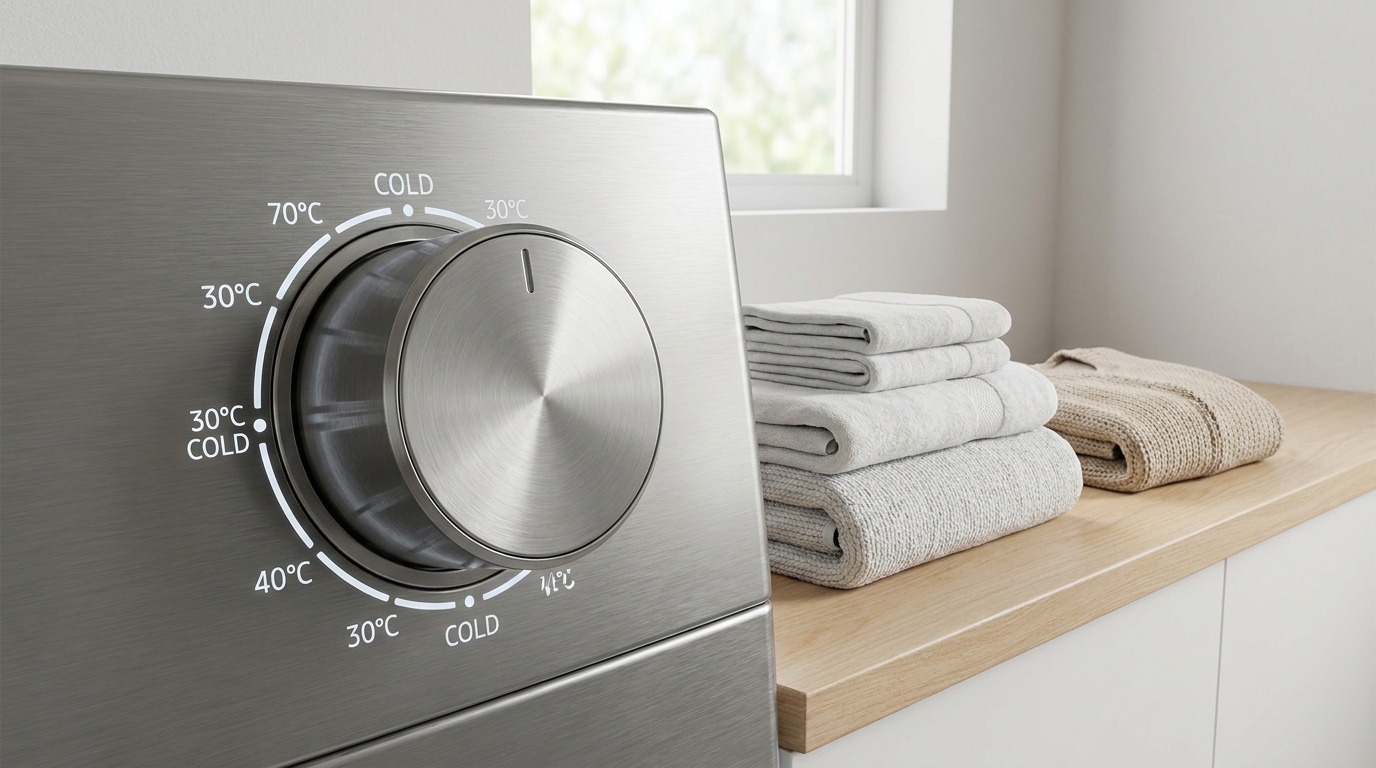
Heat acts as the primary enemy of this material. Washing your clothes in hot water causes the cellulose chains to warp. Water temperatures over 40°C (104°F) drastically increase the risk of fiber contraction. You should always use water at 30°C (86°F) or lower.
Remember that this fabric is highly absorbent. Fibers swell heavily when they get wet. Hot water shocks these swollen fibers. They then lock into a smaller, contracted state.
Mechanical agitation also drives fabric deformation. Heavy friction inside a washing machine damages the smooth surface. Aggressive spin cycles directly lead to micro-shrinkage. The delicate fibers mash together under heavy stress. They quickly lose their original dimensional stability.
We can break down the primary shrinkage triggers and their effects below:
| Shrinkage Trigger | Effect on Fibers | How to Prevent It |
|---|---|---|
| First Wash | Natural relaxation (1-2% size reduction) | Source from certified manufacturers |
| Hot Water (>40°C/104°F) | Thermal contraction and warping | Wash at 30°C (86°F) or cooler |
| Heavy Agitation | Micro-shrinkage and surface pilling | Use delicate cycles or hand wash |
Modal Blends vs. 100% Modal: Shrinkage Differences
We just looked at how heat and heavy agitation trigger micro-shrinkage. You also know pure modal holds its shape exceptionally well in cold water. But does modal fabric shrink differently when mixed into other materials? The answer depends entirely on the specific blend.
Pure, 100 percent modal is highly stable. As we covered earlier, its tight weave and high wet modulus resist permanent stretching. It retains its shape beautifully when you wash it in cold water. You only see minimal natural relaxation during the first wash. This makes it perfect for standalone luxury garments.
Manufacturers often blend it into cotton to create breathable everyday tees and loungewear. These cotton-modal blends are slightly more susceptible to shrinking. Cotton fibers naturally contract much more than regenerated cellulose when exposed to moisture. If a garment contains mostly cotton, it will follow cotton’s shrinkage patterns. You must handle these mixed pieces carefully to avoid losing their original fit.
Adding elastane changes the fabric behavior completely. Spandex-modal blends offer excellent stretch, rapid recovery, and superior shape retention. A typical mix includes 5 to 10 percent spandex. This small addition prevents the material from bagging out over time. It also locks the cellulose fibers securely in place. This drastically reduces overall thermal contraction. Clothing brands frequently invest in wholesale modal spandex fabric to produce premium activewear and intimates. The resulting garments stretch effortlessly and snap right back to their original size.
At Sainty, we manufacture these diverse textile blends alongside our flagship TR fabric. Global apparel brands rely on our OEKO-TEX and GRS certified materials to ensure consistent performance. We can break down how these different compositions behave during laundering.
| Fabric Composition | Shrinkage Risk | Primary Characteristics |
|---|---|---|
| 100% Modal | Very Low (1-2%) | Highly stable, ultra-soft, retains shape in cold water. |
| Cotton-Modal Blend | Moderate | Slightly more prone to shrinking; follows cotton’s behavior. |
| Spandex-Modal Blend | Extremely Low | Excellent stretch, high recovery, minimal deformation. |
How to Wash Modal Fabric Without Shrinking It
You just learned how different blends react to moisture and how heat triggers thermal contraction. Now you need to know exactly how to wash these garments safely. Proper laundering prevents micro-shrinkage and keeps your clothes looking brand new.
As a trusted modal fabric roll supplier, we engineer our textiles to withstand regular home laundering. We back our production with OEKO-TEX and GRS certifications. This ensures you get a durable, premium product. However, how you handle the fabric at home dictates its ultimate lifespan.
Step-by-Step Washing Guidelines
Always start by checking the manufacturer care label. This small tag holds vital information specific to your garment. Since clothing brands often mix materials, the care instructions might differ slightly. A pure modal shirt needs different care than a cotton blend. You should also turn your items inside out before washing. This simple rule protects the smooth surface from mechanical abrasion and pilling.
Your water temperature choices are critical. As we covered earlier, heat acts as the primary enemy of regenerated cellulose. You must strictly use cold or lukewarm water. Keep the temperature at or below 30°C (86°F). Hot water shocks the swollen wet fibers. They quickly warp and lock into a contracted state. Cold water perfectly maintains the structural integrity of the cellulose chains.
Mechanical agitation causes significant damage during the wash. Heavy friction forces the delicate fibers to mash together. Always opt for the gentle or delicate cycle on your washing machine. Place smaller items or activewear inside a mesh laundry bag. This adds an extra layer of protection against aggressive spin cycles.
Your choice of detergent matters just as much. Choose mild, eco-friendly detergents. Strictly avoid bleach. Harsh chemicals break down the fibers and weaken the fabric. You should also skip traditional fabric softeners. They coat the material in a waxy residue. This ruins the natural moisture-wicking power and breathability.
Why Hand Washing is the Safest Method
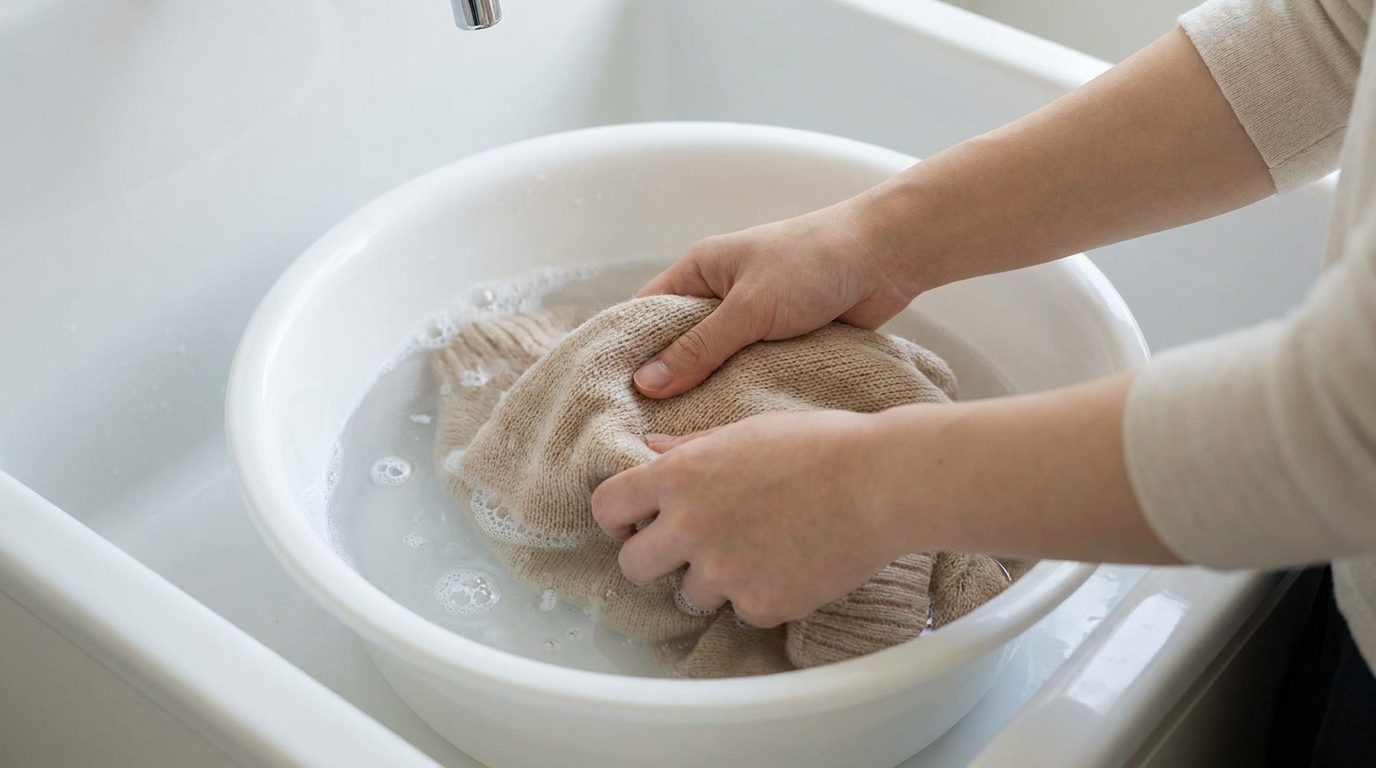
Machine washing works fine for everyday care. However, hand washing remains the absolute safest method. It completely eliminates heavy mechanical friction. The process is incredibly simple and highly effective.
- Prepare the water: Fill a clean basin with cool water and a few drops of mild detergent.
- Soak gently: Submerge the garment and gently swirl it around for a few minutes.
- Avoid wringing: Never wring or twist the wet fabric. Wringing severely stretches the heavy, water-logged fibers.
- Press to drain: Gently press the water out against the side of the basin instead.
Professionals in any custom modal knit factory understand how wet fibers behave under stress. Because this material absorbs 50 percent more water than cotton, the garments become very heavy when soaked. Supporting the weight of the wet fabric prevents permanent vertical stretching.
Can You Put Modal in the Dryer? (Drying Tips to Prevent Shrinkage)
We just discussed how wet modal fibers become heavy and vulnerable during washing. You also know hot water shocks them into a contracted state. So, does modal fabric shrink in the dryer? Yes, it absolutely does when exposed to high heat. Tumble drying on high stands as the number one reason these garments lose their shape. The intense heat bakes the delicate cellulose chains. It causes severe thermal contraction and leaves the fibers brittle.
The Safest Way to Air Dry
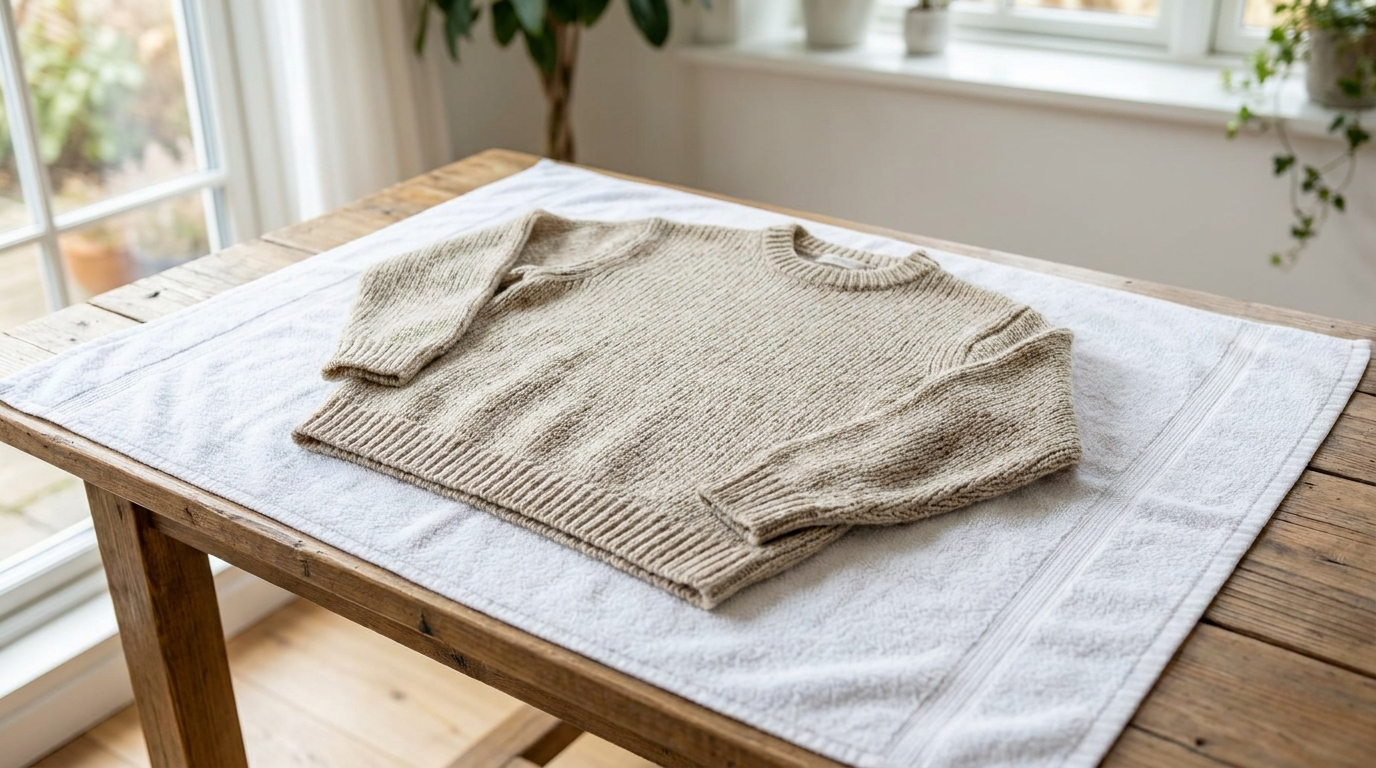
You should always air dry these garments whenever possible. Laying them flat on a clean, white towel remains the absolute best method. We mentioned earlier how heavy the wet fabric gets. Gravity pulls this excess water weight downward. If you line dry a soaking wet sweater, it will suffer from permanent vertical stretch. The heavy hem easily becomes distorted over time. Users often mistake this stretching for poor fit. It simply comes from improper drying techniques. If you prefer hanging your clothes, use a thick padded hanger. Only do this after the item is mostly dry.
Machine Drying Rules
Sometimes you need your clothes dried quickly. You can use a machine, but you must take strict precautions. Always select the low heat or air fluff setting on your dryer. High heat destroys the dimensional stability we carefully engineer into our regenerated cellulose textiles. You must also remove the garments while they are still slightly damp. Letting them tumble until bone-dry causes the fibers to stiffen and shrink. Take them out early and lay them flat to finish drying naturally.
| Drying Method | Shrinkage Risk | Best Practices |
|---|---|---|
| Flat Air Dry | None | Lay flat on a white towel to prevent vertical stretching. |
| Machine Tumble Dry | High (if hot) | Use low heat or air fluff. Remove while slightly damp. |
| Line Drying | Moderate (Stretching) | Only hang on padded hangers when mostly dry. Avoid gravity pull. |
Ironing and Steaming Safely
Air drying sometimes leaves mild wrinkles behind. You can easily remove these without applying direct, scorching heat. A handheld garment steamer works perfectly here. The gentle steam safely relaxes the cellulose fibers back into their original shape. This easily fixes any temporary wet shrinkage. If you must use a traditional iron, turn it to the cool or silk setting. This keeps the temperature around 110°C (230°F). Always iron the garment inside out. Direct high heat can quickly scorch the smooth semi-synthetic surface.
How to Unshrink Modal Fabric (If Accidents Happen)
We just covered how high heat easily bakes delicate cellulose chains. You know a hot dryer causes severe thermal contraction. If an accident happens, does modal fabric shrink permanently? Fortunately, you can often reverse minor shrinkage. Our premium regenerated cellulose at Sainty recovers beautifully from minor accidents. Because these fibers are highly absorbent, you can relax them. Do not panic if your favorite shirt looks too small. You just need to manipulate the wet fibers carefully.
The Conditioner Soaking Method
You can unshrink garments using a simple soaking method. Use lukewarm water to fill a clean basin. Keep the temperature cool to avoid further heat damage. Pour in one tablespoon of baby shampoo or gentle hair conditioner. Mix the soapy solution thoroughly. Submerge your shrunken item completely into the basin. The conditioner acts as a natural relaxing agent. It targets the tightly contracted fibers directly. Let the garment soak for 15 to 30 minutes.
As we covered earlier, this material absorbs heavy moisture. This deep absorption allows the conditioner to penetrate the cellulose structure. It easily smooths and loosens the stiffened threads.
Safely Stretching the Fibers Back to Size
After soaking, gently massage the fabric underwater. This encourages the fibers to release their tight grip. Rinse the item lightly using cool water. Remember, do not wring or twist the heavy wet fabric. Press the water out gently against the basin walls instead. Now you must carefully reshape the garment.
Lay a clean white towel flat on a table. Place the damp garment flat on top of it. Carefully stretch the material back to its original dimensions. Pull evenly on the sleeves, hem, and collar. You must pull gently to avoid tearing wet fibers. Leave the item flat on the towel to dry completely.
| Restoration Step | Action Required | Why It Works |
|---|---|---|
| 1. Soak | Submerge in lukewarm water and hair conditioner for 30 minutes. | Conditioner penetrates the cellulose structure to relax stiff fibers. |
| 2. Massage & Rinse | Gently rub underwater, then rinse lightly. Press water out. | Releases the tight grip of thermal contraction without stretching damage. |
| 3. Stretch & Dry | Pull evenly to original size. Lay flat on a white towel. | Reshapes the relaxed fibers while gravity holds them in place. |
Sourcing Shrink-Resistant Modal from a Trusted Manufacturer
You just learned how to rescue a garment after a laundry accident. Proper care easily reverses minor thermal contraction. However, the best way to prevent deformation starts long before clothes reach your closet. It begins right on the production floor. Does modal fabric shrink less when manufactured correctly? Absolutely. The initial production and finishing processes directly determine how well the material holds its shape.
Raw cellulose fibers need precise engineering to achieve high dimensional stability. If a facility skips crucial pre-shrinking steps, the final garment will warp instantly. Partnering alongside a high quality modal textile manufacturer completely eliminates this risk. Expert producers lock the cellulose chains securely during the initial weaving and finishing stages. This vital step ensures the material withstands regular laundering effortlessly.
At Sainty, we operate as a leading supplier of premium fabrics. We specialize in our flagship TR Fabric. We also produce a comprehensive range of Regenerated Cellulose textiles. This includes premium Tencel™, Modal, and Viscose. Our extensive catalog further covers diverse Natural and Synthetic materials. Global apparel brands rely heavily on us as their trusted pre shrunk modal fabric supplier. We strictly control tension and temperature across every single production line. As a highly scalable modal fabric roll supplier, we easily meet high-volume demands while guaranteeing consistent quality.
Every clothing brand faces unique design challenges. You might need wholesale modal spandex fabric for premium activewear. You might require a dense, breathable weave for luxury bedding. We step in as your dedicated custom modal knit factory. Our textile engineers customize the exact weight, drape, and stretch your specific designs demand. We build shrinkage resistance directly into the fabric architecture from day one.
| Manufacturing Step | Impact on Fabric Structure | Benefit to the Consumer |
|---|---|---|
| Pre-Shrinking Treatment | Relaxes cellulose chains before cutting. | Prevents severe warping during the first home wash. |
| Tension Control Weaving | Maintains a highly stable, tight weave density. | Stops garments from permanently bagging out over time. |
| Certified Finishing | Locks fibers securely without harsh chemicals. | Retains vibrant colors and luxurious softness safely. |
Sustainable production matters just as much as fabric performance. GRS, OEKO-TEX, and BSCI certifications fully back all our manufacturing operations. These strict global standards ensure our facilities remain sustainable, safe, and highly ethical. You receive premium textiles completely free from harmful chemicals. Your customers get durable, eco-friendly clothes. These garments maintain their perfect fit wash after wash.
Conclusion
Modal fabric strongly resists shrinking when you keep it away from heat. Wash your garments in cold water. Apparel designers must contact Sainty to source premium, shrink-resistant modal fabrics.
- Check your clothing care labels before starting the wash.
- Set your washing machine to a gentle cold cycle today.
- Request a certified fabric sample from Sainty for upcoming collections.
Frequently Asked Questions About Modal Fabric Shrinkage
Can you unshrink modal fabric if it gets too small?
Yes, you can often save accidentally shrunken modal clothes. Fill a basin with lukewarm water. Add one tablespoon of baby shampoo or hair conditioner. Soak the garment to relax the cellulose fibers. Next, gently stretch the wet fabric on a flat surface. This conditioner trick restores the original dimensions. Let it air dry completely before wearing it again.
Does modal fabric stretch out or shrink over time?
Modal is highly stable and shrinks 50% less than cotton. It resists permanent shrinking when you wash it properly. However, it can stretch if you hang it up wet. Gravity pulls the wet fibers down, causing vertical stretch. Always fold your modal knitwear instead of hanging it. Sainty provides premium modal textiles with excellent dimensional stability. Proper care keeps your clothes fitting perfectly for years.
Can you safely put modal clothes in the dryer?
High heat is the main reason modal fabric shrinks. You should avoid standard hot dryer settings. Instead, use the low heat or air fluff options. Remove the clothes while they are still slightly damp. This prevents the semi-synthetic fibers from becoming too brittle. Laying them flat on a towel is an even better choice. Air drying protects the fabric and extends its lifespan.
Why does modal fabric develop small bumps after washing?
Those small bumps are called pilling. They happen when mechanical agitation rubs the smooth fabric surface. To prevent this, always wash your modal garments inside out. Use a delicate cycle and put them in a mesh laundry bag. Sainty manufactures regenerated cellulose fabrics designed for strong pilling resistance. Gentle washing keeps your sustainable textiles feeling soft and looking brand new.
How do modal blends shrink compared to pure modal?
Pure modal has a slight risk of shrinking if heated. Blends behave differently based on the added materials. Fabrics mixed with spandex or elastane maintain their shape much better. Modal and cotton blends follow the shrinkage pattern of the dominant fiber. As a trusted supplier, Sainty offers various certified blends to global brands. Check the care label to see the exact fabric mix.
Modal fabric offers excellent stability and shrinks much less than cotton. High temperatures remain the biggest threat to these smooth fibers. You can prevent damage by using cool water and low heat. Sainty produces premium, certified modal textiles that resist deformation. Proper washing and drying methods will keep your garments in perfect condition.
- Check the care label before washing your new clothes.
- Buy a mesh laundry bag for your delicate items.
- Set your washing machine to a cool water cycle.
- Sort your wardrobe to store heavy knitwear flat on shelves.