Quick Answer
Tencel fabric is made from regenerated cellulose, with TENCEL™ Lyocell and TENCEL™ Modal fibers primarily derived from responsibly sourced wood pulp. The wood cellulose is processed into textile fiber rather than being spun directly as wood; for TENCEL™ Lyocell, Lenzing uses an NMMO-based solvent-spinning process in which more than 99.8% of the solvent is recovered and reused. The key references for this explanation are Lenzing’s technical information on TENCEL™ fibers and fiber-production technology, together with the U.S. Federal Trade Commission (FTC) textile-fiber classification for lyocell.
What Is Tencel Fabric Made Of?
Put simply, Tencel fabric is made from cellulose originally derived from wood. The important distinction is that Tencel is not a natural wood fibre in the same way that cotton is a natural seed fibre or wool is an animal fibre. Instead, it is a regenerated cellulosic fibre: the cellulose is extracted and purified from a plant-based raw material, dissolved or processed into a spinning solution, and then regenerated into continuous filaments or staple fibres that can be spun and woven or knitted into fabric.
TENCEL™ is a brand name owned by Lenzing rather than the generic name of a single fibre. The TENCEL™ portfolio includes branded lyocell and modal fibres, both of which are derived from wood-based cellulose. While the FTC recognises ‘lyocell’ as a generic manufactured-fibre name, TENCEL™ identifies a particular branded fibre family produced by Lenzing. This distinction is important when reading clothing labels, as a garment may contain ‘Tencel™ Lyocell’, while the legally recognised generic fibre category is lyocell.
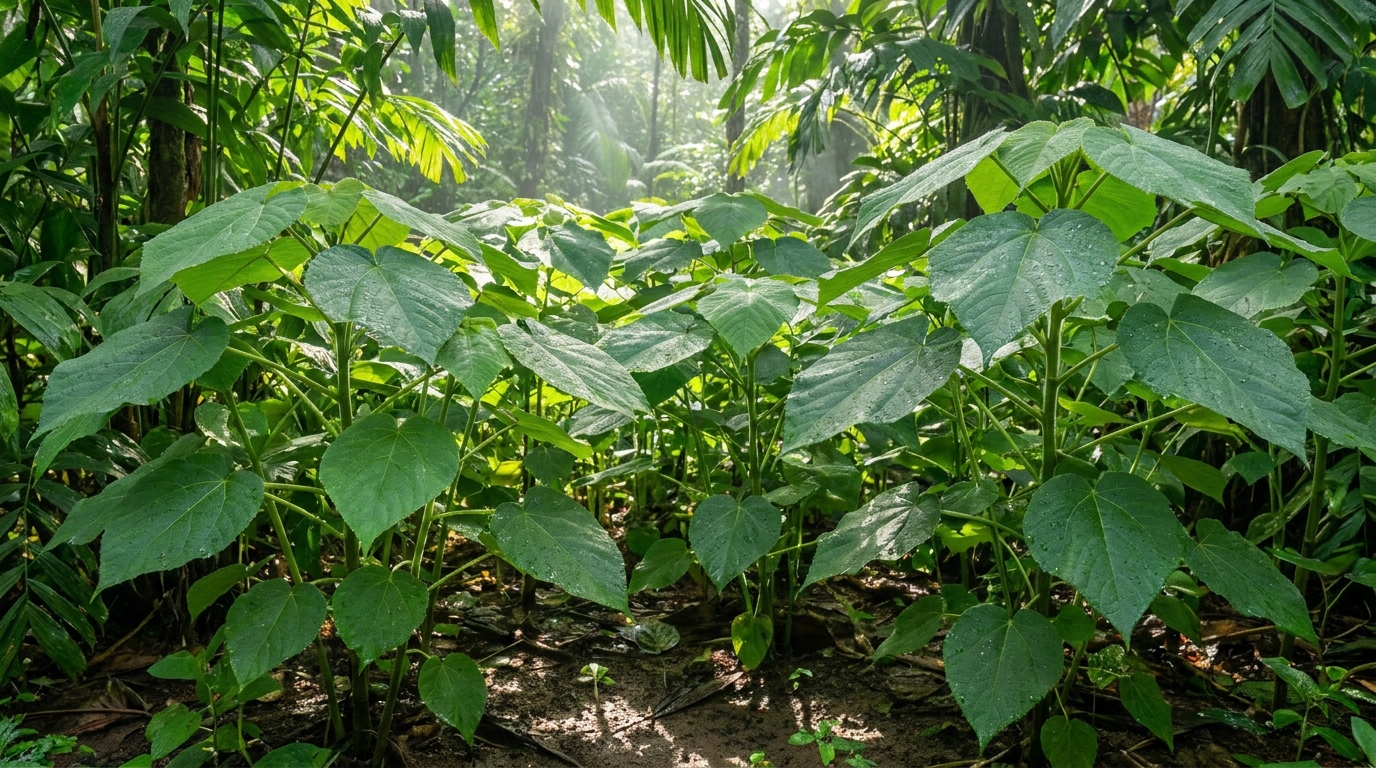
The wood used as the starting material can vary. Lenzing identifies eucalyptus as a predominant wood type used by its partners, while beech, spruce, birch, and pine can also be processed into the cellulose used for fiber production. Lenzing states that its wood and pulp are sourced from certified or controlled sources under its responsible sourcing policies.
| TENCEL™ fiber characteristic | What it means |
| Primary raw material | Cellulose derived from wood |
| Fiber category | Regenerated cellulosic fiber |
| Major TENCEL™ textile fibers | Lyocell and Modal |
| TENCEL™ Lyocell solvent | N-methylmorpholine-N-oxide (NMMO) |
| Manufacturing principle | Cellulose is dissolved and regenerated into fiber |
| TENCEL™ Lyocell solvent recovery | More than 99.8% according to Lenzing |
| Typical wood sources | Eucalyptus, beech, spruce, birch, pine and other qualified sources |
| Common fabric applications | Apparel, underwear, denim, shirts, dresses, home textiles and blends |
Is Tencel Made From Eucalyptus Trees?
One of the most common answers to the question ‘What is Tencel fabric made of?’ is ‘eucalyptus’, but it would be inaccurate to say that all Tencel comes exclusively from eucalyptus. While eucalyptus is an important source of wood for Lenzing’s cellulose supply chain, the company also sources wood from other tree species, including beech, spruce, birch and pine, depending on the fibre and sourcing arrangement.
This distinction is important because the term ‘eucalyptus fabric’ can create the impression that the finished textile retains some direct physical form of the tree. It does not. During production, the wood is first converted into dissolving pulp containing highly purified cellulose. This cellulose is then transformed into a textile fibre using fibre-production technology. By the time the material reaches a spinning mill, the original wood structure is no longer present.
Therefore, a more accurate description for consumers is wood-based regenerated cellulose fibre. Although eucalyptus can be the source of the cellulose, the finished Tencel textile behaves as a manufactured cellulosic fibre with engineered properties rather than as a mechanically processed piece of eucalyptus.
Lenzing also states that its wood and pulp procurement follows certified or controlled sourcing requirements, with more than 99% of the wood used at its own sites and partner pulp plants being certified or controlled under recognised sustainability standards such as FSC and PEFC.
How Is Tencel Lyocell Made From Wood?
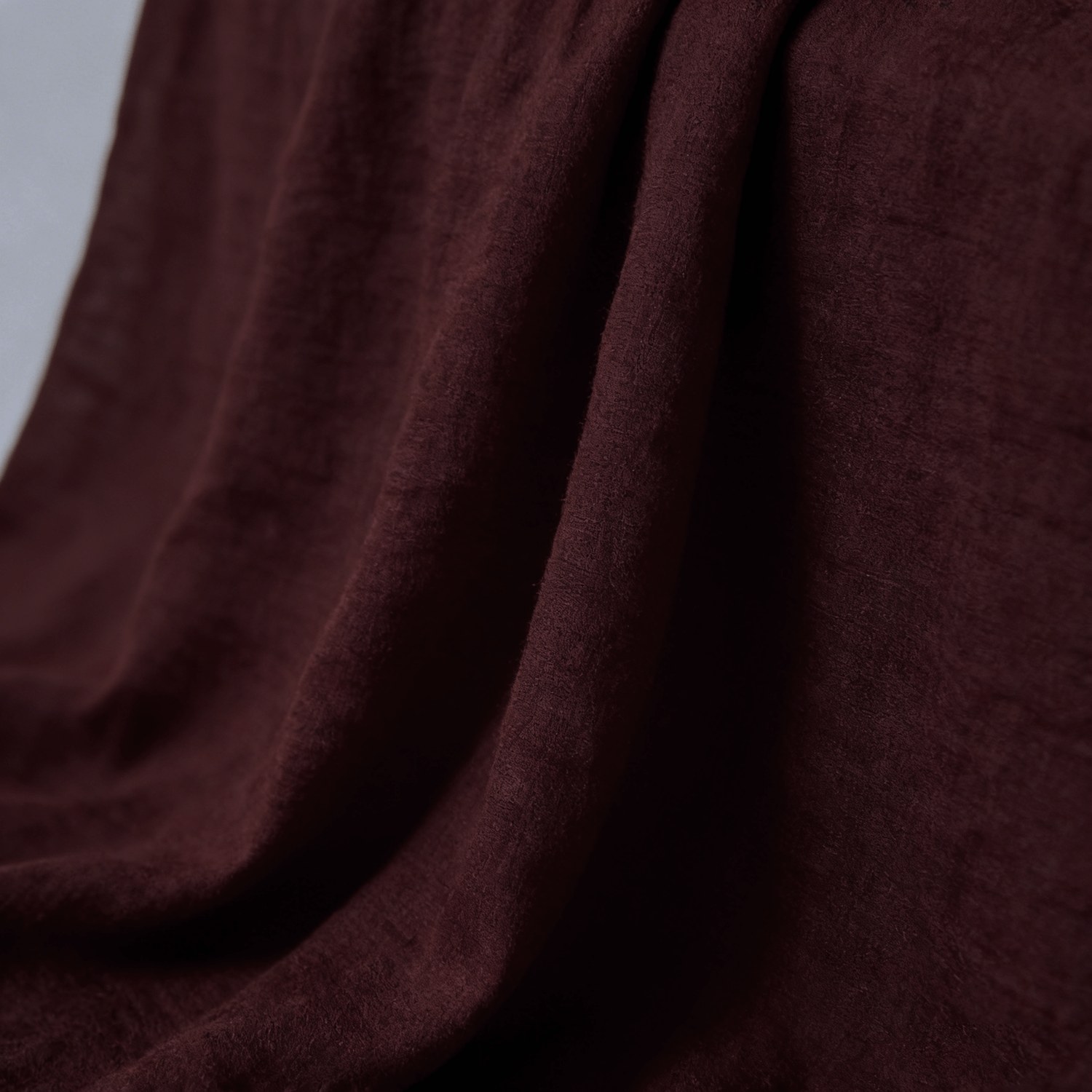
The process of transforming wood into Tencel fabric involves considerably more than simply grinding wood into fibres. The first major stage is producing or procuring dissolving wood pulp, where the cellulose is separated and prepared as a raw material suitable for fibre production. This cellulose-rich pulp then undergoes a controlled chemical and physical process that transforms it into a spinning solution.
For Tencel™ Lyocell, Lenzing uses a process involving N-methylmorpholine-N-oxide (NMMO). The cellulose pulp is suspended in a mixture of water and NMMO. As the water evaporates, the cellulose dissolves to form a homogeneous spinning solution known as a ‘dope’. This solution is then filtered and pushed through a spinneret containing tiny openings to produce continuous filaments. These filaments are subsequently washed, finished, dried, and cut to produce staple fibre.
One of the defining characteristics of the lyocell process is the solvent-recovery stage. Lenzing reports that approximately 99.8% of NMMO is recovered and reused in its closed-loop production system. This distinguishes the process from simply dissolving wood with disposable chemicals and releasing the solvent after fibre formation.
This production method also explains why Tencel should be described as a regenerated fibre. While the cellulose originates in nature, the textile fibre is engineered through an industrial regeneration process. In textile science, this combination of a natural raw material and controlled manufacturing distinguishes regenerated cellulose fibres from both conventional natural fibres and petroleum-derived synthetic fibres.
Is Tencel a Natural or Synthetic Fabric?
Tencel occupies an interesting position between conventional natural and synthetic fibres. Unlike synthetic fibres such as polyester or nylon, its fundamental polymer is cellulose obtained from a renewable biological source rather than a synthetic polymer derived from petroleum. However, it is not a natural fibre in the strict textile classification sense, as the cellulose has been dissolved and regenerated into a new fibre form.
The FTC’s classification of lyocell illustrates this distinction. According to U.S. textile labelling rules, lyocell is listed as a generic manufactured fibre and was formally added as a subclass of rayon in 1996. Historical documentation from the FTC explains that the fibre was developed from cellulose and marketed under the Tencel trade name.
This is why descriptions such as ‘wood fibre’, ‘plant-based fibre’, and ‘regenerated cellulose’ can all be used in discussions of Tencel, but they do not mean exactly the same thing. ‘Wood-based’ describes the source of the cellulose, ‘regenerated cellulose’ describes the fibre family and manufacturing concept, and ‘Tencel’ identifies Lenzing’s branded fibres.
For buyers comparing fabrics, this classification is more useful than simply calling Tencel ‘natural’. It explains how Tencel can combine a renewable cellulose feedstock with engineered properties such as strength, moisture management, smoothness, and controlled fibre dimensions.
What Is the Difference Between Tencel Lyocell and Tencel Modal?
TENCEL™ Lyocell and TENCEL™ Modal are related but not identical fibers. Both are branded regenerated cellulosic fibers from Lenzing, and both originate from wood-based cellulose, but they are manufactured using different fiber technologies and can be selected for different performance requirements.
TENCEL™ Lyocell is particularly associated with the lyocell process and its closed-loop NMMO solvent system. Lenzing describes its lyocell fibers as having high tenacity and high moisture uptake, properties that make them suitable for apparel and other textile applications where softness, comfort, and performance are important.
Modal belongs to the regenerated-cellulose family as well, but its production technology differs from the lyocell route. Lenzing’s technology overview identifies viscose and modal as a separate process family from lyocell. This means “Tencel” should not automatically be treated as synonymous with “Tencel Lyocell”; the precise fiber name on a product specification provides more useful technical information.
| Feature | TENCEL™ Lyocell | TENCEL™ Modal |
| Fiber family | Regenerated cellulose | Regenerated cellulose |
| Main raw material | Wood-based cellulose | Wood-based cellulose |
| Typical reputation | Strength, softness, moisture management | Softness, drape and comfort |
| Production technology | Lyocell process | Modal process |
| Common applications | Apparel, denim, shirts, dresses, home textiles | Underwear, base layers, sleepwear, soft apparel |
| Generic fiber classification | Lyocell | Modal |
| Brand relationship | TENCEL™ branded lyocell | TENCEL™ branded modal |
The distinction is useful when comparing fabric specifications because a garment labeled “Tencel” without identifying the fiber type does not provide as much technical information as one that states the exact fiber composition.
Why Does Tencel Fabric Feel So Soft?
The softness of Tencel fabric does not simply stem from the fact that it is made from wood. Its softness is also strongly influenced by the fibre’s physical structure, surface characteristics, fineness, fabric construction, finishing process, and blend composition. Tencel can be processed into fibres that feel smooth and drape fluidly, which is why it is frequently used in clothing worn directly against the skin.
Lenzing describes TENCEL™ Lyocell as having high moisture uptake and a high perceived level of thermal comfort. The company also offers Micro variants with finer fibres for increased softness and comfort.
The way the fabric is constructed is just as important as the fibre itself. For example, a lightweight knitted Tencel fabric may feel substantially different from a heavy woven Tencel denim, even though both contain the same branded fibre. Yarn count, fabric weight, finishing, fibre blending and garment washing can all affect the final texture.
This is an important point for buyers because ‘Tencel’ does not guarantee a universal fabric texture. While the fibre establishes a performance foundation, subsequent spinning, weaving, knitting, dyeing, finishing and garment construction determine much of what the consumer actually experiences.
Is Tencel Fabric Sustainable?
Tencel is often marketed as a more sustainable textile option because its raw material is wood-based and its lyocell production uses a closed-loop solvent recovery system. While these characteristics are important, sustainability should be assessed in terms of the entire production process, including raw material sourcing, energy and water use, chemical management, durability, garment use and end-of-life treatment.
Lenzing states that its Tencel™ lyocell fibres are made from wood-based cellulose and that its wood and pulp are sourced from certified or controlled sources. The company also reports that more than 99.8% of the NMMO solvent used in its lyocell process is recovered and reused.
Furthermore, Lenzing reports that TENCEL™ Lyocell and Modal fibres use at least 50% less carbon and water than generic lyocell and modal respectively, based on life-cycle assessment methodology and data made available through the Higg Materials Sustainability Index. As these are comparative claims made by Lenzing, they should be understood as product-specific environmental assessments rather than a universal statement that every lyocell textile has the same environmental footprint.
Another factor is biodegradability. Lenzing states that its standard TENCEL™ Lyocell and Modal fibres have been certified by TÜV AUSTRIA as biodegradable under specified soil, freshwater and marine conditions. However, the biodegradation of a finished garment depends on its complete material composition, including dyes, finishes, coatings, elastane, polyester stitching and other components.
What Types of Clothing Are Made From Tencel Fabric?
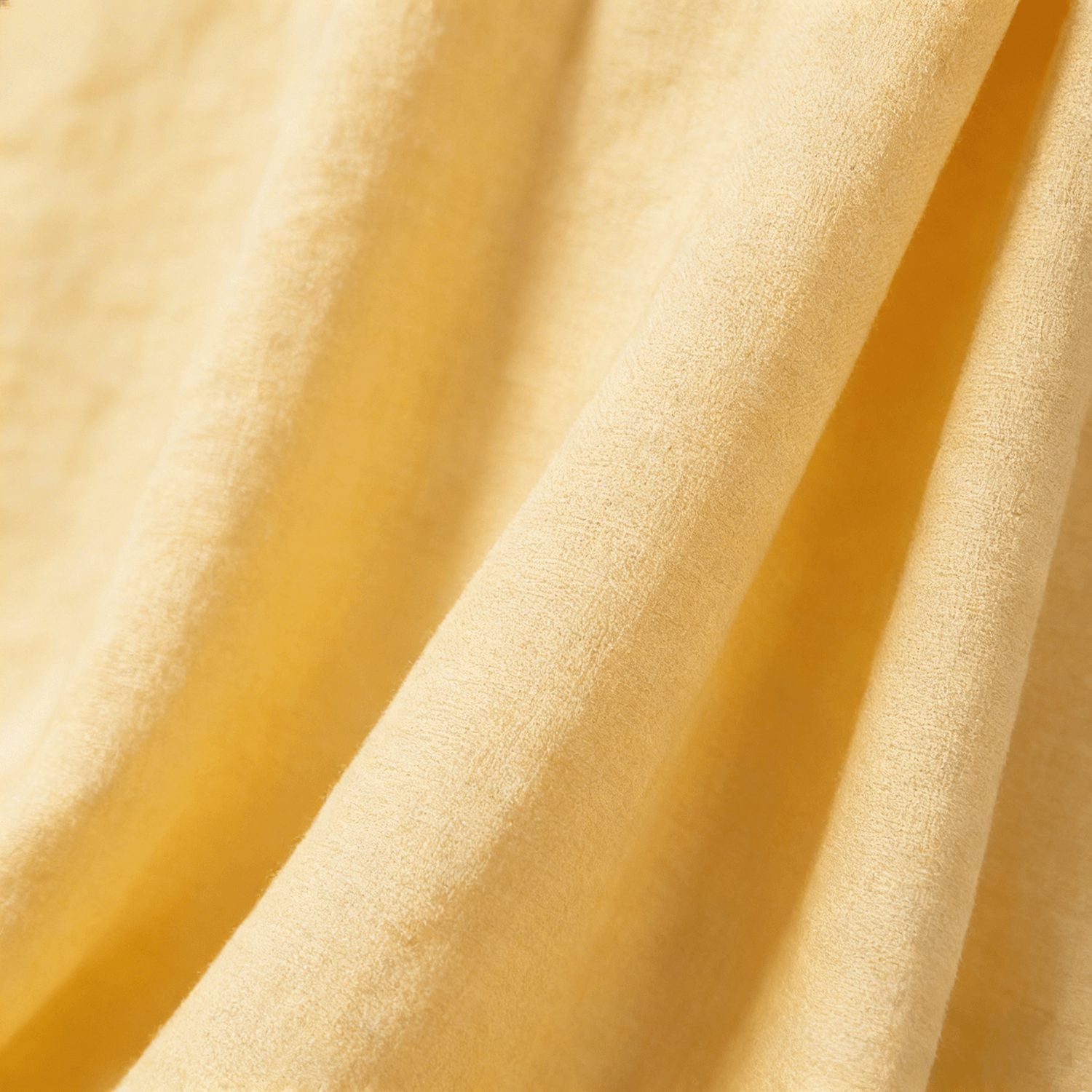
Tencel fabric is used in a wide range of clothing because regenerated cellulose can be processed into various fibre forms and blended with other fibres. Common applications include shirts, dresses, blouses, underwear, sleepwear, trousers, denim and activewear or casual clothing, as well as lightweight home textiles.
Tencel is useful for apparel because it can balance several characteristics that designers often need simultaneously. For example, a fabric can be soft against the skin while still being strong, managing moisture well, taking up dye easily, and draping nicely. Lenzing specifically highlights the high tenacity and moisture uptake of Tencel™ lyocell fibres.
Tencel can also be blended with other fibres rather than being used on its own. Cotton-Tencel blends, for instance, combine the familiar properties of cotton with those contributed by regenerated cellulose. Blends with polyester, elastane, wool or other fibres can be designed to meet specific durability, stretch, appearance or cost requirements.
Therefore, for product developers, the term ‘Tencel fabric’ should be seen as the start of a material specification rather than the complete specification. Fibre percentage, fibre type, fabric construction, weight, finishing and blend composition are all necessary to understand how the finished textile will perform.
Is Tencel Better Than Cotton or Polyester?
There is no universal winner because Tencel, cotton, and polyester are different material systems with different strengths. Tencel is particularly attractive when softness, moisture management, drape, regenerated-cellulose content, and wood-based sourcing are important; cotton remains widely valued for its familiar hand, versatility, and established supply chain; polyester is often selected when high durability, dimensional stability, rapid drying, or cost efficiency is a priority.
The comparison also changes according to the end use. A lightweight summer shirt may benefit from the hand feel and moisture-related characteristics of a cellulosic fabric, while a highly abrasion-resistant workwear garment may prioritize another fiber or blend. Similarly, a stretch garment may contain Tencel together with elastane rather than relying on Tencel alone.
Environmental comparisons require similar care. Calling one material “sustainable” and another “unsustainable” based solely on raw-material origin oversimplifies textile production. Fiber production, electricity sources, water use, dyeing, transportation, garment lifetime, washing behavior, recycling potential, and disposal all contribute to the overall impact.
For this reason, buyers should compare specific fibers and specific products, rather than assuming that every fabric carrying a particular fiber name has an identical environmental profile.
FAQ About Tencel Fabric
- What is Tencel fabric made of?
Tencel fabric is made from regenerated cellulose, with TENCEL™ Lyocell and Modal fibers primarily derived from wood-based cellulose. Eucalyptus is an important wood source, but other tree species can also be used.
- Is Tencel made from eucalyptus?
Some TENCEL™ fibers use eucalyptus-derived cellulose, but Tencel is not exclusively made from eucalyptus. Lenzing also identifies beech, spruce, birch, pine, and other qualified wood sources.
- Is Tencel a natural or synthetic fabric?
Tencel is best classified as a regenerated cellulosic manufactured fiber rather than a conventional natural or synthetic fiber. Its cellulose originates from natural wood, but the fiber itself is produced through an industrial regeneration process.
- Is Tencel the same as lyocell?
TENCEL™ is a brand name, while lyocell is a generic fiber category recognized in textile labeling regulations. TENCEL™ Lyocell is therefore a branded form of lyocell fiber produced by Lenzing.
- Is Tencel fabric eco-friendly?
TENCEL™ Lyocell is wood-based and produced using a closed-loop process with very high solvent recovery, which are important environmental characteristics. Its overall environmental impact still depends on the complete supply chain and finished garment.
- Is Tencel better than cotton?
Tencel and cotton have different performance characteristics, so neither is universally better for every application. Tencel is often chosen for softness, drape, and moisture-related comfort, while cotton remains a versatile natural fiber with a long-established textile supply chain.
Conclusion
Tencel fabric is made from regenerated cellulose, which is primarily sourced from wood rather than raw wood fibres. In the case of Tencel™ Lyocell, purified wood-based cellulose is dissolved using an NMMO-based process and regenerated through spinning to create textile fibres. Lenzing reports a recovery and reuse rate of more than 99.8% for the solvent.
The most important distinctions are between the raw material, fibre technology, and brand name. Wood is the renewable starting material; regenerated cellulose describes the fibre category; lyocell or modal identifies the specific fibre technology; and TENCEL™ identifies Lenzing’s branded fibre portfolio.
This distinction explains why Tencel has become relevant in modern apparel and textile manufacturing. It combines a wood-based cellulose feedstock with controlled fibre engineering, enabling manufacturers to produce fabrics that are soft, moisture-managing, strong, drape well, and can be constructed in a wide variety of ways. When evaluating Tencel fabric, it is important to look beyond the marketing name and check the exact fibre type, percentage, fabric construction, and sourcing information to get a clear picture of the material.