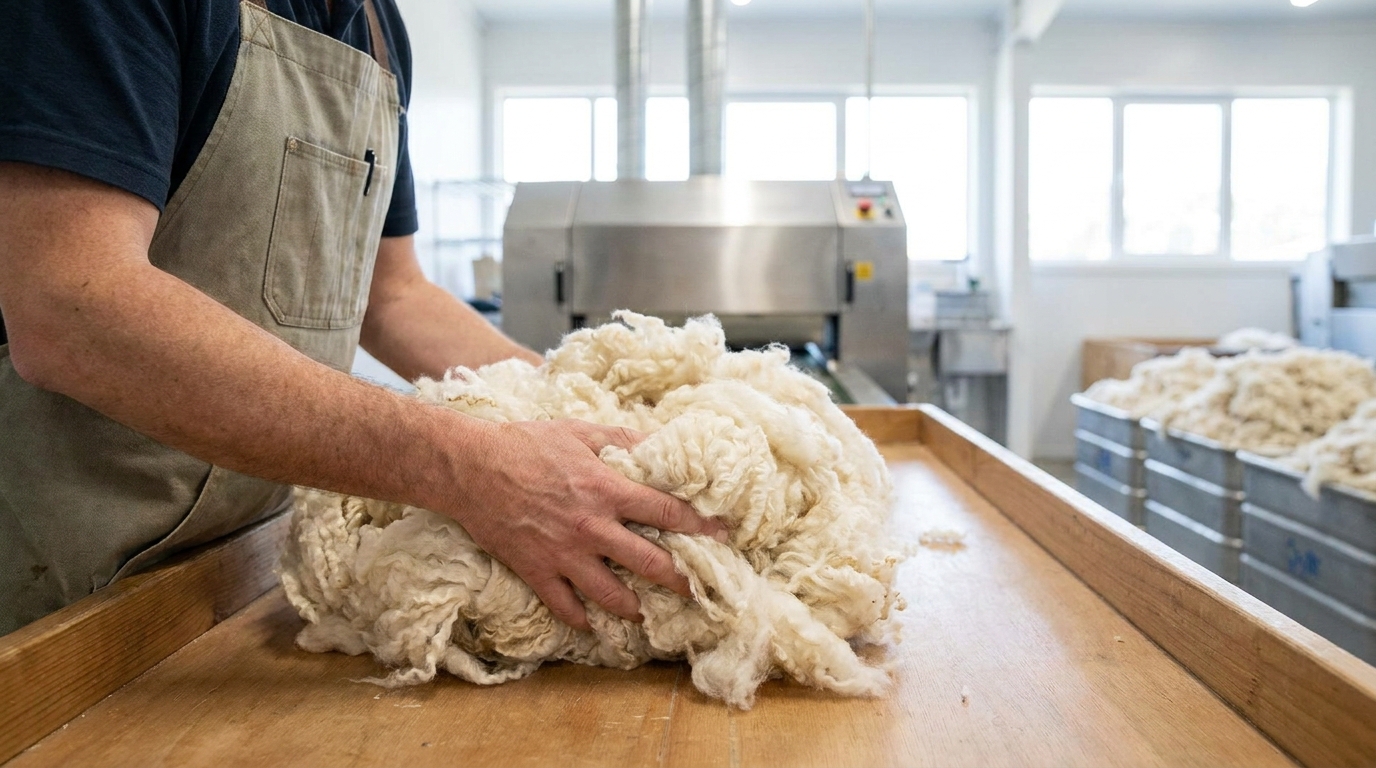
Washing synthetic clothes floods our oceans with harmful microplastics. Today, conscious consumers demand truly sustainable clothing alternatives.
Does ramie fabric actually contain any hidden microplastics? As a natural plant fiber, pure ramie contains zero plastic.
In this post, you will learn about ramie’s composition and sustainable sourcing.
What is Ramie Fabric? Understanding the Natural Fiber
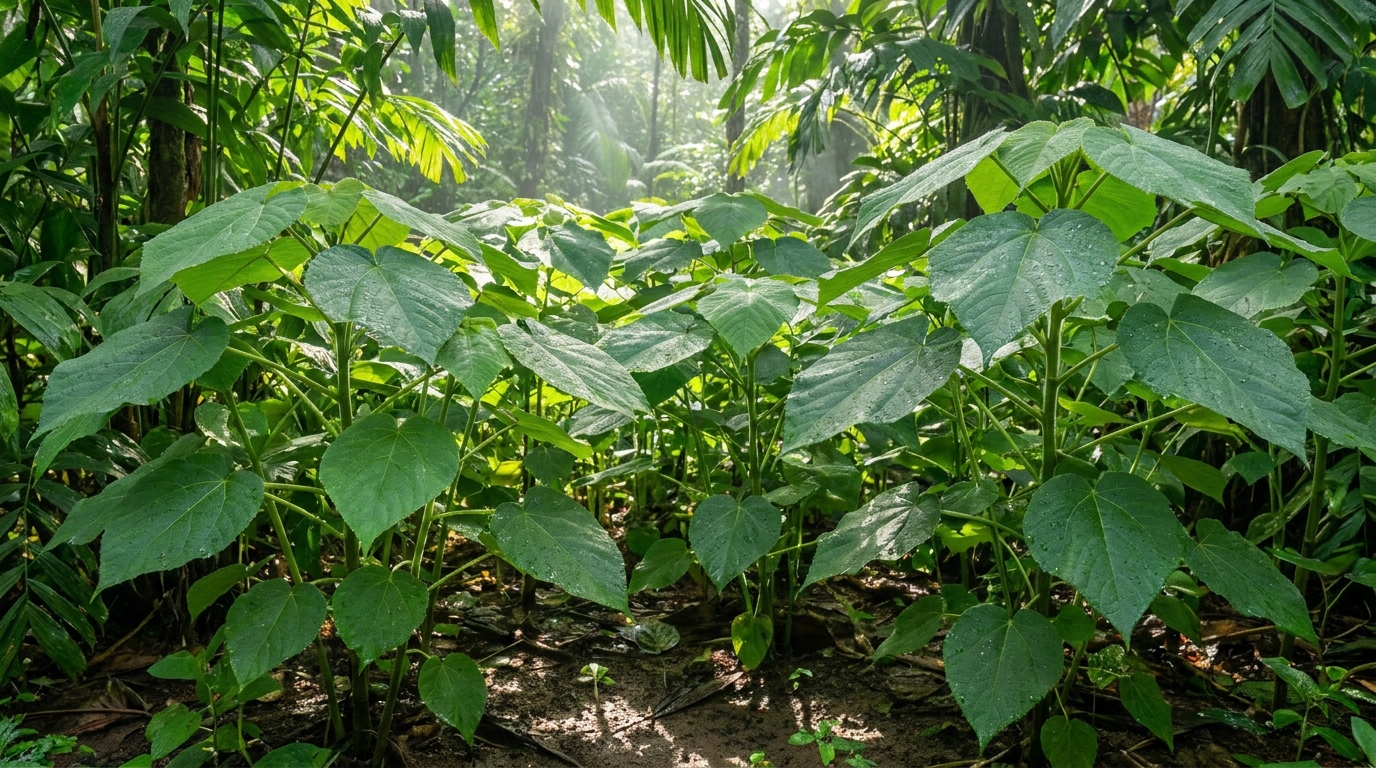
As we promised above, let’s explore exactly how this textile is sourced. To truly answer the question, “does ramie contain microplastics?”, you must first look at its biological origins. Ramie is a 100% natural bast fiber. It contains zero petroleum-derived polymers.
The Origins of Ramie
Ramie comes directly from the stalks of the Boehmeria nivea plant. You might hear people call it Chinese nettle, China grass, or Rhea. This plant thrives in warm, humid climates. It produces incredibly long and strong fibers right inside its stalks. These fibers classify as cellulosic. They are entirely biological materials. They grow from the earth instead of being synthesized in a chemical lab.
The Natural Extraction and Spinning Process
Transforming this leafy plant into a breathable textile requires specific processing. Workers harvest the stalks and mechanically strip the outer bark. Experts call this stripping process decortication.
Next, the fibers undergo a step called degumming. This crucial process removes natural resins, pectin, and waxes. These elements make up roughly 20% to 30% of the raw plant weight. Degumming leaves behind pure, high-quality cellulose. No synthetic plastics enter the mix during this extraction. The material remains entirely plastic-free.
At Sainty, we specialize in premium fabrics for global apparel brands. Our manufacturing processes are fully backed by GRS, OEKO-TEX, and BSCI certifications. As a trusted sustainable ramie fiber factory, we ensure our production remains ethical and eco-friendly from stalk to spun yarn.
Characteristics of Ramie
Why do global apparel brands love this material for premium collections? Ramie offers incredible physical properties. It boasts a highly crystalline molecular structure. This makes it one of the strongest natural fibers available. It is actually eight times stronger than cotton and seven times stronger than silk. Surprisingly, its strength increases when wet.
Designers frequently compare it to both linen and silk. It provides the crisp, breathable feel of linen. However, it holds up much better against bacteria, mildew, and rotting. At the same time, it delivers a natural luster mimicking the sheen of synthetic fabrics or silk.
| Feature | Ramie | Linen | Silk |
|---|---|---|---|
| Source | Nettle plant stalks | Flax plant stalks | Silkworm cocoons |
| Microplastic Content | 0% (Pure) | 0% (Pure) | 0% (Pure) |
| Tensile Strength | Very High (Increases wet) | High (Increases wet) | Moderate (Decreases wet) |
| Visual Appearance | High luster, silk-like | Low to moderate luster | Very high luster |
The long fiber length ranges from 120mm to 250mm. This prevents excessive breakage during daily wear. When pure ramie garments eventually reach the end of their lifecycle, they are fully compostable. They break down naturally in soil within 6 to 24 months.
Does Ramie Contain Microplastics? The Definitive Answer
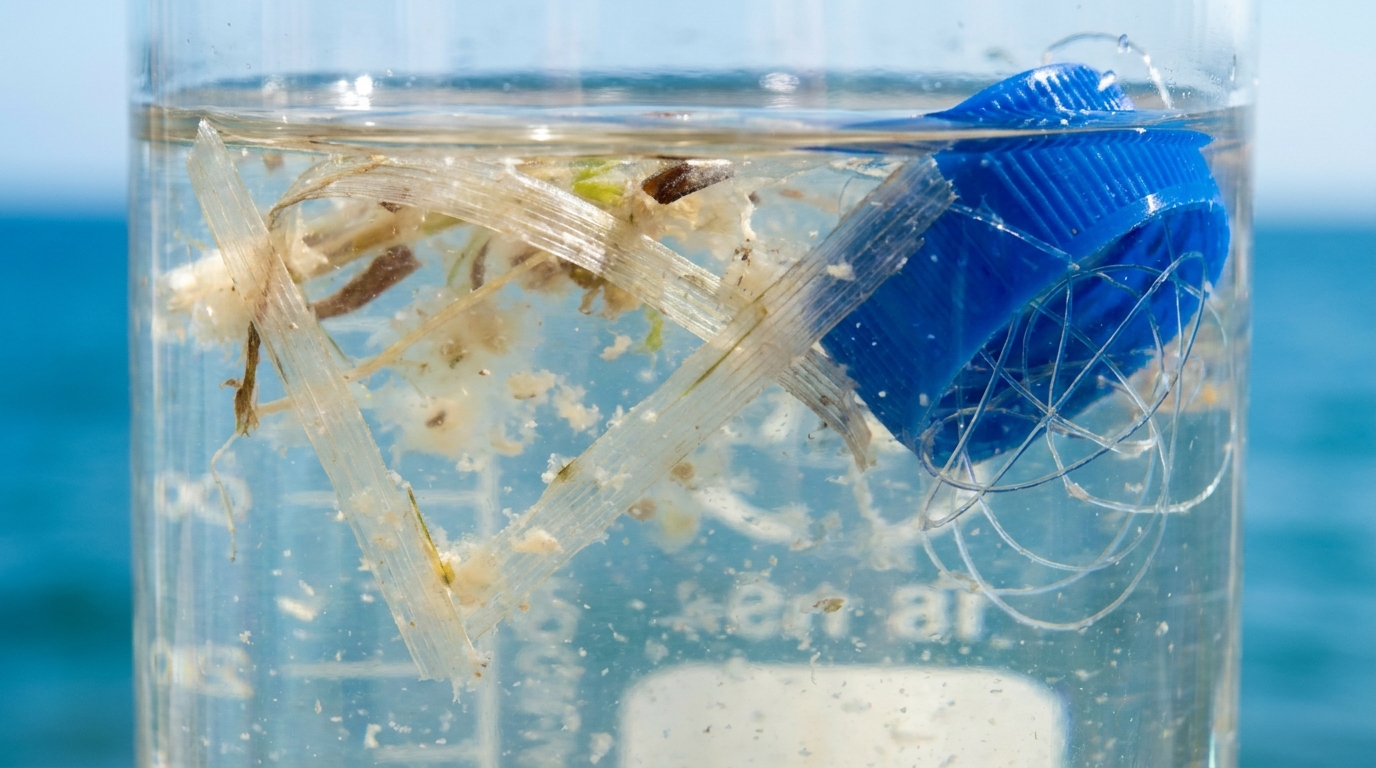
Since pure ramie garments break down entirely in soil, you likely already guessed the short answer. No, 100% pure ramie fabric does not contain microplastics. As a natural plant fiber, it holds zero petroleum-derived polymers.
The Science Behind Fiber Shedding
Every fabric sheds tiny fragments when you wash it. However, the type of fiber matters immensely. Because ramie consists of natural cellulose, it sheds “cellulosic microfibers.” These fragments are entirely biological. They do not persist in our oceans. Instead, they break down harmlessly in the natural environment.
Synthetic fabrics like polyester or nylon act very differently. They shed persistent plastic particles during every wash cycle. These microplastics accumulate in waterways and harm marine life. Pure ramie avoids this pollution entirely.
The Exception to the Rule: Fabric Blends
You must remain vigilant as a consumer or designer. The textile industry frequently mixes natural fibers with synthetics. They do this to cut costs or alter garment texture. If you buy a ramie-polyester or ramie-acrylic blend, that garment will shed microplastics. The synthetic portion introduces plastic into an otherwise natural textile.
Always check the garment label carefully. Look for “100% Ramie” or blends utilizing other natural materials like cotton. Avoid tags reading “Ramie/Poly” or “Ramie/Nylon” if your goal is zero microplastic shedding. As a trusted 100 natural ramie fabric supplier, Sainty ensures our pure textiles remain completely free of hidden synthetic blends. Our OEKO-TEX and GRS certifications guarantee this strict material purity.
| Fabric Type | Microplastic Shedding | The “Burn Test” Result |
|---|---|---|
| 100% Pure Ramie | Zero. Sheds biodegradable cellulose. | Burns like paper, smells like leaves, leaves gray ash. |
| Ramie/Polyester Blend | High. Sheds persistent plastic particles. | Melts, drips, and smells like harsh chemicals. |
Chemical Finishes vs. Microplastics
Some buyers worry about the chemical processes used during production. As we covered earlier, extracting the fiber requires degumming. Manufacturers use caustic soda to remove natural resins. Sometimes, finished garments also receive anti-wrinkle treatments or synthetic dyes.
Do these chemicals turn the fabric into a plastic hazard? No. Chemical finishes are not microplastics. While harsh chemicals can impact the overall environmental footprint, pure ramie itself remains a plastic-free material. It simply lacks the synthetic polymer chains required to create microplastic pollution.
The Environmental Benefits of Choosing Natural Ramie
Since pure ramie lacks the synthetic polymer chains discussed earlier, it offers massive ecological advantages. Beyond simply asking “does ramie contain microplastics?”, you should examine its broader impact. Let’s explore why this natural material remains a top choice for sustainable fashion.
Highly Biodegradable in All Environments
As we covered earlier, washing natural garments releases biological cellulose rather than persistent plastics. When these natural fibers wash into waterways, marine microorganisms break them down quickly. They decompose naturally in both soil and marine environments. They never leave toxic residues behind.
This rapid decomposition directly protects aquatic ecosystems. Partnering with a trusted biodegradable ramie textile manufacturer helps brands significantly reduce their environmental footprint. It allows designers to actively combat ocean pollution caused by synthetic shedding.
Low Agricultural Impact
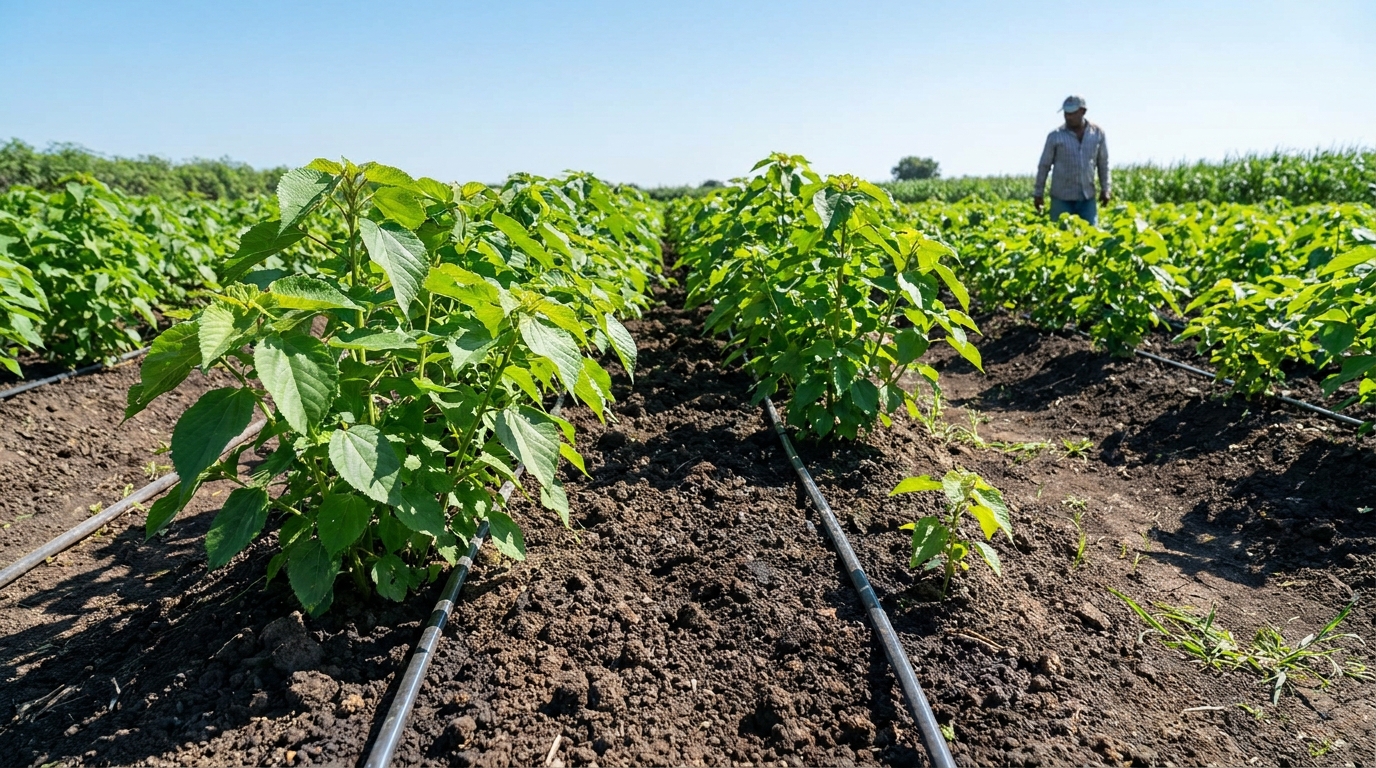
The ecological benefits begin long before the stalk reaches the mill. The nettle plant grows rapidly and naturally resists many common pests. It requires significantly less water and fewer pesticides compared to conventional cotton. This low agricultural impact actively protects local soil health and valuable groundwater resources.
| Environmental Factor | Natural Ramie | Conventional Cotton |
|---|---|---|
| Water Consumption | Low (Relies mostly on natural rainfall) | Very High (Requires intense irrigation) |
| Pesticide Use | Minimal (Naturally pest-resistant) | High (Requires frequent chemical treatments) |
| Microplastic Pollution | Zero | Zero |
Building a Sustainable Supply Chain
Sourcing materials correctly matters just as much as the fiber itself. You need complete transparency during production. Choosing an eco friendly ramie fabric wholesale partner ensures your entire supply chain supports ecological balance.
At Sainty, we supply premium natural and regenerated cellulose textiles to global apparel brands. Our OEKO-TEX and BSCI certifications guarantee ethical production practices. We ensure every yard of fabric meets strict environmental standards.
- Zero Plastic Pollution: It sheds harmless cellulose instead of toxic microplastics.
- Soil Regeneration: The deep root systems prevent soil erosion during growth.
- Compostable End-of-Life: Old garments return to the earth within a few months.
- Resource Efficiency: Cultivation demands far less water than other natural crops.
How to Ensure Your Ramie Fabric is Truly Microplastic-Free

We just explored the massive ecological benefits of building a sustainable supply chain. However, you must actively verify the materials you source. How can you guarantee your garments actually answer “no” to the question, does ramie contain microplastics? You need strict verification at every step.
Read the Label and Avoid Synthetic Blends
Start by reading the fabric label carefully. You want to see “100% Ramie” printed clearly on the tag. As we covered earlier, manufacturers often mix natural fibers alongside cheap synthetics. You must avoid blends like ramie-polyester or ramie-nylon. These combinations introduce persistent plastic particles right back into your clothing.
If you need different textures, choose safe alternatives. Mix ramie alongside other natural materials like cotton or linen. You can also blend it alongside regenerated cellulose fabrics. At Sainty, we supply premium Tencel™, Modal, and Viscose options. These materials maintain a completely plastic-free garment while offering incredible softness and drape.
| Fabric Blend Type | Microplastic Risk | Best Use Case |
|---|---|---|
| 100% Pure Ramie | Zero Risk | Crisp, highly durable summer wear. |
| Ramie & Tencel™ / Modal | Zero Risk | Soft, breathable garments requiring better drape. |
| Ramie & Polyester | High Risk | Should be avoided entirely for sustainable collections. |
Choose Reputable Suppliers for Production Transparency
Sourcing pure materials requires absolute transparency during production. You must trace your fabric back to a reliable, ethical factory. This guarantees fiber purity from the raw plant stalk to the finished textile. Hidden synthetic threads or plastic-based coatings easily ruin an otherwise eco-friendly collection.
Choosing a dedicated organic ramie fabric supplier protects your brand reputation. It ensures no hidden synthetic fibers slip into your production lines. At Sainty, we back our manufacturing processes through strict OEKO-TEX, GRS, and BSCI certifications. We provide the exact traceability global apparel brands demand today.
- Verify Certifications: Always request valid OEKO-TEX or GRS certificates from your factory.
- Check the Stitching: Ensure manufacturers use cotton threads instead of synthetic polyester threads.
- Audit the Finishes: Confirm the mill avoids plastic-based anti-wrinkle resin coatings.
Sourcing Sustainable Textiles: Why Certifications Matter
We just discussed how tracing your fabric back to an ethical factory guarantees fiber purity. Verifying that your garments lack hidden synthetics is only the first step. You must also ensure the entire manufacturing process protects the environment. When asking does ramie contain microplastics, you should also question how the facility operates.
The Role of a Certified Sustainable Ramie Fiber Factory
A sustainable ramie fiber factory does more than just spin yarn. It actively manages chemical usage, water treatment, and labor conditions. As we covered earlier, extracting cellulose requires a specific degumming process. Unregulated mills might dump these processing chemicals directly into local waterways.
Certified facilities act very differently. They operate strict wastewater treatment protocols. This ensures the surrounding ecosystem remains completely safe. Ethical production requires intense oversight from the raw plant stalk to the final shipment. It guarantees that the manufacturing process remains environmentally sound.
Beyond Ramie: A Comprehensive Textile Portfolio
True sustainability often requires mixing different eco-friendly materials. Top-tier suppliers ensure environmental compliance across their entire catalog. At Sainty, we supply much more than just bast fibers. We specialize in our flagship TR Fabric alongside a comprehensive range of textiles.
We provide premium Natural and Synthetic textiles to global apparel brands. We also offer high-quality Regenerated Cellulose options. These include premium Tencel™, Modal, and Viscose. By maintaining strict standards across all fabric types, we help brands build fully sustainable collections. You never have to compromise on texture or drape.
Sainty’s Commitment to Certified Quality
You cannot rely on greenwashing or vague marketing promises. You need hard proof. Working with a leading supplier guarantees your fabrics remain free from harmful substances. Sainty backs all manufacturing processes with globally recognized credentials. We hold strict GRS, OEKO-TEX, and BSCI certifications.
These standards verify that our production remains socially responsible. They provide the exact traceability that conscious consumers demand today.
| Certification | What It Measures | Why It Matters for Your Brand |
|---|---|---|
| OEKO-TEX | Tests for harmful chemicals and toxins. | Guarantees the fabric is safe for human contact. |
| GRS (Global Recycled Standard) | Verifies recycled content and ecological practices. | Ensures strict environmental and chemical compliance. |
| BSCI | Monitors workplace safety and fair labor. | Protects workers and ensures ethical manufacturing. |
- Chemical Safety: Certifications guarantee no toxic residues remain on the finished garment.
- Ethical Labor: Factory workers receive fair wages and safe working conditions.
- Environmental Protection: Strict audits prevent industrial pollution in local communities.
- Brand Trust: Verified materials help you build genuine loyalty with eco-conscious buyers.
Conclusion
Pure ramie is a fantastic alternative to synthetic textiles. This natural fiber never sheds harmful microplastics into our oceans. Conscious sourcing helps eliminate global microplastic pollution effectively. Elevate your apparel collections by partnering with Sainty. We provide premium fabrics backed by GRS, OEKO-TEX, and BSCI standards to ensure ethical manufacturing.
- Check garment labels to ensure pure fiber content.
- Eliminate synthetic blends from your eco-friendly clothing lines.
- Contact Sainty to source high-quality sustainable textiles today.
Frequently Asked Questions About Ramie and Microplastics
Is ramie a synthetic or natural fiber?
Ramie is a completely natural bast fiber. It comes from the China grass plant. Pure ramie contains zero petroleum-derived polymers. Some people mistake it for synthetic silk. This happens because the fabric has a natural luster. However, it is one hundred percent cellulose. It does not contain any plastic materials.
Does washing ramie clothes pollute the ocean?
Washing pure ramie does not release harmful microplastics. The fabric will shed small fibers during laundry. These pieces are natural cellulosic microfibers. They easily break down in marine environments. Synthetic fragments persist in the ocean for centuries. Ramie fibers naturally biodegrade without leaving toxic residue. This makes it a very safe choice.
How can I check if my clothes have hidden plastics?
You should always read the care label carefully. Look for items labeled as pure ramie. Blends with polyester or nylon will contain microplastics. You can also try the simple burn test. Pure ramie burns just like regular paper. It will smell like burning wood or leaves. Blended synthetic fabrics will melt and drip. They also release a harsh chemical smell.
Does the ramie manufacturing process use harmful plastics?
The basic fiber extraction does not use plastics. However, making the fabric requires a degumming process. This step removes natural plant waxes and pectin. Manufacturers often use caustic soda for this task. While chemical-heavy, it does not introduce plastic polymers. Some finished garments might have synthetic anti-wrinkle coatings. You should buy OEKO-TEX certified fabrics from Sainty. This ensures your textiles meet strict safety standards.
Can pure ramie fabric be composted at home?
Yes, pure ramie is fully compostable at home. The natural cellulose structure breaks down quite easily. This process usually takes six to twenty-four months. The exact time depends on your local soil conditions. Make sure the garment lacks synthetic threads. You must also remove plastic buttons or zippers. Natural dyes will not harm your garden soil.
- Inspect garment tags to ensure zero synthetic blends.
- Purchase your sustainable textiles from certified Sainty collections.
- Wash your natural garments with gentle, oxygen-based cleaners.
- Compost your worn-out shirts after removing plastic buttons.