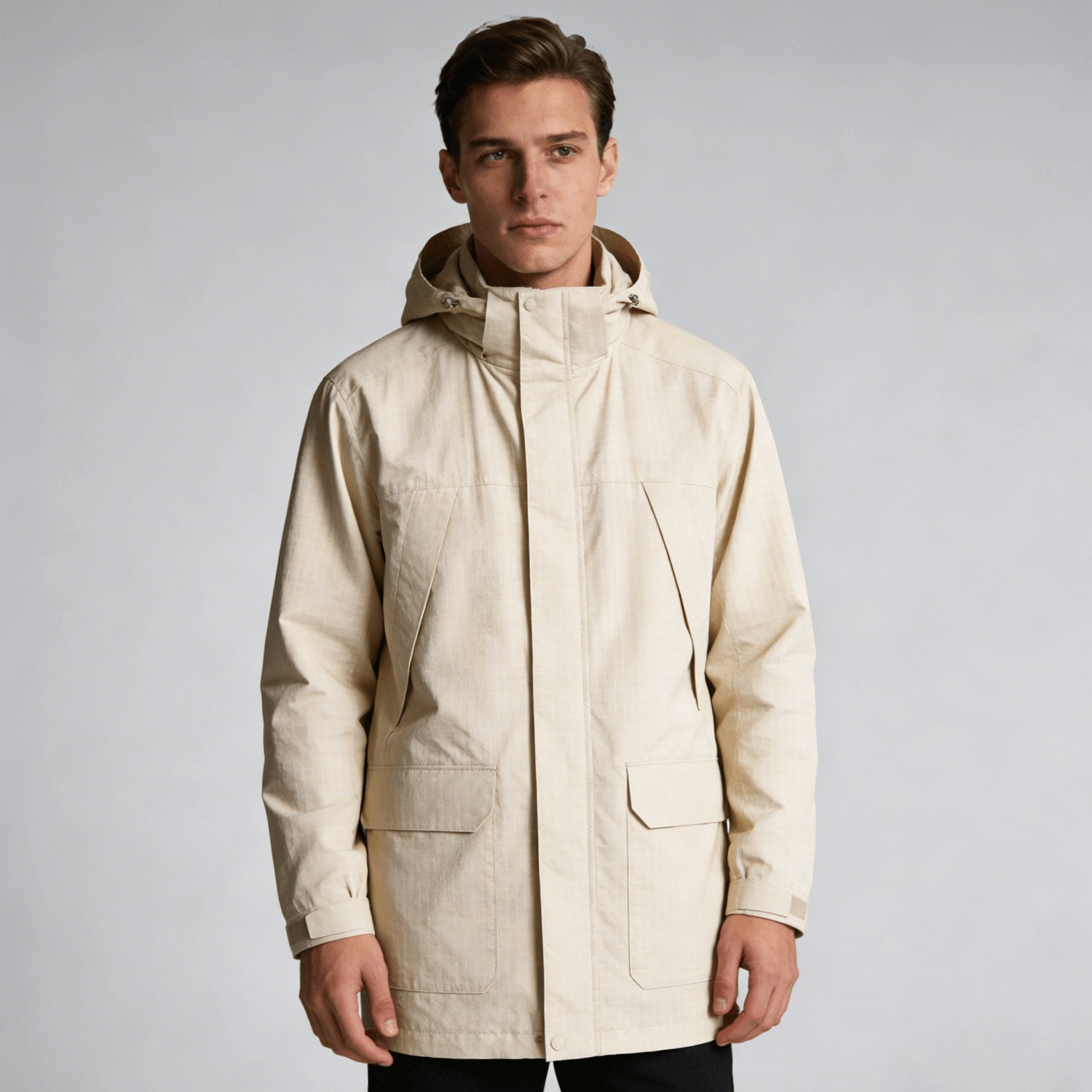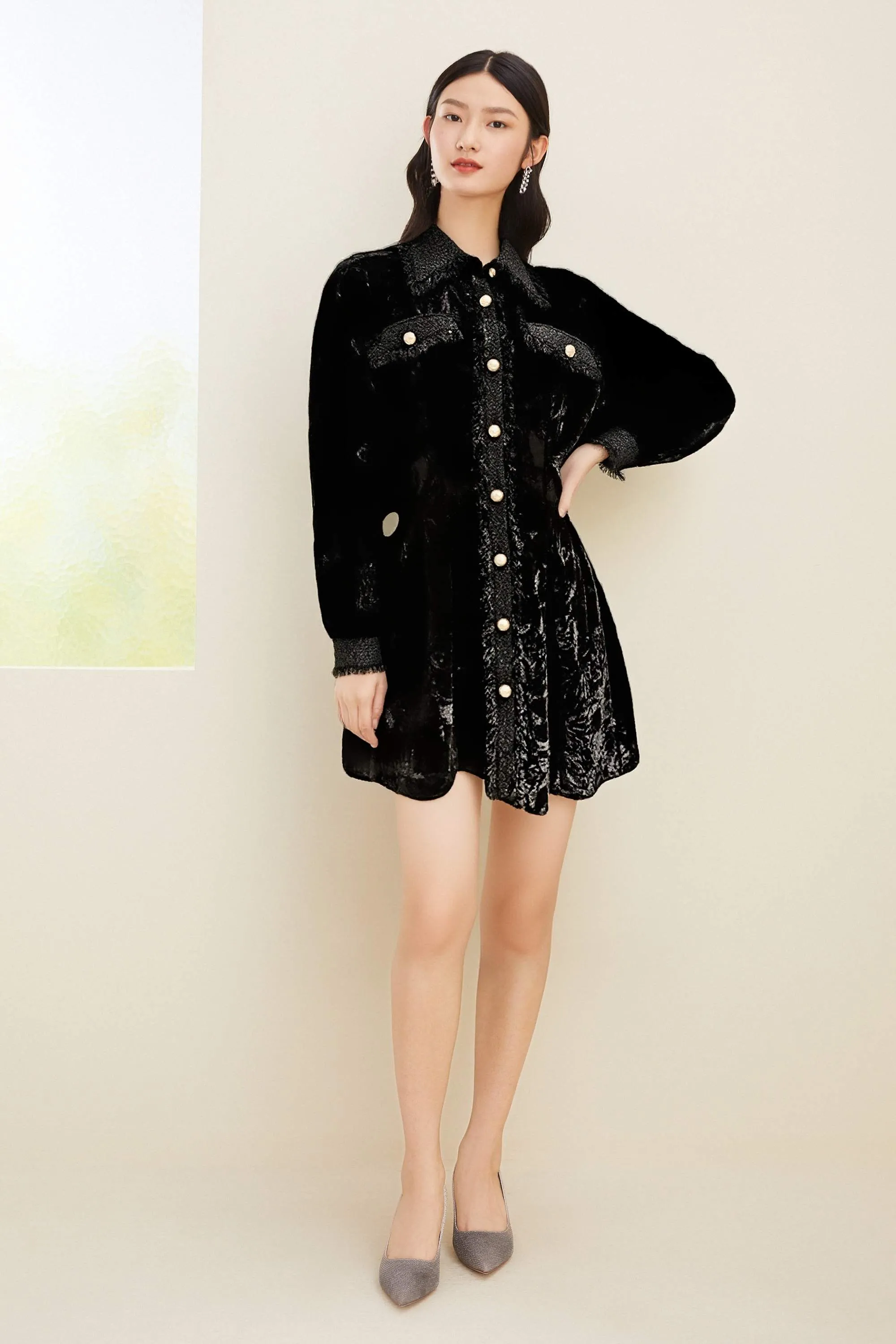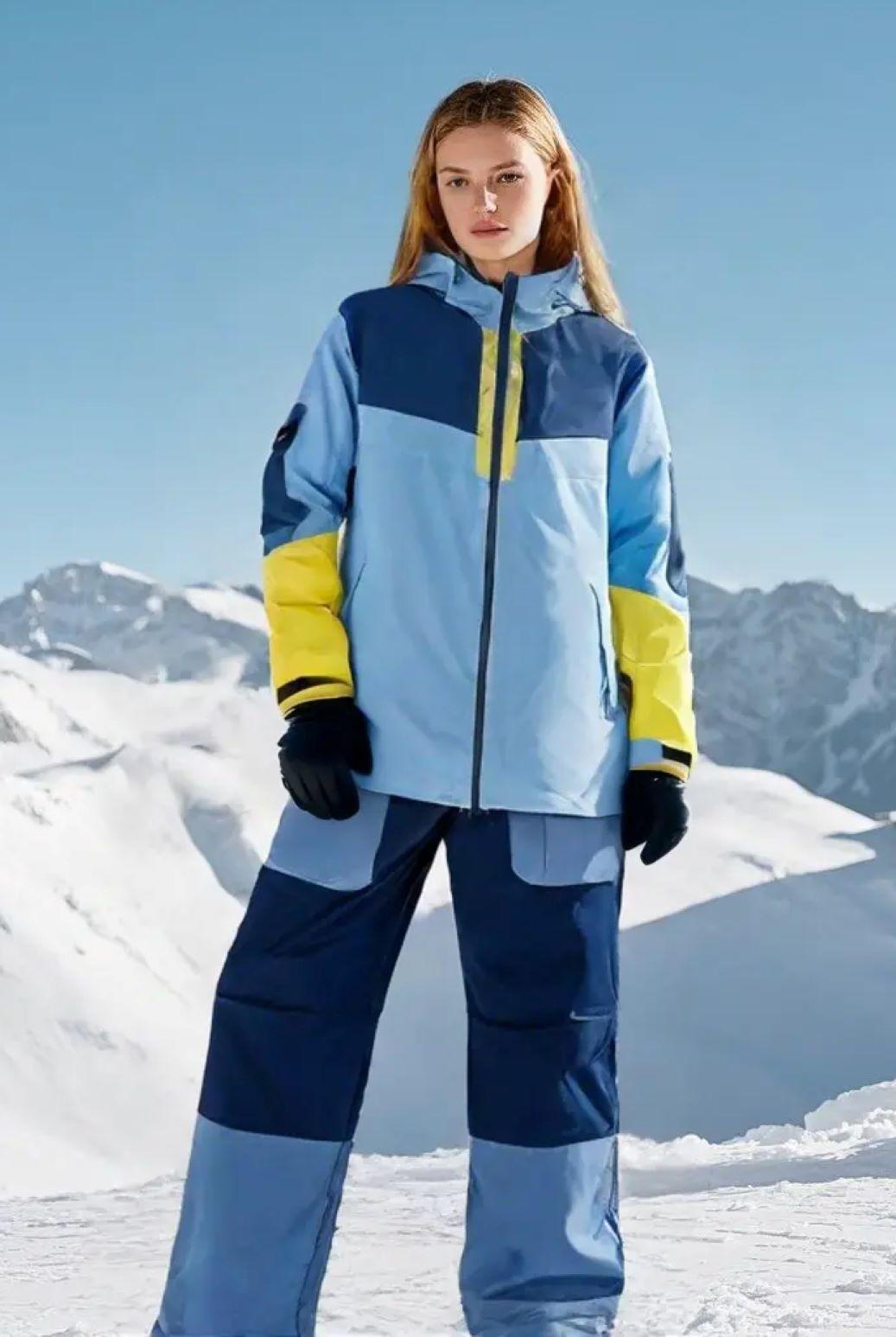

Outdoor clothing is not just about looking good—it’s a performance-driven system designed to regulate temperature, manage moisture, resist wind and rain, and adapt to various body types and activities. If your search includes outdoor clothing outlet, ladies’ outdoor clothing, plus size outdoor clothing, women’s outdoor clothing, and best outdoor clothing, this article dives deep into what you truly need to know before buying.
Understanding Your Outdoor Needs
Before choosing a jacket, base layer, or pair of pants, think carefully about where and how you’ll use them. The best outdoor clothing solutions are built around four key factors:
Environment: Wet maritime cold, desert heat, or high-altitude alpine conditions all require different fabrics and construction techniques.
Intensity: Are you climbing steep hills, jogging, or standing still while belaying? High-intensity activities require breathable, moisture-wicking materials, while static conditions call for insulation and wind protection.
Duration: A quick morning hike versus a week-long expedition demands different durability and repair considerations.
Body and Fit: For women’s outdoor clothing and size outdoor clothing, the right cut and patterning are essential for mobility, warmth, and comfort.
Fabric Science and Material Selection
Nylon vs. Polyester:
Nylon, especially nylon 6,6, is tough and abrasion-resistant, ideal for outer shells or pants. Polyester, on the other hand, dries faster, retains color, and is a popular choice for base layers and fleece midlayers.
Stretch and Comfort:
Mechanical stretch, achieved through weaving techniques, is durable and long-lasting. Fabrics with elastane or spandex offer better stretch and mobility, but can wear out faster with UV and sweat exposure.
Knit vs. Woven Fabrics:
Knits, such as merino wool or polyester fleece, are soft and flexible, making them perfect for next-to-skin layers. Wovens, like ripstop nylon, excel as weather-resistant outer layers.
Breathability:
Metrics like MVTR (Moisture Vapor Transmission Rate) or RET (Resistance to Evaporative Heat Transfer) measure how well a fabric allows moisture to escape. For high-output activities, fabrics with RET values below 6 are considered excellent.

Weather Protection and Shell Layers
The shell layer is your first line of defense against the elements. There are three primary constructions:
-
2-Layer (2L): A face fabric bonded to a waterproof membrane, with a separate lining. Comfortable but slightly heavier.
-
2.5-Layer (2.5L): Adds a protective printed or sprayed layer inside the membrane, making it lighter and more packable.
-
3-Layer (3L): The most durable, featuring a face fabric, membrane, and protective inner layer. This is common in the best outdoor clothing for harsh, multi-day conditions.
Waterproof Ratings:
A hydrostatic head of 10,000 mm is the minimum for light rain, while 20,000 mm or more is ideal for sustained downpours. But don’t focus solely on numbers—breathability and DWR (Durable Water Repellent) treatment are equally important.
Insulation Choices
Down Insulation:
Down is prized for its exceptional warmth-to-weight ratio and compressibility. Fill power (FP) ranges from 600 to 900+, indicating the loft per ounce. High fill power is great, but pay attention to total fill weight for true warmth.
Synthetic Insulation:
Materials like PrimaLoft or Coreloft perform well even when wet, dry quickly, and are ideal for damp climates or mixed conditions.
Fleece and Active Insulation:
Fleece layers offer a balance of warmth, durability, and breathability. Active insulation technologies allow you to maintain comfort during both movement and rest.
Fit and Patterning for Women and Sizes
When it comes to ladies’ outdoor clothing, plus-size outdoor clothing, fit is as crucial as fabric. Many outdoor brands are now focusing on dedicated patterns rather than simply resizing men’s designs. Key factors include:
-
Wider hip panels and contoured waists for better movement.
-
Articulated elbows and knees for dynamic activities like climbing or skiing.
-
Longer hems and extended coverage for added warmth.
-
Adjustable cuffs, hoods, and waistlines for a customizable fit.
Poorly fitted garments not only reduce comfort but also create cold spots and friction points during activity.
Finding Value in Outdoor Clothing Outlets
An outdoor clothing outlet can be a goldmine for high-quality gear at lower prices. However, it’s essential to evaluate:
-
Technology vs. age: Last season’s colors are often discounted, but ensure the technical features (like waterproof membranes or DWR coatings) are up to date.
-
Warranty: Check if outlet-specific items have the same guarantee as regular stock.
-
Fit: Older models may lack the modern fit improvements found in current women’s outdoor clothing or plus-size designs.
Layering Strategies
A well-built outdoor clothing system is all about layering. The classic three-layer system includes:
Base Layer:
Wicks moisture away from the skin. Options include merino wool for natural odor control or synthetic fabrics for faster drying.
Mid Layer:
Provides warmth. This could be a fleece, lightweight down, or synthetic jacket.
Shell Layer:
Protects against wind, rain, and snow. A durable shell completes the system, locking out harsh weather while allowing moisture to escape.
For those seeking the best outdoor clothing, building a versatile layering system is more effective than buying a single “all-in-one” jacket.
Durability and Real-World Performance
Lab tests like abrasion resistance or tear strength are useful, but real-world use often tells the full story. Look for these signs of quality:
-
Bar-tacked reinforcements at high-stress points.
-
Seam-sealed or taped construction for waterproof shells.
-
YKK or AquaGuard zippers for reliable performance.
-
Reinforced panels on elbows, shoulders, and knees.
Sustainability and Ethical Production
Modern outdoor brands are increasingly focused on eco-friendly production. Look for:
-
PFAS-free DWR coatings.
-
Certifications like Bluesign®, OEKO-TEX®, or Responsible Down Standard (RDS).
-
Recycled or bio-based materials.
-
Repair and recycling programs that extend product life.
The best outdoor clothing not only performs well but is also built to last, reducing the environmental footprint.
Care and Maintenance
Proper care extends the life of your gear:
-
Wash technical garments with specialized detergents to maintain fabric performance.
-
Reapply DWR treatments as needed.
-
Store down jackets loosely to maintain loft.
-
Check zippers, seams, and fabrics periodically for early signs of wear.
Choosing the Best Outdoor Clothing for Your Needs
The best outdoor clothing is not about a single brand or product but about a system tailored to your activity, climate, and body. A thoughtful combination of base layers, midlayers, and shells will outperform any single garment in varied conditions.
Pro Tips:
-
Shop at an outdoor clothing outlet for high-quality gear at reduced prices, but focus on fit and technical features.
-
Pay special attention to ladies’ outdoor clothing and size outdoor clothing, ensuring designs are tailored rather than simply resized.
-
Build your wardrobe incrementally, starting with the most versatile layers.
Outdoor clothing is both a science and an art. From fabric technology to ergonomics, every detail matters when comfort, performance, and safety are at stake. Whether you’re shopping for women’s outdoor clothing, exploring an outdoor clothing outlet, or simply seeking the best outdoor clothing for your adventures, the key is to invest in quality pieces that work together as a system.
When you choose purpose-driven garments, you’ll not only enjoy the outdoors more but also get more value over time. A thoughtful approach—built around understanding your activities, climate, and personal needs—ensures that your clothing is as dependable as the mountains, forests, and trails you explore.