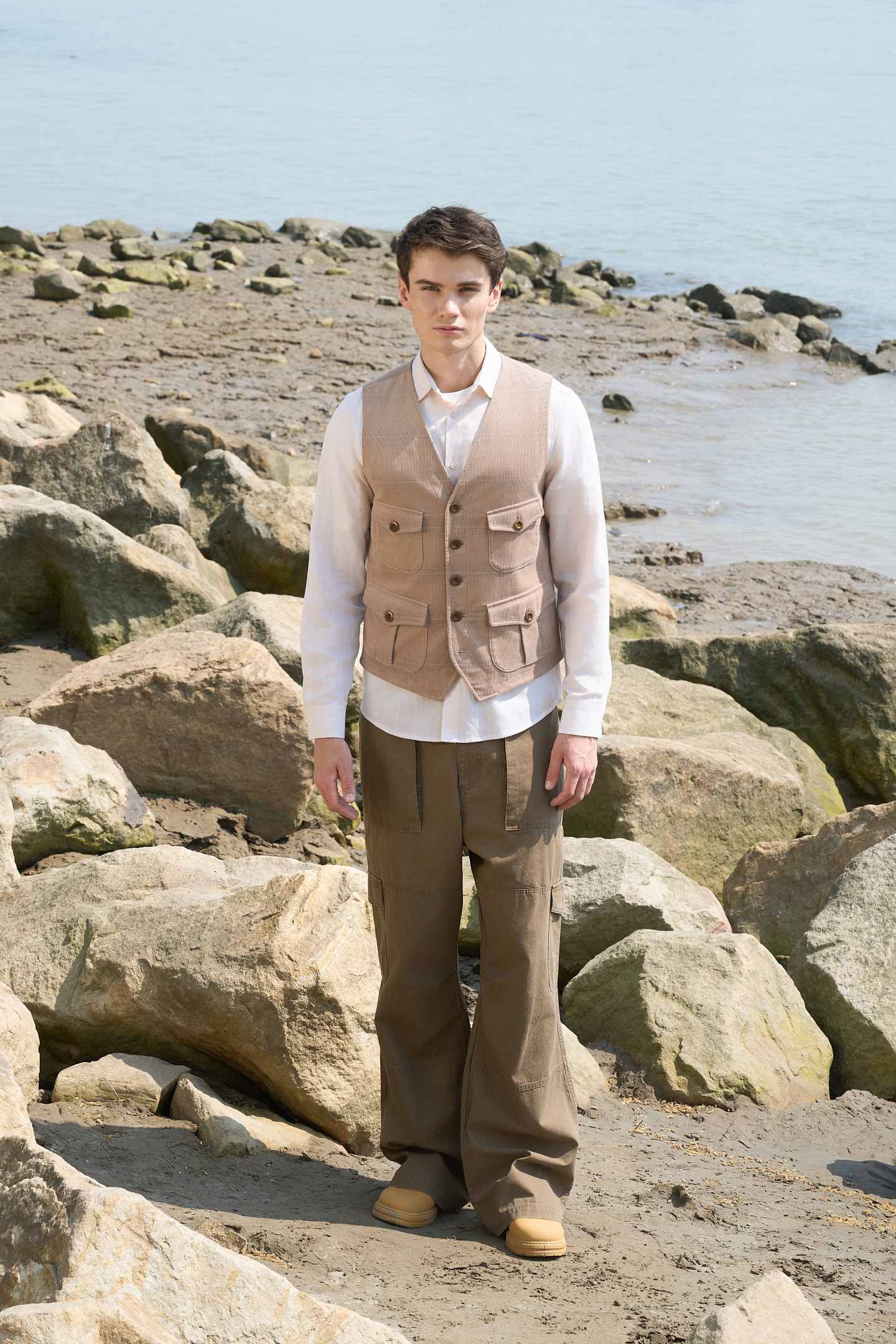
Today’s work environments are more varied and demanding than ever before. From construction and warehouse sites to outdoor maintenance, logistics, or technical service operations, clothing that enables safety, efficiency, and comfort becomes a requirement rather than an option. Among all the pieces of workwear essentials, the vest serves as both a practical and versatile extra layer, which adapts to a wide spectrum of job requirements.
Selecting a work vest might seem like an obvious choice or a matter of personal comfort, but the right work vest will allow freedom of movement and make you highly visible with good storage pockets that keep your workplace organized by keeping tools and equipment in their proper places. The wrong work vest can simply be uncomfortable or leave you cursing its lack of functionality at some point during your day.
The guide details factors of the kind of job and working conditions that should be considered in selecting a work vest, together with aspects concerning materials, features in design, and usability over time. Professionals shall discover what is really important to them; hence, they will make informed choices that suit their performance needs as well as workplace requirements.
Understanding the Purpose of a Work Vest
Why Work Vests Are Widely Used Across Industries
A work vest is something that can be worn over a base layer or over a uniform, providing features without any kind of restriction added to mobility. The jackets and other heavy outerwear keep the core protected while allowing free movement of the arms. That is exactly suitable for jobs that involve lifting, reaching, or any kind of repetitive motion.
Work vests are mainly used in construction, warehousing, and transportation sectors, apart from utilities, landscaping, or industrial maintenance. They can be easily adapted to any function, hence their popularity. A single vest can serve the functions of providing insulation and visibility by storing tools or offering protection, all depending on its design.

Functional Advantages Over Other Workwear
Compared to full jackets, work vests are lighter and more flexible. Compared to tool belts, they distribute weight more evenly across the torso. This balance makes work vests a preferred option for long shifts where comfort and efficiency are equally important.
Identifying Your Job Requirements First
Type of Work Environment
Step one: Determine environment and application. In indoor applications, someone would prefer a lightweight vest that allows maximum mobility within breathable fabrics. Outdoor work environments could be just as demanding in terms of weather resistance, insulation, or requiring high visibility.
Construction sites may require vests complying with safety visibility regulations, while more technical or maintenance roles benefit from multi-pocket designs keeping tools accessible and safe.
Physical Demands of the Job
Jobs involving frequent bending, climbing, or lifting place different demands on a vest than roles focused on supervision or inspection. A vest should never restrict movement or add unnecessary bulk. Ergonomic design becomes critical when the vest is worn for extended periods.
Duration of Daily Use
A vest worn for short tasks may tolerate heavier materials or simpler designs. However, for full-day wear, breathability, weight distribution, and fit are essential. Prolonged discomfort can reduce productivity and increase fatigue.
Choosing the Right Material for a Work Vest
Durability and Fabric Strength
Work vests are subjected to abrasion, dirt, and frequent washing. They need to be made from durable materials. Most work vests are made of a reinforced polyester blend or heavy cotton fabrics that can withstand demanding conditions. The correct fabric should be able to resist tearing while remaining flexible.
In industrial environments, more of the materials may need to be oil, grease, or chemical resistant. In soft good applications, the material can afford to be softer for comfort as long as it maintains durability.
Breathability and Temperature Control
Breathability is a key factor, particularly for physically active jobs. Mesh panels and lightweight fabrics, together with moisture-wicking linings, all play a role in keeping an employee’s body temperature just right while he or she is performing work. In the hot indoor environment, it will be a breathable work vest that does not make the worker overheat but still offers functional benefits.
For cold environments, there are insulated work vests that offer warmth without being as bulky as a full jacket would be. The ability to layer underneath makes it usable across seasons of the year.
Weather Resistance
Outdoor work often exposes workers to wind, rain, or fluctuating temperatures. Water-resistant or wind-blocking materials help maintain comfort and protect inner layers. While not all work vests need full waterproofing, some level of weather resistance is valuable for unpredictable conditions.
Fit and Comfort as a Priority
Importance of Proper Sizing
A work vest should fit comfortably over regular work clothing without feeling tight or oversized. Poor fit can limit mobility, cause discomfort, or interfere with safety equipment. Adjustable features such as side straps or elastic panels help accommodate different body shapes.
Freedom of Movement
Since work vests are often worn during active tasks, they should allow natural movement of the shoulders and torso. Armholes should be designed to prevent chafing while maintaining coverage. Lightweight construction reduces strain during long hours.
Weight Distribution
Vests with multiple pockets or tool storage must distribute weight evenly. Poorly balanced designs can strain the shoulders or back. High-quality work vests consider ergonomics to minimize fatigue throughout the workday.
Functional Features That Matter
Pocket Configuration and Storage
Storage is one of the primary reasons professionals opt for work vests. The pockets- their number, size, and position should correlate to the needs of the job. Large cargo pockets suit gloves or tools, while smaller compartments hold pens, devices,s or fasteners.
For technical jobs, secure closures such as zippers or hook-and-loop fasteners on pocket flaps will ensure that nothing falls out, even with a lot of movement.
Visibility and Safety Elements
Where there is vehicle traffic or low lighting, high visibility becomes critical. The high-visibility work vests incorporate bright colors and reflective elements to add to the safety of workers, especially in construction, road works, and logistics.
Even in indoor settings, added visibility can help teams identify roles or improve coordination in busy workspaces.
Compatibility With Other Safety Gear
A work vest should integrate seamlessly with helmets, harnesses, or protective equipment. Bulky designs that interfere with safety gear can create hazards. Compatibility is particularly important in construction, utilities, and industrial maintenance roles.
Matching the Work Vest to Specific Job Types
Construction and Infrastructure Work
Construction workers benefit from durable, high-visibility work vests with reinforced seams and practical storage. These vests often prioritize safety compliance, visibility, and resilience against rough conditions.
Warehousing and Logistics
Warehouse and logistics professionals often need lightweight work vests that support mobility and organization. Breathable fabrics and well-placed pockets improve efficiency during picking, packing, and inventory tasks.
Outdoor Maintenance and Landscaping
For outdoor maintenance roles, work vests should balance weather protection with breathability. Pockets for tools and materials are useful, while sturdy fabrics withstand contact with vegetation and equipment.
Technical and Utility Services
Technicians and utility workers benefit from structured work vests that keep tools accessible without restricting movement. Organized storage and ergonomic design improve workflow and reduce downtime.
Considering Long-Term Use and Maintenance
Ease of Cleaning
Work vests should be easy to clean and maintain, especially in dirty or industrial environments. Fabrics that resist stains or dry quickly after washing save time and extend usability.
Durability Over Time
A work vest is an investment in daily performance. Reinforced stitching, quality zippers, and durable fabrics contribute to longer service life. Choosing quality construction reduces the need for frequent replacement.
Adaptability Across Seasons
Versatile work vests can be used year-round with appropriate layering. Removable linings or breathable designs increase flexibility and value, especially for workers in changing climates.
Avoiding Common Mistakes When Choosing a Work Vest
Prioritizing Appearance Over Function
While appearance matters, functionality should always come first. A work vest that looks good but lacks durability or comfort may quickly become impractical.
Ignoring Job-Specific Needs
Choosing a generic vest without considering job requirements can lead to frustration. Each role has unique demands, and the vest should support those demands rather than complicate tasks.
Overlooking Fit and Comfort
Even a well-designed vest fails if it does not fit properly. Trying different sizes or adjustable options helps ensure long-term comfort and performance.
Balancing Cost and Value
Understanding Price Differences
Work vest prices vary based on materials, features, and construction quality. While budget options may suit short-term use, higher-quality vests often offer better durability and comfort.
Evaluating Value Over Time
A well-chosen work vest can last for years, making it more cost-effective in the long run. Evaluating value rather than upfront cost helps professionals make smarter purchasing decisions.
Conclusion
Selection of an appropriate work vest involves a clear understanding of working conditions, physical demands, and functional priorities. From material and fit to storage and safety features, it is the details that add up to determine how well a vest can support daily tasks.
A well-chosen work vest makes the worker comfortable, adds to his or her efficiency, and keeps the wearer safe in one of many occupations. Work vests with features specifically designed to satisfy real job requirements rather than some generic concept ensure both workers and organizations that their workwear truly works for them.
The right work vest is more than just an accessory. It should be actual equipment supporting productivity, protecting its user, and responding to the challenges of a contemporary working environment.