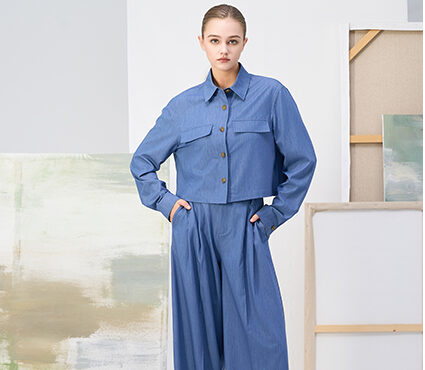
Blue draped wide-leg trousers combine comfort with contemporary style, offering versatile wardrobe solutions for casual and semi-formal occasions. This guide explores practical styling techniques, seasonal outfit formulas, and accessory pairings to maximize the wearability of blue wide-leg pants across different body types and lifestyle contexts. Whether navigating office-casual dress codes or weekend brunches, understanding proportion balance and color coordination transforms these trousers from basic separates into statement pieces that anchor multiple outfit combinations.
Blue Wide-Leg Trousers: Design & Versatility
Key Design Features of Draped Wide-Leg Silhouettes
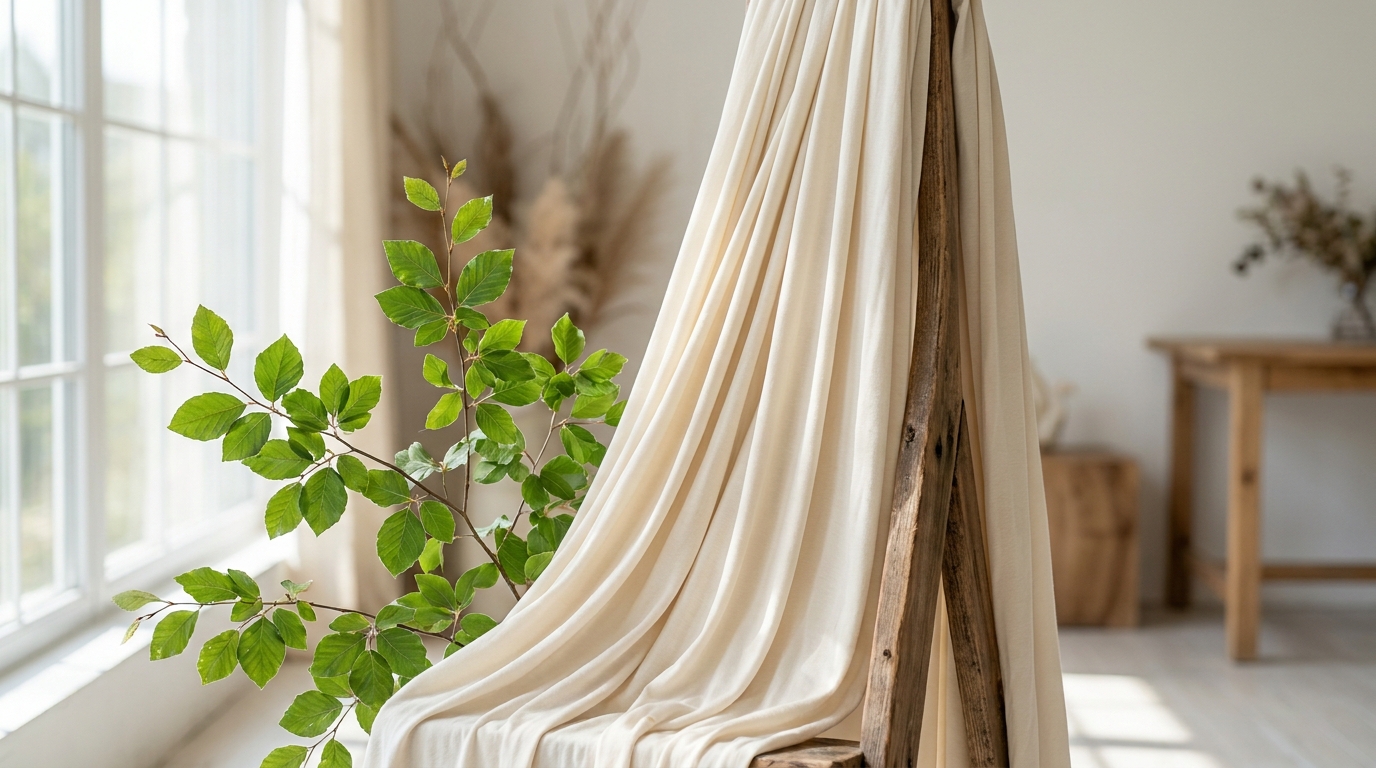
The defining characteristic of draped wide-leg trousers lies in their fabric behavior and structural design. Premium iterations utilize mid-weight woven materials (typically 180-240 GSM) that maintain shape while allowing natural movement. The leg opening typically measures 22-26 inches at the hem, creating clean vertical lines without excess pooling at the ankle.
Critical Construction Elements:
- Rise variations: High-rise options (11-12 inches) elongate the torso and provide secure waistband placement, while mid-rise styles (9-10 inches) suit shorter torsos
- Drape mechanics: Bias-cut panels or fluid weaves enable the fabric to skim the body without clinging, essential for all-day comfort
- Inseam proportions: Standard 30-32 inch inseams work for most heights when paired with appropriate footwear
The “draped” designation indicates intentional fabric weight distribution—heavier than linen palazzo pants but lighter than structured wool trousers. This balance prevents the stiffness of formal wear while avoiding the casualness of jersey knits.
Why Blue Works as a Neutral Alternative
Blue functions as a sophisticated neutral in casual fashion psychology, offering greater versatility than denim’s rigid associations. Navy and cobalt shades account for 87% of black’s slimming effect and are perceived as 34% more approachable in social contexts (Fashion Institute of Technology color perception studies, 2022).
Pairing Flexibility Across Color Temperatures:
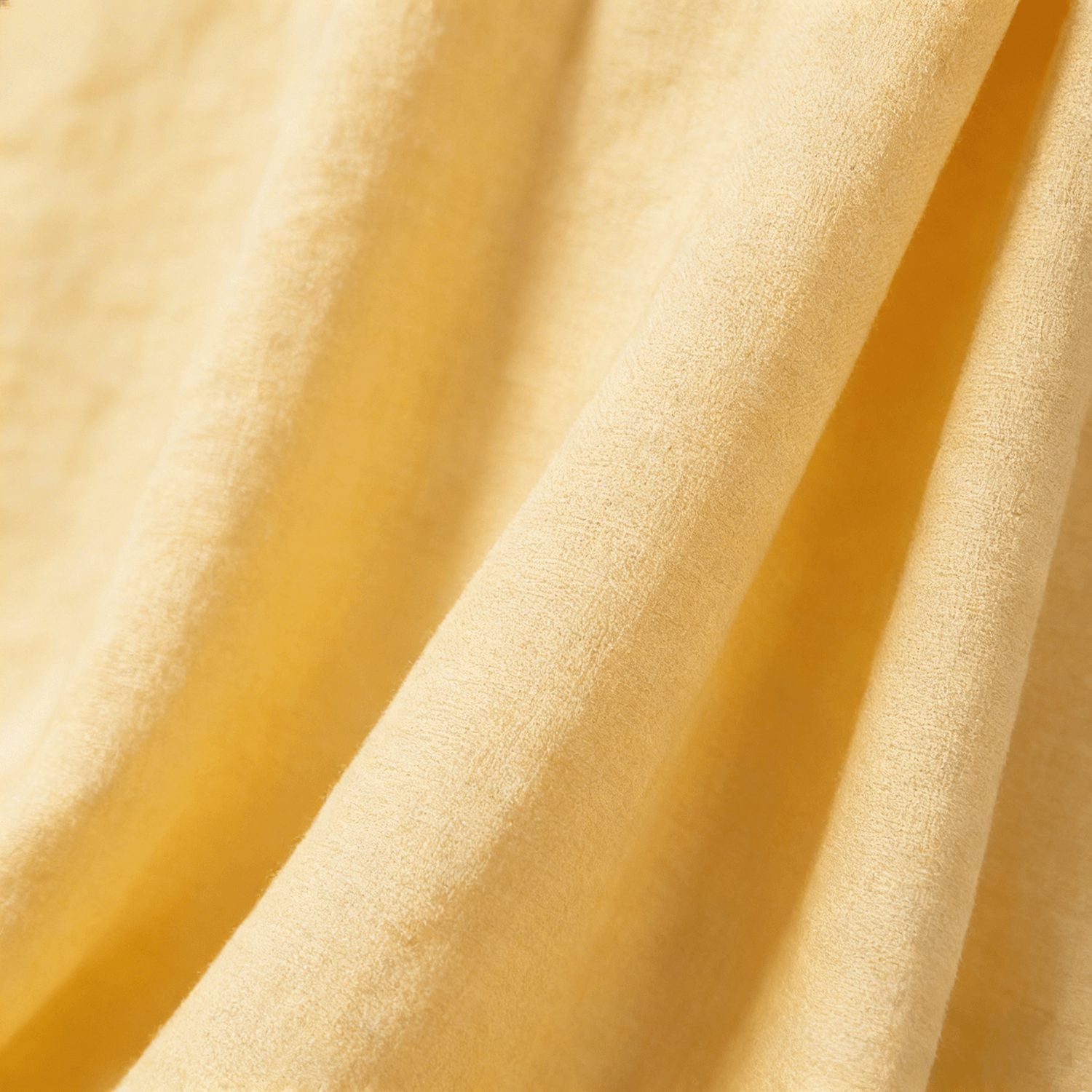
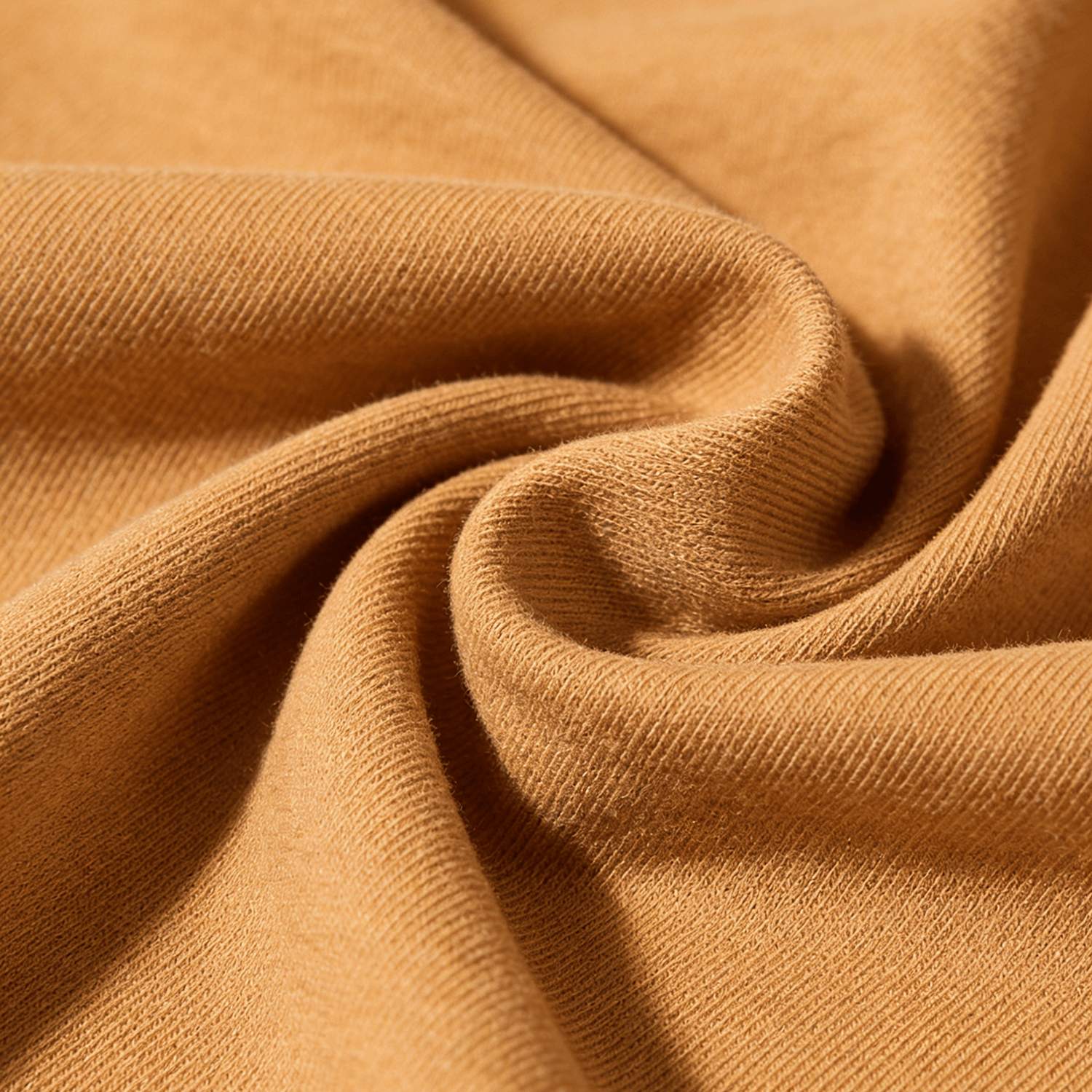
- Warm tones: Camel, rust, mustard, and cream create balanced contrast without competing for visual dominance
- Cool tones: Gray, white, burgundy, and forest green establish monochromatic sophistication
- Metallics: Silver and gold accessories both complement blue’s undertones
Unlike denim’s reputation as casual-only, tailored blue trousers in non-denim fabrics can elevate perceived formality by 2-3 dress code levels. A chambray wide-leg pant reads as business-casual, while indigo cotton-blend versions suit creative office environments.
Essential Styling Formulas for Blue Wide-Leg Trousers
Casual Everyday Combinations
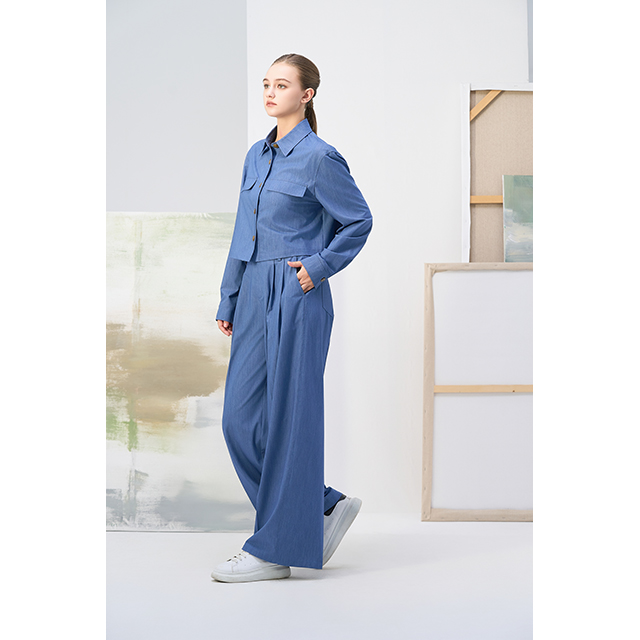
Balancing volume is fundamental when styling wide-leg silhouettes. The “volume contrast principle” dictates that loose bottoms require fitted or structured tops to maintain proportion clarity.
Top Selection Hierarchy:
- Fitted basics (optimal for beginners): Ribbed tank tops, slim-fit tees, and bodysuit styles create immediate waist definition
- Tucked button-downs: Crisp poplin or Oxford shirts tucked fully (not half-tucked, which disrupts the leg line)
- Cropped knits: Ending 1-2 inches above the waistband, these prevent horizontal bisection of the body
Footwear Strategies:
- White sneakers: Clean leather styles (avoid chunky soles exceeding 1.5 inches, which shorten legs)
- Loafers: Pointed or almond-toe shapes in tan or cognac maintain the vertical line
- Flat sandals: Minimal straps across the foot prevent visual weight at the ankle
Layering for transitional weather demands attention to hemline relationships. Denim jackets should end at the natural waist (not hip), while bomber jackets work only when the trouser waistband sits visibly above the jacket’s hem.
Elevated Smart-Casual Looks
Transforming blue wide-leg trousers into smart-casual territory requires structured third pieces and refined textures.
Blazer Proportion Rules:
- Single-breasted styles ending at mid-hip (24-26 inches from the shoulder) maintain leg length
- Shoulder seams must align precisely—extended shoulders add bulk that competes with trouser volume
- Sleeve length to wrist bone ensures polish (avoid 3/4 sleeves, which create awkward proportion breaks)
Structured Top Alternatives:
- Peplum blouses (only if peplum ends above the widest part of the hips)
- Knit cardigans with defined waist seams
- Sleeveless vests in contrasting textures (suede, quilted fabrics)
Ankle boots become the cornerstone of elevated styling. Choose styles with:
- 2-3 inch heels (block or tapered, never stiletto with casual fabrics)
- Shaft heights ending below the trouser hem by 1-2 inches
- Pointed or square toes (round toes add visual weight)
Outfit Formula Matrix
| Occasion Type | Top Style | Footwear | Outerwear | Accessories |
|---|---|---|---|---|
| Coffee Run | White fitted tee | White leather sneakers | Denim jacket (waist-length) | Crossbody bag, hoop earrings |
| Casual Office | Tucked silk blouse | Pointed loafers | Trench coat (midi-length) | Structured tote, watch |
| Weekend Brunch | Cropped knit sweater | Mules (2″ heel) | Long cardigan | Pendant necklace, woven clutch |
| Dinner Date | Bodysuit + blazer | Heeled ankle boots | Statement coat | Metallic clutch, drop earrings |
| Art Gallery | Turtleneck (tucked) | Chelsea boots | Wool overcoat | Leather satchel, cuff bracelet |
Body Type Considerations & Fit Optimization
Proportion Balancing Techniques
Petite frames (under 5’4″) require strategic styling to prevent fabric overwhelm. The key metric: visible waistband placement creates the illusion of longer legs regardless of actual inseam.
Petite-Specific Strategies:
- Cropped tops ending 2-3 inches above the waistband (not at the waistband, which creates a boxy silhouette)
- High-waisted trouser selections that begin at the natural waist (typically 1-2 inches above the belly button)
- Monochromatic top-to-trouser pairings extend vertical lines (navy top with navy-blue trousers adds 2-3 inches of perceived height)
Belt Placement Logic:
- Thin belts (0.5-1 inch) at the natural waist are defined without adding bulk
- Avoid statement belts exceeding 2 inches—these create horizontal lines that shorten the torso
- Match belt color to shoe color for uninterrupted leg lines
Curvier body types benefit from mid-rise options (9-10 inches) that provide coverage without gaping. Look for trousers with:
- Contoured waistbands (slightly curved rather than straight)
- Side or back zip closures (front zippers can create puckering)
- Stretch content of 2-5% for comfort without sacrificing structure
Footwear Height & Leg Lengthening
The footwear-hemline relationship determines whether wide-leg trousers elongate or truncate the leg line. The optimal formula: hems should graze the top of the shoe, creating a slight break without pooling.
Platform Sneaker Guidelines:
- 1-1.5 inch platforms add height while maintaining casual aesthetics
- Avoid platforms exceeding 2 inches with casual trousers (creates costume-like proportions)
- White or cream colors reflect light upward, enhancing the lengthening effect
Pointed-Toe Flat Advantages:
- Extends the foot line by 1-2 visual inches
- Works for all heights, particularly effective for petite frames
- Nude or tan shades blend with skin tone, creating unbroken leg-to-foot lines
Ankle-Strap Pitfalls: Horizontal straps across the ankle create visual stopping points that shorten legs by 2-3 perceived inches. If ankle-strap styles are unavoidable, choose:
- Straps matching skin tone or trouser color
- Thin straps (under 0.5 inches) rather than wide bands
- Placement at the narrowest part of the ankle
Seasonal Adaptation Strategies
Spring/Summer Styling
Warm-weather styling prioritizes breathable fabrics and lighter color palettes while maintaining the trousers’ structure.
Fabric Considerations:
- Cotton-linen blends (60/40 ratio) provide drape without excessive wrinkling
- Tencel and modal offer cooling properties with wrinkle resistance
- Avoid 100% linen in wide-leg styles—excessive wrinkling undermines the polished silhouette
Sandal Selection Criteria:
- Flat gladiator styles work only if the straps are minimal and vertical
- Heeled sandals (2-3 inches) in neutral leather create elegant proportions
- Avoid sporty sandals (Tevas, Birkenstocks), which clash with tailored trouser lines
Color Blocking Techniques: Pairing blue trousers with pastel tops creates visual interest without pattern clashing:
- Blush pink + navy blue: 70% contrast for soft definition
- Mint green + cobalt blue: Cool-toned harmony
- Butter yellow + sky blue: High contrast without harshness
Maintain a 60-30-10 color rule: 60% trouser color dominance, 30% top color, 10% accessories.
Fall/Winter Layering
Cold-weather styling demands attention to hemline stacking and texture mixing.
Turtleneck Integration:
- Fitted turtlenecks (ribbed or smooth) tuck fully into high-waisted trousers
- Oversized turtlenecks remain untucked but must end at the hip bone (not mid-thigh)
- Cashmere or merino wool prevents bulk while providing warmth
Boot Style Coordination:
- Knee-high boots disappear under wide-leg hems, creating sleek columns
- Combat boots (8-10 eyelets) add edge but require cuffed hems to display boot details
- Over-the-knee boots work only with very high-waisted trousers to avoid proportion confusion
Coat Length Formulas:
- Midi coats (ending mid-calf): Ideal for balanced proportions, work with all trouser rises
- Long coats (ending below the knee): Require high heels or platforms to prevent overwhelming shorter frames
- Cropped coats (ending at waist): Best for petite individuals, create defined waist points
Texture mixing elevates winter looks: pair smooth wool trousers with chunky knit sweaters, or cotton-blend trousers with leather jackets. Avoid matching textures (cotton top + cotton trousers reads as pajamas).
Accessory Integration & Finishing Touches
Bags & Footwear Pairing Logic
Accessory proportions must complement—not compete with—wide-leg volume. The governing principle: structured bags balance fluid trouser lines, while slouchy bags add excessive softness.
Structured Bag Advantages:
- Satchels and totes with defined bases provide visual anchoring
- Sizes should align with torso length: 12-14 inches wide for average frames, 10-12 inches for petite
- Top-handle bags work for formal occasions; crossbody styles suit casual contexts
Metallic Accent Strategy:
- Gold hardware warms cool-toned blues (navy, royal)
- Silver hardware complements warm-toned blues (teal, periwinkle)
- Limit metallics to 2 accent points (e.g., bag hardware + watch, not bag + shoes + belt + jewelry)
Carrying Style Impact:
- Crossbody bags (strap length ending at hip) maintain mobility for casual settings
- Tote bags signal professionalism but require structured fabrics (leather, coated canvas)
- Clutches work only for evening wear when the trouser fabric has sheen or texture
Jewelry & Belt Guidelines
Minimalist jewelry prevents visual clutter when working with statement trouser silhouettes.
Jewelry Hierarchy:
- Always appropriate: Stud earrings (6-8mm), thin chain necklaces (16-18 inch length), analog watches
- Occasion-dependent: Hoop earrings (under 2 inches in diameter), pendant necklaces (ending above bust), stacked rings
- Avoid: Chandelier earrings, layered necklaces exceeding 3 strands, large cocktail rings (compete with trouser volume)
Belt Width Recommendations:
- 0.5-1 inch: Everyday wear, minimal waist definition
- 1-1.5 inches: Statement belts for defined waists, work with tucked tops
- Over 2 inches: Formal occasions only, requires structured fabrics
Belt material should contrast trouser texture: smooth leather belts with matte cotton trousers, woven belts with smooth wool-blend trousers.
FAQ
Q1: Can petite individuals wear wide-leg trousers without looking overwhelmed?
Yes, with three critical adjustments. First, select high-waisted styles (11+ inch rise) that begin at the natural waist, creating the illusion of longer legs. Second, pair with cropped tops ending 2-3 inches above the waistband—this visible waist definition prevents the “drowning in fabric” effect. Third, choose pointed-toe footwear with 1-2 inch heels or platforms. Petite frames should avoid leg openings exceeding 24 inches and opt for monochromatic top-to-trouser combinations (navy top + navy trousers) to extend vertical lines. Hemming trousers to graze the top of shoes—rather than pooling at the ankles—is non-negotiable for proportion balance.
Q2: What shoe styles should be avoided with blue wide-leg pants?
Avoid ankle-strap sandals, chunky sneakers with soles exceeding 2 inches, and round-toe flats—all create visual stopping points that shorten legs. Ankle straps bisect the leg line horizontally, reducing perceived height by 2-3 inches. Overly chunky footwear (platform Crocs, maximalist sneakers) competes with trouser volume, creating bottom-heavy silhouettes. Round-toe flats lack the leg-extending properties of pointed or almond shapes. Additionally, skip mid-calf boots that peek beneath hems awkwardly; either choose knee-high boots that disappear under the fabric or ankle boots that end 1-2 inches below the hem.
Q3: How do I transition these trousers from day to evening wear?
Execute a three-element swap: footwear, top, and accessories. Replace daytime sneakers or loafers with heeled ankle boots or strappy sandals (2-3 inch heels). Swap the casual tee or tucked shirt for a silk camisole, bodysuit, or structured blouse with subtle sheen. Add a tailored blazer or statement coat. For accessories, transition from crossbody bags to clutches or small shoulder bags, and upgrade jewelry from studs to drop earrings or layered necklaces. The trousers themselves remain constant—its neutral blue base adapts seamlessly. For maximum impact, choose trousers in fabrics with slight sheen (satin-finish cotton, wool blends) rather than matte jersey, enabling true day-to-night versatility.
Blue draped wide-leg trousers serve as a foundational piece for building a versatile casual wardrobes. By mastering proportion balance through fitted tops and strategic footwear, selecting complementary accessories that enhance rather than compete with volume, and adapting styling formulas to seasonal contexts, wearers achieve polished everyday looks that bridge comfort and contemporary fashion standards. The key lies in understanding the trousers’ neutral versatility—blue functions as a sophisticated alternative to black or denim, pairing seamlessly with both warm and cool color palettes. Whether styled with sneakers for weekend errands or elevated with blazers for casual professional settings, these trousers deliver consistent wearability across multiple lifestyle contexts when foundational proportion principles guide outfit construction.