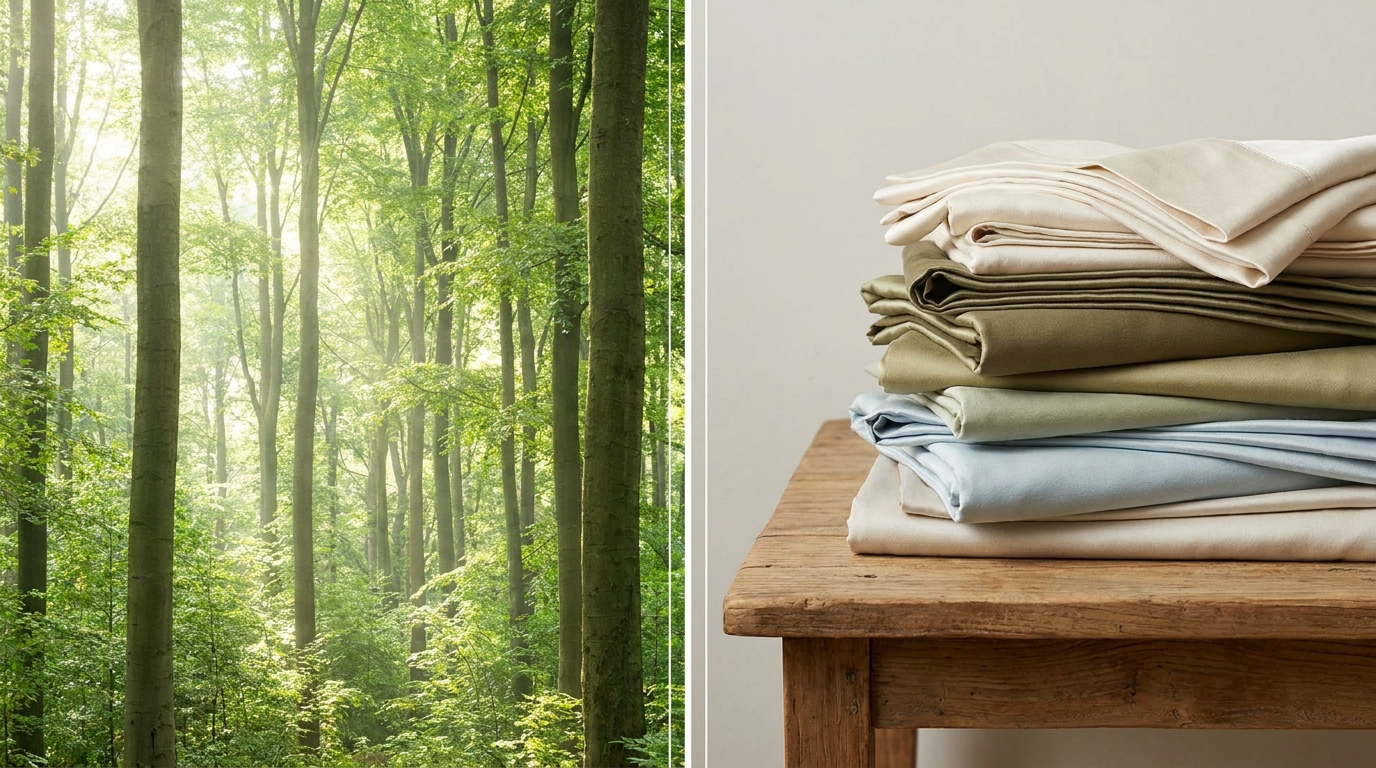
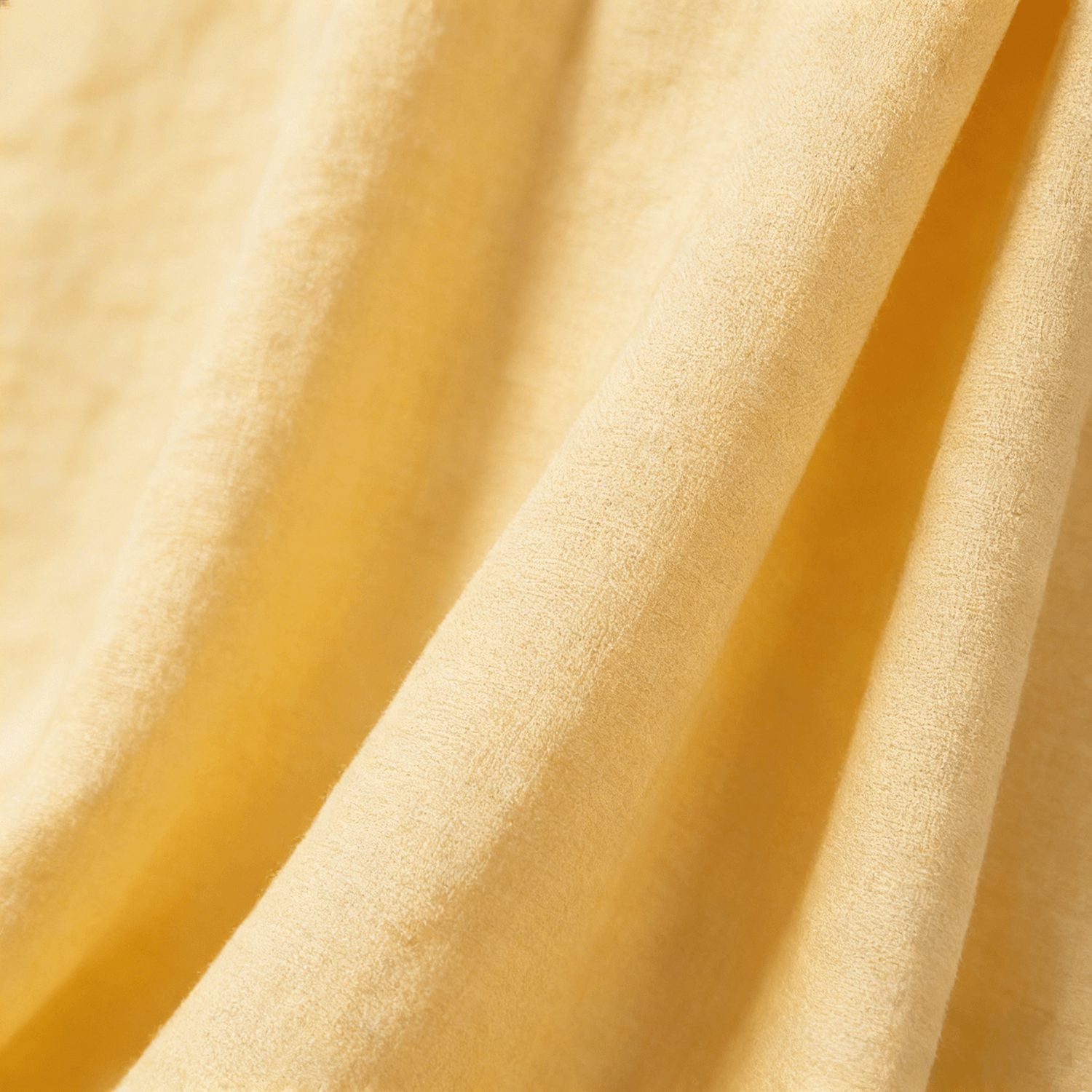
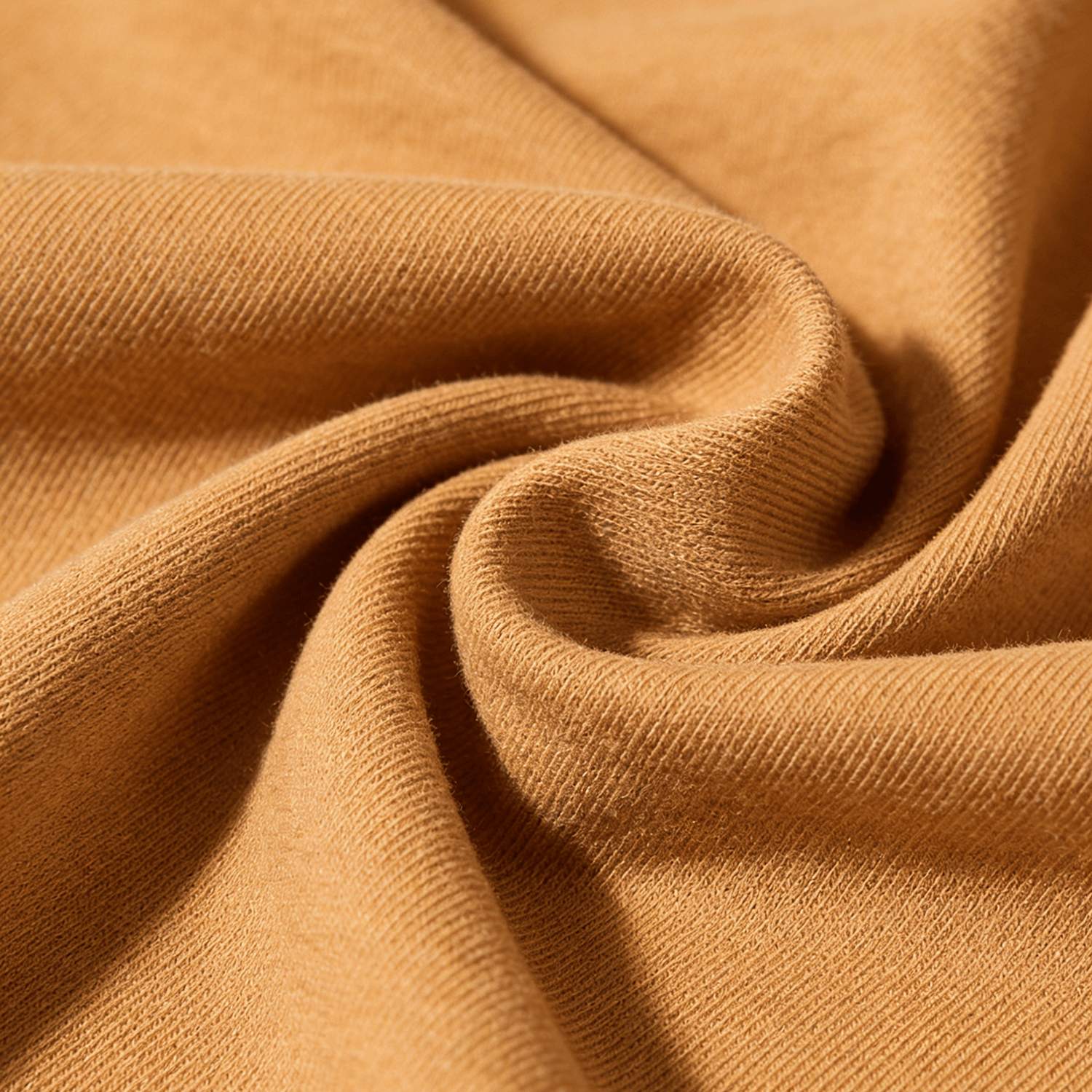
Have you ever shrunk a beautiful, sustainable Lyocell garment? This breathable fabric, often called Tencel™, is incredibly popular.
So, does Lyocell fabric actually shrink? Yes, it can shrink slightly without proper care.
In this post, you will learn essential washing techniques. We will also explore easy unshrinking methods.
What is Lyocell Fabric?
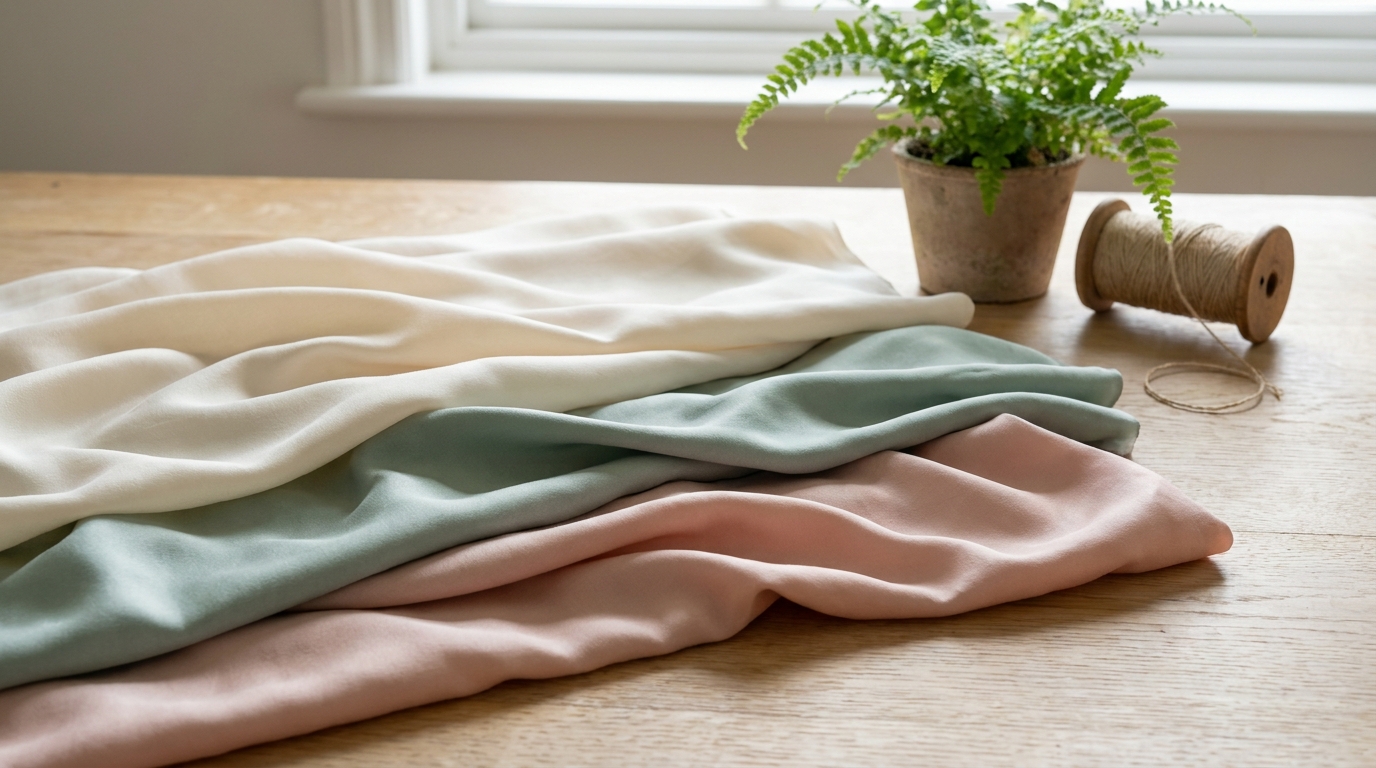
Before answering exactly why and how much Lyocell fabric shrinks, we need to understand what it actually is.
Lyocell falls under the chemical category of Regenerated Cellulose. It shares a family tree with familiar textiles like viscose and modal. However, it stands out due to its unique production and impressive wet strength. At Sainty, we specialize in a comprehensive range of these Regenerated Cellulose textiles.
Manufacturers create this semi-synthetic fiber from pure eucalyptus wood pulp. They dissolve the wood using an organic solvent called NMMO. This happens inside an eco-friendly closed-loop process. The facility captures and reuses over 99% of the water and solvents. This prevents harmful chemicals from entering our ecosystems.
Because it originates from natural wood, the finished material boasts incredible physical properties. You will notice its signature silky drape immediately. It feels exceptionally soft against the skin.
| Key Property | Benefit for the Wearer |
|---|---|
| Moisture-Wicking | Absorbs moisture better than standard cotton, keeping you dry. |
| High Breathability | Air flows easily through the fibers, providing a cooling effect. |
| Smooth Fiber Surface | Prevents irritation and delivers a luxurious, silky feel. |
The quality of the raw material directly impacts how the garment handles laundering. Poorly processed fibers might warp, stretch, or fuzz quickly. Sourcing high-quality material is crucial for long-lasting clothing.
Working with a certified tencel lyocell fabric supplier ensures the textile maintains its structural integrity. We back our manufacturing at Sainty with GRS, OEKO-TEX, and BSCI certifications. This guarantees ethical, sustainable production while helping the fabric resist excessive wear over time.
So, Does Lyocell Fabric Shrink?
We just discussed how high-quality manufacturing maintains the structural integrity of this semi-synthetic fiber. But even the best materials react to water and heat. So, does Lyocell fabric actually shrink? Yes, it certainly does. However, it typically only shrinks by about 3% to 5% during its very first wash.
This initial contraction is known as “first-wash shrinkage.” When facilities spin wood pulp into fibers, they stretch them under high tension. Washing the garment for the first time relaxes these fibers. They naturally pull back slightly to their resting state.
Fortunately, you only need to worry about this during the initial cycle. The “first-wash” rule means subsequent washes at stable temperatures cause minimal changes. Your clothing will hold its new shape perfectly.
How does this compare to other popular textiles? Lyocell is generally much more stable. As a trusted eco friendly lyocell fabric factory, we produce fibers designed to withstand regular use better than traditional options.
| Fabric Type | Typical Shrinkage Rate | Stability Profile |
|---|---|---|
| Lyocell | 3% to 5% | Very stable after the first wash. Retains 85% wet strength. |
| Standard Viscose | 5% to 8%+ | Highly prone to shrinking and losing shape when submerged. |
| Cotton | 4% to 10% | Can shrink continuously over time if exposed to high heat. |
| Wool | Up to 20%+ | Extreme shrinkage risk due to fiber felting in warm water. |
The Impact of Fabric Blends
You rarely find garments made entirely of one single material. Brands often mix Lyocell alongside synthetic fibers or natural textiles to enhance performance. These combinations directly alter the overall shrinkage rate.
For example, a 50/50 Lyocell-Cotton blend might shrink slightly more than pure Lyocell. Cotton absorbs water heavily and reacts aggressively to heat. Conversely, mixing it alongside polyester or elastane adds significant stability. Synthetics naturally resist shrinking.
If you source materials from a reliable bulk lyocell textile manufacturer, they engineer these blends carefully. At Sainty, we balance our flagship TR Fabric and other custom textiles to minimize size changes while maximizing daily comfort.
Why Does Lyocell Fabric Shrink? Common Causes
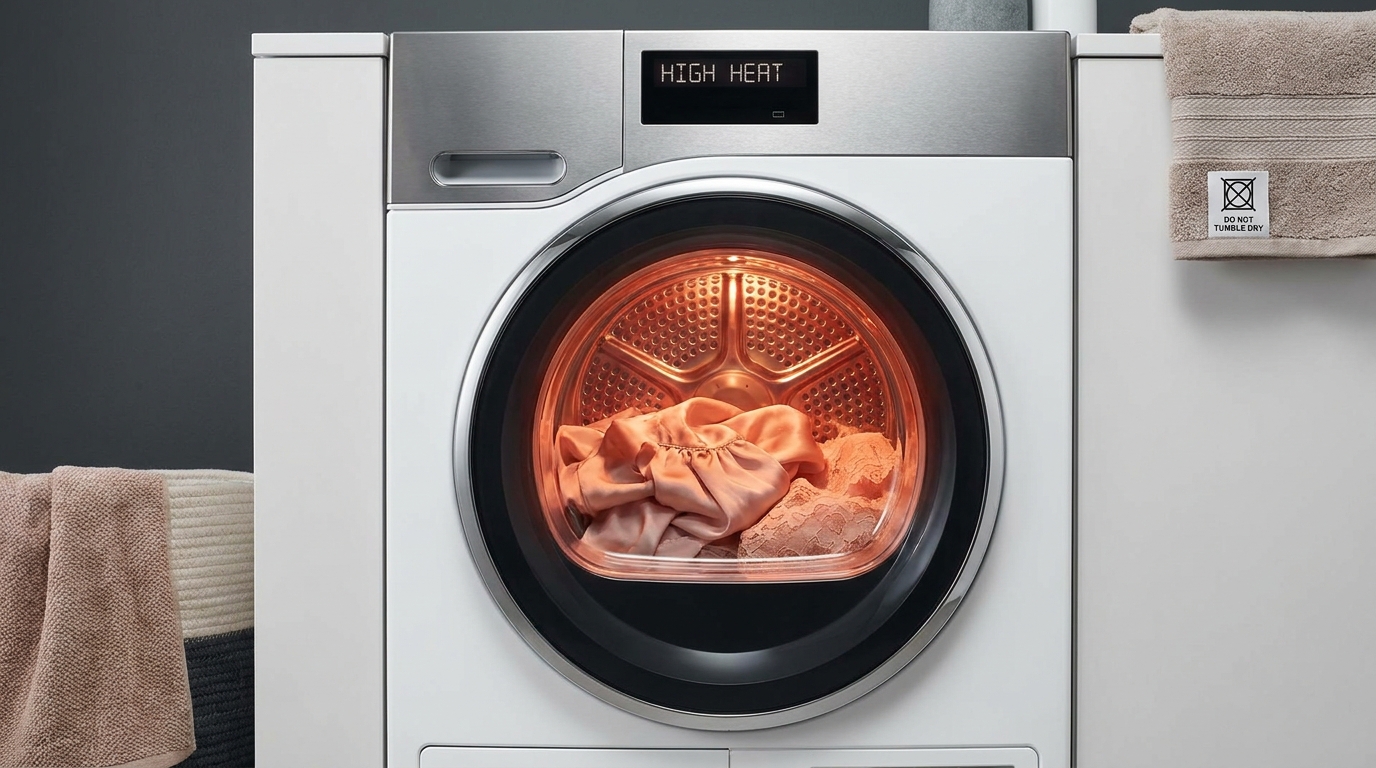
We just looked at how blending Lyocell with cotton or synthetics changes its stability. Even with optimized blends, this material can still lose its shape if mishandled. So, why does Lyocell fabric shrink when things go wrong? It usually comes down to heat, friction, or poor construction.
Hot Water Exposure
As we covered earlier, manufacturers stretch the wood pulp fibers under high tension. Washing the garment in hot water relaxes this tension rapidly. Temperatures above 30°C (86°F) soften the cellulose structure. As the fabric cools down, the fibers pull together and contract. This natural reaction causes permanent size reduction. Stick to cold or lukewarm water to prevent this issue.
High Heat in the Dryer
The dryer poses the biggest threat to your clothing. Tumble drying is the primary cause of drastic shrinkage. Even low heat settings can warp 100% Lyocell garments. Intense, direct heat bakes the moisture out of the fibers too quickly. This sudden moisture loss forces them to curl and shorten. Always air dry your garments whenever possible.
Heavy Agitation
Mechanical friction also damages the semi-synthetic material. Heavy agitation in a standard wash cycle beats wet fabric against the drum. While Lyocell retains excellent wet strength, aggressive spinning distorts its woven structure. This rough friction also causes fibrillation. Fibrillation creates a fuzzy, pilled surface on your clothes. You should always select a delicate or hand-wash cycle. Placing the item inside a mesh laundry bag offers excellent extra protection.
Poor Manufacturing Practices
Finally, the actual construction of the textile matters immensely. Low-quality weaving or knitting creates highly unstable materials. These cheap fabrics lack the proper density to hold their shape during a wash. This highlights exactly why brands prefer a reliable bulk lyocell textile manufacturer to guarantee fabric stability. Proper tension control during manufacturing prevents excessive first-wash contraction.
You must source materials from a reputable wholesale lyocell fabric provider to avoid these pitfalls. Ordering custom lyocell woven fabric from a certified supplier guarantees consistent performance. At Sainty, our GRS and OEKO-TEX certified processes lock in fiber integrity. This ensures your final garments resist warping and shrinking.
| Shrinkage Cause | How It Damages the Fabric | Prevention Tip |
|---|---|---|
| Hot Water | Relaxes tension, causing fibers to contract as they cool. | Wash below 30°C (86°F). |
| Tumble Drying | Flash-dries moisture, forcing fibers to curl and shorten. | Air dry flat or hang carefully. |
| Heavy Agitation | Distorts the weave and causes surface fibrillation (fuzzing). | Use delicate cycles and a mesh bag. |
How to Wash Lyocell to Prevent Shrinking
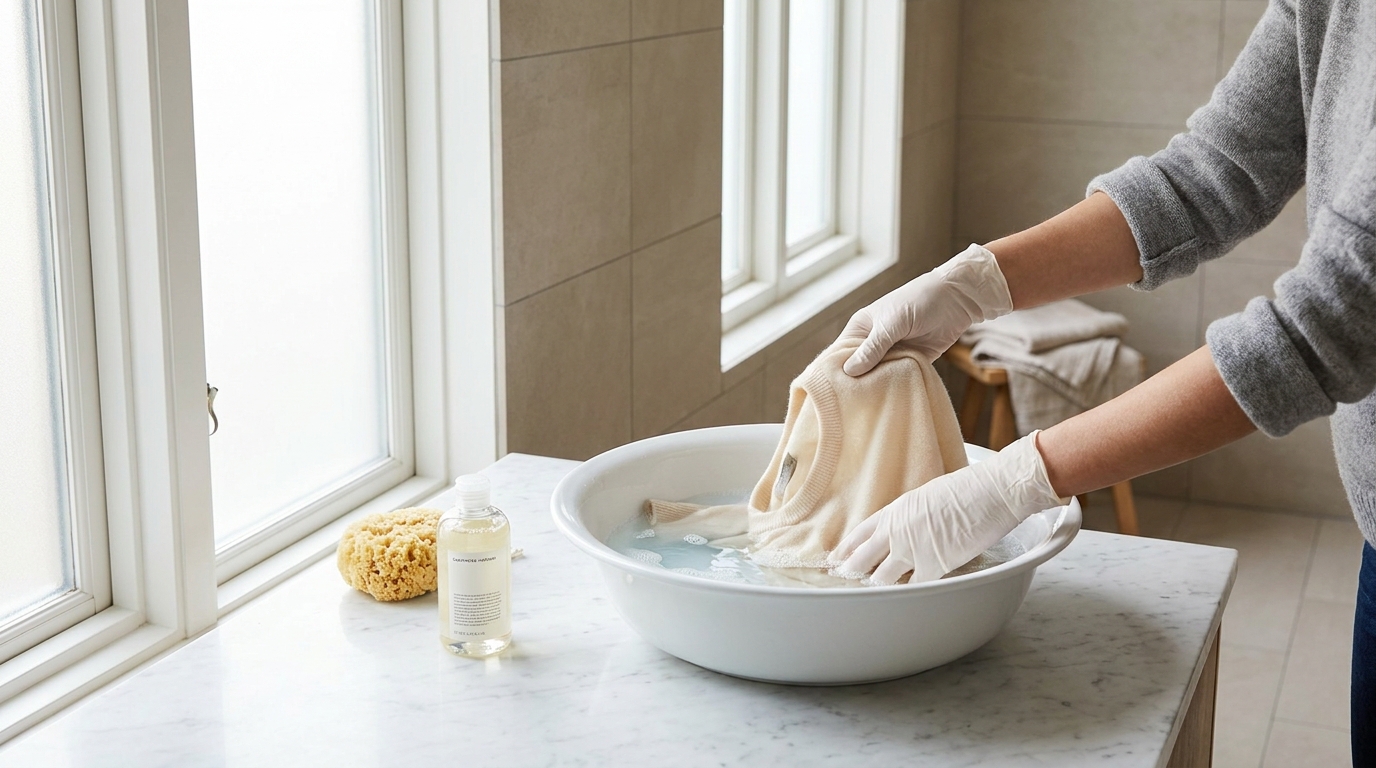
We just explored how extreme heat and aggressive friction ruin your clothes. You know exactly what causes the damage. Now, how do you actually clean these garments safely? Does Lyocell fabric shrink if you wash it perfectly? It still might contract slightly during the first cycle. However, following a strict care routine keeps this reduction to the absolute minimum. Let’s look at the exact steps to wash your items correctly.
Always Read the Care Label
Before you do anything else, check the care tag inside your garment. Manufacturers print specific instructions here for a reason. As we discussed earlier, brands often blend this material alongside cotton or synthetics. These unique combinations require different care routines. Sometimes, a label dictates “Dry Clean Only.” You must follow this rule strictly. Dry cleaning prevents the fibers from swelling in water. This protects highly structured items like tailored suits or lined jackets.
Temperature Control
We already established how hot water relaxes fiber tension. Temperature control remains your best defense against permanent contraction. You should always wash these items in cold or lukewarm water. Keep the water temperature strictly below 30°C (86°F). This cool environment prevents the cellulose structure from softening. It locks in the original dimensions of your clothing.
Machine vs. Hand Washing
Hand washing provides the absolute best protection for semi-synthetic clothing. Submerge the item in a basin of cool water. Gently swirl it around for a few minutes. Never wring or twist the wet fabric to remove water. Twisting causes severe mechanical damage and ruins the garment shape.
If you must use a washing machine, always select the delicate or gentle cycle. This limits the aggressive drum agitation we warned you about earlier. You should also place your clothing inside a mesh laundry bag first. The bag acts as a physical shield. It stops the material from rubbing against rough textiles or the metal drum.
Choosing the Right Detergent
Harsh chemicals break down natural fibers very quickly. You need to select a mild, eco-friendly detergent. Look for gentle formulas featuring a neutral pH level. Avoid bleach or heavy-duty stain removers entirely. Gentle soaps clean effectively while maintaining the signature silky drape of the material. At Sainty, our OEKO-TEX certified textiles arrive entirely free from harmful substances. Using mild detergent at home ensures they stay incredibly soft and safe for your skin over time.
| Care Step | Recommended Action | Why It Matters |
|---|---|---|
| Label Check | Read the tag before washing. | Identifies blend-specific needs or dry-clean rules. |
| Water Temp | Use cold water (under 30°C/86°F). | Prevents fibers from relaxing and shrinking. |
| Agitation | Hand wash or use a delicate machine cycle. | Reduces friction and prevents surface fuzzing. |
| Detergent | Use mild, neutral-pH soap. | Protects the soft, silky texture of the fabric. |
Drying and Ironing Lyocell Without Causing Shrinkage
We just covered how cold water and mild detergents protect your garments during the wash. But cleaning is only half the battle. Does Lyocell fabric shrink after it leaves the washing machine? Yes, the drying and ironing phases actually carry the highest risk of permanent damage. Let’s explore how to dry and press your clothes safely.
Air Drying is Best
The safest way to dry this semi-synthetic material is air drying. Gravity and patience work the best. After washing, do not wring out the excess water. Instead, lay the wet garment flat on a clean, dry towel. This prevents the heavy, water-logged fibers from stretching vertically.
If you prefer hanging your clothes, always use a thick, padded hanger. You should avoid thin wire hangers entirely. They create permanent shoulder bumps and distort the wet fabric. As we mentioned earlier, Lyocell absorbs a lot of water. It feels quite stiff or crunchy when it first air-dries. Do not worry about this temporary stiffness. It disappears quickly as you wear the item and it warms up to your body. At Sainty, we design our Regenerated Cellulose textiles to handle daily wear, but proper air drying ensures they last for years.
Avoid the Tumble Dryer
We warned you about the tumble dryer earlier, and we must stress it again. Tumble drying remains the absolute fastest way to ruin these garments. Does Lyocell fabric shrink in the dryer? Absolutely. The intense heat flash-dries the moisture. This forces the cellulose fibers to curl up and shorten drastically.
Even a low heat setting often proves too hot for 100% Lyocell. If you absolutely must use a machine, select the no heat or air fluff setting only. Remove the item while it remains slightly damp. You should never let it bake dry inside the drum.
Safe Ironing Techniques
You might notice some wrinkles after your clothes air dry. You can remove these easily, but you must control the heat. Direct, high heat scorches the fibers. It can even leave a shiny glaze on the surface. You cannot wash this glaze out.
To iron safely, use a warm iron on a synthetic setting. The best trick is to press the garment while it is still slightly damp. The moisture helps relax the wrinkles. It also allows you to gently stretch the fibers back to their original size. Alternatively, a garment steamer works beautifully. Gentle steam releases creases without the dangerous friction of a hot iron plate.
| Care Method | Best Practice | What to Avoid |
|---|---|---|
| Drying | Lay flat on a towel or use a padded hanger. | Tumble drying on any heat setting. |
| Ironing | Use a warm iron on damp fabric or a steamer. | Direct, high heat on dry fabric. |
| Handling | Gently press water out of the garment. | Wringing or twisting wet fibers. |
Can You Unshrink Lyocell Fabric? A Step-by-Step Guide
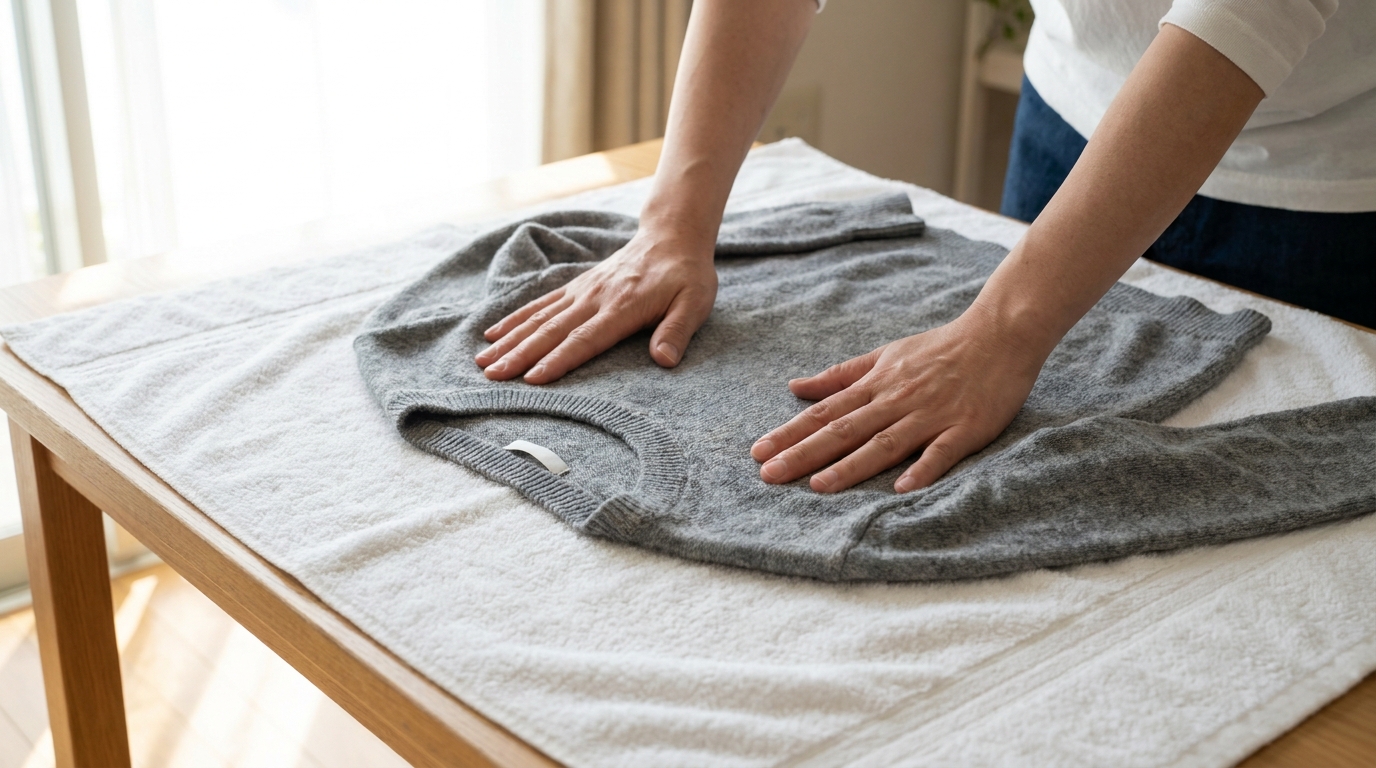
We just discussed how high heat from dryers or irons forces fibers to curl and shorten. But what if the damage is already done? Does Lyocell fabric shrink permanently if you make a careless mistake? Many people panic and think their expensive garment is ruined forever. Fortunately, you can often rescue it. Because this material retains 85% of its strength when wet, it handles gentle stretching very well. High-quality Regenerated Cellulose, like the textiles we produce at Sainty, bounces back much better than cheaper alternatives. Let’s walk through the exact restoration process.
Step 1: Prepare a Lukewarm Relaxing Bath
Fill a clean sink or basin with lukewarm water. Remember our strict temperature rule from earlier. Keep the water well below 30°C (86°F). Add one tablespoon of mild hair conditioner or baby shampoo. Mix it thoroughly into the water. This soapy solution acts as a gentle fiber relaxant. It coats the material and softens the rigid cellulose structure.
Step 2: Soak the Garment for 30 Minutes
Submerge your shrunken clothing completely into the bath. Let it sit undisturbed for 15 to 30 minutes. Do not agitate it. This soaking period gives the conditioner enough time to penetrate the material. It relaxes the tightly contracted fibers. It safely releases the tension caused by the dryer heat.
Step 3: Squeeze Out Excess Water Gently
Drain the soapy water from your basin. Press the wet clothing gently against the side of the sink. Push the water out carefully. Do not wring or twist the fabric under any circumstances. As we covered earlier, twisting causes severe mechanical damage. It also triggers unwanted surface fibrillation.
Step 4: Stretch It Back to Size
Lay a clean, dry towel on a flat surface. Place your damp garment flat on top of it. Roll the towel up tightly to absorb more moisture. Unroll it and move the clothing to a fresh, dry towel. Now, carefully pull the edges of the fabric. Stretch it gently by hand in all directions. Work slowly to restore its original dimensions.
Step 5: Air Dry in the Stretched Position
Leave the item flat on the towel to finish drying. Ensure it remains in its newly stretched shape. Allow it to air dry completely. Do not use a hanger yet. Hanging it while soaking wet might stretch the heavy fibers too far vertically. Once dry, you can use the damp iron trick we mentioned earlier to smooth out any lingering wrinkles.
| Restoration Step | Tools Needed | Crucial Warning |
|---|---|---|
| 1. Prepare Bath | Lukewarm water, baby shampoo or conditioner. | Keep water below 30°C (86°F). |
| 2. Soak | Basin or clean sink. | Do not agitate or scrub the material. |
| 3. Remove Water | Your hands. | Never wring or twist the wet fibers. |
| 4. Stretch | Two dry towels. | Pull gently to avoid tearing the seams. |
| 5. Air Dry | Flat surface. | Do not hang vertically while soaking wet. |
Sourcing High-Quality, Shrink-Resistant Lyocell
We just walked through the exact steps to rescue a shrunken item. You learned how to relax the fibers gently and stretch them back to size. However, the best way to handle shrinkage is to prevent it before the garment is even made. Does Lyocell fabric shrink excessively if manufactured poorly? Yes, it absolutely can.
The production and finishing phases play a massive role here. As we covered earlier, spinning wood pulp into semi-synthetic fibers requires high tension. If a facility rushes this step, the tension remains too high. The moment water hits the finished clothing, those tight fibers snap back. Proper tension control and advanced finishing treatments lock in dimensional stability. This prevents drastic first-wash contraction.
You must partner with a reliable eco friendly lyocell fabric factory to avoid these quality issues. Strict quality control ensures the material holds its shape during daily wear. At Sainty, we operate as a leading supplier of premium fabrics. We specialize in our flagship TR Fabric. We also produce a comprehensive range of Regenerated Cellulose textiles, including Tencel™, Modal, and Viscose. We combine these alongside natural and synthetic options to meet diverse manufacturing needs.
Global apparel brands trust us because we prioritize ethical production standards. Sourcing wholesale lyocell fabric from an unverified supplier carries huge risks. Cheap materials warp and fuzz quickly. Instead, ordering custom lyocell woven fabric from a certified manufacturer guarantees consistent performance. We fully back our manufacturing operations using GRS, OEKO-TEX, and BSCI certifications.
This strict oversight ensures you receive sustainable, durable, and dimensionally stable textiles every single time. Your customers get beautiful clothing. They never have to panic about sudden size changes after laundry day.
| Sourcing Choice | Fabric Stability | End-User Experience |
|---|---|---|
| Certified Supplier (Sainty) | High dimensional stability. Fibers resist shrinking and warping. | Garments maintain their original fit and silky drape for years. |
| Unverified Factory | Poor tension control leads to excessive first-wash contraction. | High risk of permanent shrinkage, surface fuzzing, and customer complaints. |
Conclusion
Lyocell fabric shrinks minimally during its first wash. You can easily prevent this with proper care. Always use cold water and gentle washing cycles. Air drying protects these eco-friendly fibers best.
Choose premium textiles from certified suppliers like Sainty. Our GRS, OEKO-TEX, and BSCI certifications guarantee lasting quality.
- Check your garment care labels before washing.
- Switch your washing machine to a cold setting.
- Buy fabrics from trusted, certified sustainable manufacturers.
Frequently Asked Questions About Lyocell Fabric Shrinkage
Can I put my Lyocell clothes in the dryer?
You should never put this fabric in a tumble dryer. Tumble drying is the primary cause of fiber shrinkage. Even low heat settings will cause the garment to lose its shape. Air drying your clothes is always the safest choice. You should lay the wet items flat on a clean towel. Hanging them vertically can stretch the heavy wet fibers.
How can I unshrink a damaged Lyocell shirt?
You can easily restore a shrunken shirt with a simple method. Soak the garment in lukewarm water for thirty minutes. Add a small amount of hair conditioner to the water. This mixture helps relax the tight cellulose fibers. Remove the shirt and gently stretch it back to size by hand. Lay the damp fabric flat on a towel to dry.
Do Lyocell blends shrink less than pure Lyocell?
Yes, blended fabrics usually shrink much less than pure versions. Mixing this material with synthetic fibers adds great structural stability. Sainty supplies premium Tencel™ blended with high-quality synthetic textiles. These certified blended fabrics maintain their shape extremely well over time. You still need to wash these blends carefully in cold water.
Why does my clothing feel stiff after washing?
Air-dried cellulose fibers often feel slightly crunchy at first. This stiffness happens naturally as the wet material dries completely. You can easily fix this minor issue at home. Iron the damp garment on a warm synthetic setting. A quick pass with a garment steamer also restores its silky drape.
Does Lyocell shrink more than regular viscose?
No, it actually shrinks less than standard viscose fabrics. This material keeps 85% of its strength when fully wet. This impressive wet strength makes it highly durable during laundering. Sainty offers top-quality Tencel™ and viscose backed by global certifications. You can trust these premium textiles for sustainable and reliable apparel.
Lyocell fabric shrinks about 3% to 5% during its first wash. You must wash it in cold water to prevent damage. Never use a tumble dryer for these delicate garments. Air drying flat is always the safest drying method. You can gently stretch shrunken clothes using warm water and conditioner. Sainty provides sustainable, certified Tencel™ fabrics for highly durable apparel. Always follow care labels to keep your clothes looking brand new.
- Check your garment’s care label before starting any wash cycle.
- Purchase a mesh laundry bag to protect delicate clothing fibers.
- Switch your washing machine settings to cold water and delicate.
- Store your dry garments folded flat instead of hanging them.