Are toxic chemicals hiding in your everyday clothing?
Many consumers ask: does modal fabric cause cancer?
While production uses chemicals, responsibly sourced finished garments are completely safe.
In this post, you will explore the manufacturing process and learn to identify safe, certified textiles.
What is Modal Fabric? A Brief Overview
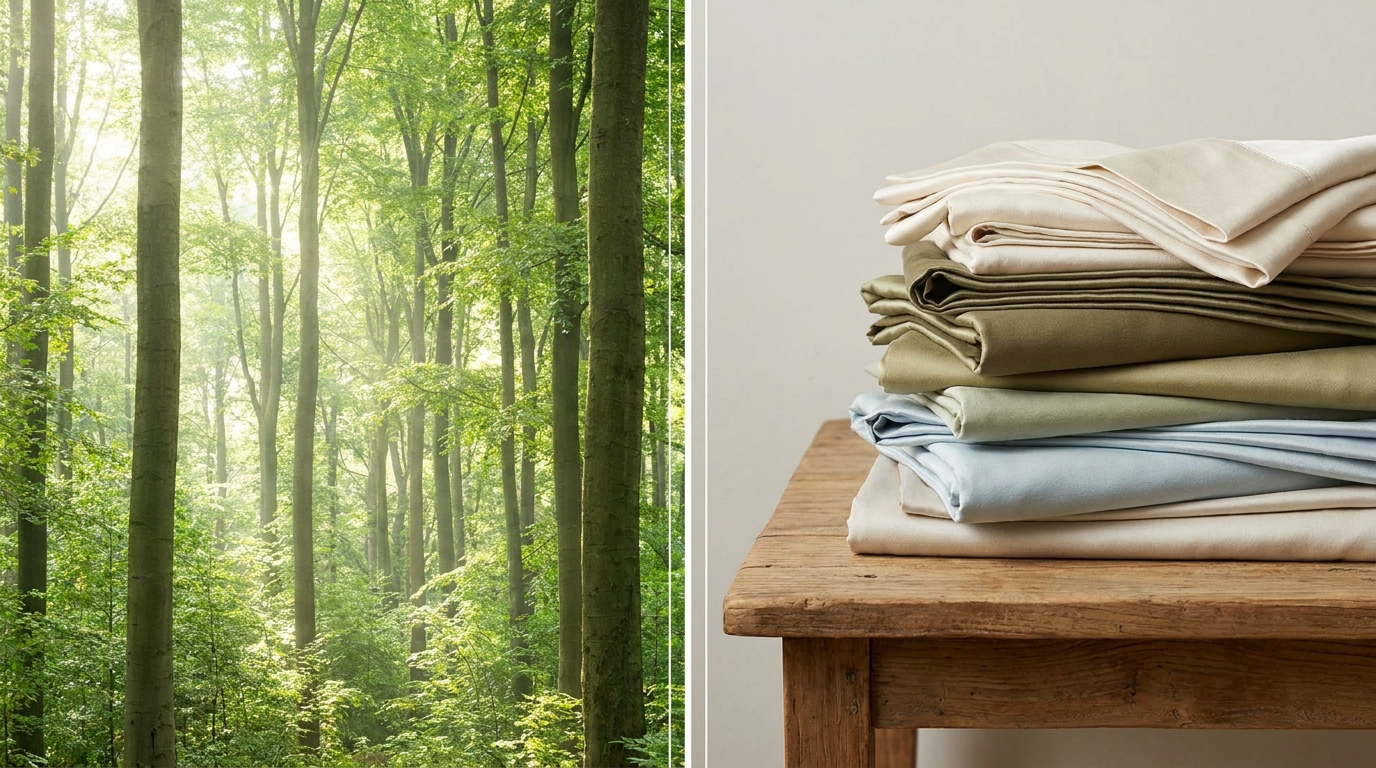
Before exploring the manufacturing steps to see if modal fabric causes cancer, we must understand the material itself. Modal operates as a highly popular semi-synthetic fiber. We classify it in the textile industry as regenerated cellulose. This means it bridges the gap between purely natural and fully synthetic textiles.
The journey of modal begins directly in nature. Producers create it primarily from beech tree wood pulp. These trees are typically sustainably harvested for textile production. The raw wood pulp undergoes specific chemical processes. It eventually transforms into the soft yarn used in everyday clothing.
Finding a reliable OEKO-TEX modal fabric supplier ensures end-user safety. At Sainty, we specialize in premium regenerated cellulose fabrics. Our textile lineup includes high-quality Tencel™, Modal, and Viscose options. Our manufacturing holds strict GRS, OEKO-TEX, and BSCI certifications. This guarantees ethical and sustainable production from the forest to your fabric.
Why do global apparel brands choose this specific material? It offers several unique advantages for daily wear:
- Incredible Softness: The fine fibers feel exceptionally smooth and silky against bare skin.
- High Breathability: The fabric structure allows air to circulate easily to keep you cool.
- Moisture-Wicking: Modal is about 50% more water-absorbent than regular cotton. It pulls sweat away from your body efficiently to reduce bacterial growth.
- Durability: It resists shrinking and pilling much better than many pure natural fibers.
To better understand its value, consider how it compares to a common wardrobe staple:
| Feature | Modal Fabric | Traditional Cotton |
|---|---|---|
| Material Origin | Beech tree pulp (Semi-synthetic) | Cotton plant (Natural) |
| Absorbency | Highly absorbent (50% more) | Moderately absorbent |
| Texture & Feel | Silky, lightweight, and ultra-soft | Soft but noticeably textured |
| Longevity | Shrink-resistant and highly colorfast | Prone to shrinking and fading over time |
Does Modal Fabric Cause Cancer? Uncovering the Truth

While modal offers incredible softness and outperforms cotton in absorbency, its semi-synthetic origin often raises health questions. You might wonder: does modal fabric cause cancer? The direct answer is no. There is zero scientific evidence suggesting that wearing this material leads to cancer.
Major health organizations like the IARC and NTP do not classify cellulose as a carcinogen. The final fabric is completely safe for daily wear.
Understanding the Root of the Myth
Why does this toxic clothing myth exist? It mostly comes down to confusion between raw manufacturing chemicals and finished textiles. As we covered earlier, transforming raw wood pulp into soft yarn requires a chemical process.
Facilities use strong solvents like carbon disulfide, sodium hydroxide, and sulfuric acid to break down the pulp. Hearing these chemical names naturally sounds alarming. However, these substances wash out during production. Finished garments retain only non-detectable or harmless trace levels of these processing agents.
Occupational Exposure vs. Consumer Exposure
To understand the real risks, we must separate occupational exposure from consumer exposure. The danger lies on the factory floor, not in your closet.
| Exposure Type | Who is at Risk? | Nature of the Risk |
|---|---|---|
| Occupational Exposure | Factory workers in unregulated facilities | High. Inhaling volatile organic compounds daily can cause severe neurological and health issues. |
| Consumer Exposure | Anyone wearing the finished garment | Negligible. The chemicals are washed and recovered before the fabric ever reaches the consumer. |
Partnering with a responsible eco friendly modal fabric manufacturer completely eliminates these occupational hazards. At Sainty, our production lines are backed by OEKO-TEX and BSCI certifications. We ensure that our workers operate in safe environments well within permissible exposure limits.
We also guarantee that our Tencel™ and Modal fabrics remain completely free from harmful residues when they reach your skin.
If the fiber itself is safe, where do clothing toxicity concerns actually come from? The real culprits are usually post-production treatments. Some brands apply formaldehyde-based resins to make clothes “wrinkle-free” or “permanent press.” These cheap auxiliary treatments pose potential health risks, not the modal fiber itself. Choosing certified textiles protects you from these hidden chemical finishes.
The Manufacturing Process: Are the Chemicals Toxic?
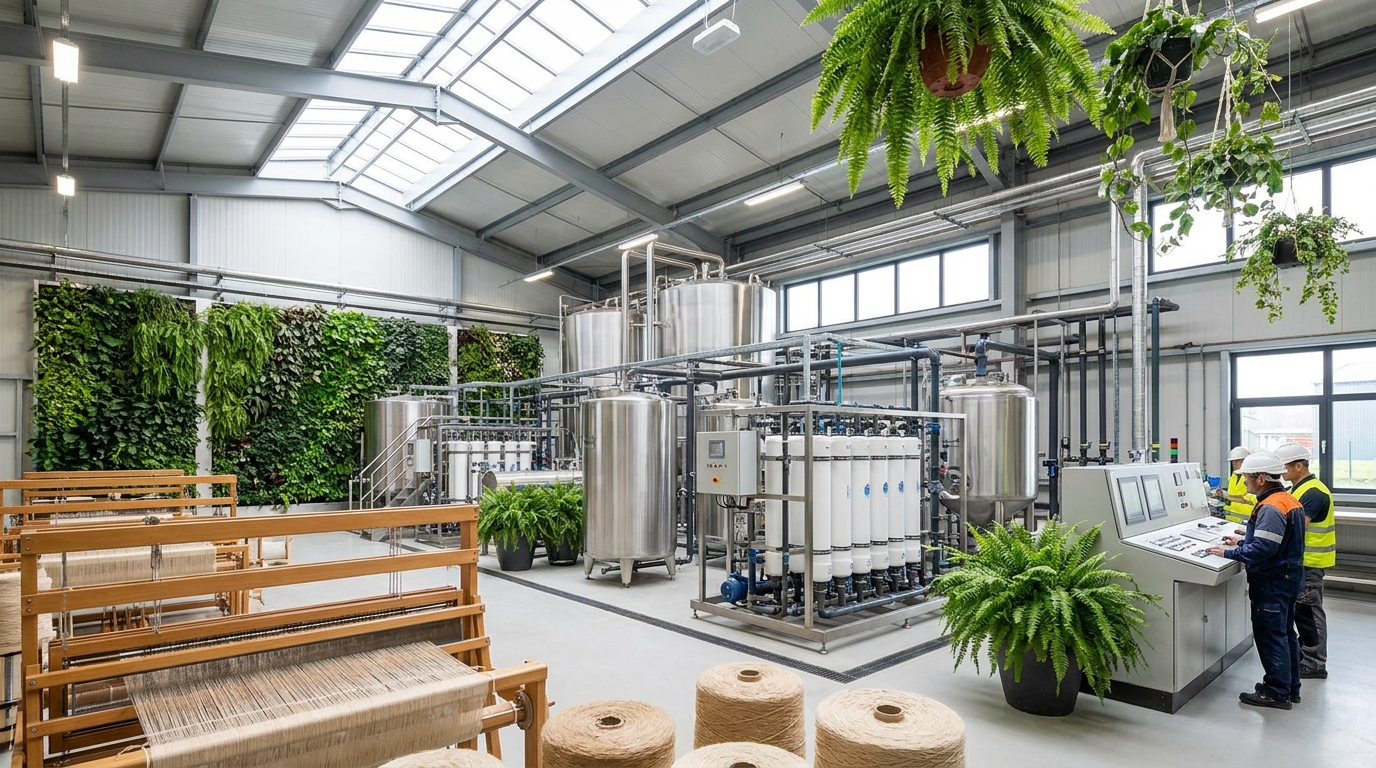
You now know hidden post-production finishes pose the real risks. But what about the actual creation of the fiber? Many consumers still worry about the initial solvents. They wonder if modal fabric causes cancer due to its chemical processing. Let us look inside the factory to see exactly how wood becomes clothing.
Breaking Down the Processing Solvents
Transforming tough beech tree pulp into soft yarn requires heavy-duty chemistry. The traditional manufacturing process relies on two main agents:
- Sodium Hydroxide: Also known as caustic soda. It breaks down the raw wood pulp into a manageable cellulose crumb.
- Carbon Disulfide: This strong solvent turns the crumb into a thick liquid. We then spin this liquid into solid threads.
These chemicals are highly toxic in their raw state. Carbon disulfide poses severe inhalation risks. However, responsible manufacturing completely neutralizes this danger before the yarn ever leaves the facility.
The Power of Closed-Loop Systems
How do modern facilities protect their workers and local ecosystems? They utilize a closed-loop production system. This advanced method captures the active solvents during the spinning process.
Instead of releasing fumes or dumping wastewater, the factory recycles them. Leading producers successfully recover up to 99% of the water and chemicals. They reuse these materials for the next batch of fabric. This drastically reduces environmental pollution. It also keeps factory workers safe from harmful exposure.
Partnering with a non-toxic modal textile factory guarantees this level of safety. At Sainty, our regenerated cellulose lines adhere to strict environmental standards. Our GRS and OEKO-TEX certifications ensure our production methods protect both people and the planet.
Purification: Why the Final Fabric is Safe
What happens to the tiny fraction of chemicals escaping the closed loop? The newly spun fibers undergo an intense purification phase.
Factories run the yarn through multiple washing, bleaching, and neutralizing baths. This rigorous cleaning strips away any residual processing solvents. The process guarantees the final textile remains completely free of harmful residues.
Here is a quick breakdown of how toxicity is eliminated at each stage:
| Manufacturing Stage | Chemical Action | Safety Measure |
|---|---|---|
| Pulp Dissolving | Sodium hydroxide and carbon disulfide dissolve wood. | Workers use protective gear in sealed environments. |
| Fiber Spinning | Liquid cellulose hardens into solid yarn. | Closed-loop systems capture and recycle up to 99% of solvents. |
| Purification | Yarn undergoes extensive washing and bleaching. | Multiple water baths strip away all chemical residues. |
By the time a brand buys fabric from a reliable bulk modal jersey supplier, the material is perfectly safe. The hazardous solvents never reach your skin. This extensive purification proves why the base fiber does not cause cancer.
How to Choose Safe and Healthy Modal Clothing
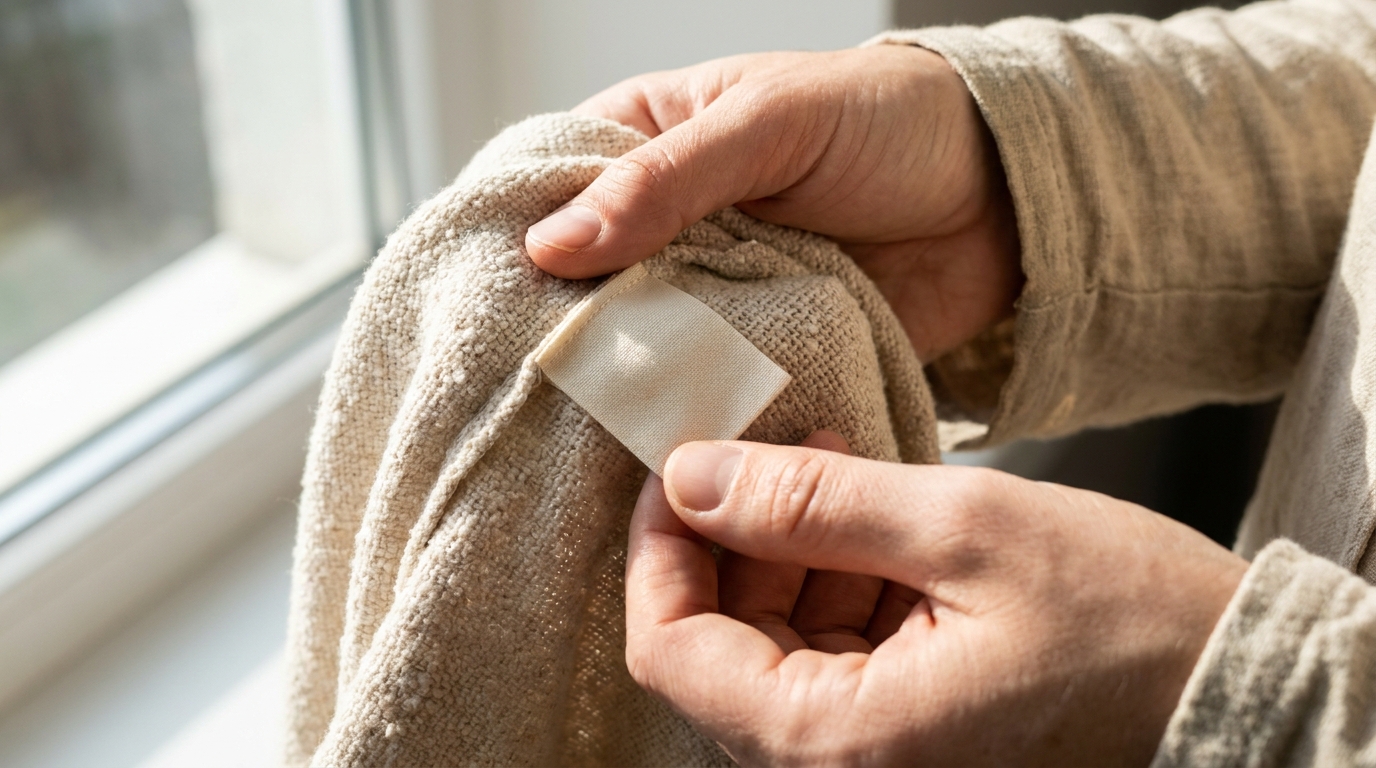
As we covered earlier, the base fiber undergoes intense purification. It does not contain hazardous solvents. However, the real health risks hide in post-production finishes. Some brands use formaldehyde resins for wrinkle resistance. How do you avoid these hidden chemicals? You must know what to look for when shopping. Choosing safe clothing comes down to reading labels.
The Importance of Independent Eco-Labels
Checking the clothing tag is your first line of defense. You cannot tell if a garment has toxic finishes just by touching it. Instead, look for independent eco-labels. These third-party certifications prove the textile underwent rigorous testing.
The most reliable standard is OEKO-TEX Standard 100. It tests for over 100 harmful substances. This includes heavy metals, azo dyes, and formaldehyde. If you see this label, the garment is completely safe. Other excellent labels include Bluesign and GRS.
Why Sourcing Matters for Brands and Consumers
If you run an apparel brand, your supply chain dictates safety. Brands must partner with a reputable factory. Unregulated facilities might skip the closed-loop recovery process we discussed earlier. They might also apply cheap, toxic surface treatments.
At Sainty, we take consumer safety seriously. As a leading supplier of premium fabrics, we specialize in Regenerated Cellulose textiles. Our lineup includes high-quality Tencel™, Modal, and Viscose. Our manufacturing is fully backed by GRS, OEKO-TEX, and BSCI certifications. This ensures ethical production. It guarantees our fabrics remain completely free from harmful residues.
Benefits of Certified and Sustainable Blends
Brands often blend modal with other fibers. They do this to enhance durability or stretch. When shopping, prioritize sustainable options. Choosing a certified organic modal fabric blend offers incredible benefits. It ensures the wood pulp comes from sustainably managed forests.
It also guarantees the chemical recovery process meets strict guidelines. These sustainable options prevent toxic runoff. They protect local water supplies. They also protect your skin from harsh synthetic pesticides often found in conventional cotton.
Protecting Sensitive Skin: The First Wash Rule
Even with safe clothing, some people experience contact dermatitis. They might wonder again: does modal fabric cause cancer or skin conditions? We know cancer is not a risk. However, surface-level irritation can still happen.
This usually comes from sizing agents. Factories apply these light starches to keep clothes crisp during shipping. To protect sensitive skin, always wash new garments. Do this before the first wear. This simple step removes residual surface dyes. It also washes away dust from the factory floor.
Here is a quick checklist to ensure your clothing remains safe and comfortable:
| Action to Take | Why It Matters | Direct Health Benefit |
|---|---|---|
| Look for OEKO-TEX Labels | Verifies the absence of toxic post-production finishes. | Prevents harmful chemical absorption through the skin. |
| Wash Before Wearing | Removes sizing agents, loose dyes, and factory dust. | Prevents contact dermatitis and surface skin rashes. |
| Avoid “Wrinkle-Free” Tags | These treatments often rely on formaldehyde resins. | Reduces exposure to known respiratory irritants. |
Sourcing Safe Materials: The Importance of a Reliable OEKO-TEX Modal Fabric Supplier
We just covered how consumers protect their skin by checking labels and washing new clothes. True safety begins long before a garment reaches the retail store. Global apparel brands must guarantee their products remain completely free from carcinogenic substances. They achieve this by partnering with a reliable OEKO-TEX modal fabric supplier.
When shoppers ask, does modal fabric cause cancer, brands need a definitive answer. They cannot risk using unregulated factories. Unverified suppliers might skip crucial chemical recovery steps. They might also apply toxic wrinkle-free resins. Top brands prevent this through strict supply chain audits. They demand third-party testing at every production stage.
Partnering with a Trusted Manufacturer
This is exactly where Sainty steps in. We operate as a leading eco friendly modal fabric manufacturer. We proudly serve as a trusted bulk modal jersey supplier for the global market. Our team takes consumer health and environmental protection seriously. We eliminate the compliance guesswork for apparel brands.
How do we prove our textiles remain completely safe? We back our manufacturing with rigorous international standards. Our facilities hold strict GRS, OEKO-TEX, and BSCI certifications. These independent labels guarantee ethical production from start to finish. They ensure our factory workers operate in safe environments. They also prove our finished fabrics contain zero harmful chemical residues.
Exploring Sainty’s Premium Fabric Offerings
As a leading supplier of premium fabrics, Sainty provides a diverse textile portfolio. We tailor our materials to meet global apparel demands. Our flagship TR Fabric stands out for its exceptional quality and durability. We also produce a comprehensive range of Regenerated Cellulose options. This lineup includes premium Tencel™, Modal, and Viscose.
Beyond semi-synthetics, we supply high-quality Natural and Synthetic textiles. Every material we produce guarantees ethical manufacturing. Here is a closer look at our core fabric categories:
| Fabric Category | Key Materials | Primary Benefits | Safety & Ethical Assurance |
|---|---|---|---|
| Regenerated Cellulose | Tencel™, Modal, Viscose | Ultra-soft, highly breathable, and moisture-wicking. | OEKO-TEX certified. Free from carcinogenic processing residues. |
| Flagship Blends | Premium TR Fabric | Highly durable, shape-retaining, and versatile. | BSCI certified. Ensures fair and safe labor conditions. |
| Natural & Synthetic | Cotton, Polyester, Blends | Long-lasting performance for everyday apparel. | GRS certified. Promotes sustainable and traceable sourcing. |
Choosing a certified organic modal fabric or a premium blend protects your customers. It ensures your brand delivers soft, durable, and completely safe clothing. Partnering with Sainty means prioritizing both product quality and consumer peace of mind.
Modal vs. Other Fabrics: Which is the Safest for Your Skin?
You just learned how partnering with certified suppliers guarantees your peace of mind. We established earlier that the answer to “does modal fabric cause cancer” is a definitive no. However, you might still wonder how it compares to other common textiles. Is it truly the safest option for daily wear? Let us compare this semi-synthetic fiber against synthetics, traditional rayon, and conventional cotton. You will quickly see which material treats your skin best.
Modal vs. Synthetic Fabrics (Polyester, Nylon, Acrylic)
Many people fill their wardrobes with polyester, nylon, and acrylic. Manufacturers create these purely synthetic fabrics from petroleum. They offer great durability and stretch. However, they fall short regarding skin health.
Synthetics tend to trap body heat. They hold sweat directly against your skin. This creates a perfect environment for bacterial growth. It often leads to body odor and contact dermatitis. Furthermore, washing these garments releases harmful microplastics into our water systems.
Modal offers a much healthier alternative. It originates from natural beech tree pulp. Therefore, it breathes exceptionally well. It pulls moisture away from your body efficiently. This natural absorbency reduces bacterial growth. You stay cooler and avoid the microplastic pollution tied to pure synthetics.
Modal vs. Traditional Viscose Rayon
We classify both modal and traditional viscose as regenerated cellulose. They share similar origins. However, modal represents a significant technological upgrade. It provides better environmental and safety profiles.
Traditional viscose production sometimes relies on older methods. Unregulated factories might release harsh solvents into local ecosystems. This creates severe pollution. It also endangers factory workers.
Modal utilizes advanced, lower-toxicity processing. As we covered earlier, top producers use closed-loop systems. They recover and recycle almost all processing chemicals. This approach makes modal a safer choice. At Sainty, we supply premium Tencel™, Modal, and Viscose. Our strict OEKO-TEX certifications ensure our entire regenerated cellulose lineup prioritizes your safety.
Modal vs. Conventional Cotton
You might assume pure cotton always wins for skin safety. It comes directly from a plant. Yet, conventional cotton farming hides significant health risks.
Farmers spray heavy pesticides on traditional cotton crops. They also use synthetic fertilizers. These harsh agricultural chemicals can linger in the raw fibers. They easily contaminate local water supplies.
Modal production avoids these agricultural hazards entirely. Producers harvest beech trees from sustainably managed forests. These trees require zero artificial irrigation. They grow without toxic pesticides. The controlled manufacturing process ensures the final yarn remains completely pure.
| Fabric Type | Breathability | Chemical & Environmental Risks | Skin Safety Profile |
|---|---|---|---|
| Modal | Very High | Low (Closed-loop processing) | Excellent (Hypoallergenic) |
| Synthetics (Polyester) | Low | High (Microplastics, petroleum) | Poor (Traps bacteria) |
| Traditional Viscose | High | Moderate to High (Solvent runoff) | Good (If properly washed) |
| Conventional Cotton | High | High (Heavy pesticide use) | Good (May contain pesticide traces) |
Conclusion
Does modal fabric actually cause cancer?
The finished garment is completely safe and non-carcinogenic for daily wear.
However, safety depends heavily on responsible factory manufacturing.
Brands and consumers must choose certified textiles from highly trusted global suppliers.
- Check clothing tags for independent OEKO-TEX certifications.
- Source ethical modal directly from certified suppliers like Sainty.
- Wash new clothes before your first wear.
Frequently Asked Questions About Modal Fabric and Cancer
Is modal fabric toxic to wear?
Modal fabric is generally safe and not toxic for everyday wear. The manufacturing process uses strong chemicals like carbon disulfide. However, these chemicals wash out before the fabric reaches you. Finished garments contain nearly zero chemical residues. The main health risks affect factory workers, not regular consumers. Always wash new modal clothes before wearing them.
Are the chemicals in modal fabric carcinogenic?
Neither modal fiber nor its wood pulp base causes cancer. Major health groups do not list modal as a carcinogen. The real concern comes from extra fabric finishes. Some brands use formaldehyde to make clothes wrinkle-free. This specific chemical can increase cancer risks over time. You should avoid garments labeled as permanent press.
Does modal clothing cause skin rashes?
Modal is very soft and rarely causes skin irritation. It absorbs water much better than regular cotton. This high absorbency keeps your skin dry and stops bacterial growth. If you get a rash, it might be from trapped dyes. It could also come from harsh laundry detergents. Washing your clothes before the first use helps prevent this.
Is modal safe for babies and infants?
Yes, pure modal is mostly safe for sensitive baby skin. Babies have thin skin that absorbs things very easily. You must ensure the fabric lacks harmful chemical dyes. Choose lighter colors to avoid heavy metals used in dark dyes. Look for trusted safety labels to protect your child. Sainty provides OEKO-TEX certified modal that is perfect for infants.
How can I make sure my modal fabric is safe?
You should always check for reliable third-party testing labels. Certifications like OEKO-TEX Standard 100 prove the fabric is clean. This label means testers checked the cloth for harmful substances. Sainty is a leading supplier of premium safe fabrics. Our modal and Tencel textiles feature full OEKO-TEX and GRS certifications. This guarantees ethical production and complete safety for your family.
- Check your clothing tags for OEKO-TEX or Bluesign labels before buying.
- Wash all new modal garments in cold water to remove surface chemicals.
- Avoid buying clothes that feature wrinkle-free or permanent press claims.
- Contact trusted suppliers like Sainty for sustainably produced textile options.
Modal fabric itself does not cause cancer. The core material is completely safe for human skin. Some manufacturing chemicals are toxic to factory workers. However, these substances do not remain on the finished clothing. You should watch out for extra chemical finishes like formaldehyde. Buying certified fabrics eliminates these hidden health risks.