Wool is a famous symbol of warmth and luxury.
But how expensive is wool fabric really?
Prices range from $15 for everyday blends to over $1,000 for rare pure wools.
In this post, we will explore what drives these costs and how to source premium textiles.
What Determines How Expensive Wool Fabric Is?
We just saw prices jump from $15 to over $1,000 per yard. You might wonder what causes such a massive gap. Several key factors drive these costs up or down.
Animal Breed and Rarity
When you ask how expensive wool fabric is, the animal breed provides the first answer. Standard sheep produce thicker, coarser fibers. These fibers measure above 25 microns. They cost less to harvest and process. Specialized breeds produce much finer fibers. A lower micron count means softer, more expensive yarn.
Fine Merino wool falls between 15 and 24 microns. Cashmere ranges from 14 to 19 microns. Rare animals like the Vicuña produce ultra-fine 12-micron fibers. Rarity and low yield per animal push prices higher. If you buy merino wool fabric wholesale, you pay a premium over standard virgin wool.
Production and Processing Methods
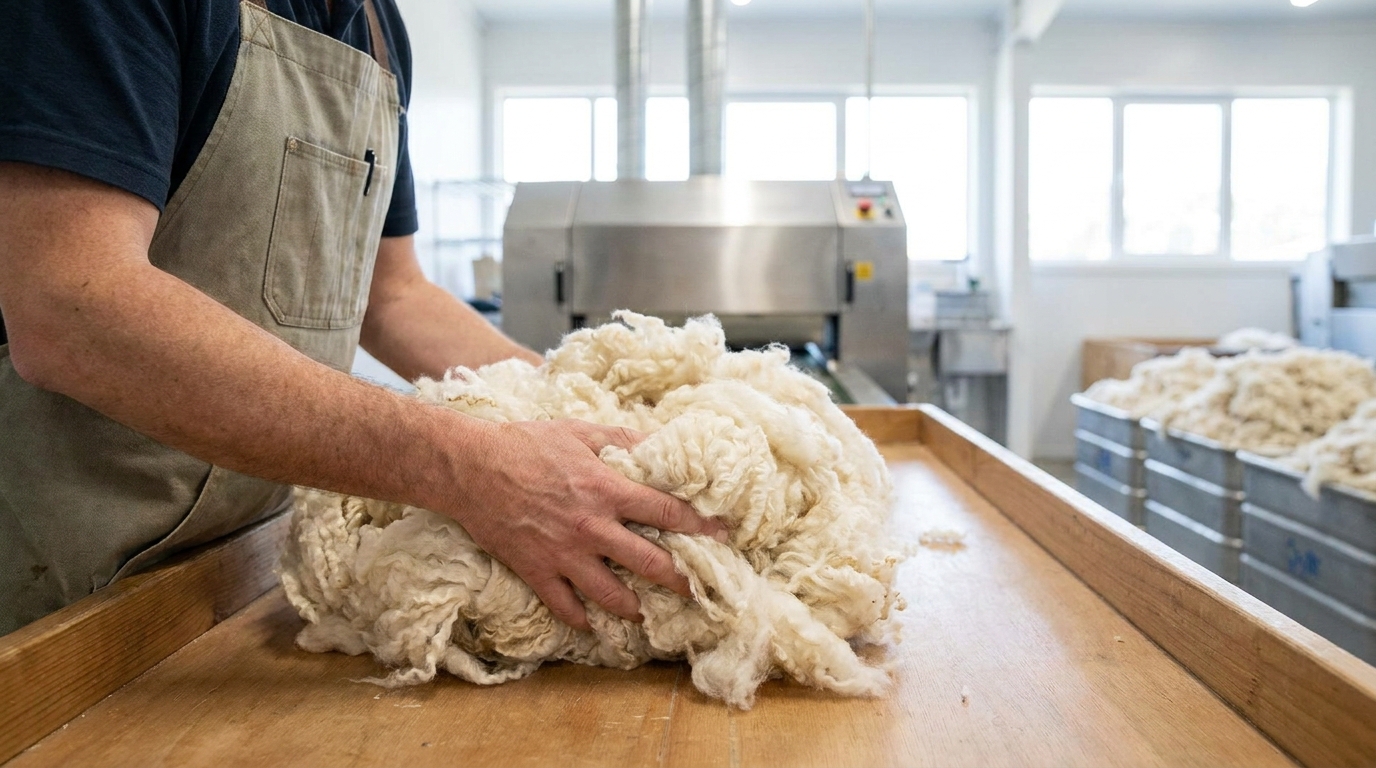
Turning fleece into luxury cloth takes time and heavy labor. Workers must shear or gently comb the animals. Next comes scouring. This crucial step washes away natural grease called lanolin. Some mills use carbonization to remove stubborn plant matter.
Spinning and dyeing follow these cleaning stages. Finally, mills weave the yarns together. Each step requires skilled labor and specialized machinery. Complex constructions like worsted wool need long, smooth fibers. This requires extra combing. A dedicated worsted wool factory invests heavily in these precision steps.
Fabric Weight and Weave
Fabric weight directly impacts the final price tag. We measure this weight in grams per square meter (GSM). Heavier coating fabrics require much more raw wool.
| Fabric Weight | GSM Range | Common Uses |
|---|---|---|
| Lightweight (Tropical) | 200–250 gsm | Summer suits, breathable layers |
| Medium Weight | 250–350 gsm | Standard suits, trousers |
| Heavyweight | 350–600+ gsm | Winter overcoats, heavy blankets |
Intricate weaves also slow down production. Patterns like herringbone or houndstooth take more time to weave. This extra time on the loom increases the overall cost.
Certifications and Ethical Standards
Modern consumers demand ethical production across the supply chain. Sustainable practices slightly increase upfront manufacturing costs. However, they add immense value and trust for global apparel brands.
Mills must invest in strict audits to earn global certifications. For example, Sainty holds GRS, OEKO-TEX, and BSCI certifications. We back our natural, synthetic, and flagship TR fabrics under these rigorous standards. Partnering with a certified premium wool coating fabric supplier ensures your textiles meet high ethical benchmarks. You get premium quality without compromising your brand values.
Price Breakdown by Type: How Expensive is Wool Fabric per Yard?
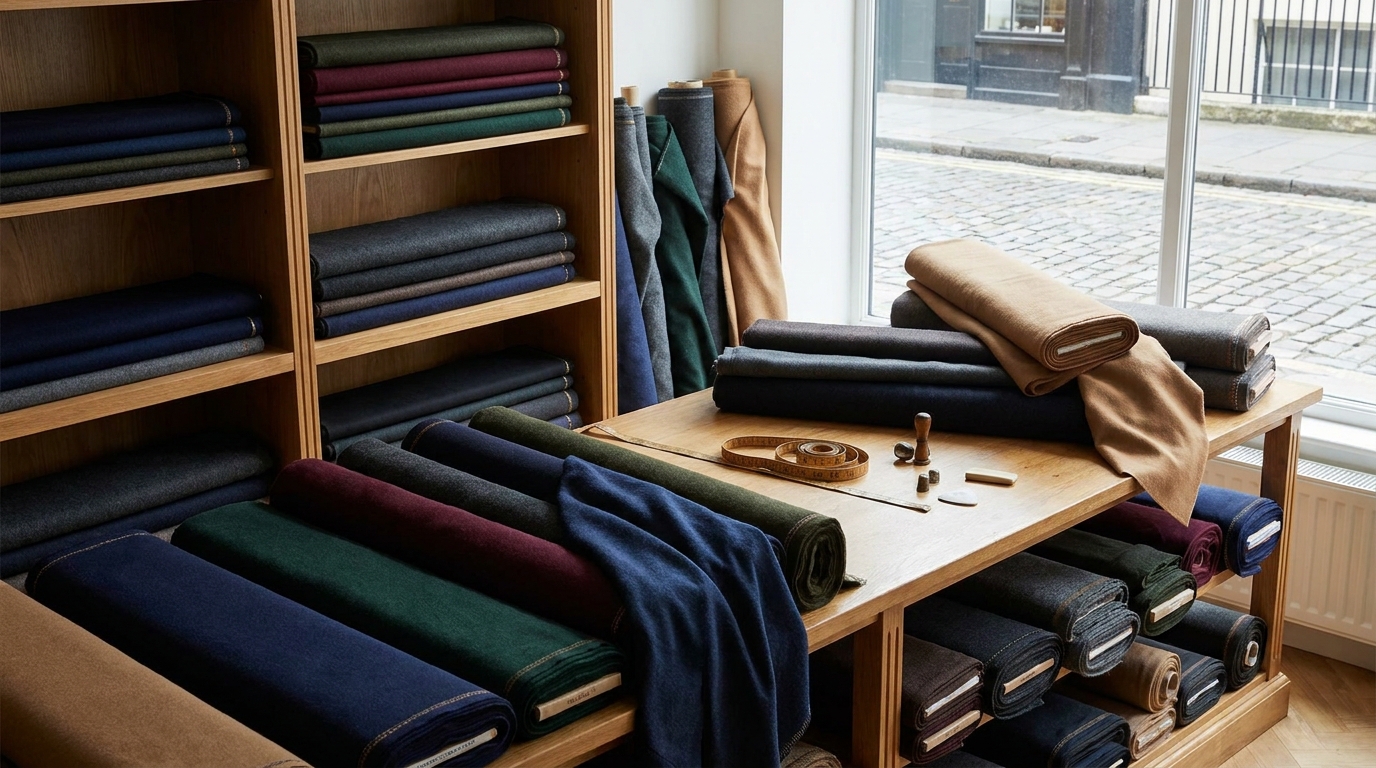
We just saw how ethical certifications and complex weaving add value. Now, let’s look at actual numbers. How expensive is wool fabric per yard when you break it down by fiber type?
Standard Sheep’s Wool
Standard sheep’s wool gives us a baseline. Mills use these thicker fibers for everyday winter garments and heavy blankets. Prices usually sit between $15 and $30 per yard.
Sometimes mills blend them to lower costs. Finding a reliable custom wool blend fabric manufacturer helps you balance cost and durability. At Sainty, we back our diverse textile range, including our flagship TR fabric, under strict GRS and OEKO-TEX standards. If you need wholesale wool fabric for budget-friendly lines, these standard blends offer great value.
Merino Wool Fabric Wholesale Pricing
Merino wool commands a higher price than standard virgin wool. You can expect to pay between $40 and $80 per yard for mid-range quality. Shoppers love Merino because it feels ultra-fine and never itchy.
Activewear and luxury base layers rely heavily on it. Buying retail gets pricey fast. Purchasing these textiles in bulk drops your costs significantly. Securing merino wool fabric wholesale pricing protects your profit margins while delivering premium comfort.
Sourcing from a Worsted Wool Fabric Factory
Worsted wool undergoes extra combing during production. This step removes short, fuzzy fibers. It leaves only long, smooth strands. The result is a strong, tightly woven cloth. Tailors demand this smooth drape for high-end professional suits.
Because of the extra processing, retail prices easily hit $60 to $100 per yard. You can avoid this markup by skipping retail middlemen. Sourcing directly from a worsted wool fabric factory reduces your material costs. Direct purchasing gives you access to premium Super 110s or 130s at much better rates.
Luxury Wools: Cashmere, Alpaca, and Vicuña
Rare luxury wools sit at the very top of the market. Cashmere and Alpaca typically range from $100 to $300 per yard. They offer incredible warmth without heavy weight.
Then you have Vicuña. It represents the most expensive wool fabric available today. A single yard can easily exceed $1,000 to $2,000. These animals yield very little fleece. Extreme scarcity drives their prices to the absolute peak.
Wool Blends vs. Pure Wool: A Cost-Effective Alternative
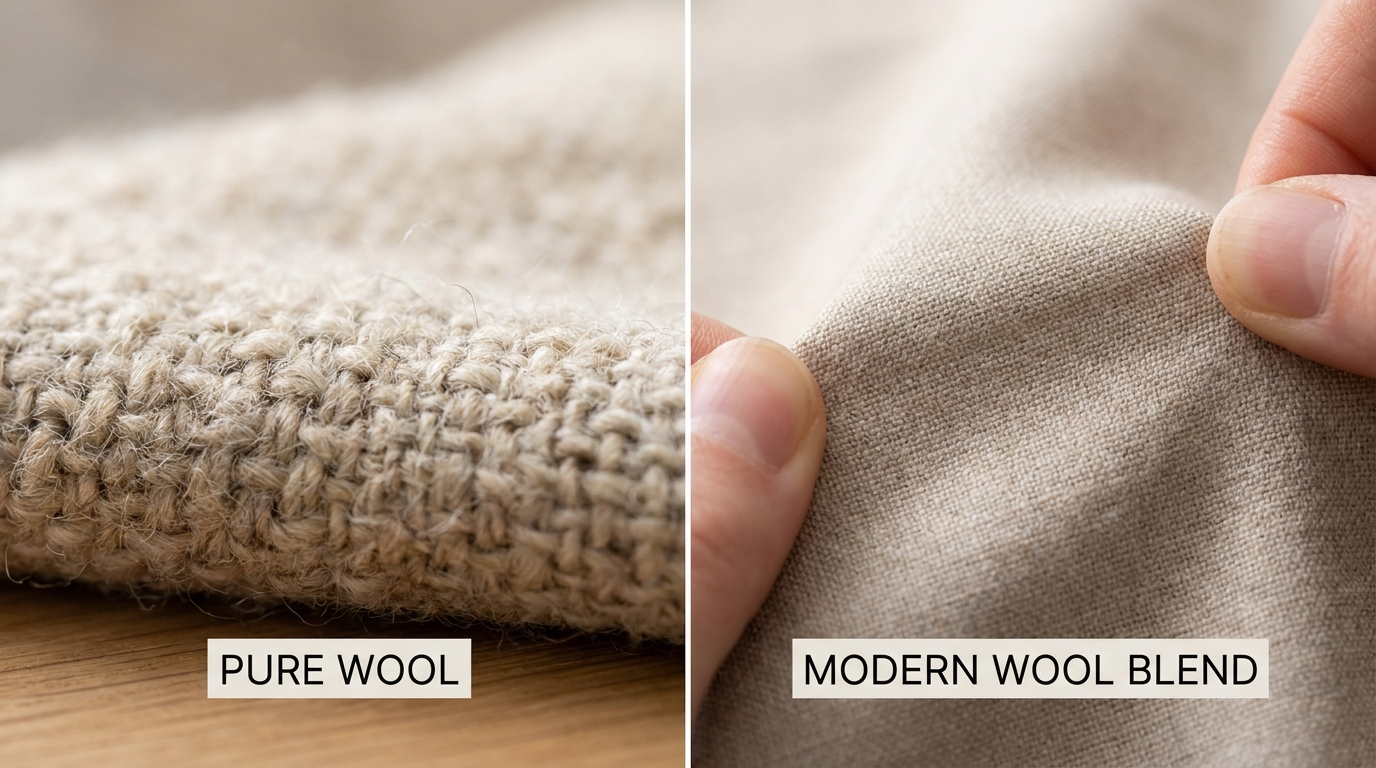
We just saw how rare fibers like Vicuña push prices past $1,000 per yard. Fortunately, you do not have to spend a fortune. Wool blends offer a highly cost-effective alternative. When you ask how expensive wool fabric is, blending changes the answer entirely.
You might think pure wool is always best. This assumption is not always true. Pure wool can feel heavy or lack elasticity. Blending it solves these exact problems. Mixing natural fleece and other materials drops the price significantly. It also improves overall garment performance. A touch of elastane adds comfortable stretch. Adding synthetic fibers increases daily durability. They help garments hold their shape better over time.
| Feature | 100% Pure Wool | Wool Blends |
|---|---|---|
| Price Point | Higher raw material costs | Highly cost-effective |
| Durability | Prone to friction wear | Enhanced strength |
| Elasticity | Limited natural stretch | Excellent stretch and recovery |
Working with a Custom Wool Blend Fabric Manufacturer
Partnering directly alongside a custom wool blend fabric manufacturer gives you ultimate control. You dictate the exact ratio of fibers. This flexibility helps you hit specific target prices. You never have to sacrifice overall quality.
As a leading supplier of premium fabrics, Sainty specializes in these tailored solutions. We combine natural fleece alongside our flagship TR Fabric. We also utilize a comprehensive range of Regenerated Cellulose. These options include Tencel™, Modal, and Viscose. Mixing in our high-quality Synthetic textiles creates luxurious yet affordable alternatives.
Global apparel brands trust us for this perfect balance. You get the premium hand-feel of natural textiles. At the same time, you secure accessible pricing. Our manufacturing remains fully backed by strict global certifications. GRS, OEKO-TEX, and BSCI standards ensure sustainable and ethical production across your entire supply chain.
Sourcing for Businesses: Buying Wholesale Wool Fabric
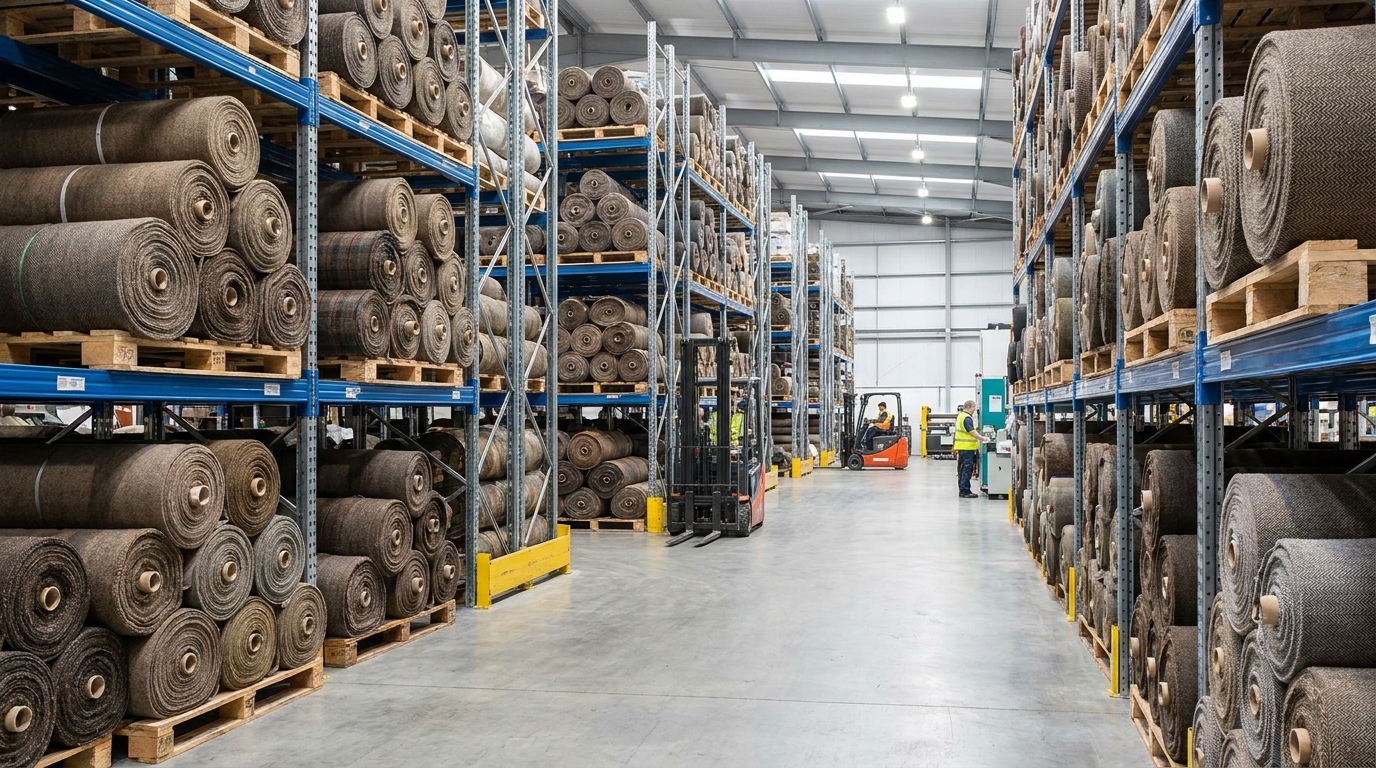
We just explored how blending natural fibers creates highly cost-effective alternatives. Now, let us look at another major factor for businesses. How expensive is wool fabric when you buy it in bulk?
Retail prices often hit businesses hard. Buying by the yard at a local shop includes massive markups. A standard medium-weight cloth might easily cost $50 per yard at retail. These prices destroy profit margins for large production runs.
Volume purchasing changes the math entirely. Buying directly from mills drops your costs significantly. Bulk orders usually reduce material expenses by 40 to 60 percent. If you manage an apparel brand, securing wholesale wool fabric remains essential. It protects your bottom line while ensuring steady inventory.
| Purchasing Method | Estimated Price Per Yard | Best For |
|---|---|---|
| Retail (By the Yard) | $40 – $100+ | Hobbyists, bespoke tailors, samples |
| Wholesale (Bulk Orders) | $15 – $40+ | Apparel brands, large production runs |
Skipping the retail middleman offers massive savings. You get the exact same quality at a fraction of the cost.
Finding a Reliable Premium Wool Coating Fabric Supplier
Heavy winter coats demand exceptional materials. As we covered earlier, lightweight weaves will not work here. You need dense materials exceeding 350 gsm. Sourcing these heavy textiles requires a trustworthy manufacturing partner.
You must look for strict consistency across every order. Every single roll must match perfectly in color. The drape and finish must remain uniform. A poor finish leads to fast pilling and unhappy customers.
Choosing the right partner makes all the difference. Sainty serves global apparel brands as a leading textile manufacturer. Our facilities are fully backed by GRS, OEKO-TEX, and BSCI certifications. We ensure ethical and sustainable production across our entire range.
Partnering with a certified premium wool coating fabric supplier like Sainty guarantees top-tier quality. You receive heavy, durable textiles. They consistently meet strict global standards. This reliability builds immense trust with your end consumers.
Conclusion
Wool fabric prices vary greatly based on fiber type, manufacturing, and sourcing.
Its premium warmth makes the investment worthwhile.
Explore Sainty’s certified premium fabrics for your apparel brand.
We expertly produce luxury natural blends and innovative synthetic solutions.
- Set a strict budget for your raw materials.
- Request fabric swatches from Sainty to evaluate our textile quality.
- Compare wholesale rates to boost profit.
- Check certifications carefully to guarantee ethical manufacturing.
Frequently Asked Questions About Wool Fabric Pricing
Why is wool so much more expensive than polyester?
Wool costs more because raising sheep takes time and resources. Harvesting wool requires skilled labor for proper shearing. The raw fleece then needs extensive cleaning and processing. In contrast, polyester is mass-produced from cheap synthetic chemicals. However, synthetic fabrics cannot match wool’s natural breathability. If you want a cost-effective alternative, consider Sainty’s certified TR Fabric. It offers great durability and a premium feel without the high wool price tag.
Does a higher Super number mean better quality?
A higher Super number means the wool fibers are finer. Super 150s feel incredibly soft and luxurious. However, they are also more fragile and wrinkle easily. Super 100s are thicker and much more durable for daily wear. Better quality depends on how you plan to use the fabric. For an everyday business suit, a lower Super number is actually a smarter choice. Save the higher numbers for special occasions.
Is expensive wool always itchy to wear?
Expensive wool is rarely itchy against your skin. Itchiness comes from coarse fibers with high micron counts. Fine Merino wool and Cashmere have very low micron measurements. These thin fibers bend easily when they touch your body. This makes luxury wool feel incredibly soft and smooth. If you have sensitive skin, look for fibers under 20 microns. You can also try Sainty’s Regenerated Cellulose fabrics for ultimate softness.
How can I tell if wool is high quality?
You can test wool quality by checking its drape and feel. High-quality wool hangs beautifully and feels rich to the touch. You can also perform a simple burn test. Real wool smells like burning hair and leaves crushable ash. Synthetic blends will smell like plastic and form a hard bead. Always check the label for pure new wool or trusted mill brands. Look for certifications like OEKO-TEX for guaranteed safety.
Is it worth buying dry-clean-only wool?
Buying dry-clean-only wool is often a great long-term investment. Natural wool naturally resists odors and repels minor stains. This means you do not need to wash it very often. A well-maintained wool coat can easily last over ten years. When you calculate the cost per wear, it becomes quite affordable. Just remember to factor in the cost of occasional dry cleaning. Proper care keeps the fibers looking brand new.
Actionable Next Steps
- Compare the cost per wear before buying a new wool coat.
- Request fabric swatches from Sainty to test TR fabric alternatives.
- Store your woolen garments with cedar blocks to prevent moth damage.
- Check the micron count on the label to ensure maximum softness.
Wool fabric prices vary widely based on fiber fineness and production methods. Budget options start around $15 per yard, while rare vicuña exceeds $1,000. Understanding micron counts and Super numbers helps you make smart purchasing decisions. While pure wool requires an initial investment, its durability offers excellent long-term value. For budget-friendly and sustainable alternatives, Sainty provides premium TR fabrics and certified textiles. These options deliver exceptional quality for modern apparel needs.