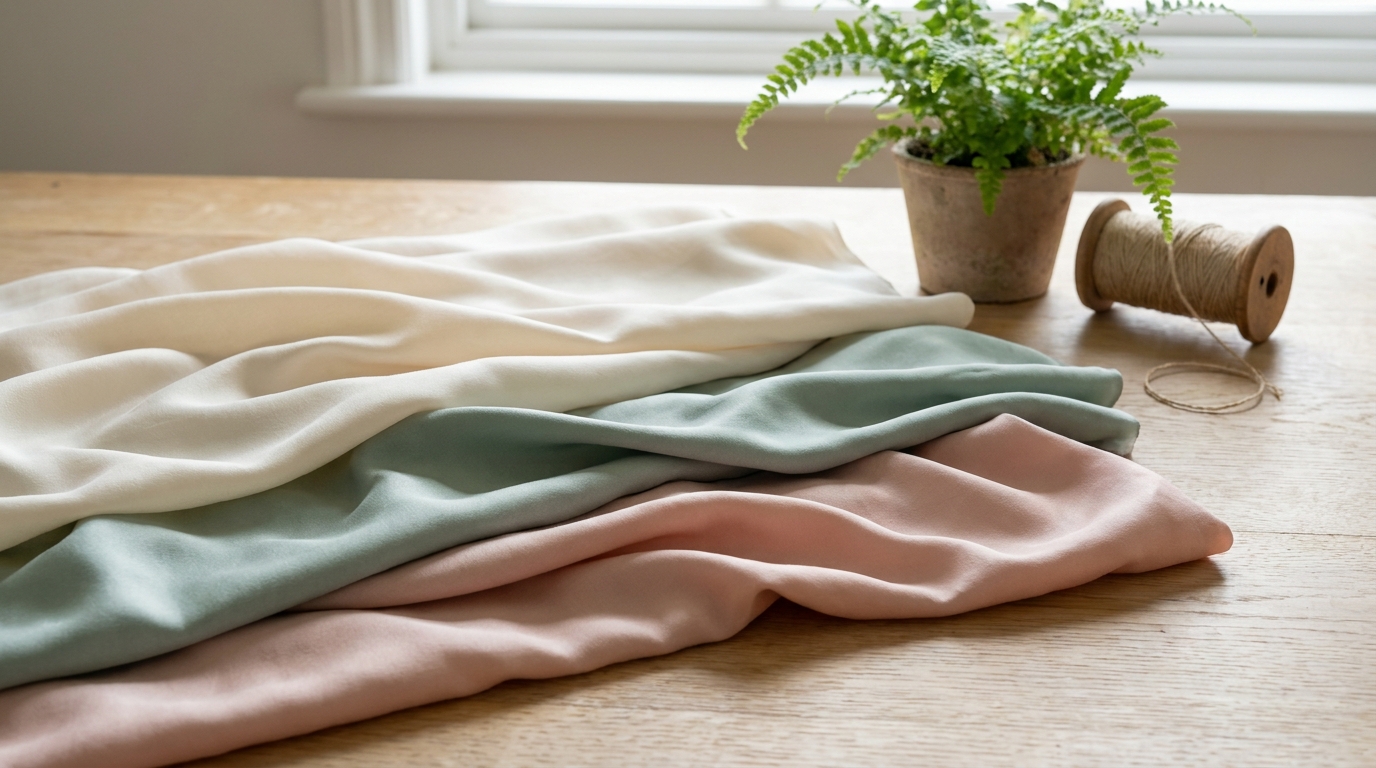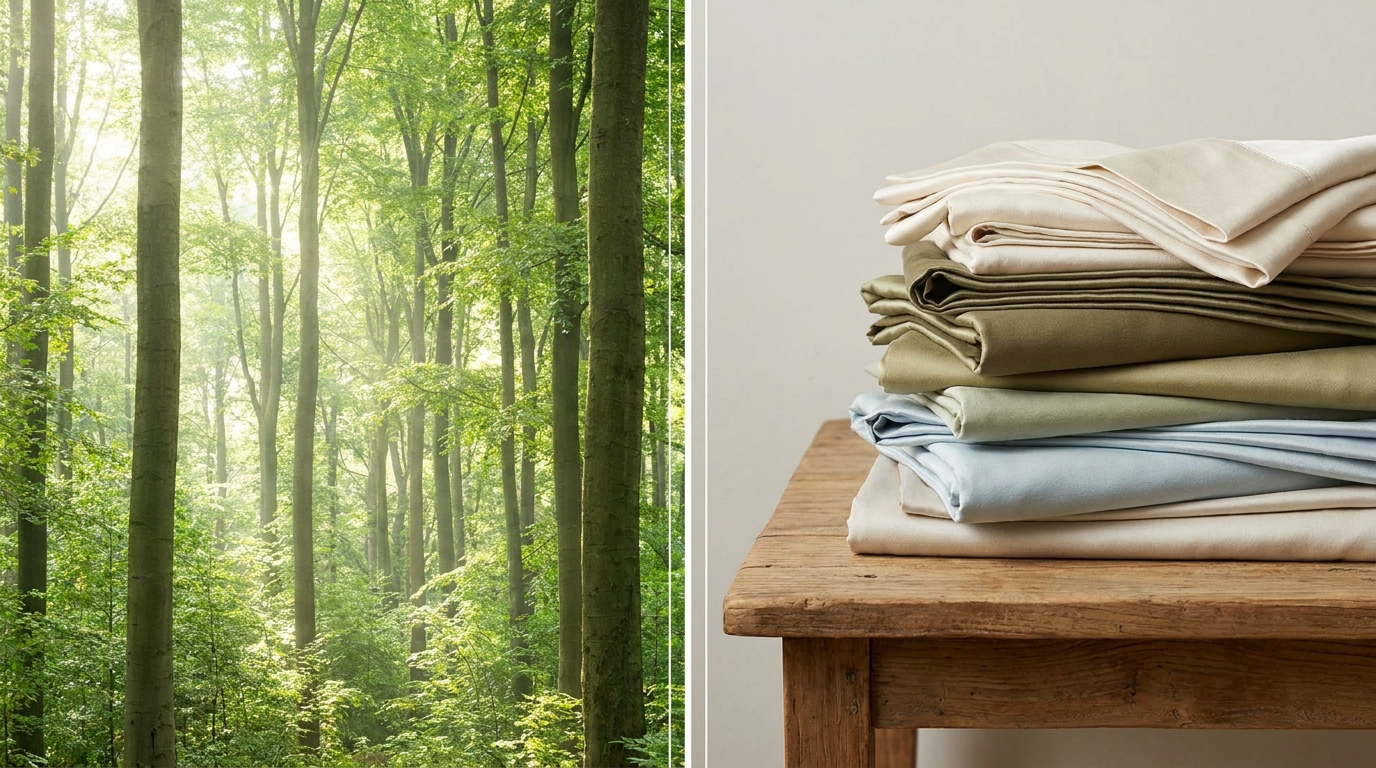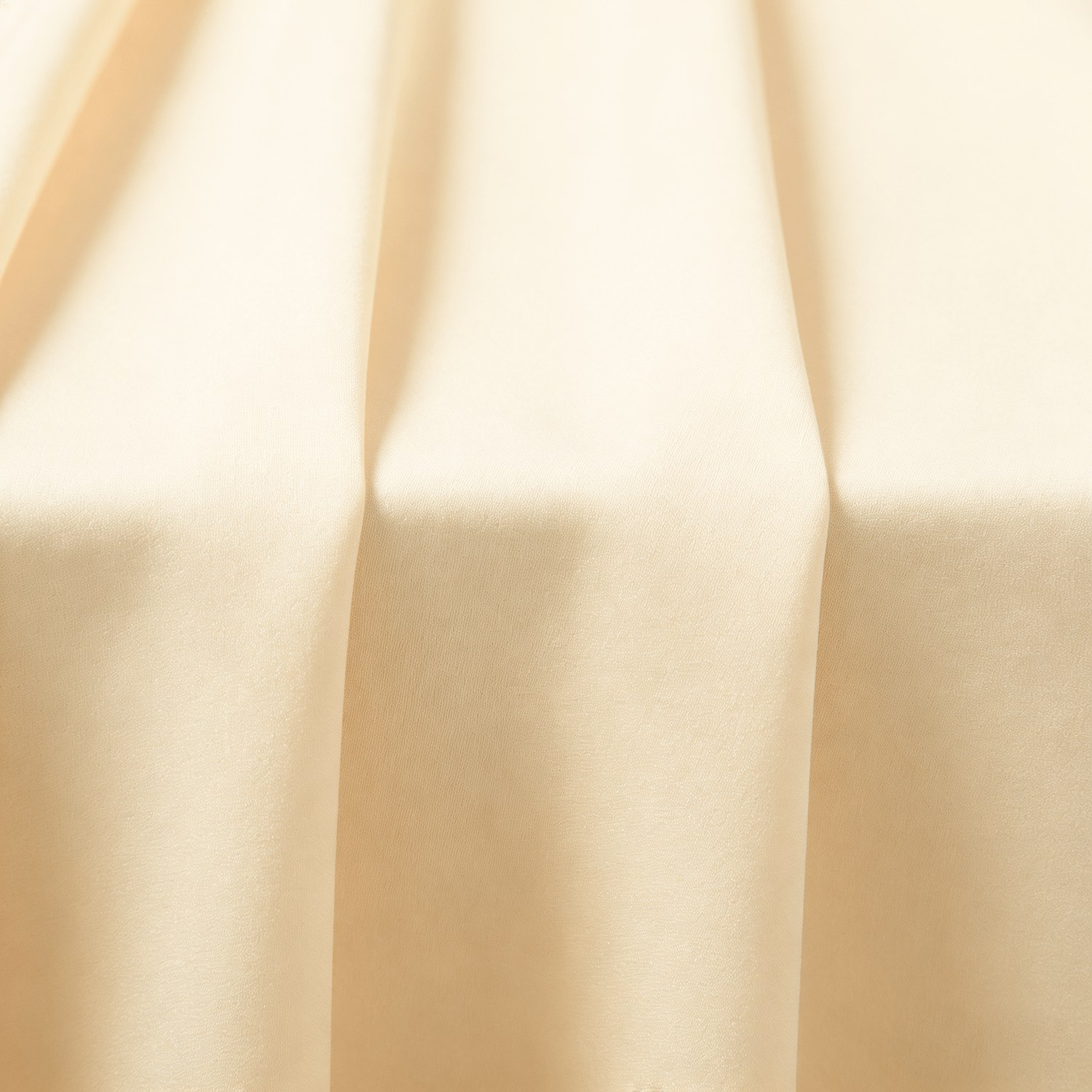
Short answer: Neither cotton nor lyocell is universally superior; the better choice depends on whether the priority is moisture management, softness, durability, cost, ease of care, or environmental impact. Lyocell fabric generally feels smoother, has a higher moisture regain, and manages moisture efficiently, while cotton fabric is highly versatile, durable, and widely available, and can be sourced at different price points and fabric constructions. Textile Exchange classifies lyocell as a regenerated cellulose fibre made from treated wood pulp, and recent research, as well as Lenzing’s technical information, emphasises its moisture management properties and closed-loop solvent recovery.
A more nuanced comparison is needed than simply calling one material “more breathable” or “more sustainable”. A 2026 review in Cellulose describes the lyocell process as regenerated cellulose based on the direct dissolution of cellulose using N-methylmorpholine N-oxide (NMMO). In contrast, a 2025 systematic review of cotton life-cycle assessments highlights the substantial variability in cotton’s environmental impact according to cultivation methods, geographical location, processing techniques, and consumer usage.
Cotton vs. Lyocell: What Is the Fundamental Difference?
Both cotton and lyocell are cellulose-based textile fibres, but they reach the fabric stage via fundamentally different processes. Cotton is a natural seed fibre harvested from cotton plants. It is then cleaned, carded, spun, and converted into woven or knitted fabrics. Lyocell, on the other hand, is a regenerated cellulose fibre. This means that cellulose from a wood-based feedstock is dissolved and regenerated into fibres before spinning and fabric production. The U.S. Federal Trade Commission recognises ‘lyocell’ as a generic fibre name for textile labelling, distinguishing it from brand names such as TENCEL™.
This distinction is important because the origin of a fiber alone does not determine how a finished fabric will perform. For example, a lightweight cotton voile, a dense cotton twill and a brushed cotton fleece can behave very differently even though they are all cotton fabrics. Similarly, a lightweight lyocell jersey and a tightly woven lyocell twill will not have identical air permeability, drape or durability. The final performance of either material can be substantially altered by fabric construction, yarn size, GSM, finishing, dyeing, blending and garment design.
In other words, while it is useful to compare lyocell and cotton fabrics at the fibre level, this should be treated as the starting point rather than the basis for the entire purchasing decision.
How Do Lyocell Fabric and Cotton Fabric Feel Against the Skin?
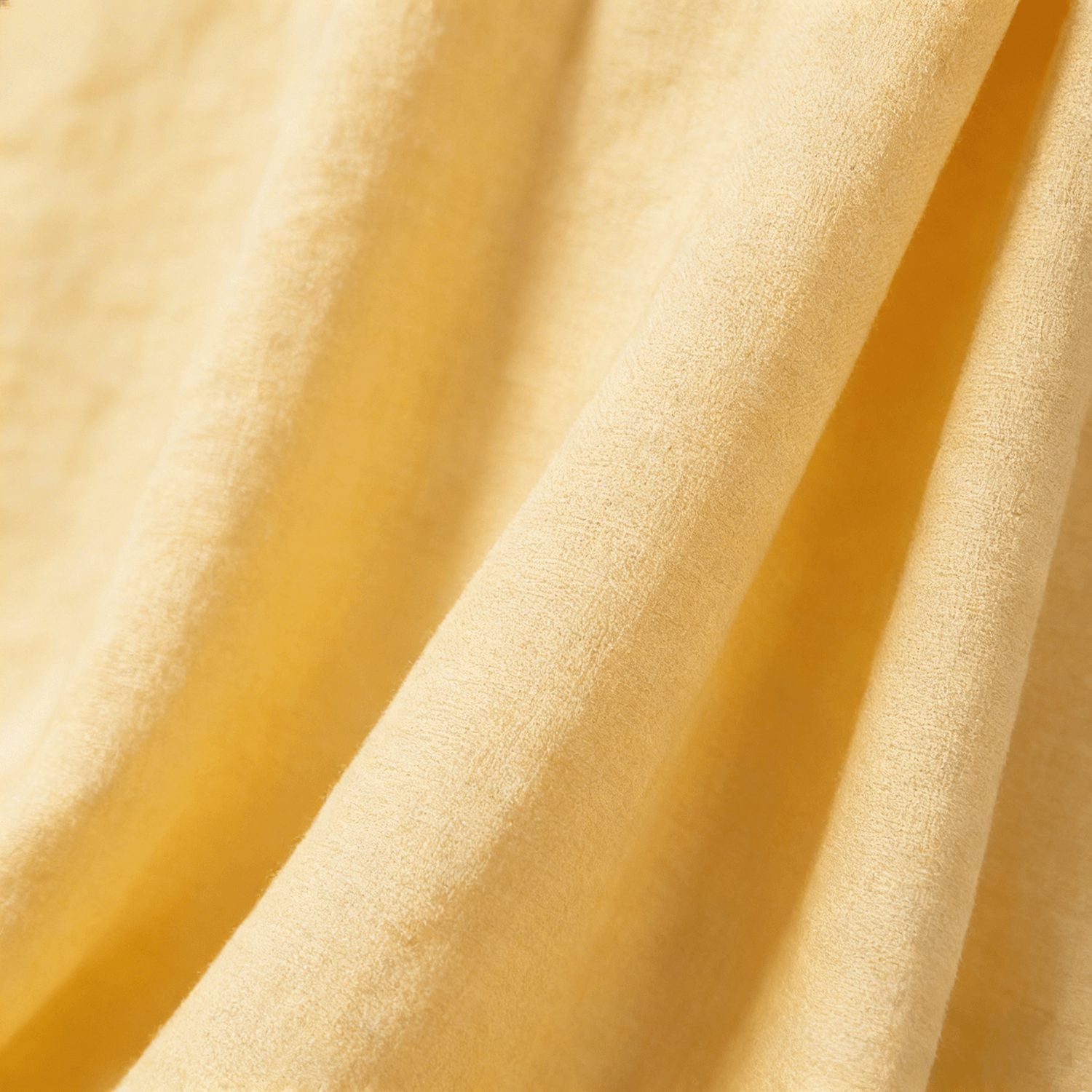
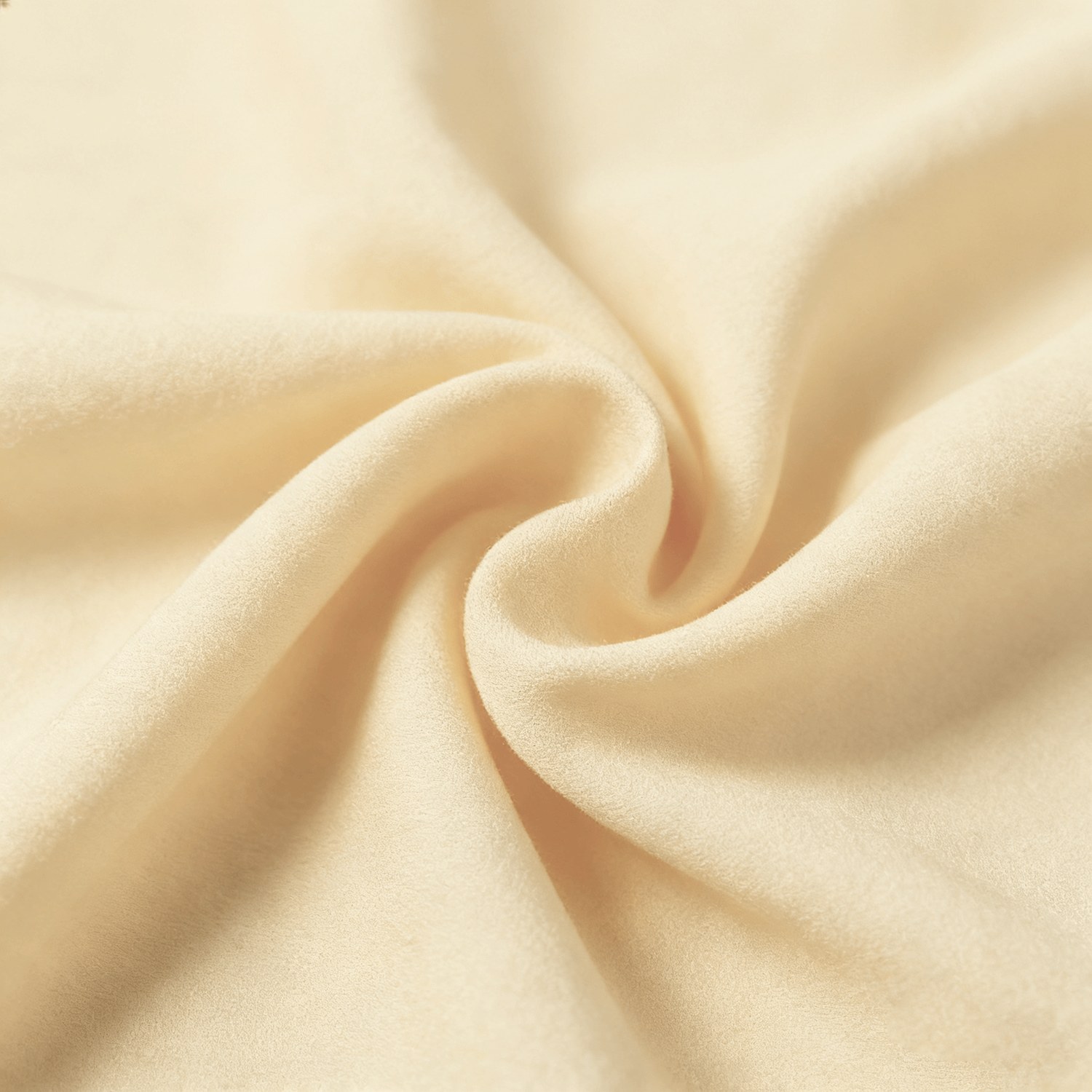
The most noticeable difference for many apparel and home-textile applications is tactile. Lyocell produces a smooth, clean, and relatively fluid texture, particularly when fine fibres and the right finishing techniques are used. Lenzing describes its TENCEL™ lyocell fibres as naturally soft and smooth, and states that their moisture-regulating properties can help keep the skin dry.
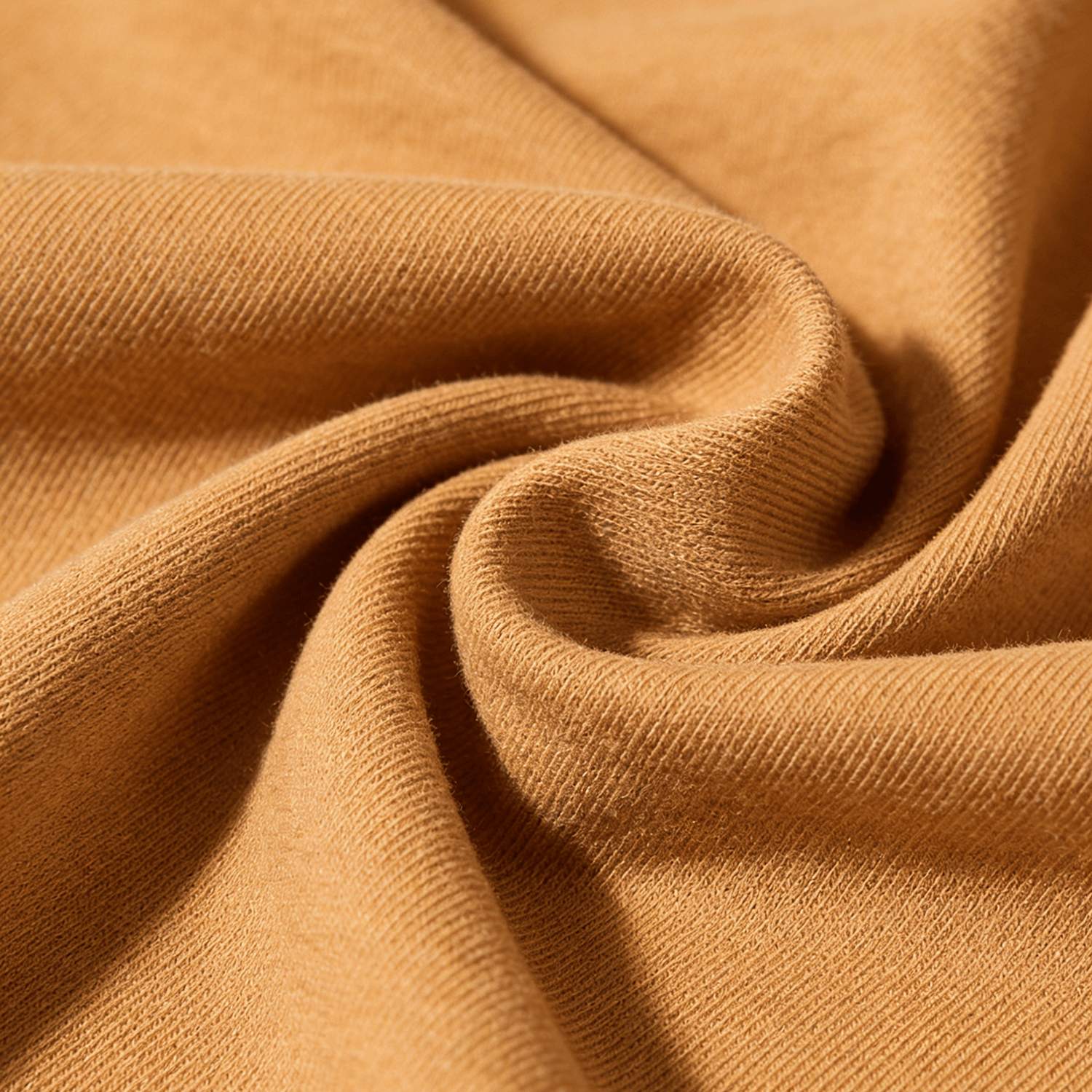
Cotton has a much broader tactile range, as cotton fabric can be produced using different staple lengths, yarn constructions, and finishing systems. High-quality, long-staple cotton can be exceptionally smooth, whereas brushed, ring-spun or garment-washed cotton feels warmer, softer and more familiar. Therefore, it would be misleading to say that all lyocell fabrics feel softer than all cotton fabrics.
For products worn directly against the body, lyocell can be an attractive option when a soft, fluid drape is desired. However, cotton may be preferable when a brand wants a more familiar natural fibre character, greater structural variety, or a fabric that becomes progressively softer through repeated laundering.
Which Handles Moisture Better?
One of the areas where the difference between the two fibres becomes technically interesting is moisture management. Lyocell has a relatively high moisture regain and a cellulose structure that can absorb and release moisture. Textile Exchange specifically identifies efficient moisture management as a physical property of lyocell.
Cotton is also highly hygroscopic and has long been used for underwear, T-shirts, towels, bedding, and other products for which moisture absorption is desirable. However, it is important to note that moisture absorption is not identical to moisture transport or drying speed. A fabric can absorb substantial moisture without necessarily releasing or moving it in the same way as another.
Therefore, a recent technical comparison of lyocell and cotton highlights an important point often overlooked in simplified online articles: ‘Breathability’ is not a single fibre property. Air permeability depends heavily on fabric thickness, yarn density, porosity, and construction, while moisture management involves absorption, spreading, evaporation, and interaction between textile and skin.
For warm-weather clothing such as shirts, underwear, and sleepwear, where moisture management is important, lyocell is often a good option. However, for lightweight cotton fabrics with open structures, cotton can also provide excellent ventilation and comfort.
Cotton vs. Lyocell: Performance Comparison
The following comparison is more useful for product development than a simple “winner” list because it separates fiber characteristics from application requirements.
| Property | Lyocell Fabric | Cotton Fabric |
| Fiber origin | Regenerated cellulose, commonly from wood pulp | Natural cellulose fiber from cotton plants |
| Hand feel | Smooth, soft, and often fluid | Broad range from crisp to soft and brushed |
| Moisture management | Strong moisture absorption and release characteristics | Good moisture absorption; behavior varies with construction |
| Air permeability | Mainly determined by fabric construction | Mainly determined by fabric construction |
| Drape | Generally excellent, especially in lightweight constructions | Varies substantially by weave, yarn and finishing |
| Wet performance | Strong fiber, but wet processing can contribute to fibrillation | Generally strong and familiar in repeated laundering |
| Abrasion resistance | Depends strongly on construction and finishing | Often strong, particularly in suitable woven constructions |
| Wrinkle behavior | Construction- and finishing-dependent | Construction- and finishing-dependent |
| Price | Often positioned above commodity cotton | Extremely broad price range |
| Sustainability profile | Potentially efficient closed-loop cellulose process | Highly dependent on farming, irrigation, inputs and processing |
| Typical applications | Premium apparel, underwear, sleepwear, soft shirts, bedding | T-shirts, denim, shirting, towels, bedding, workwear and basics |
The table illustrates why broad statements such as “lyocell is more durable” or “cotton is always more breathable” are unreliable. Lenzing itself notes that durability in a finished textile depends on downstream fabric construction, dyeing, surface creation and finishing rather than fiber choice alone.
Which Is More Durable: Lyocell or Cotton?
Product developers should avoid relying on generic fibre rankings when it comes to durability. Cotton has a long history of use in hard-wearing products because the right types of cotton and fabric constructions can withstand repeated washing and mechanical use. Denim, canvas, workwear twill and many household textiles demonstrate how effectively cotton can be engineered for a long lifespan.
Lyocell can also have high fibre strength. However, a technical review of lyocell identifies fibrillation as a characteristic behaviour that may become important when the fibre is repeatedly exposed to swelling and mechanical action in a wet environment. While fibrillation can be used to create a distinctive surface effect, uncontrolled fibrillation can affect the appearance and performance of a product.
Therefore, a more accurate question for a textile buyer is not simply ‘Which fibre lasts longer?’, but ‘Which fabric construction, yarn and finishing system provides the required service life?’ A well-engineered lyocell fabric can be durable, while a poorly constructed cotton fabric may wear out prematurely.
Which Is More Sustainable: Lyocell or Cotton?
This is probably the part of the cotton-versus-lyocell discussion that is most frequently oversimplified.
Lyocell production offers an important process advantage in that cellulose is dissolved directly using NMMO, rather than undergoing the conventional chemical derivatisation associated with some other regenerated cellulose processes. A review by Cellulose in 2026 describes the lyocell process as one of the more environmentally benign technologies for producing man-made cellulosic fibres. Meanwhile, Textile Exchange notes that branded TENCEL™ lyocell uses a closed-loop system with very high solvent recovery.
Cotton has a different sustainability profile because the fibre is agricultural rather than being regenerated from wood pulp. Cotton cultivation can involve significant use of irrigation, fertilisers and pesticides, but the actual environmental impact varies considerably depending on geography, farming practices, water availability and production system. A 2025 systematic review in the Journal of Agriculture and Food Research concluded that the environmental impact of cotton is highly heterogeneous and that water depletion can be particularly significant depending on the location.
Therefore, there is no scientifically responsible rule stating that every lyocell fabric is automatically more sustainable than every cotton fabric. The overall environmental picture can be changed by certified or responsibly sourced cotton, recycled cotton, renewable wood sourcing, manufacturing energy, dyeing, finishing, garment lifetime, and laundering.
Does “TENCEL” Mean the Same Thing as Lyocell?
Not exactly. Lyocell is the generic fiber category, whereas TENCEL™ is a trademarked brand associated with Lenzing’s fibers.
This distinction is particularly important for B2B textile sourcing because product descriptions sometimes use “Tencel,” “lyocell,” and “wood fiber” as though they were interchangeable technical terms. They are not necessarily equivalent from a specification or certification perspective.
For example, Lenzing states that its TENCEL™ Lyocell fibers use wood sourced from FSC®, PEFC-certified or controlled sources, and the company provides specific traceability and certification information for its branded products.
When sourcing fabric, buyers should therefore ask for the actual fiber composition, branded-fiber documentation where relevant, yarn specification, fabric construction and applicable certifications rather than selecting material solely from the word “TENCEL.”
Which Fabric Is Better for Clothing?
The answer changes according to the garment.
For soft shirts, dresses, underwear, sleepwear, loungewear, and fluid silhouettes, lyocell can be particularly attractive because its smooth hand and moisture-management characteristics support a comfortable next-to-skin experience. Its drape also works well where designers want movement rather than a rigid or structured appearance.
Cotton remains highly practical for T-shirts, denim, polos, workwear, uniforms, children’s clothing, casual basics and structured shirting. Its enormous supply base also gives manufacturers access to many yarn types, fabric constructions, finishes, weights and price levels.
For premium apparel development, a third option should not be overlooked: cotton-lyocell blends. Combining the fibers can help manufacturers tune hand feel, structure, moisture behavior, cost, and appearance rather than forcing the product into a pure-fiber choice.
Which Is Better for Bedding?
The same principle applies to bedding, but the way in which moisture is handled becomes particularly important because sheets and pillowcases are in prolonged contact with the skin.
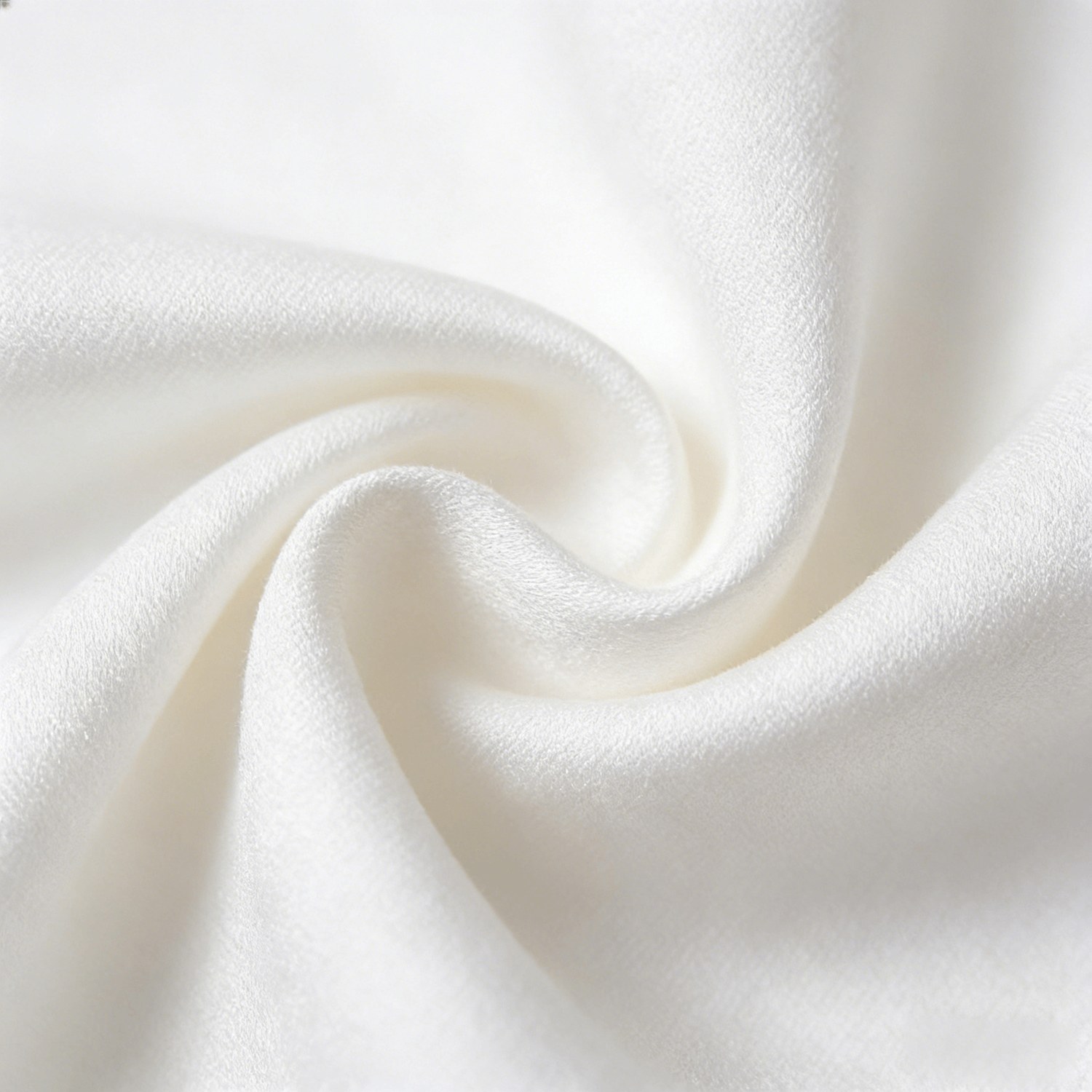
Lyocell is often chosen for bedding when a smooth, cool-touch surface and effective moisture management are desired. However, cotton offers much greater variation in terms of construction, such as percale, sateen and flannel, so consumers can experience dramatically different sleeping conditions depending on the specific type of cotton.
For hot sleepers, a lightweight lyocell construction may provide the desired combination of smoothness and moisture management. However, for buyers who prioritise the traditional texture of cotton, its easy availability and the wide range of prices and weave structures available make cotton remain a highly practical material.
How Should Buyers Choose Between Lyocell and Cotton?
For sourcing, the best approach is to define the performance requirement before selecting the fiber. A manufacturer developing a premium summer shirt should not evaluate material in the same way as a manufacturer developing industrial workwear or hotel bedding.
Consider the following decision framework:
- Start with end use. Determine whether the product is apparel, bedding, towels, home textiles, or another application.
- Define comfort requirements. Identify whether softness, smoothness, moisture management, or drape is more important.
- Set durability requirements. Consider abrasion, laundering frequency, tensile requirements, and expected service life.
- Specify fabric construction. Compare GSM, weave or knit structure, yarn count, and finishing instead of relying on fiber names alone.
- Evaluate sustainability claims. Ask for relevant certification, traceability and production information rather than accepting generic “eco-friendly” language.
- Test the actual fabric. Laboratory testing and sample laundering are more reliable than generic fiber comparisons.
- Consider blending. A cotton-lyocell blend can sometimes achieve a better balance between comfort, structure, and cost.
This method also avoids a common mistake in online comparisons: treating fiber-level characteristics as guaranteed fabric-level performance.
Lyocell Fabric vs. Cotton Fabric: Practical Selection Guide
| If your priority is… | Consider first | Why |
| Smooth next-to-skin feel | Lyocell | Naturally smooth fiber surface and soft hand |
| Moisture management | Lyocell | Strong moisture absorption and release characteristics |
| Fluid drape | Lyocell | Particularly suitable for lightweight flowing fabrics |
| Broadest fabric variety | Cotton | Extremely mature fiber and fabric supply chain |
| Hard-wearing everyday products | Cotton | Extensive use in durable woven and knitted constructions |
| Lower-cost sourcing | Cotton | Large global supply and wide commodity range |
| Premium bedding | Lyocell or high-quality cotton | Choice depends on hand, construction and sleeping environment |
| Structured garments | Cotton | Many cotton yarn and weave options provide body and shape |
| Sustainability-focused development | Evaluate both | Lyocell process and cotton farming systems require separate assessment |
| Balanced performance | Cotton-lyocell blend | Can combine characteristics of both fibers |
The most important takeaway is that fiber selection and fabric selection are not the same decision. A buyer comparing two finished fabrics should evaluate actual test data rather than assuming that the fiber name predicts every property.
Lyocell Fabric & Cotton Fabric FAQs
- Is lyocell better than cotton?
Lyocell can be preferable when softness, drape, and moisture management are major priorities. Cotton can be preferable when durability, fabric variety, affordability, and traditional natural-fiber performance are more important.
- Is lyocell more breathable than cotton?
Neither fiber is automatically more breathable because air permeability is strongly affected by fabric construction. Lyocell can provide strong moisture-management performance, while a lightweight open cotton fabric can also have excellent airflow.
- Is lyocell fabric more sustainable than cotton?
Lyocell can have a strong environmental profile because modern lyocell production can use closed-loop solvent recovery and responsibly sourced wood. Cotton’s environmental impact varies significantly according to irrigation, agricultural inputs, location, and processing practices.
- Is lyocell softer than cotton?
Lyocell is commonly associated with a smooth and soft hand, especially in fine lightweight fabrics. High-quality cotton can also be extremely soft, so the actual fabric construction and finishing should be considered.
- Which lasts longer, cotton or lyocell?
There is no universal lifespan difference because fabric construction, finishing, laundering, and usage strongly influence durability. Cotton has extensive use in durable textiles, while properly engineered lyocell fabrics can also provide substantial service life.
- Can lyocell and cotton be blended?
Yes, cotton and lyocell can be blended to balance softness, moisture behavior, structure, appearance, and cost. The final performance depends on the blend ratio, yarn construction, fabric structure, and finishing process.
Final Answer: Which Is Better, Cotton or Lyocell?
So, which is better: cotton or lyocell? If smoothness, a fluid drape, and moisture management performance are the primary requirements, lyocell is often the more suitable option. However, if broad sourcing options, traditional natural-fibre characteristics, robust everyday use and cost flexibility are the priorities, cotton remains highly competitive.
When it comes to sustainability, a more careful answer is required. Lyocell has a strong process advantage when produced through a well-managed, closed-loop system using responsibly sourced cellulose. However, cotton’s environmental performance can vary substantially according to cultivation and processing practices.
Therefore, the most defensible approach for textile brands and manufacturers is not to declare a universal winner, but to match the fibre and fabric construction to the intended product. This approach leads to better technical decisions, more accurate product specifications, and more credible sustainability communication than simply labelling one material as superior.