Whether to choose a puffer jacket or a puffer vest depends on climate conditions, mobility needs, layering preferences, and intended daily activities.
According to studies on apparel insulation and textile thermal comfort research published by the Textile Institute and the American Association of Textile Chemists and Colorists, puffer jackets generally provide superior full-body warmth and weather protection. In contrast, puffer vests offer greater flexibility, breathability and layering efficiency during transitional seasons and for active outdoor use.
Modern insulated outerwear technology combines lightweight materials, advanced synthetic insulation, sustainable fabrics, and ergonomic garment design to improve performance and fashion versatility.
Introduction: Understanding the Difference Between a Puffer Jacket and a Puffer Vest
Insulated outerwear is now one of the most important categories in the markets for modern fashion, outdoor apparel, and coldweather clothing. The puffer jacket and the puffer vest are among the most popular options worldwide. Both have evolved dramatically over the past two decades due to advances in textile engineering, insulation technology, sustainable materials, and fashion trends.
Consumers today often ask, “Should I get a puffer jacket or a puffer vest?”
The answer is not straightforward because the purpose of each garment depends on:
- Climate conditions
- Lifestyle needs
- Outdoor activity level
- Fashion preferences
- Mobility requirements
- Layering strategies
- Seasonal use
Historically, puffer jackets were designed primarily for cold-weather insulation. Their quilted construction traps air inside insulated chambers, reducing heat loss and improving thermal efficiency.
Over time, puffer outerwear has evolved from technical expedition gear into fashion staples that are used for:
- Urban streetwear
- Outdoor sports
- Casual fashion
- Travel apparel
- Workwear
- Luxury fashion collections
Modern insulated garments now incorporate sophisticated materials including:
| Material Type | Common Function |
| Down insulation | Lightweight warmth |
| Synthetic insulation | Moisture resistance |
| Recycled polyester | Sustainable production |
| Ripstop nylon | Durability |
| Waterresistant coatings | Weather protection |
| Stretch fabrics | Improved mobility |
The puffer jacket is one of the most effective solutions for cold weather because it provides full insulation for the upper body, including:
arms, shoulders, chest, back, and core body zones.
In contrast, the puffer vest removes sleeve insulation while retaining core warmth.
This design dramatically changes the garment’s functionality by increasing:
- Arm mobility
- Breathability
- Layering flexibility
- Transition season comfort
The growing popularity of the puffer vest reflects broader lifestyle changes, with consumers increasingly prioritising:
- Versatile layering
- Lightweight clothing
- Functional fashion
- Hybrid indoor-outdoor wear
- Travel convenience
Today’s outerwear market no longer views puffer jackets and vests solely as winter survival garments. Instead, they are now considered important style pieces that are integrated into modern wardrobes.
Major trends influencing this market include:
- Athleisure fashion
- Urban outdoor aesthetics
- Sustainable apparel
- Lightweight insulation innovation
- Minimalist layering systems
Another major industry development involves climate adaptability.
Consumers increasingly seek outerwear suitable for fluctuating temperatures rather than extreme cold alone.
Consequently, puffer jackets and vests now come in a range of insulation levels, from lightweight transitional pieces to heavy expedition-grade winter gear.
Understanding the differences between these garment types, therefore requires evaluating not only warmth, but also:
- Comfort
- Versatility
- Practicality
- Fashion integration
- Activity compatibility
As insulated outerwear technology continues to evolve globally, the decision between a puffer jacket and a puffer vest is becoming increasingly dependent on personal lifestyle requirements rather than simply temperature considerations.
What Is a Puffer Jacket?
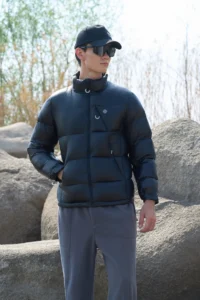
A puffer jacket is a type of insulated outerwear designed to provide thermal protection by trapping warm air within its quilted compartments, or ‘baffles’.
These garments are typically filled with one of the following:
- Natural down insulation
- Synthetic insulation fibres
- Hybrid insulation blends
The quilted construction prevents the insulation from shifting, ensuring even warmth distribution throughout the garment.
Puffer jackets are widely used for:
- Winter weather
- Outdoor sports
- Urban commuting
- Hiking
- Ski travel
- Casual fashion
The defining feature of a puffer jacket is its full sleeve insulation coverage.
This design improves thermal protection for:
Arms, shoulders, chest, back, and neck area.
Modern puffer jackets vary significantly in terms of insulation thickness, shell materials, and technical performance.
The following table outlines common puffer jacket categories.
| Puffer Jacket Type | Main Characteristics |
| Lightweight puffer | Transitional weather use |
| Midweight puffer | Daily winter wear |
| Heavyweight puffer | Extreme cold protection |
| Packable puffer | Travel convenience |
| Waterproof puffer | Wet weather performance |
One of the biggest advantages of a puffer jacket is that it provides complete body warmth.
The sleeves are important because the arms lose heat rapidly in cold environments.
Another important feature is weather resistance.
Many modern puffer jackets include the following:
- Water-repellent coatings;
- Windproof shells;
- Adjustable hoods;
- Thermal lining systems.
Fashion trends have also transformed puffer jackets dramatically.
Today’s designs include:
- Oversized silhouettes
- Cropped cuts
- Minimalist urban styles
- Luxury fashion collaborations
Modern insulation engineering has significantly improved the performance of puffer jackets.
Advanced synthetic insulation now mimics the warmth of down while improving:
- Moisture resistance
- Quick drying
- Durability
- Allergy compatibility
As a result, puffer jackets continue to dominate the global cold-weather apparel market.
What Is a Puffer Vest?
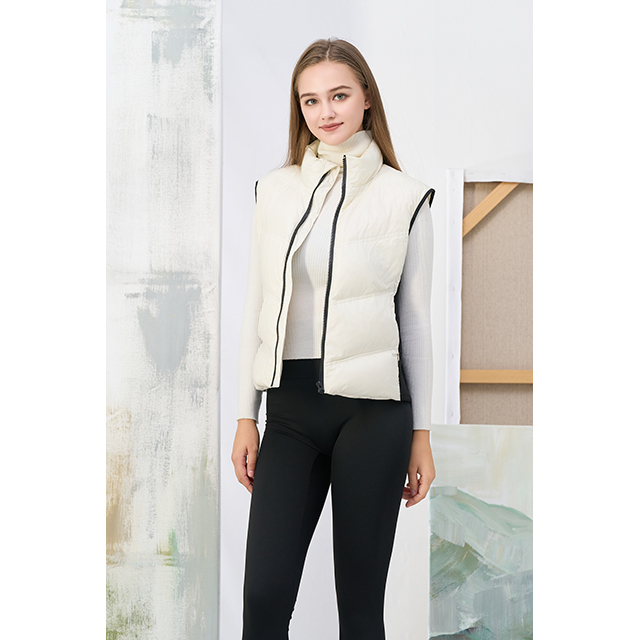
A puffer vest is a sleeveless, insulated garment designed to keep your core warm while allowing your arms to move freely and enabling you to layer up.
Like puffer jackets, puffer vests use quilted insulation chambers filled with:
- Down
- Synthetic insulation
- Hybrid fibre systems
However, removing the sleeves significantly changes the garment’s functional balance.
The primary purpose of a puffer vest is to provide efficient core insulation.
The body naturally prioritises maintaining warmth around vital organs, including:
heart, lungs, and internal abdominal systems.
By insulating the torso while leaving the arms unrestricted, puffer vests allow for greater flexibility of movement during active use.
Puffer vests are commonly used for:
- Transitional seasons
- Hiking
- Golf
- Travel
- Urban layering
- Indoor-outdoor environments
The following table compares typical Puffer Vest applications.
| Application | Why Puffer Vests Work Well |
| Layering | Minimal sleeve bulk |
| Outdoor activity | Greater arm movement |
| Mild winter weather | Balanced warmth |
| Travel | Lightweight packing |
| Office commuting | Easy indoor comfort |
One major advantage of the puffer vest is its ability to adapt to different temperatures.
Full jackets can sometimes become too warm in situations such as:
- Mild winter temperatures
- Physical activity
- Indoor transitions
A sleeveless insulated design helps to regulate body temperature more efficiently in these conditions.
The fashion versatility of puffer vests also contributes heavily to their popularity.
Modern styling combinations include:
- Hoodies
- Sweaters
- Flannel shirts
- Athletic wear
- Streetwear layering
Another important advantage is reduced garment weight.
Removing the sleeves decreases:
- Bulk
- Packing size
- Shoulder restriction
This makes puffer vest products especially attractive for travel and active lifestyles.
Modern puffer vest design increasingly combines fashion and technical performance through:
- Slim insulation profiles
- Stretch side panels
- Lightweight shell fabrics
- Sustainable insulation materials

Warmth Comparison: Puffer Jacket vs Puffer Vest
When choosing insulated outerwear, warmth is usually the primary factor for consumers.
Puffer jackets tend to provide superior overall warmth because they cover the entire upper body, including the arms.
The arms lose heat rapidly due to:
- High exposure
- Blood circulation
- Wind contact
The sleeves of a puffer jacket create an additional thermal barrier that significantly improves heat retention.
The following table compares warmth performance.
| Feature | Puffer Jacket | Puffer Vest |
| Core warmth | Excellent | Excellent |
| Arm insulation | Full coverage | None |
| Wind protection | Higher | Moderate |
| Layering warmth | Moderate | Excellent |
| Active cooling | Lower | Higher |
However, warmth requirements depend heavily on climate and activity level.
A puffer vest may actually feel more comfortable than a heavy jacket in the following situations:
- Mild winters
- Transitional seasons
- Indoor-outdoor commuting
- Active movement situations
Another important factor is layering efficiency.
Puffer vests work exceptionally well with the following base layers:
base layers, hoodies, knitwear, and thermal shirts. This layered system allows users to regulate their temperature more precisely.
Modern insulation technologies also reduce the warmth gap between jackets and vests.
High-quality down or advanced synthetic insulation can offer excellent thermal efficiency, even in lightweight vest designs.
However, in extremely cold environments, puffer jackets are generally the superior option for maximum warmth.
Mobility and Comfort Differences
Mobility is a key factor in achieving satisfaction with outerwear.
While puffer jackets maximise insulation, the heavy construction of the sleeves can sometimes restrict movement.
This becomes noticeable during:
- Driving
- Hiking
- Climbing
- Sports activities
- Daily commuting
A puffer vest significantly improves arm freedom because its sleeveless design eliminates the bulk around the shoulders and elbows.
The following table summarizes mobility differences.
| Comfort Factor | Puffer Jacket | Puffer Vest |
| Arm mobility | Moderate | Excellent |
| Weight | Heavier | Lighter |
| Breathability | Moderate | Higher |
| Layering flexibility | Moderate | Excellent |
| Indoor comfort | Sometimes warm | More adaptable |
Another important factor to consider is overheating.
Full puffer jackets may become excessively warm in the following situations:
- Shopping
- Public transport
- Indoor office use
- Walking
Puffer vests provide better ventilation and thermal balance in fluctuating environments.
This is why many consumers prefer puffer vest products for urban lifestyles, where temperatures frequently fluctuate throughout the day.
Modern textile engineering is making both categories increasingly comfortable through:
- Stretch shell fabrics
- Lightweight insulation
- Breathable linings
- Ergonomic construction
However, puffer vests generally provide greater versatility for active movement and transitional weather conditions.
Fashion and Styling Differences
Puffer outerwear has evolved far beyond its origins as purely functional cold-weather clothing.
Today, puffer jackets and vests play a major role in contemporary fashion.
Puffer jackets often make a bold visual statement with features such as:
- Oversized silhouettes
- Quilted textures
- Highvolume insulation
- Luxury streetwear aesthetics
Modern fashion brands frequently incorporate puffer jackets into:
- High-fashion collections
- Athleisure designs
- Urban winter styling
Puffer vests, by contrast, emphasise layering versatility.
They pair easily with:
- Hoodies
- Sweatshirts
- Long-sleeved shirts
- Sweaters
- Denim outfits
The following table compares style characteristics.
| Style Element | Puffer Jacket | Puffer Vest |
| Visual impact | Stronger statement | Layered subtlety |
| Seasonal versatility | Winterfocused | Multiseason use |
| Streetwear popularity | Very high | Growing rapidly |
| Layering appearance | Bulkier | Cleaner layering |
Another major trend is minimalist technical fashion.
Modern consumers are increasingly opting for lightweight, functional clothing that can be seamlessly integrated into their daily wardrobes.
Puffer vests align particularly well with this trend because they combine:
- Functionality
- Simplicity
- A lightweight structure
- Flexible styling
Fashion seasonality also matters.
Puffer jackets dominate cold winter fashion, while puffer vest products remain highly popular in:
- Autumn
- Early spring
- Mild winter climates
Which Option Is Better for Different Lifestyles?
The best choice depends heavily on lifestyle requirements.
For extremely cold climates, puffer jackets generally offer the most reliable warmth and protection from the weather.
They are especially suitable for:
- Snowy environments
- Outdoor winter work
- Long, cold commutes
- Mountain travel
Puffer vests work especially well for:
- Mild winter regions
- Active lifestyles
- Wardrobes focused on layering
- Travel flexibility
The following table summarizes ideal user scenarios.
| Lifestyle Need | Best Option |
| Extreme cold | Puffer jacket |
| Active movement | Puffer vest |
| Layering versatility | Puffer vest |
| Maximum insulation | Puffer jacket |
| Travel convenience | Puffer vest |
| Urban winter commuting | Depends on climate |
Another major factor is climate variability.
People living in regions with rapidly changing temperatures often prefer the versatility of a puffer vest.
Meanwhile, those facing consistent cold weather usually benefit more from fully insulated jackets.
Budget considerations may also be important.
Puffer vests often require less material and insulation, making them slightly more affordable than equivalent jackets.
However, depending on the brand and insulation technology, premium technical vests may still command luxury pricing.
Sustainability Trends in Insulated Outerwear
The outerwear industry is being reshaped by an increasing focus on sustainability.
Traditional insulation production has raised environmental concerns relating to:
- Animal welfare
- Synthetic fibre waste
- Petroleum-based materials
Modern brands are increasingly adopting sustainable alternatives, including:
- Recycled polyester insulation
- Responsible down certification
- Biobased insulation fibres
- Recyclable shell fabrics
Lightweight garment engineering also improves sustainability by:
- Reduced shipping weight
- Lower material consumption
- Extended garment lifespan
Puffer vests may offer slight sustainability advantages because they generally require less insulation and shell material, and use fewer production resources.
- Less insulation
- Less shell material
- Lower production resources
However, durability and longterm wear frequency remain critical sustainability factors for both garment types.
As global demand from ecoconscious consumers grows, innovation in sustainable insulated outerwear will likely continue to accelerate across both puffer jacket and puffer vest categories.
FAQ About Puffer Jackets and Puffer Vests
- Is a puffer jacket warmer than a Puffer Vest?
Yes. A puffer jacket generally provides more overall warmth because it insulates the arms as well as the torso.
- When should I wear a Puffer Vest?
Puffer vests work best during transitional weather, layering situations, active movement, and mild winter temperatures.
- Are puffer vests still fashionable?
Yes. Puffer Vest styles remain highly popular in modern streetwear, outdoor fashion, and athleisure trends.
- Which is better for travel: puffer jacket or vest?
Puffer vests are often easier to pack and layer, while lightweight packable puffer jackets provide more warmth.
- Are synthetic puffer jackets better than down?
Synthetic insulation performs better in wet conditions, while down usually offers superior warmth-to-weight efficiency.
- Can I wear a Puffer Vest in winter?
Yes, especially when layered over sweaters or hoodies in mild to moderate winter conditions.
Conclusion
The choice between a puffer jacket and a puffer vest ultimately depends on individual climate conditions, lifestyle needs, mobility preferences, and layering habits, rather than one garment being universally better than the other. Puffer jackets are the superior choice for maximum warmth and full-body insulation because their insulated sleeve construction significantly improves heat retention. They are particularly valuable in extremely cold environments and for outdoor winter activities where reliable thermal protection is essential.
At the same time, the puffer vest has become increasingly popular because it offers exceptional versatility, lightweight comfort, enhanced arm mobility, and adaptable layering performance. Its sleeveless design enables users to stay warm while improving breathability and freedom of movement, making it ideal for transitional seasons, active lifestyles, travel, urban commuting, and modern, layering-focused fashion trends.
As insulated outerwear technology advances with sustainable materials, lightweight insulation engineering, ergonomic construction, and technical textile innovation, both puffer jackets and puffer vests are becoming more efficient, fashionable, and environmentally responsible. Consumers seeking maximum winter protection should opt for a puffer jacket, while those prioritising flexibility, layering versatility and multiseason functionality may find a high-quality puffer vest more beneficial.