Love the denim look but hate the heavy feel? Chambray offers a timeless, lightweight alternative.
But is chambray fabric for summer or winter? Global apparel brands increasingly love its versatile comfort.
In this post, you will learn chambray’s seasonal benefits, styling tips, and how to source premium materials.
What Exactly is Chambray Fabric?
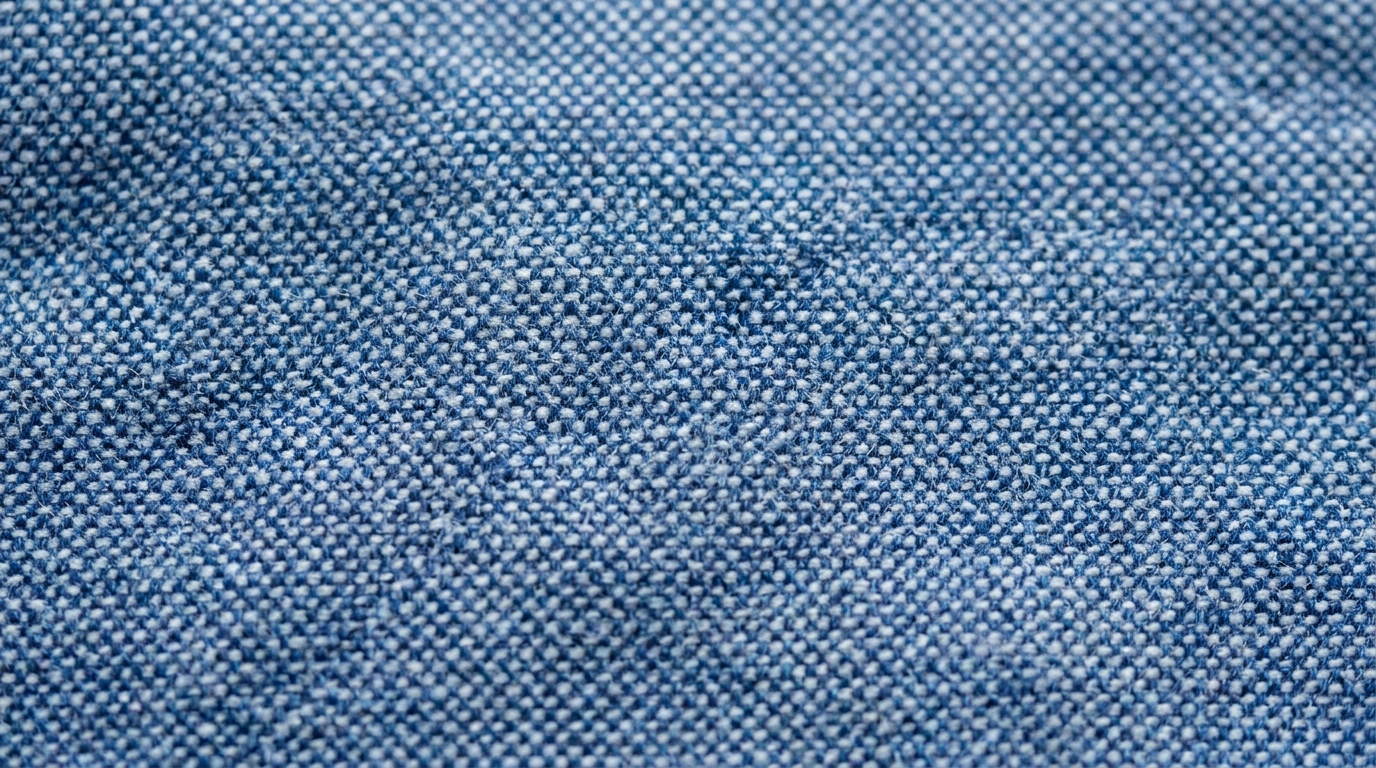
Before deciding if chambray fabric suits summer or winter best, we must understand its unique DNA. Chambray is a lightweight, 1×1 plain weave textile. Weavers create it by interlacing a colored warp thread with a white weft thread. The colored warp runs vertically, and the white weft runs horizontally across the loom.
This specific alternating thread pattern creates a distinct visual effect. It gives the material a slightly mottled or “frosted” appearance. A professional yarn dyed chambray fabric factory carefully balances these yarns to produce that signature look. It appears rugged like workwear but feels incredibly smooth against your skin.
Chambray vs. Denim: Understanding the Difference
People often confuse the two textiles because they share a similar indigo hue. However, their physical construction is entirely different. Denim uses a twill weave construction. This twill technique creates diagonal ribs and a heavier, stiffer garment. Chambray relies on a flat plain weave. It generally weighs between 3 oz and 6 oz per square yard. This makes it much lighter and highly breathable.
| Feature | Chambray | Denim |
|---|---|---|
| Weave Structure | Plain weave (1×1 flat surface) | Twill weave (diagonal ribs) |
| Fabric Weight | Light to mid-weight (3 oz – 6 oz) | Mid to heavy-weight (8 oz – 14+ oz) |
| Hand-feel | Smooth, crisp, and soft | Textured, stiff, and rugged |
| Breathability | High (allows significant airflow) | Low to moderate |
Material Composition and Modern Blends
Traditionally, manufacturers craft this textile entirely from 100% cotton. Cotton provides excellent moisture management and everyday durability. Modern apparel, however, often demands extra versatility. You can now find these plain weaves blended with other premium materials to enhance their natural properties.
As a trusted cotton chambray supplier, Sainty elevates traditional fabrics by incorporating Regenerated Cellulose. We blend standard cotton with Tencel™, Modal, and Viscose. We also integrate natural fibers with high-quality synthetic textiles. These specific additions dramatically improve the fabric’s drape, softness, and wrinkle resistance.
Ethical production matters just as much as material quality. Global brands rely on our manufacturing processes because they carry strict GRS, OEKO-TEX, and BSCI certifications. This comprehensive backing ensures your garments remain sustainable, safe, and responsibly made from raw yarn to finished yardage.
Chambray Fabric in Summer: The Ultimate Warm-Weather Choice
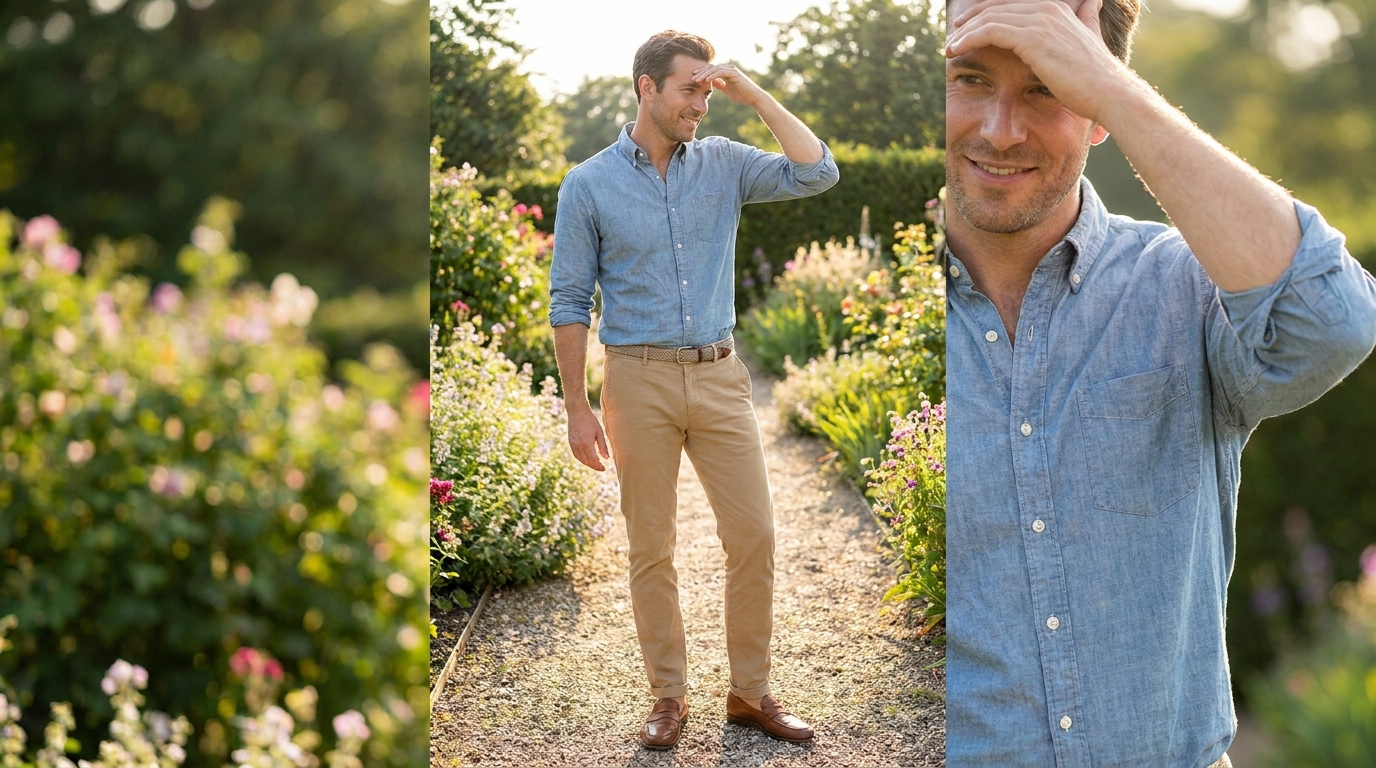
We just covered its lightweight plain weave and breathable blends. It is easy to see why designers love this material. When people ask whether to choose chambray fabric summer or winter, summer usually wins the initial debate. The optimal temperature range for this textile sits comfortably between 60°F and 90°F (15°C to 32°C). It thrives in the heat.
Breathability and Moisture Management
The secret to its warm-weather success lies in the natural fibers. Traditional cotton naturally wicks moisture away from your body. When you encounter high heat and humidity, you need a fabric that breathes freely. The 1×1 plain weave structure allows significantly more airflow than tightly woven twills. This open structure means your sweat evaporates faster. If you choose our Tencel™ or Modal blends, you get even better cooling properties and a softer drape.
Why Fabric Weight Matters
Heavy clothes trap body heat. Standard chambray generally ranges from 3 oz to 6 oz per square yard. This low weight prevents you from feeling bogged down under the summer sun. Sourcing from a specialized lightweight chambray textile manufacturer ensures the weave remains tight enough for durability but open enough for maximum airflow. It essentially acts as a personal cooling system throughout the day.
Popular Summer Garments
You will find this versatile material in countless warm-weather staples. Its crisp yet soft hand-feel makes it perfect for standalone pieces. It requires no heavy layers underneath.
- Button-up shirts: Pair a light-wash chambray shirt with tan chinos. It creates a classic, breathable summer office look.
- Breezy dresses: The fabric holds its shape remarkably well. It rarely clings to sweaty skin.
- Lightweight shorts: They offer a fantastic, comfortable alternative to stiff denim cut-offs.
- Skirts: Blended options provide excellent drape and fluid movement in the summer breeze.
Skin Comfort and Sun Protection
Hot days require fabrics that feel gentle against your skin. Chambray delivers a smooth texture that softens beautifully over time. It provides a basic physical barrier against harsh sun rays without causing you to overheat. Plus, that signature “frosted” or mottled appearance serves a practical purpose. It actually helps camouflage minor sweat patches much better than solid poplin shirts. It keeps you looking fresh even during a severe heatwave.
Chambray Fabric in Winter: Can You Wear It in the Cold?
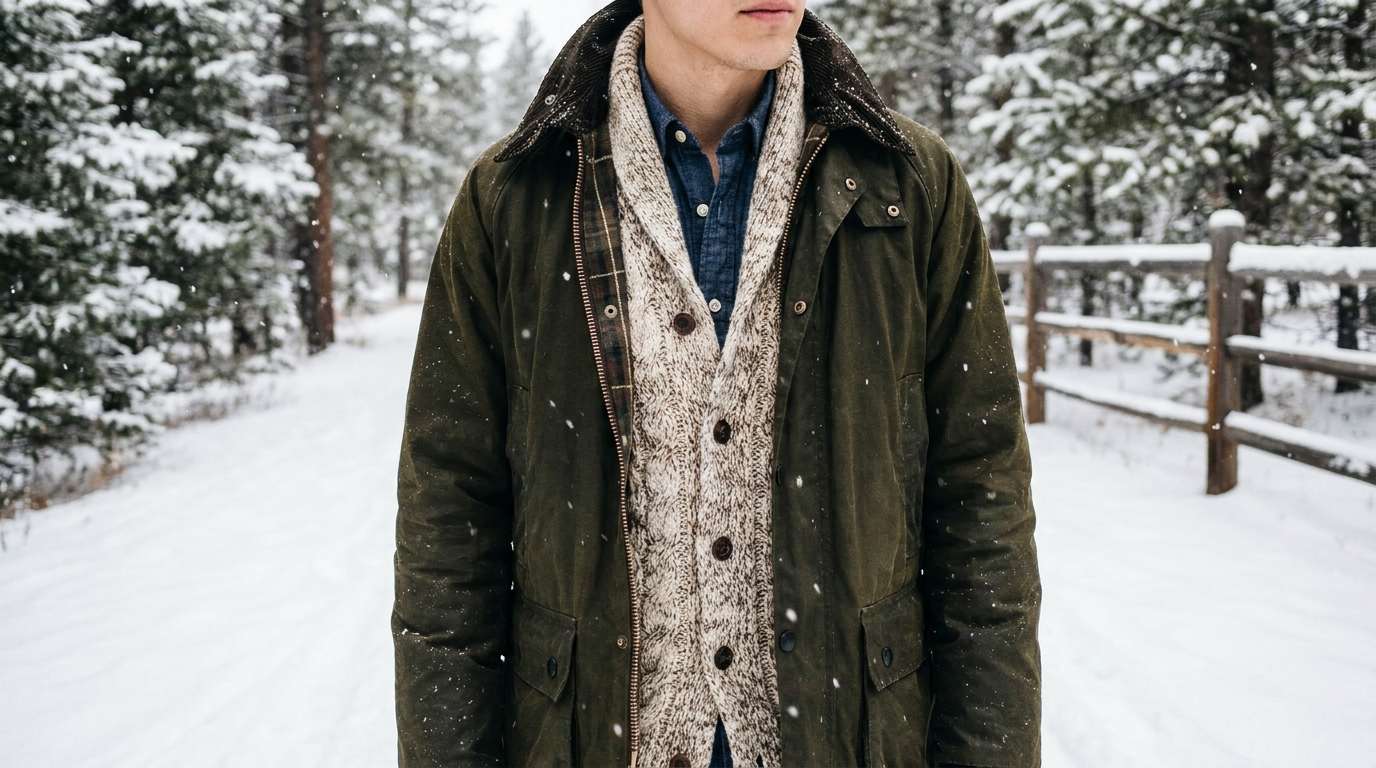
We just explored how its breathable plain weave beats the summer heat. But what happens when the temperature drops? The “chambray fabric summer or winter” debate often leans heavily toward warm weather. Dismissing it during cooler months, however, is a mistake. You can absolutely wear it in the cold. It serves as an exceptional base layer down to 30°F (-1°C). Let us look at why this lightweight textile transitions seamlessly into your winter wardrobe.
The Power of Layering and Thermal Regulation
Winter dressing requires smart layering. You face freezing winds outside and blasting heaters inside. Heavy clothes trap sweat when you move between these temperature extremes. Chambray solves this problem beautifully.
As we covered earlier, its 1×1 plain weave allows excellent airflow. Wearing a chambray shirt under a heavy coat provides a wind-resistant barrier. Once you step indoors, you remove your outer layers. The breathable fabric then prevents you from overheating. It regulates your body temperature much better than a thick, synthetic sweater.
Styling Chambray for Cold Weather
This material bridges the gap between rugged and refined. It pairs effortlessly with heavy winter garments. You can wear a dark indigo chambray shirt under a chunky wool cardigan. It also looks sharp beneath a tailored blazer.
- Under knitwear: The crisp collar holds its shape perfectly under crewneck or V-neck sweaters.
- With leather jackets: It provides a soft, breathable contrast to heavy, non-porous leather.
- The “Canadian Tuxedo” alternative: Pair a chambray shirt with dark denim jeans. You achieve a tonal blue look without the stiff bulk of double-denim.
- Over thermal bases: Wear it unbuttoned over a thermal henley for a casual, rugged weekend outfit.
Pairing With Winter Textures
Winter fashion relies heavily on texture. The smooth, slightly mottled surface of chambray contrasts perfectly with fuzzy winter fabrics. It beautifully complements heavy corduroy trousers. It also balances the visual weight of thick tweed jackets. When you mix these diverse textures, your outfit looks intentional and sophisticated.
| Fabric Type | Texture & Weight | Winter Application |
|---|---|---|
| Chambray | Textured, mottled, mid-weight | Excellent breathable base layer under heavy knits. |
| Poplin | Smooth, crisp, lightweight | Formal winter base layer (can feel cold against the skin). |
| Flannel | Brushed, fuzzy, heavy | Standalone winter warmth; low breathability indoors. |
Sourcing for Year-Round Collections
Global brands understand this seasonal versatility. They design year-round collections utilizing these adaptable textiles. When you source wholesale chambray fabric, you need materials performing across all seasons. Sainty provides premium options for every climate.
We offer sustainable Regenerated Cellulose blends alongside our flagship TR Fabric. These additions improve drape and softness for winter layering. Purchasing bulk chambray fabric from a GRS and OEKO-TEX certified supplier guarantees consistent quality. Your winter lines will feel just as comfortable and ethical as your summer releases.
Sourcing Premium Materials: Choosing the Right Cotton Chambray Supplier
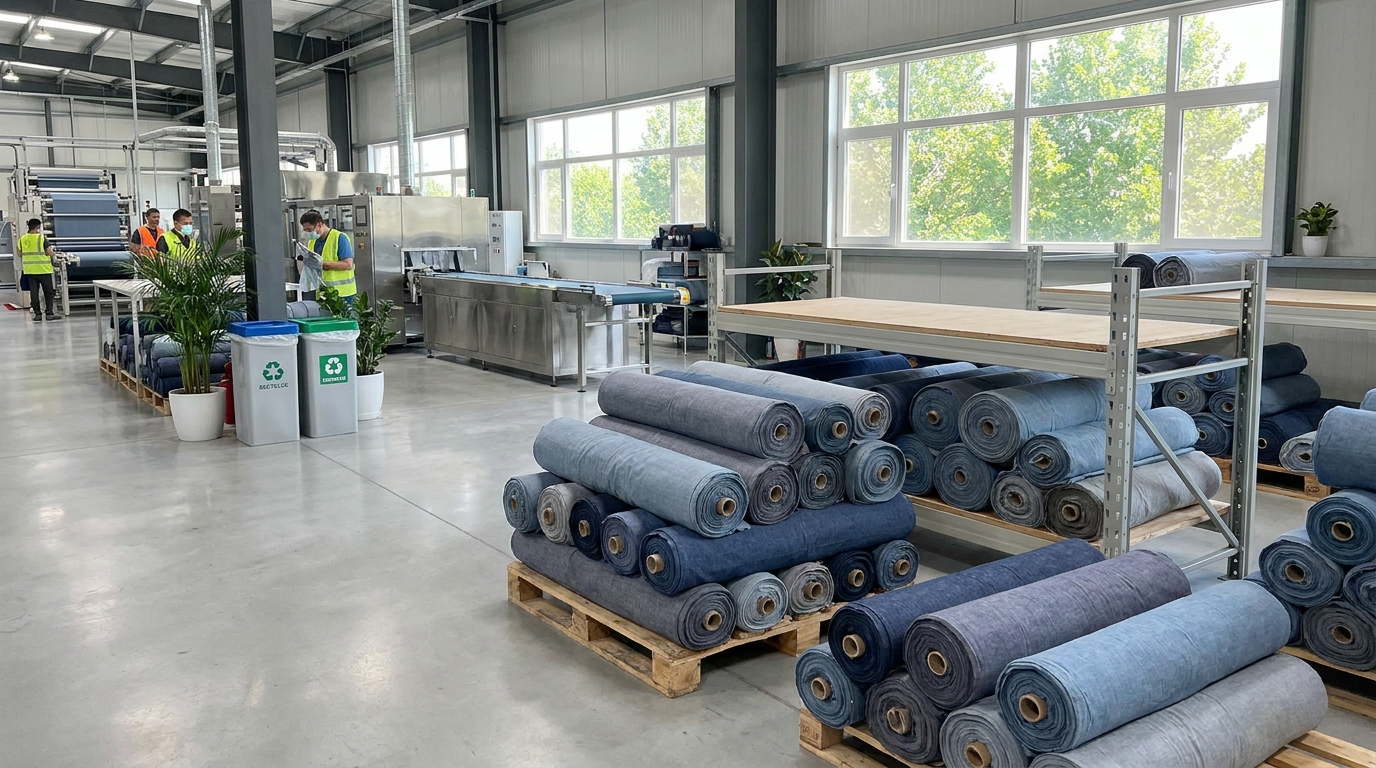
We just saw how this versatile plain weave adapts to both freezing winds and summer heat. Whether you design collections around chambray fabric summer or winter applications, your final garment relies entirely on raw material quality. Modern apparel brands face a dual challenge today. You must deliver exceptional physical comfort while maintaining strict ethical manufacturing standards.
The Importance of Quality and Ethics
Consumers now demand full transparency. They want to know exactly where their clothing comes from. Sourcing from a reliable cotton chambray supplier ensures your fabrics look great and last longer. A tightly controlled manufacturing process prevents the 1×1 weave from fraying prematurely. It also guarantees the signature indigo dye fades beautifully rather than looking washed out after one cycle.
Partnering with an Industry Leader
As a leading supplier of premium fabrics, Sainty understands these complex brand requirements. We specialize in our flagship TR Fabric alongside a comprehensive range of textiles. We produce high-quality Natural and Synthetic materials tailored for global apparel markets. We also expertly blend standard cotton yarns. We incorporate Regenerated Cellulose fibers like Tencel™, Modal, and Viscose. These specific additions give your garments the superior drape and softness we discussed earlier.
Why Certifications Matter
You cannot simply claim sustainability; you must prove it. Global apparel brands trust our manufacturing because we back it up using hard evidence. We hold strict GRS, OEKO-TEX, and BSCI certifications.
- GRS (Global Recycled Standard): Verifies recycled content and tracks it through the supply chain.
- OEKO-TEX: Ensures the textile contains no harmful substances. It protects end-user skin health.
- BSCI (Business Social Compliance Initiative): Guarantees ethical workplace conditions and fair labor practices.
These certifications protect your brand reputation. They allow you to market your seasonal collections confidently to eco-conscious buyers.
Scaling Your Seasonal Collections
Scaling production requires consistent material behavior. When you purchase wholesale chambray fabric, you need absolute uniformity across thousands of yards. A trusted partner ensures the fabric weight remains exact. A 4 oz summer shirting material will not suddenly arrive feeling like an 8 oz heavy twill. This consistency keeps your production lines moving smoothly.
Cost-Efficiency in Bulk Manufacturing
Large-scale manufacturing demands smart financial planning. Ordering bulk chambray fabric provides significant cost advantages without sacrificing quality. We optimize our production lines to handle massive volume efficiently. This scale lowers your per-yard cost.
| Sourcing Factor | Benefit to Your Brand |
|---|---|
| Certified Ethics | Builds consumer trust and meets international compliance. |
| Bulk Purchasing | Lowers unit costs and stabilizes seasonal profit margins. |
| Material Consistency | Reduces manufacturing errors and fabric waste. |
| Premium Blends | Elevates garment feel for both summer and winter lines. |
You secure reliable inventory for your next major release. Your factories receive predictable, high-quality yardage every single time. This streamlined approach lets you focus on designing great clothes instead of worrying about supply chain delays.
Conclusion
Chambray is an inherently perfect summer fabric. It easily transitions into stylish winter layering pieces. Enjoy breathability, lightweight comfort, and timeless style. Trust Sainty for premium textiles with GRS, OEKO-TEX, and BSCI certifications. This ensures year-round garment durability and consumer satisfaction.
- Audit your current seasonal apparel designs today.
- Request chambray fabric samples from trusted suppliers.
- Plan versatile clothing collections for year-round wear.
Frequently Asked Questions About Chambray Fabric For Summer Or Winter
Is chambray just a thin version of denim?
Many people easily confuse these two popular fabrics. Chambray is definitely not just a thinner version of denim. Denim uses a heavy diagonal twill weave that feels quite stiff. Instead, chambray utilizes a simple plain weave. This flat construction alternates colored warp and white weft threads. You get a beautiful frosted appearance from this unique mixture. Plain weaves make the fabric much lighter and highly breathable. It offers a significantly smoother hand-feel than traditional denim. You still get that classic blue workwear style.
Can I wear a chambray shirt in winter?
Yes, chambray works perfectly during the cold winter months. It serves as an excellent bridge fabric for smart seasonal layering. A standard cotton shirt traps your body heat nicely. You can wear it under a chunky wool cardigan or a thick sweater. It also looks absolutely fantastic beneath a heavy winter overcoat. Sainty supplies premium regenerated cellulose fabrics like Tencel and Modal. These sustainable options add an excellent flowing drape to your garments. They make winter layering feel incredibly soft against your skin. Pair dark indigo chambray with charcoal trousers for a sharp look.
Does chambray fabric make you sweat in summer?
Chambray remains highly breathable during hot summer weather. Its plain weave allows for significant cooling airflow across your skin. This flat structure actively prevents you from overheating quickly. Natural cotton fibers efficiently wick sweat away from your warm body. The light-colored weft threads also help to hide embarrassing sweat patches. You should choose a high-quality blended fabric for maximum cooling. Sainty supplies premium natural and regenerated cellulose textiles globally. Our Tencel blends will keep you exceptionally cool and dry. You can remain perfectly comfortable even in extreme summer humidity.
How does chambray compare to linen for hot weather?
Both of these fabrics are excellent choices for hot summer days. Linen provides slightly higher breathability because of its looser weave structure. However, pure linen wrinkles very easily and often feels quite stiff. Chambray delivers a much smoother and softer overall hand-feel. It resists deep creases much better than pure linen does. You can easily blend these two amazing textile materials together. A cotton-linen blend gives you the absolute best of both worlds. This combination maximizes cooling while heavily reducing the annoying crinkle factor. Sainty supplies premium natural textiles to create these ideal summer blends.
Is chambray a sustainable and eco-friendly fabric choice?
Chambray stands out as an incredibly sustainable fabric option today. Its high tensile strength ensures that your garments last much longer. This natural durability effectively reduces unnecessary fashion waste over time. Modern indigo dyeing processes are also becoming much more eco-friendly. Choosing the right fabric supplier makes a huge difference for sustainability. Sainty operates as a leading supplier of premium sustainable fabrics. Our manufacturing processes are fully backed by highly respected global certifications. We proudly hold GRS, OEKO-TEX, and BSCI certifications for our textiles. This strictly guarantees sustainable and ethical production for every single fabric.
Actionable Next Steps
- Wash your chambray garments in cold water to preserve the indigo dye.
- Iron the fabric while it is still slightly damp to remove stubborn wrinkles.
- Layer a lightweight chambray shirt under a wool sweater for extra winter warmth.
- Select a cotton-linen blend if you live in a highly humid summer climate.
- Check for OEKO-TEX certifications when purchasing new textiles to ensure sustainable production.
Chambray is a highly versatile fabric for both summer and winter. Its plain weave offers excellent breathability during hot weather. You can easily use it as a smart layering piece in winter. Premium blends from reliable suppliers like Sainty improve comfort and sustainability. This durable material adapts perfectly to your changing seasonal wardrobe needs.