Ramie is a strong, breathable, eco-friendly natural fiber. Does ramie shrink in the dryer?
Yes, high heat makes this linen-like fabric shrink significantly. Proper care easily extends your garment lifespan.
In this post, you will learn safe drying techniques. We also explore washing methods and material sourcing.
What is Ramie Fabric and Why is it Prone to Shrinking?

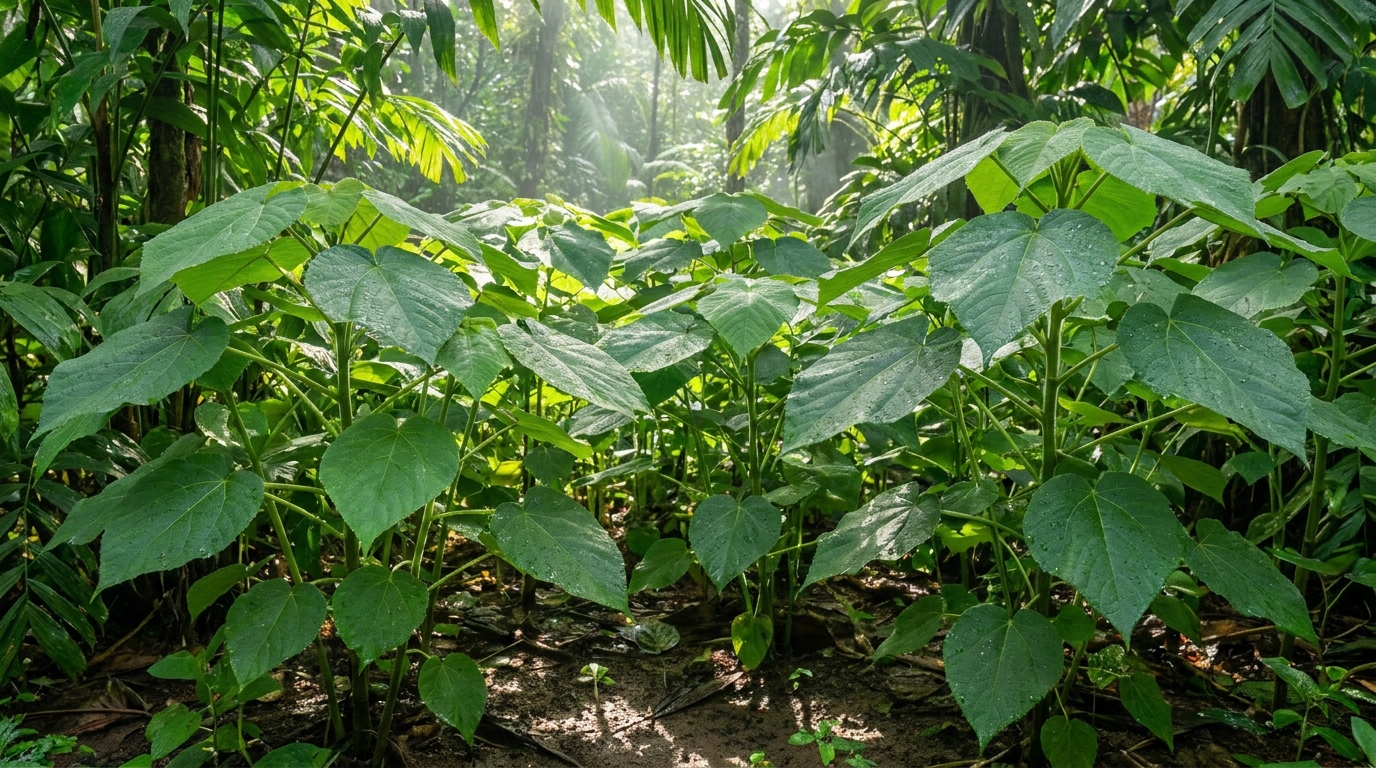
You already know high heat harms this eco-friendly material. But what exactly makes it react this way? Ramie comes from the Boehmeria nivea plant. It belongs to the nettle family. Manufacturers often call this bast fiber China grass. People love it because it offers a lustrous finish. The material also holds its shape remarkably well.
Like cotton and linen, ramie is a natural cellulose-based textile. Cellulose fibers have high molecular crystallinity. They absorb up to 20% of their weight in moisture. When wet, they actually become stronger. However, these fibers lack natural elasticity. Extreme heat changes their internal structure very quickly.
Does ramie shrink in the dryer? Yes, it certainly does shrink fast. Hot water, intense dryer heat, and mechanical tumbling cause major problems. Temperatures above 60°C (140°F) make the fibers relax. Then, they rapidly contract and tighten. You might see a 5% to 10% shrinkage rate. This usually happens during the first hot laundry cycle.
Processing plays a huge role in overall fabric stability. Sainty operates as a leading supplier of premium fabrics. We specialize in our flagship TR Fabric. We also produce Regenerated Cellulose and natural textiles. We understand how raw materials behave under stress. Proper manufacturing techniques minimize extreme shrinkage. Global apparel brands trust us as a reliable treated ramie fabric supplier. Our production lines carry GRS, OEKO-TEX, and BSCI certifications. We ensure ethical, sustainable processing to keep fibers stable.
Factors Causing Ramie to Shrink
Several elements trigger fiber contraction during a laundry cycle. Here is a quick breakdown of these triggers.
| Laundry Factor | Effect on Ramie Fibers | Shrinkage Risk |
|---|---|---|
| Hot Water (Above 40°C) | Relaxes the high-tenacity cellulose structure. | Moderate |
| High Dryer Heat (Above 60°C) | Forces rapid moisture loss and tightens fibers. | Very High |
| Mechanical Tumbling | Causes physical stress and agitation. | High |
Does Ramie Shrink in the Dryer? The Detailed Answer

As the previous table shows, high heat and tumbling pose severe risks. So, does ramie shrink in the dryer? Yes, it shrinks significantly if you do not handle it correctly. You can expect serious damage if you toss it in a standard cycle.
Temperatures exceeding 60°C (140°F) in a dryer ruin pure ramie garments. The intense heat forces rapid moisture loss. We noted earlier how these fibers hold abundant moisture naturally. Stripping this moisture away too fast causes long fibers to snap back. They contract permanently and lose their original shape. You will often see a 5% to 10% shrinkage rate during a hot cycle.
Heat alone is not the only culprit. Mechanical agitation plays a massive role in fiber distortion. When a dryer tumbles clothes, it throws them against the metal drum. This constant physical stress bends the stiff cellulose structure repeatedly. The long fibers rub together and interlock. They bind tightly inside the weave. This action shrinks the garment quickly. It also creates sharp, damaging creases. These creases can eventually break the rigid fibers.
Pure ramie suffers the most in a hot machine. Blended fabrics offer much better stability. A reputable ramie cotton blend manufacturer engineers textiles to resist severe interlocking. Adding cotton increases elasticity and reduces overall shrinkage risks.
Comparing Ramie to Other Natural Fibers
You might wonder how ramie stacks up against familiar fabrics. Every natural fiber reacts differently to machine drying. Let us look at the differences in dryer shrinkage.
| Fabric Type | Dryer Shrinkage Risk | Behavior Under High Heat and Tumbling |
|---|---|---|
| 100% Ramie | Very High (5-10%) | Fibers contract, interlock, and become highly brittle. Sharp creases form easily. |
| Cotton | Moderate (3-5%) | Fibers shrink but remain relatively soft. They often relax slightly after wearing. |
| Linen | High (4-5%) | Shrinks and wrinkles heavily. It shares a similar structure but is slightly less brittle. |
| Wool | Extreme (Felting) | Animal hair scales interlock permanently. The garment shrinks massively and irreversibly. |
Understanding these differences helps you sort your laundry effectively. You must keep stiff cellulose materials away from aggressive tumble cycles.
How to Properly Dry Ramie Fabric to Prevent Shrinkage

Since you must keep stiff cellulose materials away from hot tumble cycles, how should you dry them? Air drying serves as the absolute gold standard. Does ramie shrink in the dryer? Yes, it certainly does. Skipping the machine entirely protects your garments from irreversible damage. Laying the fabric flat or hanging it on a line prevents the extreme heat contraction we covered earlier.
Before hanging the garment, give it a vigorous shake. This simple “shake out” method smooths out sharp creases. It significantly reduces your need for heavy ironing later. It also helps the fibers relax naturally as they dry.
Best Practices for Flat Drying
Wet ramie is actually stronger than dry ramie. However, it still lacks natural elasticity. You must reshape the garment while it remains damp. Smooth out the seams and collars using your hands. This vital process helps the item maintain its original silhouette. It also prevents heavy, wet fibers from stretching out of shape.
- Do not wring: Never wring or twist the fabric tightly. Twisting breaks the rigid internal structure.
- Use a towel: Roll the wet garment in a clean, dry towel first. Press gently to remove excess water before laying it flat.
- Flip occasionally: Turn the garment over halfway through the drying process. This ensures even moisture evaporation.
Safe Machine Drying Techniques
Sometimes you cannot air dry your clothes. If you absolutely must use a machine, take strict precautions. Never use warm or hot settings. Select the “air fluff” or “no heat” option instead. Always place the item inside a mesh laundry bag first. The mesh bag prevents long fibers from snagging on the metal drum.
Most importantly, never let the material dry completely inside the machine. Remove the garment while it remains about 10% damp. You can then finish drying it flat. This prevents the severe interlocking and brittleness we discussed earlier.
Protecting Colors During Line Drying
Air drying outdoors works beautifully. Still, you must avoid direct sunlight. UV rays break down cellulose over time. They also cause vibrant colors to fade rapidly. If you purchase materials from a reputable custom dyed ramie fabric supplier, you want those rich hues to last. Always hang your garments in a shaded, well-ventilated area.
At Sainty, our OEKO-TEX and GRS certified production ensures high-quality, sustainable dyes. Yet, even the best eco-friendly dyes require proper at-home care. Shade drying preserves both the structural integrity and the visual appeal of your textiles.
| Drying Method | Recommended Setting | Shrinkage Risk | Key Benefit |
|---|---|---|---|
| Flat Drying | Room temperature, shaded area | Zero | Maintains perfect garment shape and prevents stretching. |
| Line Drying | Outdoor shade, well-ventilated | Zero | Fastest air-drying method; shaking reduces wrinkles. |
| Machine Drying | Air fluff / No heat ONLY | Low to Moderate | Useful in a pinch; you must remove the fabric while 10% damp. |
Step-by-Step Guide: How to Wash Ramie Clothes Safely

You now know how to dry these garments safely. However, proper care starts long before air drying. Does ramie shrink in the dryer? Absolutely. But hot water in your washing machine also triggers early fiber contraction. You must handle the washing phase correctly to prevent irreversible damage.
Sort Garments and Read Care Labels
Always check the manufacturer’s tags first. Separate your laundry loads carefully before starting. Keep stiff cellulose materials away from heavy items like denim. Heavy fabrics cause friction during the wash cycle. This intense friction easily damages brittle natural fibers.
Control Your Water Temperature
Proper temperature control remains crucial for fabric safety. You should never use hot water for this material. Stick to cold or lukewarm settings instead. The water should never exceed 40°C (104°F). As we covered earlier, high heat relaxes the high-tenacity cellulose structure. Hot water starts the shrinking process immediately.
Choose the Right Detergent
Always pick a gentle, pH-neutral liquid soap. These mild formulas protect natural fibers effectively. You must avoid harsh chlorine bleach entirely. Bleach breaks down the internal structure and makes the material even more brittle. If you want to soften the scratchy feel of new garments, try a natural approach. Add half a cup of white vinegar to your rinse cycle. Vinegar breaks down natural stiffening agents safely.
Hand Washing vs. Machine Washing
Hand washing provides the safest laundry route. It minimizes damaging mechanical stress almost completely. If you must use a machine, select the delicate cycle. Always keep the machine spin speed very low. High spin speeds force sharp creases into the fabric. These creases can snap the rigid fibers permanently. Remember to use the mesh laundry bag we discussed in the drying section.
| Washing Method | Recommended Settings | Risk of Damage |
|---|---|---|
| Hand Washing | Cold water, gentle squeezing, no wringing | Very Low |
| Machine Washing | Delicate cycle, mesh bag, low spin speed | Moderate |
| Standard Machine | Warm/hot water, regular spin speed | High (Shrinkage & Creasing) |
Preserving Premium Textiles
Gentle washing extends the life of all premium textiles. This rule applies to pure ramie, blends, and other natural materials. At Sainty, we manufacture a wide range of eco-friendly materials. Our expertise extends beyond being a top ramie textile factory. We also specialize in Regenerated Cellulose fabrics like Tencel™, Modal, and Viscose. These sustainable materials share similar cellulose structures. They all benefit immensely from cold water and low-agitation cycles.
Can You Unshrink Ramie Fabric?
We just discussed how cold water and low-agitation cycles protect your premium textiles. But everyday laundry mistakes still happen. Does ramie shrink in the dryer if you accidentally toss it in with regular laundry? Yes, it absolutely does shrink fast. While prevention remains your best defense, you can sometimes reverse minor shrinkage.
You must set realistic expectations first. Severe shrinkage caused by a scorching hot dryer cycle is usually permanent. As we covered earlier, intense heat fundamentally alters the high-tenacity cellulose structure. The long fibers snap back and lock tightly together. However, if the contraction is mild, you can try relaxing the material using a few simple steps.
Step 1: Soak with a Fabric Relaxer
You need to soften the rigid fibers before attempting to stretch them. Fill a clean basin with lukewarm water. Remember to keep the temperature under 40°C (104°F). Add a generous squirt of a gentle fabric relaxer. Baby shampoo or a mild hair conditioner works perfectly for this task.
Submerge your shrunken garment completely in the soapy mixture. Let it soak undisturbed for roughly 30 minutes. The conditioner coats the stiff cellulose structure thoroughly. It helps the bound fibers loosen up and become pliable again.
Step 2: Stretch and Pin the Wet Fabric
Remove the garment from your basin carefully. Do not wring or twist the material. Roll it gently inside a clean towel to press out the excess water. Next, lay the damp item flat on a fresh, dry towel or a cork blocking board.
Begin pulling the fabric gently back to its original dimensions. Work slowly to avoid snapping the brittle threads. Once you reach the desired size, pin the edges down securely. Use rust-proof pins to hold the shape firmly in place.
Step 3: Air Dry in a Stretched State
Leave the garment pinned down until it dries completely. Place it in a shaded, well-ventilated area away from direct sunlight. Never try to speed up this step using a hairdryer or heater. Applying heat now will simply cause the fibers to contract all over again.
Garments made from high quality ramie fabric wholesale often recover better from minor laundry mishaps. Superior initial processing helps stabilize the raw materials. At Sainty, our BSCI and OEKO-TEX certified production lines ensure strong, resilient textiles. Better manufacturing means your clothes stand a better chance of bouncing back.
| Unshrinking Step | Action Required | Purpose |
|---|---|---|
| 1. Soaking | Submerge in lukewarm water and baby shampoo for 30 mins. | Relaxes the tight, interlocked cellulose fibers. |
| 2. Stretching | Gently pull damp fabric to original size and pin it down. | Forces the softened material back into its proper shape. |
| 3. Drying | Air dry completely while pinned in the shade. | Locks the relaxed fibers into their restored dimensions. |
Ramie Blends: Do They Shrink Less in the Dryer?
You now know how to rescue a pure ramie garment from a laundry mishap. But what if you want to avoid severe shrinkage right from the start? Blended fabrics offer an excellent solution. Does ramie shrink in the dryer when mixed with other fibers? Yes, it certainly still can shrink. However, blending significantly reduces the overall shrinkage rate. It also completely changes your everyday care requirements.
Mixing this rigid bast fiber with softer materials creates a highly versatile textile. Manufacturers often combine it to improve garment longevity. Adding different fibers alters the internal cellulose structure. It gives the rigid threads room to move and stretch. This extra flexibility prevents the extreme heat contraction we discussed earlier.
The Benefits of Ramie-Cotton Mixtures
Ramie-cotton blends remain incredibly popular in the fashion industry. This specific combination balances extreme durability with everyday softness. Cotton adds much-needed elasticity to the brittle cellulose structure. It stops the long fibers from snapping along sharp creases. Cotton also absorbs moisture differently, which helps the fabric relax.
As a premier ramie cotton blend manufacturer, Sainty engineers these textiles to resist heavy interlocking. The added cotton makes the fabric feel less scratchy against your skin. It eliminates the stiff, straw-like texture often found in brand-new garments. More importantly, cotton lowers the extreme shrinkage risk significantly. You get a breathable, linen-like look without the high-maintenance care routine.
Natural Blends vs. Synthetic Blends
Natural mixtures perform much better than pure cellulose in the wash. Yet, synthetic blends offer even greater stability. Let us compare natural cotton mixtures to engineered synthetic fabrics. Our flagship TR Fabric perfectly illustrates this structural difference. TR stands for a premium polyester and viscose blend. Synthetic fibers resist heat contraction exceptionally well.
They do not lose their shape during a standard dryer cycle. When manufacturers blend stiff natural threads with synthetics, the resulting fabric survives mechanical tumbling much better. Backed by our GRS, OEKO-TEX, and BSCI certifications, we ensure these blended textiles maintain their integrity. Sustainable production methods keep both natural and synthetic fibers strong.
| Fabric Blend | Dryer Shrinkage Risk | Recommended Drying Method |
|---|---|---|
| Pure Ramie | Very High (5-10%) | Flat dry or line dry in shade. |
| Ramie-Cotton | Moderate (3-5%) | Air dry preferred; air fluff if necessary. |
| Ramie-Synthetic (e.g., TR Fabric) | Low (1-2%) | Tumble dry on low heat safely. |
Tips for Drying Blended Garments
You still need to handle blended clothes carefully to maximize their lifespan. Does ramie shrink in the dryer if it only makes up half the garment? It can, depending on the exact heat setting. You must follow a few simple rules to keep your blended clothes safe.
- Identify the weakest link: Always treat the garment based on its most delicate fiber. Treat a ramie-silk blend exactly like pure silk.
- Check the percentages: A blend containing 80% ramie still requires strict no-heat drying. High cellulose content means high shrinkage risk.
- Remove items early: Never let blended natural fibers dry completely in a machine. Remove them while they remain slightly damp.
- Use a mesh bag: Protect blended items from mechanical stress. A mesh bag stops long fibers from snagging on the metal drum.
Following these steps ensures your blended textiles stay soft and perfectly shaped. Proper drying habits protect your investment for years to come.
Sourcing High-Quality, Pre-Shrunk Ramie Fabrics
We just covered how blending fibers protects your clothes from extreme heat contraction. But what if you prefer pure natural textiles? Does ramie shrink in the dryer even if it comes straight from the factory? That depends entirely on how manufacturers process the raw material.
Proper sourcing prevents laundry disasters before they happen. Professional processing stabilizes the rigid cellulose structure. It stops the fibers from locking together during a normal wash cycle.
Raw vs. Treated Ramie: Minimizing At-Home Shrinkage
Raw bast fibers lack stability. They shrink wildly during their first encounter with hot water. Professional processing changes this behavior completely. A trusted treated ramie fabric supplier applies specific mercerization techniques. This treatment improves dye uptake safely. It also pre-shrinks the material effectively.
Mercerization relaxes the highly crystalline cellulose structure before it ever reaches your closet. Pre-shrunk textiles resist the severe 5% to 10% contraction rates we discussed earlier. They maintain their shape much better during everyday use.
| Fabric State | Processing Level | At-Home Shrinkage Risk | Fiber Characteristics |
|---|---|---|---|
| Raw Ramie | Untreated, natural state | Very High (Up to 10%) | Highly brittle, stiff, prone to snapping. |
| Treated Ramie | Mercerized and pre-shrunk | Low to Moderate | Softer hand-feel, improved dye retention, stable weave. |
Why Fashion Brands Need Reliable Sourcing
Consistent garment sizing makes or breaks an apparel brand. Customers hate buying a perfect shirt only to watch it warp after one wash. Does ramie shrink in the dryer if a brand cuts corners on sourcing? Yes, cheap fabrics warp and snap almost immediately under heat stress.
Brands must partner with a reputable ramie textile factory to guarantee fiber quality. Better processing ensures the long fibers maintain their silk-like luster. It also preserves their incredible tensile strength. Remember, this material is naturally eight times stronger than cotton. Proper manufacturing keeps that strength intact over time.
Manufacturing Standards and Certifications
Sourcing high quality ramie fabric wholesale requires strict attention to industry standards. You cannot rely on visual inspections alone. You need verified ethical and sustainable production lines to ensure long-lasting quality.
At Sainty, we specialize in premium textiles. Global apparel brands trust our natural and synthetic fabrics. Our flagship TR Fabric and Regenerated Cellulose lines lead the market in durability. We back all our manufacturing with GRS, OEKO-TEX, and BSCI certifications.
These rigorous standards guarantee sustainable, ethical, and reliable production. They ensure our textiles remain strong and stable. When you start with superior materials, you worry far less about accidental dryer damage.
Conclusion
Does ramie shrink in the dryer? Yes, high heat quickly damages this beautiful natural fiber. Always use cold washes and air dry your garments. High-quality, ethically produced fabrics significantly extend garment lifespan. Contact Sainty today for certified natural and blended fabrics.
- Read all garment care labels carefully today.
- Set your washing machine to cold water.
- Invest in a flat indoor drying rack.
Frequently Asked Questions About Ramie Shrinkage
Can you restore the size of a ramie shirt?
Restoring ramie fibers after high heat is very difficult. The intense heat causes permanent contraction in cellulose fibers. You can try soaking the garment in lukewarm water. Gently stretch the wet fabric back to its original shape. Lay it flat to dry completely on a towel. However, you might not regain the original garment size.
What happens if I put ramie in the dryer?
A hot dryer can shrink your ramie garment significantly. The fabric might shrink between five and ten percent. High heat also makes these natural fibers very brittle. Brittle fibers can snap or break along sharp fold lines. Always check the care label before drying natural fabrics. Sainty offers premium natural textiles that require careful handling.
How do you stop ramie fabric from wrinkling?
Ramie wrinkles easily due to its low natural elasticity. You should vigorously shake the wet garment before air drying. This simple shaking method reduces the need for heavy ironing. Never iron this material when it is completely dry. Always iron ramie while it is still slightly damp. Using a spray bottle prevents scorching and fiber damage.
Why does my new ramie clothing feel so stiff?
Ramie has long fibers that create a stiff texture. Many people compare this initial scratchiness to dry straw. You can soften the fabric using a simple home remedy. Add half a cup of white vinegar during the rinse. Vinegar breaks down the natural pectin and stiffening agents. Blends from certified suppliers like Sainty often feel much softer.
Is ramie actually stronger than regular standard cotton?
Ramie is one of the strongest natural fibers available. It is actually eight times stronger than standard cotton. Interestingly, this unique material gets even stronger when wet. This makes it highly durable for everyday clothing items. To maintain this strength, avoid using harsh chlorine bleach. Bleach will severely damage the strong cellulose fiber structure.
Actionable Next Steps for Caring for Ramie
- Buy a mesh laundry bag for your delicate garments.
- Hang your woven shirts in the closet to avoid creases.
- Program your washing machine to a gentle cold water cycle.
- Keep a water spray bottle near your ironing board.
Ramie is a highly durable and lustrous natural textile. However, it will shrink drastically in a hot dryer. You must wash these items in cool water instead. Air drying helps preserve the structural integrity of the fibers. Proper care ensures your sustainable garments last for many years.