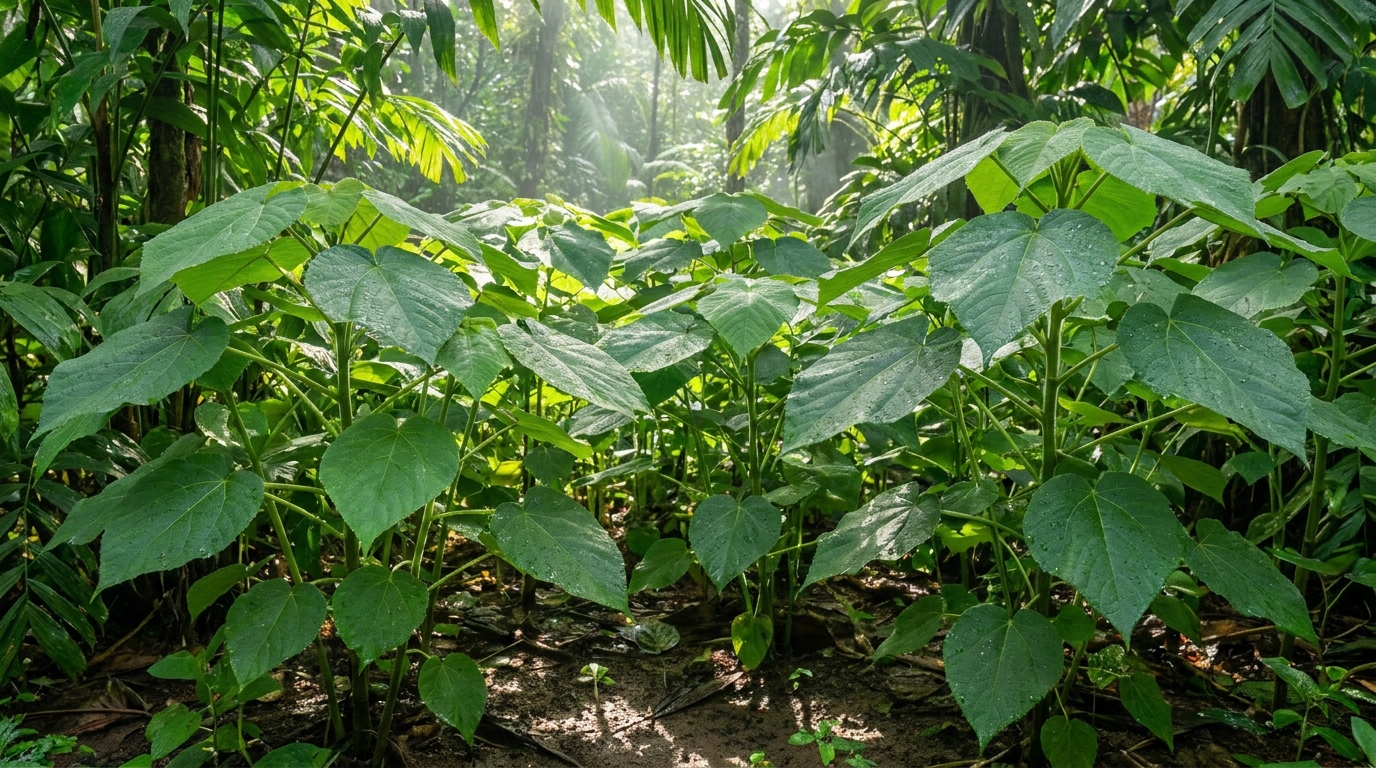
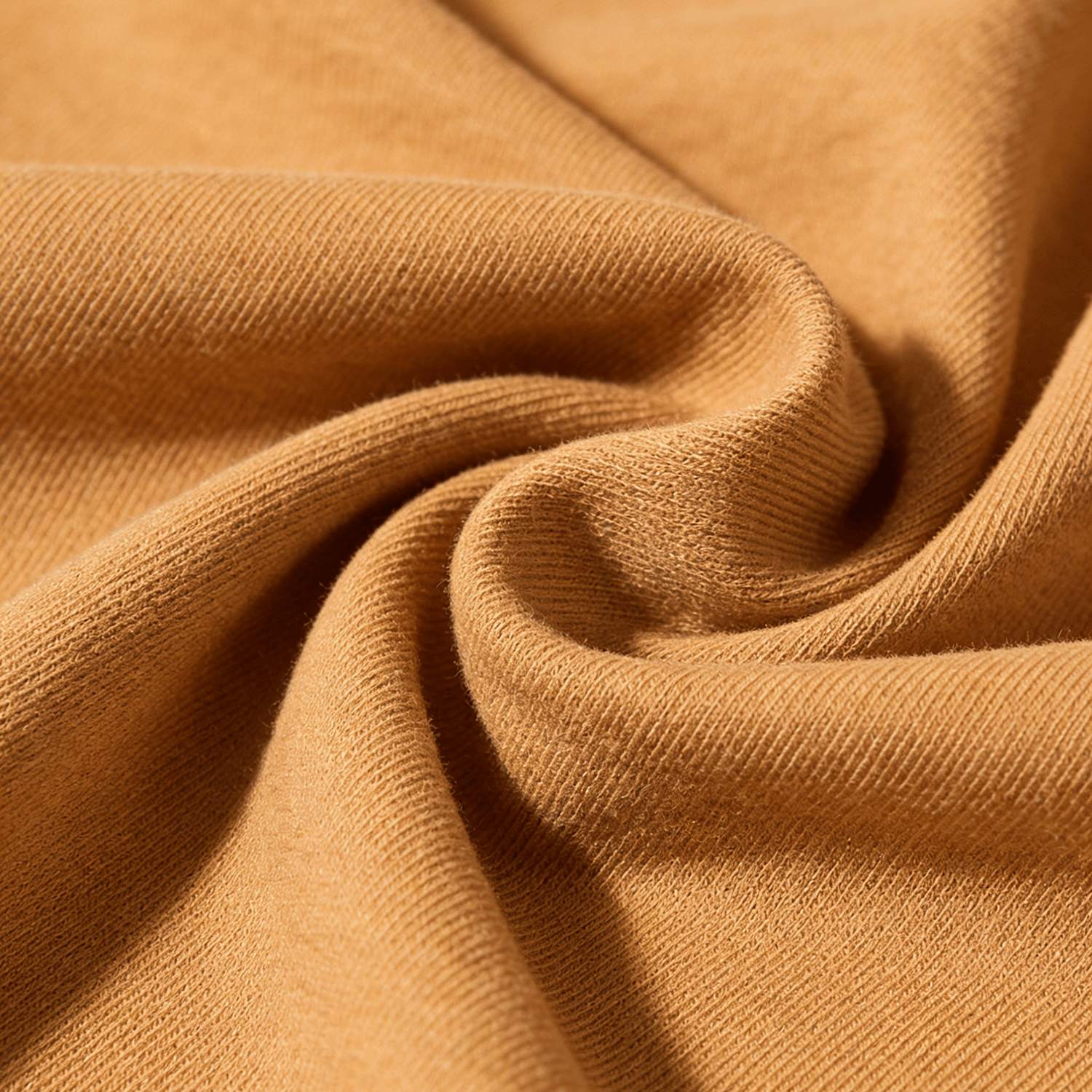
Modal fabric is made from regenerated cellulose, which is usually derived from wood pulp. It is a type of regenerated cellulosic fibre related to viscose rayon, and commercial modal can be produced from wood such as beech. For example, Textile Exchange describes modal as a second-generation regenerated cellulosic fibre and states that Lenzing’s TENCEL™ Modal is derived from beech wood. It is important to note that modal is not simply wood fibre spun into fabric. Rather, wood is first processed into dissolving pulp, which is then chemically processed into a spinning solution and regenerated into textile fibres.
What Is Modal Fabric Made Of?
At its most basic level, modal fabric is made of cellulose. This is the structural material found in plants, and wood is one of the main industrial sources used to manufacture regenerated cellulosic textile fibres. During the production of modal, manufacturers convert selected wood into high-purity dissolving pulp, which is then transformed into fibres through a controlled regeneration process.
This makes modal fundamentally different from synthetic fibres such as polyester and nylon. While polyester is produced from petrochemical-derived polymers, modal begins with a renewable cellulosic raw material. However, describing modal as simply a ‘natural fabric’ can be misleading. While the original raw material is natural wood, the finished modal fibre is manufactured through chemical processing. This is why the textile industry classifies modal as a regenerated or man-made cellulosic fibre rather than a conventional natural fibre, such as cotton, linen or wool.
Textile Exchange classifies modal as a second-generation regenerated cellulosic fibre and a type of rayon (viscose). The organisation also notes that high-wet-modulus modal fibres were originally developed in Japan in 1951, demonstrating that the development of modal is closely connected with the broader evolution of regenerated cellulose technology.
Therefore, the term ‘modal fabric’ describes textiles made from modal fibres, not a single fixed fabric construction. Modal can be knitted or woven, and can have different weights, finishes, and blends. A T-shirt labelled ‘100% modal’ and a fabric containing 50% modal and 50% cotton are both modal-containing textiles, but their final properties can differ significantly.
What Raw Material Is Used to Make Modal?
The primary raw material for modal is wood-derived cellulose, although the specific type of tree and sourcing practices vary depending on the producer. Beech wood is strongly associated with commercial modal because Lenzing has historically produced modal from beech wood, including that sourced from Austria and neighbouring countries. According to Lenzing’s 2024 annual and sustainability report, the company has been producing modal fibres from beech wood since 1965.
The important component of the wood is not the bark, lignin, or other tree components, but cellulose. In industrial production, wood is processed to separate and purify the cellulose into dissolving pulp with properties suitable for fibre production. Lenzing explains that its cellulose-based fibres start with wood, which is converted into pulp before being transformed into regenerated fibres.
Consequently, wood selection matters more than simply identifying the tree species. Fibre manufacturers must consider the quality and purity of the cellulose, forest management, supply-chain traceability and the efficiency of the pulp and fibre processes. Lenzing states that its regenerated cellulose fibres are derived from certified and controlled wood sources, while Textile Exchange specifically identifies PEFC-certified European beech forests in its description of TENCEL™ branded modal fibres.
It is also important to distinguish between generic modal and branded modal fibres. ‘Modal’ is the generic fibre category, whereas TENCEL™ Modal is a branded fibre product from Lenzing. Therefore, claims about the raw material, manufacturing process, water consumption, chemical recovery, biodegradability, or environmental performance of one branded modal product should not be automatically applied to all modal fibres sold globally.
How Is Modal Fiber Made From Wood?
The process of transforming wood into modal fibre involves several major stages. While individual manufacturers may use their own specific processes, the general concept remains the same: cellulose is isolated from wood, modified chemically so that it can be dissolved or processed into a spinning solution, and then regenerated into continuous filaments that can be cut into staple fibres.
First, the wood is processed into dissolving pulp. The wood is debarked and chipped, and then undergoes chemical and mechanical processing to remove unwanted components and produce cellulose of the required purity. Lenzing describes its wood-to-fibre process as two-stage: first, wood is converted into pulp; then, the pulp is transformed into regenerated fibres.
The next stage distinguishes modal from other regenerated cellulosic technologies. Lenzing explains that its viscose and modal production process involves the chemical treatment of cellulose, including alkalisation and xanthation, before the resulting material is dissolved into a spinning solution. Modal follows a similar fundamental process to viscose, but uses modified conditions during spinning to produce fibres with higher wet strength and other performance characteristics.
The spinning solution is then forced through a spinneret containing extremely small openings. As the cellulose-containing solution enters the spinning bath, the cellulose regenerates into filaments. These filaments are then stretched, washed, treated, dried, and converted into the required form for textile manufacturing.
This process explains why modal should not be described as “wood fiber” in the same sense that cotton is a plant fiber. The wood supplies the cellulose, but the final textile fiber has been regenerated through industrial processing. The chemical and physical treatment is precisely what gives modal its combination of softness, moisture management, dimensional behavior, and textile processability.
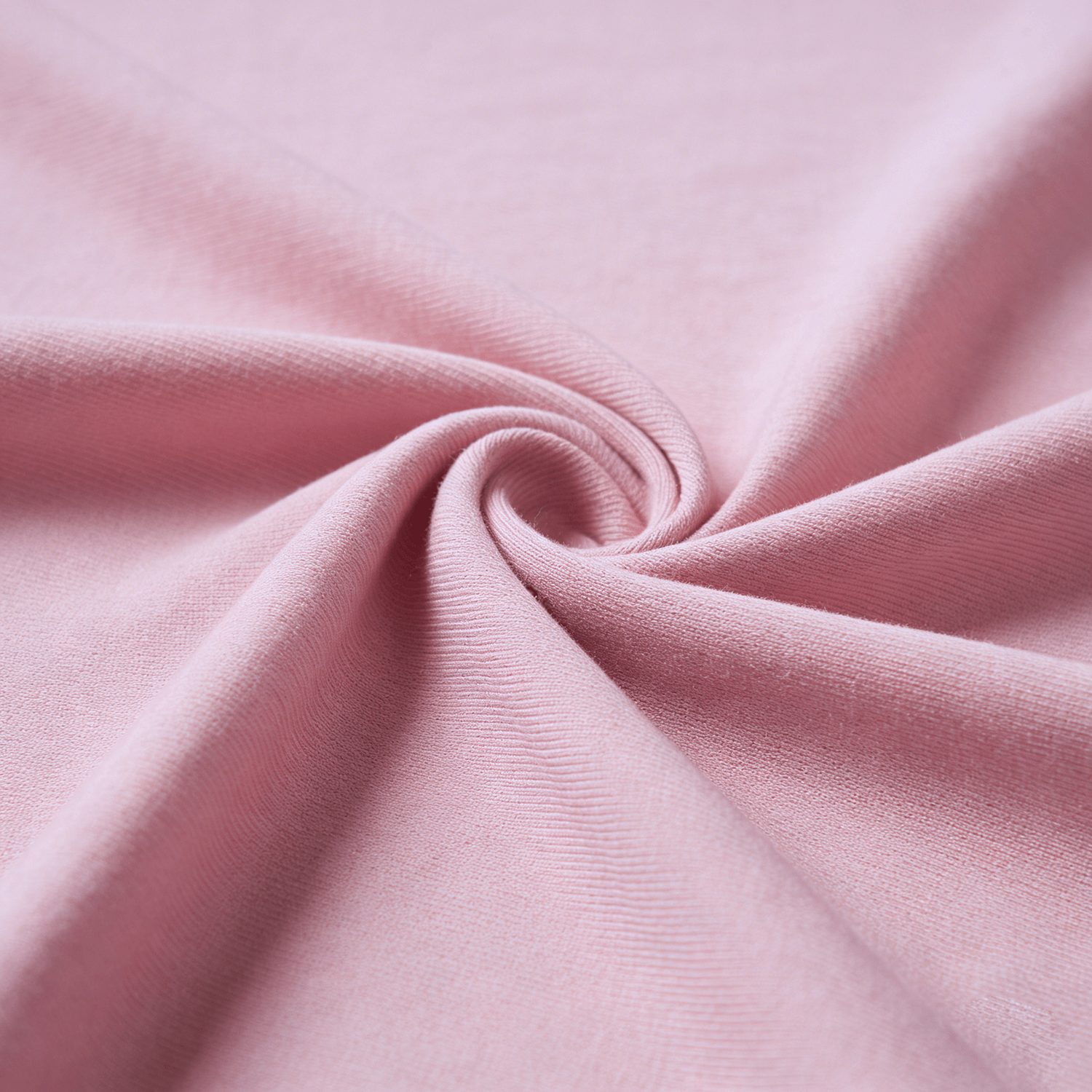
What Is the Difference Between Modal, Viscose, and Lyocell?
Modal, viscose, and lyocell all belong to the broader family of regenerated cellulosic fibers, but they are not identical materials. Their differences largely arise from how cellulose is dissolved, regenerated, and processed, which influences strength, softness, moisture behavior, dimensional stability, and environmental characteristics.
Viscose is the broad and historically established regenerated-cellulose technology. Modal can be understood as a specialized development within the rayon family, with process modifications intended to improve properties such as wet strength. Lyocell uses a different direct-dissolution technology based on NMMO solvent, followed by regeneration of cellulose. Lenzing explains that its lyocell process uses NMMO and operates with a closed-loop solvent recovery system, whereas its viscose and modal process involves xanthation before dissolution.
| Fiber | Basic Raw Material | General Fiber Category | Key Processing Difference | Typical Characteristics |
| Modal | Wood-derived cellulose | Regenerated cellulose | Modified viscose-type process | Soft hand, good moisture management, good wet strength |
| Viscose | Wood-derived cellulose or other cellulose pulp | Regenerated cellulose | Cellulose xanthation and regeneration | Soft, absorbent, versatile |
| Lyocell | Cellulose pulp | Regenerated cellulose | Direct dissolution using NMMO | High strength, smooth hand, strong processing performance |
| Cotton | Cotton plant | Natural cellulose fiber | Mechanical/agricultural fiber processing | Breathable, absorbent, durable |
| Polyester | Petrochemical-derived raw materials | Synthetic polymer fiber | Polymerization and melt spinning | Strong, durable, low moisture absorption |
This comparison is particularly important when purchasing fabric. A supplier describing a fabric as “cellulose-based” does not provide enough information to identify its actual fiber content or manufacturing route. Buyers should request the fiber composition, generic fiber name, branded fiber information where relevant, and applicable certifications rather than relying only on sustainability-oriented marketing language.
Why Is Modal Fabric So Soft?
The softness of modal fabric stems from the physical structure and characteristics of the regenerated fibres, as well as the yarn and fabric construction. According to Lenzing, the cross-section and tenacity of its TENCEL™ Modal fibres contribute to softness and enable fabrics to withstand repeated washing and drying cycles.
The final hand feel of a fabric is influenced by factors such as fibre fineness, yarn construction, knitting or weaving, finishing treatments, fabric weight and blending, rather than being determined by fibre type alone. For example, a fine-gauge modal jersey can feel dramatically different from a heavier modal woven fabric, even when both contain modal fibres.
Modal is particularly popular in garments worn directly against the skin as it combines a smooth texture with moisture-management properties. Lenzing describes its modal fibres as capable of absorbing and releasing moisture, thereby supporting a drier microclimate against the skin.
This is one reason why modal is frequently found in underwear, T-shirts, sleepwear, base layers, socks, leggings, loungewear and other apparel designed for comfort. It can also be blended with cotton, elastane, polyester, wool and other fibres to adjust stretch, durability, recovery, appearance or cost.
What Are the Main Properties of Modal Fabric?
The properties of modal fabric depend on fiber quality and fabric construction, but several characteristics are commonly associated with the material. Its softness is perhaps the best-known feature, while moisture management, drape, color appearance, and compatibility with blends also contribute to its popularity.
Modal fibers can provide a smooth and soft textile surface, which makes them suitable for garments that have prolonged contact with the skin. Their moisture-related behavior can also be useful in apparel where comfort depends on how efficiently moisture is absorbed and released.
Another important characteristic is wet performance. Modal was developed specifically as a higher-wet-modulus form of regenerated cellulose, and modern modal fibers can offer better wet strength than conventional viscose. This does not mean that all modal garments are equally durable; fabric construction, yarn count, blending ratio, dyeing, finishing, and washing conditions remain important.
Modal can also be blended efficiently with other fibers. Lenzing states that its modal fibers can be blended with all types of fibers and processed using conventional machinery. This flexibility allows textile manufacturers to combine modal’s softness and moisture behavior with the stretch of elastane, the durability of polyester, or the familiar hand of cotton.
| Property | Modal Fabric | What It Means in Practice |
| Softness | Very good | Comfortable for next-to-skin garments |
| Moisture management | Good | Can absorb and release moisture effectively |
| Drape | Generally good | Suitable for flowing and lightweight garments |
| Wet strength | Higher than conventional viscose | Better resistance to strength loss when wet |
| Dye appearance | Good | Supports rich and saturated colors |
| Blending | Highly versatile | Can be combined with cotton, elastane, polyester, and other fibers |
| Breathability | Generally comfortable | Depends strongly on fabric construction |
| Durability | Moderate to good | Depends on fiber quality and garment construction |
| Stretch | Not inherently elastic | Elastane is often added when significant stretch is required |
Is Modal Fabric Sustainable?
The answer requires more precision than simply labelling modal ‘eco-friendly’. Although modal starts with renewable wood-derived cellulose, its environmental performance depends on various factors, such as where the wood comes from, how the pulp is produced, how chemicals are managed and recovered, how much energy and water are consumed, and which specific modal fibre is being evaluated.
Lenzing describes its production model as using certified and controlled wood sources, as well as high-recovery production systems. The company also states that its modal production uses an integrated pulp-to-fibre process designed with resource efficiency and chemical recovery in mind.
This distinction is essential for responsible textile communication. The environmental profile of a branded modal fibre cannot automatically represent generic modal from every manufacturer. Lenzing itself distinguishes its branded TENCEL™ Modal from generic modal when discussing environmental performance. For example, its current product information reports specific water and carbon advantages for TENCEL™ Modal compared with generic modal, based on its cited methodology.
End-of-life claims also need to be interpreted carefully. While certain Lenzing modal fibres have independent certifications relating to biodegradability and compostability, these claims only apply to the specified fibre products and conditions. A finished garment containing modal alongside polyester, elastane, dyes, finishes or other components should not automatically be described as fully biodegradable just because one fibre component is biodegradable.
Therefore, the more defensible approach for brands and manufacturers is to identify the exact fibre, verify its certification or traceability documentation, and make environmental claims that correspond to the finished product, rather than treating ‘modal’ as a universal sustainability certification.
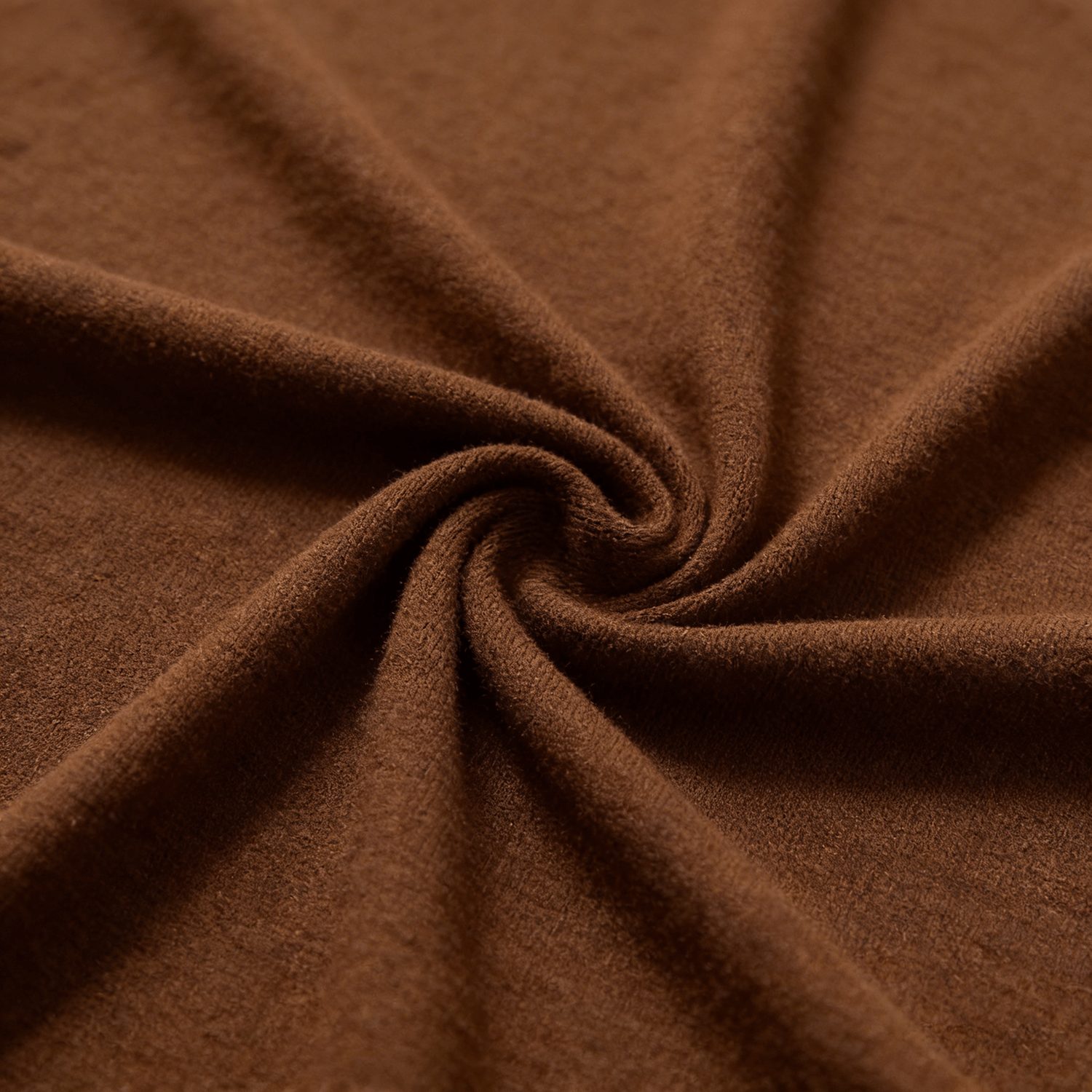
Is Modal Fabric Made From Beech Trees?
Some modal is made from beech wood, but not every modal fabric should automatically be described as beechwood fabric. Beech is strongly associated with Lenzing’s modal production, and Lenzing states that it has produced modal from beech wood since 1965.
Textile Exchange likewise states that Lenzing’s TENCEL™ branded Modal fibers are extracted from naturally grown beech wood from PEFC-certified European forests. However, generic modal is a fiber category rather than a single manufacturer’s proprietary recipe, so the actual cellulose source can depend on the producer and supply chain.
This distinction is particularly useful when reading product descriptions. “Beechwood modal” can be meaningful when supported by a manufacturer’s documented raw-material sourcing, but simply seeing the word “modal” on a garment label does not establish that the fabric came specifically from beech trees.
For textile sourcing, buyers should therefore ask for the generic fiber composition, fiber supplier, raw-material origin where relevant, certifications, and traceability documents. These details are much more useful than relying on broad marketing phrases such as “natural wood fabric.”
How Is Modal Fabric Used and How Should It Be Cared For?
Modal is widely used in apparel because its softness, moisture behavior, drape, and compatibility with blends suit products designed for comfort. Typical applications include T-shirts, underwear, pajamas, sleepwear, leggings, socks, sports-oriented base layers, loungewear, and lightweight fashion garments. Lenzing specifically lists applications including T-shirts, blouses, leggings, chinos, and socks among its general apparel applications for regenerated cellulosic fibers.
The correct care method depends on the finished fabric rather than the modal fiber alone. A 100% modal knitted garment may require different care from a modal-polyester-elastane blend or a modal woven garment with special finishing. Washing temperature, mechanical agitation, tumble drying, dyeing, garment construction, and finishing can all affect shrinkage, pilling, shape retention, and appearance.
Consumers should therefore follow the garment’s care label instead of assuming that every modal textile can be washed identically. In the United States, the FTC notes that manufacturers and importers generally need to provide care instructions under the Care Labeling Rule, alongside required fiber-content and other labeling information for covered textile products.
For manufacturers, accurate fiber labeling is equally important. The FTC’s Textile Products Identification Act requires covered textile products to identify constituent fibers by their generic names and, subject to the applicable rules, disclose fiber composition in order of predominance. Thus, “modal” should be treated as a specific fiber-content term rather than simply a marketing description.
FAQ: Modal Fabric
- Is modal fabric made from cotton?
No. Modal is made from regenerated cellulose, generally sourced from wood pulp, while cotton is a natural fiber harvested directly from the cotton plant.
- Is modal fabric made from wood?
Yes, modal begins with cellulose obtained from wood or another suitable cellulose source. Beech wood is particularly associated with Lenzing’s modal fibers, but not every generic modal product should automatically be assumed to come from beech.
- Is modal a natural or synthetic fabric?
Modal is best classified as a regenerated cellulosic or manufactured fiber rather than a conventional natural fiber or synthetic polymer fiber. Its raw material is naturally derived cellulose, but the cellulose is chemically processed and regenerated into textile fiber.
- Is modal better than cotton?
Modal and cotton have different properties, so neither should be treated as universally better. Modal is often selected for softness, drape, and moisture management, while cotton offers a different combination of durability, familiarity, absorbency, and natural-fiber characteristics.
- Is modal fabric biodegradable?
Some branded modal fibers have been independently certified as biodegradable and/or compostable under specified conditions. However, the claim should be checked against the exact fiber product and should not automatically be extended to a finished garment containing synthetic fibers, dyes, finishes, or other materials.
- Is modal fabric good for clothing?
Yes, modal is widely used in clothing where softness, comfort, moisture management, and drape are desirable. It is particularly common in underwear, T-shirts, sleepwear, loungewear, leggings, socks, and other next-to-skin apparel.
Conclusion
Modal fabric is made from regenerated cellulose, with wood pulp serving as the main raw material used to produce many commercial modal fibres. The production process involves transforming purified cellulose into a spinning solution, which is then regenerated into fibres. This explains why modal is neither an untreated wood fibre nor a conventional natural fibre, such as cotton.
The most useful way to understand modal is to consider three levels of information: the raw material, the fibre technology and the finished fabric. The raw material is wood, the modal fibre is created through chemical regeneration, and spinning, weaving, knitting, blending, dyeing and finishing determine the characteristics of the final textile.
For textile buyers and manufacturers, this distinction is especially important when comparing suppliers. ‘Modal’ alone does not reveal the exact wood source, production technology, environmental profile, certification status or finished fabric performance. A more reliable specification will identify the percentage of modal fibre, the fibre supplier or brand where relevant, the raw material sourcing claims, certifications, fabric construction, GSM, yarn characteristics and care requirements. This approach provides a more accurate technical and commercial understanding of modal fabric, while avoiding overly broad sustainability claims, which are becoming increasingly common in textile marketing.