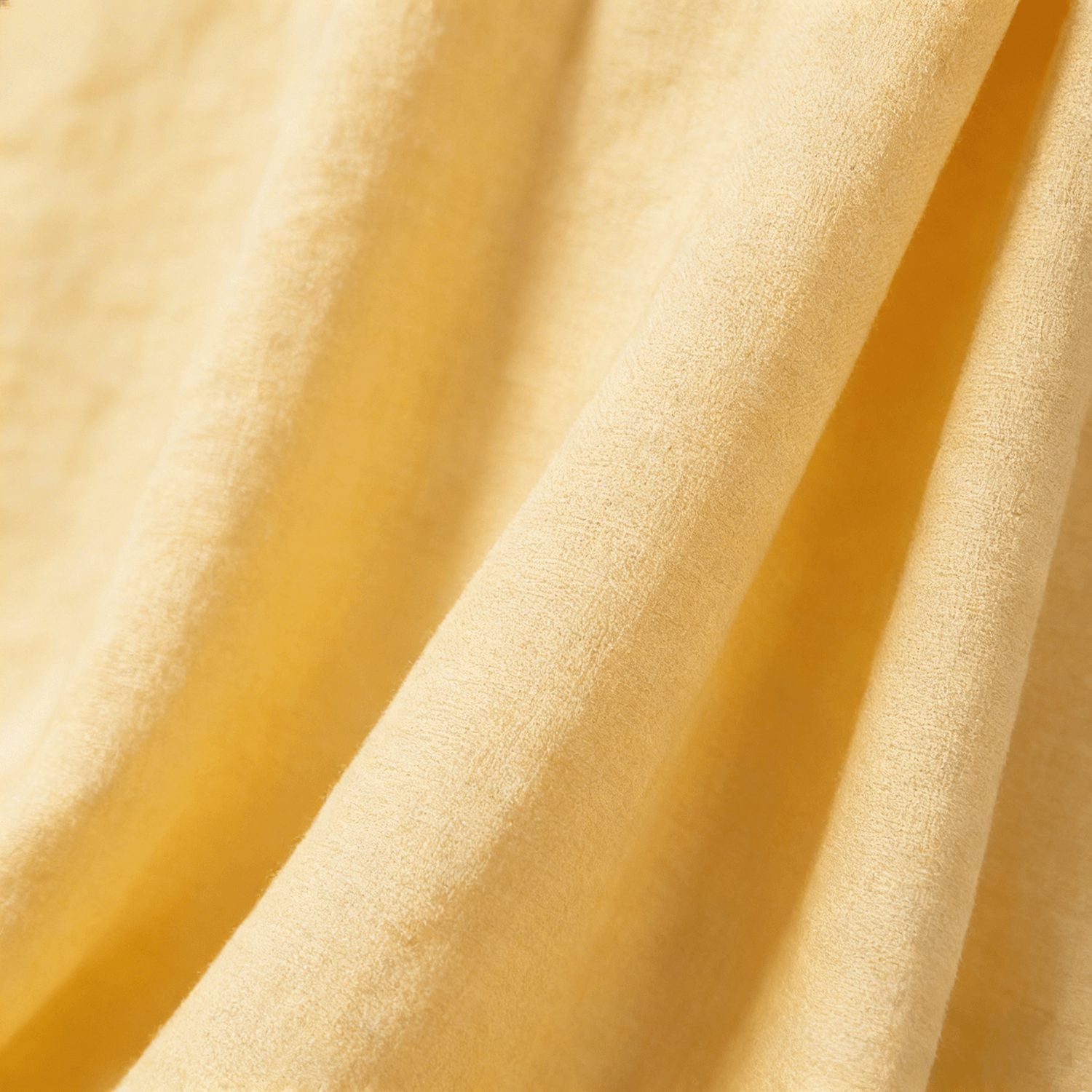
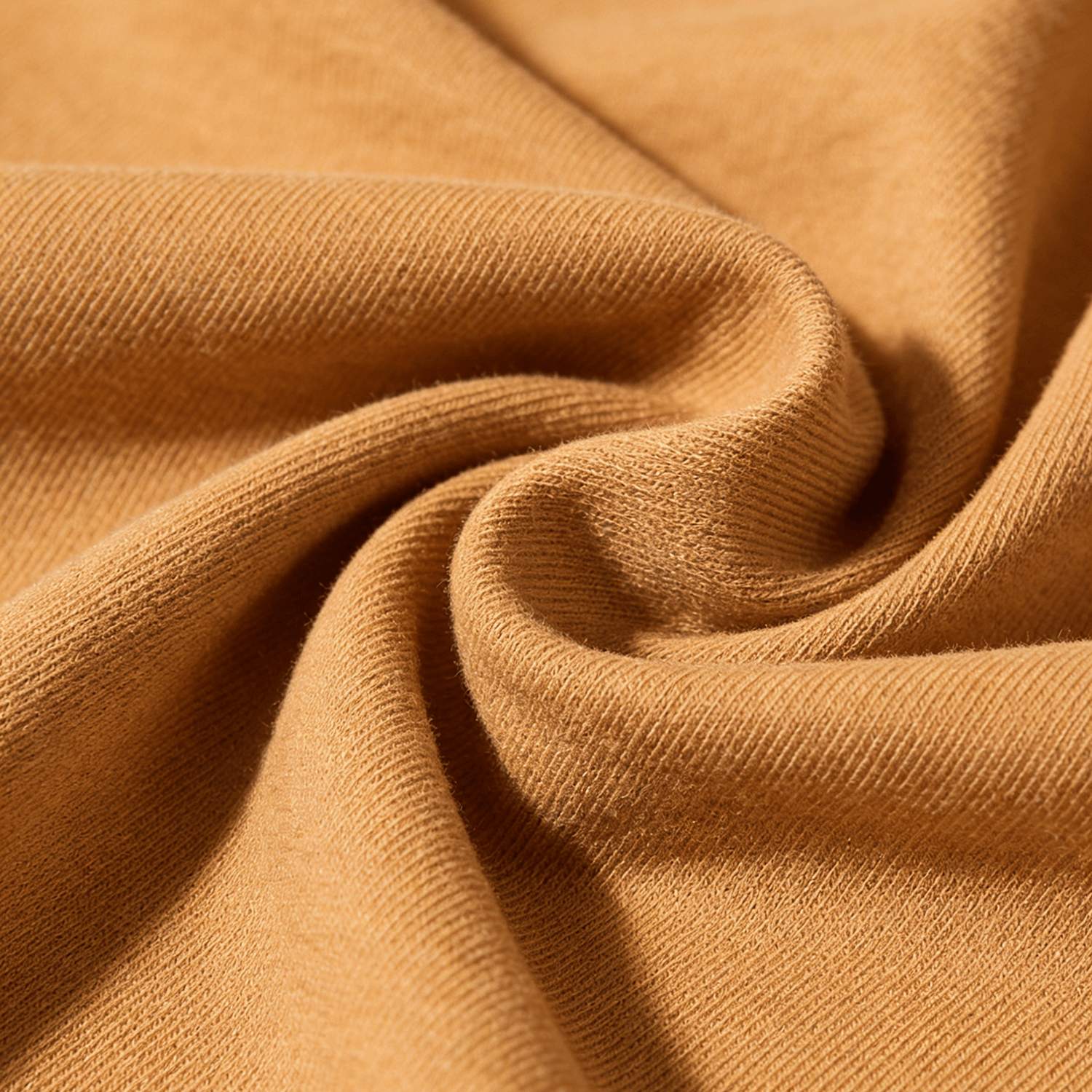
TR fabric, a blend of polyester and rayon, is widely valued for its balance of durability, softness, wrinkle resistance, and cost-effectiveness. According to Textiles by Sara J. Kadolph, Fabric Science by Joseph J. Pizzuto, and Textile Science, polyester-rayon blends combine the dimensional stability of synthetic fibres with the comfort and drape of regenerated cellulose fibres. This makes TR fabric one of the most versatile materials for producing modern apparel and uniforms.
Introduction
Selecting the right fabric is one of the most important decisions in apparel manufacturing. As well as affecting appearance, the choice of fabric directly impacts comfort, durability, maintenance, production costs, and the overall consumer experience. As the fashion and workwear markets continue to demand materials that balance performance with affordability, TR fabric has become an increasingly popular choice for manufacturers, designers, and global apparel brands.
Despite its widespread use, many buyers are unfamiliar with what TR fabric actually is. Some assume it is a fully synthetic textile, while others mistake it for a high-quality natural fibre. In reality, TR fabric is a carefully engineered blend of two different fibre types: polyester and rayon. This combination creates a highly wrinkle-resistant fabric, has a smooth drape, is comfortable to wear, and retains its shape well over time.
Today, TR fabric is used across a wide variety of industries, including business suits, school uniforms, office wear, fashion garments, and hospitality apparel. Its versatility makes it a popular choice among clothing manufacturers seeking reliable performance without the higher costs associated with wool or other premium fibres.
This article explores the composition, manufacturing process, key benefits, and practical applications of TR fabric, helping buyers to understand why it has become one of the most widely used blended textiles in the global apparel industry.
What Is TR Fabric?
TR fabric is a blended textile made primarily from polyester (T) and rayon (R) fibres. The ‘T’ stands for polyester, while the ‘R’ stands for rayon, which is also known as viscose in many markets.
Rather than relying on a single fibre, manufacturers combine these materials to take advantage of their complementary properties. Polyester provides strength, wrinkle resistance, abrasion resistance, and dimensional stability, while rayon offers softness, moisture absorption, breathability, and a smooth, elegant drape.
The blending ratio can vary depending on the intended application. Common compositions include:
- 80% polyester/20% rayon
- 70% polyester/30% rayon
- 65% polyester/35% rayon
- 60% polyester/40% rayon
Some premium TR fabrics also incorporate a small percentage of spandex to improve stretch and recovery, particularly for tailored garments and active businesswear.
The result is a versatile fabric offering an attractive balance of appearance, comfort, durability, and manufacturing efficiency.
How Is TR Fabric Manufactured?
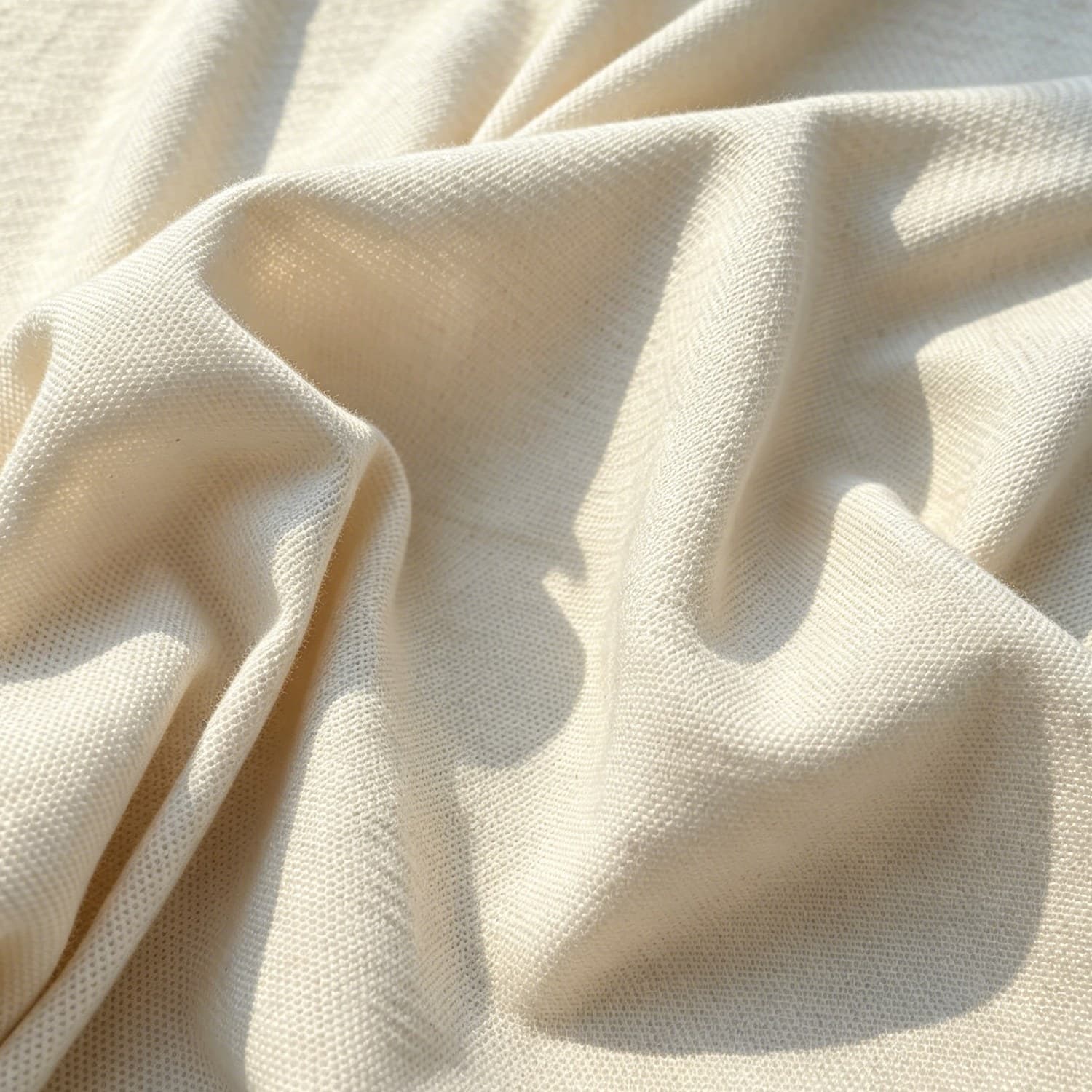
The production of TR fabric begins with the preparation of polyester and rayon staple fibres, which are blended in carefully controlled proportions before spinning. This ensures both fibre types are evenly distributed throughout the yarn, giving the finished fabric consistent physical properties and appearance.
After spinning, the yarn is woven or knitted according to its intended use. Woven TR fabrics are commonly used for suits, trousers, uniforms, and jackets as they provide excellent structure and shape retention. By contrast, knitted TR fabrics are often used for casual clothing, sportswear, and lightweight fashion garments, where greater flexibility and softness are required.
The unfinished fabric then undergoes a series of finishing treatments, including dyeing, heat setting, softening, and, in some cases, anti-pilling or water-repellent finishes. These processes enhance colour consistency, improve dimensional stability, and create the smooth surface associated with high-quality TR textiles.
Key Benefits of TR Fabric
The growing popularity of TR fabric is driven by its ability to combine performance, comfort, and affordability in a single material.
-
Excellent Wrinkle Resistance
One of the most appreciated characteristics of TR fabric is its resistance to wrinkles. Polyester fibers naturally recover from creasing, helping garments maintain a neat appearance throughout the day.
For office workers, students, and travelers, this means clothing requires less ironing and retains a professional look even after extended wear.
-
Soft and Comfortable Feel
While polyester provides durability, rayon contributes a noticeably softer hand feel.
This combination creates garments that feel comfortable against the skin while offering a more luxurious touch than fabrics made entirely from synthetic fibers.
The smooth surface also enhances wearing comfort during long periods of daily use.
-
Attractive Drape
Rayon’s natural fluidity gives TR fabric an elegant drape that allows garments to hang naturally.
This characteristic makes it especially suitable for:
- Business suits
- Dresses
- Skirts
- Uniforms
- Blazers
- Fashion trousers
A refined drape improves both comfort and visual appeal, contributing to a more polished appearance.
-
Good Dimensional Stability
TR fabric retains its original shape well after repeated washing and regular use.
Compared with many natural fabrics, it is less likely to shrink or lose its tailored silhouette, reducing maintenance requirements and extending garment life.
This stability is particularly valuable for uniforms and professional apparel that must withstand frequent laundering.
-
Cost-Effective Performance
Another significant advantage of TR fabric is its ability to deliver premium aesthetics at a moderate cost.
Compared with wool blends, TR fabrics provide similar visual refinement while offering lower production costs, easier care, and greater resistance to everyday wear.
This combination makes TR fabric an attractive choice for manufacturers producing large volumes of business apparel, educational uniforms, and corporate clothing.
TR Fabric vs. Cotton vs. Polyester
| Feature | TR Fabric | Cotton | Polyester |
| Softness | Excellent | Excellent | Moderate |
| Wrinkle Resistance | Excellent | Low | Excellent |
| Breathability | Good | Excellent | Moderate |
| Drape | Excellent | Moderate | Moderate |
| Durability | High | Moderate | Very High |
| Shape Retention | Excellent | Moderate | Excellent |
| Moisture Absorption | Good | Excellent | Low |
| Maintenance | Easy | Moderate | Easy |
| Typical Applications | Suits, uniforms, fashion wear | Casual apparel, home textiles | Sportswear, outerwear |
Why Is TR Fabric So Popular in Modern Apparel?
The growing demand for clothing that is both practical and stylish has significantly increased the popularity of TR fabric. Today’s consumers expect garments that look professional, remain comfortable throughout the day, and require minimal maintenance. TR fabric meets these expectations, combining wrinkle resistance, an attractive drape, and long-lasting durability in a cost-efficient textile.
TR fabric also offers production advantages to manufacturers, including consistent dyeing performance, reliable sewing characteristics, and compatibility with a wide range of finishing processes. These qualities enable apparel brands to produce premium-looking garments while maintaining competitive pricing, making TR fabric a popular choice for mass-market collections and corporate uniform programmes.
Common Applications of TR Fabric
Thanks to its versatility, TR fabric is one of the most widely used blended textiles in the apparel industry. Thanks to its balanced combination of durability, softness, wrinkle resistance, and elegant appearance, it is suitable for both formal and casual garments.
In business apparel, it is frequently chosen for tailored suits, blazers, trousers, and skirts, as it retains its crisp appearance throughout the working day while requiring less maintenance than natural fibres such as wool. Its excellent dimensional stability also enables employees to maintain a professional look in corporate uniforms even after repeated washing and extended wear.
Educational institutions are another major user of TR fabrics. School uniforms made from polyester-rayon blends are comfortable during daily activities and durable enough to withstand frequent laundering and continuous use. The fabric’s resistance to wrinkles is particularly valuable for students, reducing the need for constant ironing.
Beyond uniforms, TR fabric is increasingly being used in fashion collections, including dresses, lightweight jackets, coordinated sets, and smart-casual apparel. Designers value its smooth drape, consistent dyeing performance, and ability to create clean garment silhouettes that combine sophistication with everyday practicality.
How to Identify High-Quality TR Fabric?
Although many fabrics are labelled as TR blends, their quality can vary significantly depending on fibre selection, blending ratios, spinning techniques, and finishing processes. Understanding several key indicators helps buyers to evaluate fabric performance more accurately.
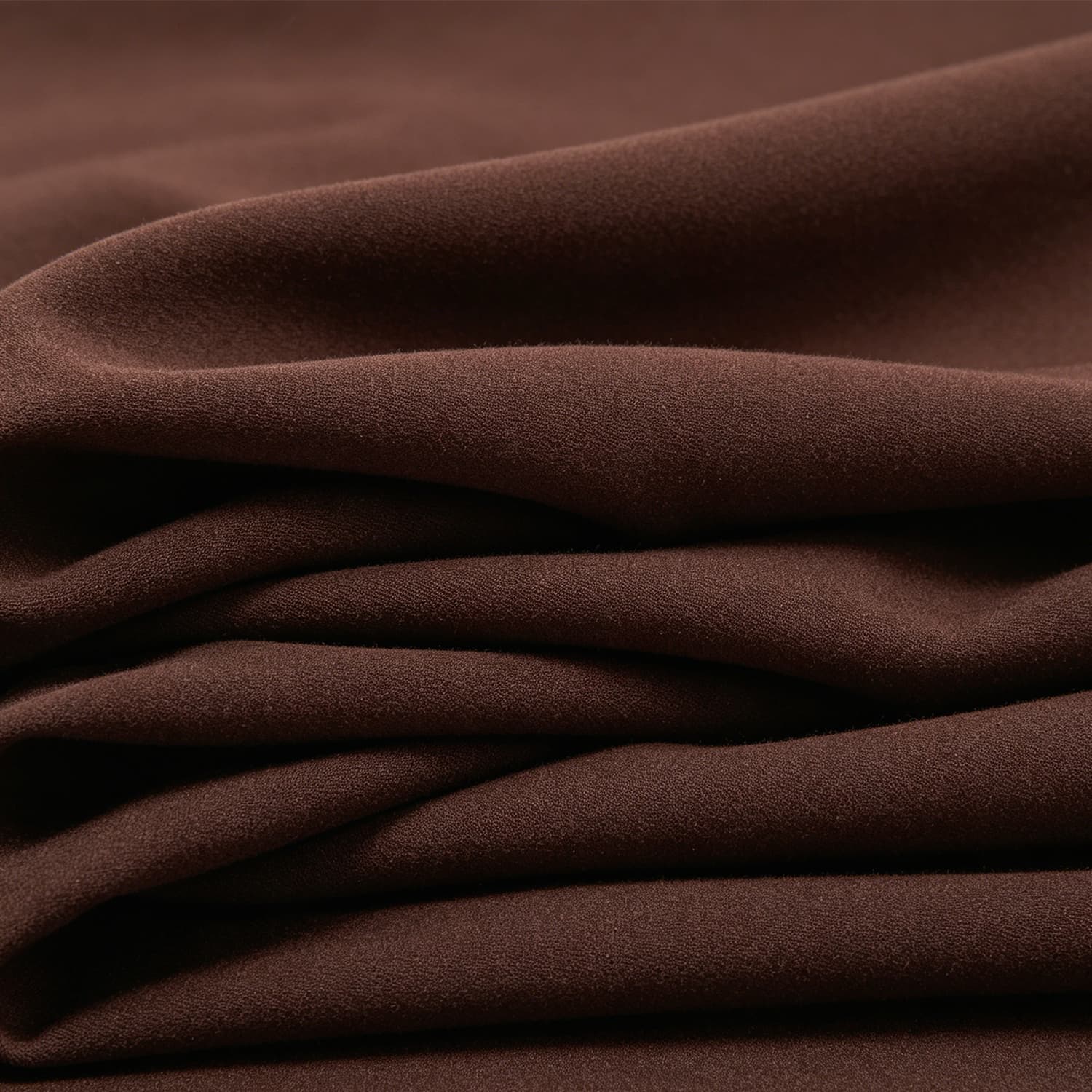
High-quality TR fabrics have smooth, even surfaces without excessive fuzziness or loose fibres. The weave or knit should be uniform with consistent yarn thickness and colour distribution throughout the fabric.
Touch is another important indicator. Premium TR fabrics feel soft yet resilient, combining the smoothness of rayon with the structural support of polyester. Excessively stiff fabrics may contain too much polyester or have undergone inadequate finishing, while overly limp materials may lack the strength required for tailored garments.
Wrinkle recovery is also a useful quality test. When lightly compressed by hand, quality TR fabric should spring back quickly with minimal visible creasing. This characteristic reflects the excellent resilience that has made polyester-rayon blends popular for business clothing.
Finally, reputable manufacturers pay close attention to dyeing quality and finishing consistency. Uniform colouration, minimal pilling, and stable dimensions after washing are all signs of a well-engineered textile.
Care and Maintenance Tips
Proper garment care helps to preserve the appearance and service life of TR fabric.
Although polyester improves durability, rayon fibres require moderate care to maintain their softness and shape.
Recommended maintenance practices include:
- Wash in cold or lukewarm water using a mild detergent.
- Select a gentle washing cycle whenever possible.
- Avoid chlorine bleach, as this may damage fibres and affect colour.
- Garments should be hung to dry naturally or tumble dried on a low heat setting.
- Iron at a medium temperature if necessary, preferably using steam.
- Store garments on appropriate hangers to help them keep their original shape.
Following these recommendations will help to preserve the fabric’s wrinkle resistance, colour stability, and drape over extended periods of use.
TR Fabric Selection Guide
| Intended Application | Recommended TR Blend | Primary Advantages |
| Business Suits | 70% Polyester / 30% Rayon | Excellent drape and wrinkle resistance |
| Corporate Uniforms | 80% Polyester / 20% Rayon | High durability and easy maintenance |
| School Uniforms | 65% Polyester / 35% Rayon | Comfort combined with long service life |
| Fashion Dresses | 60% Polyester / 40% Rayon | Soft texture and elegant appearance |
| Casual Shirts | 65% Polyester / 35% Rayon | Breathability with improved durability |
| Lightweight Jackets | 70% Polyester / 30% Rayon | Shape retention and refined finish |
Frequently Asked Questions (FAQ)
- What does TR fabric stand for?
TR fabric refers to a polyester (T) and rayon (R) blended textile designed to combine durability, wrinkle resistance, softness, and attractive drape.
- Is the TR fabric suitable for summer?
Yes. Thanks to the rayon component, TR fabric offers better breathability and moisture absorption than pure polyester, making lightweight TR fabrics comfortable for warm-weather clothing.
- Does TR fabric wrinkle easily?
No. One of the major advantages of TR fabric is its excellent wrinkle resistance, allowing garments to maintain a neat appearance with minimal ironing.
- Is the TR fabric durable?
Yes. Polyester provides excellent abrasion resistance and dimensional stability, helping TR garments withstand repeated wear and washing while maintaining their shape.
- Is TR fabric better than cotton?
The answer depends on the application. Cotton offers exceptional softness and natural breathability, while TR fabric provides superior wrinkle resistance, better shape retention, and lower maintenance requirements. Business apparel and uniforms often benefit more from TR fabric, whereas casual everyday clothing may favor cotton.
- Can TR fabric be used for formal clothing?
Absolutely. Its smooth surface, elegant drape, and excellent wrinkle recovery make TR fabric one of the most popular materials for suits, trousers, blazers, skirts, and professional uniforms.
Conclusion
TR fabric is one of the most practical and versatile textile blends in the modern apparel industry, combining the complementary strengths of polyester and rayon. Thanks to its excellent wrinkle resistance, smooth drape, comfortable feel, dimensional stability, and competitive cost, it is an ideal choice for garments that must balance appearance, durability, and ease of care.
Whether used in business suits, school uniforms, corporate apparel, or contemporary fashion collections, TR fabric consistently delivers reliable performance and long-term value. Understanding its composition, manufacturing process, and key advantages enables designers, sourcing professionals, and consumers to make informed fabric selections that meet functional and aesthetic requirements. As demand for textiles that combine comfort and efficiency continues to grow, TR fabric remains a dependable solution for a wide range of apparel applications, supporting the production of high-quality garments at a competitive price.