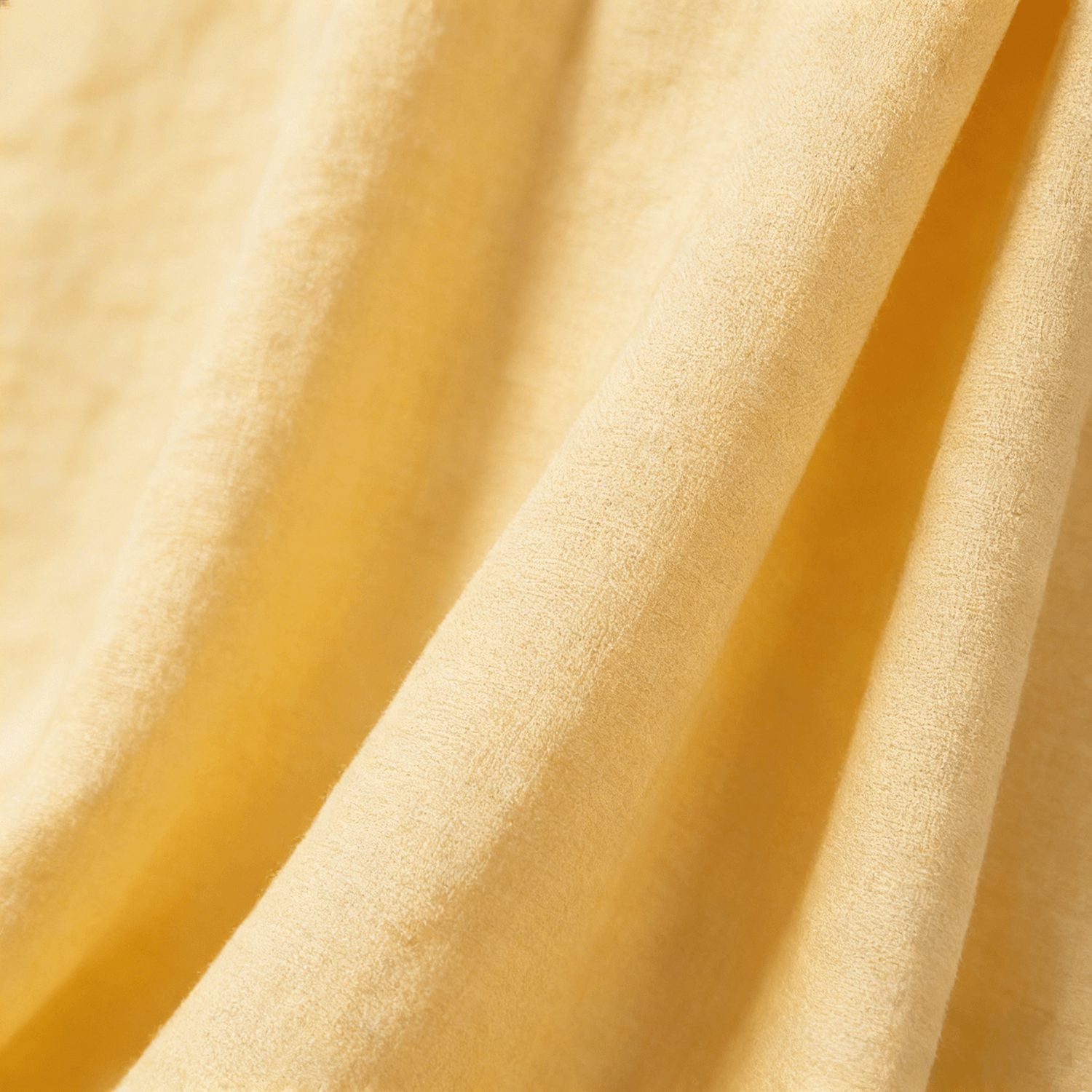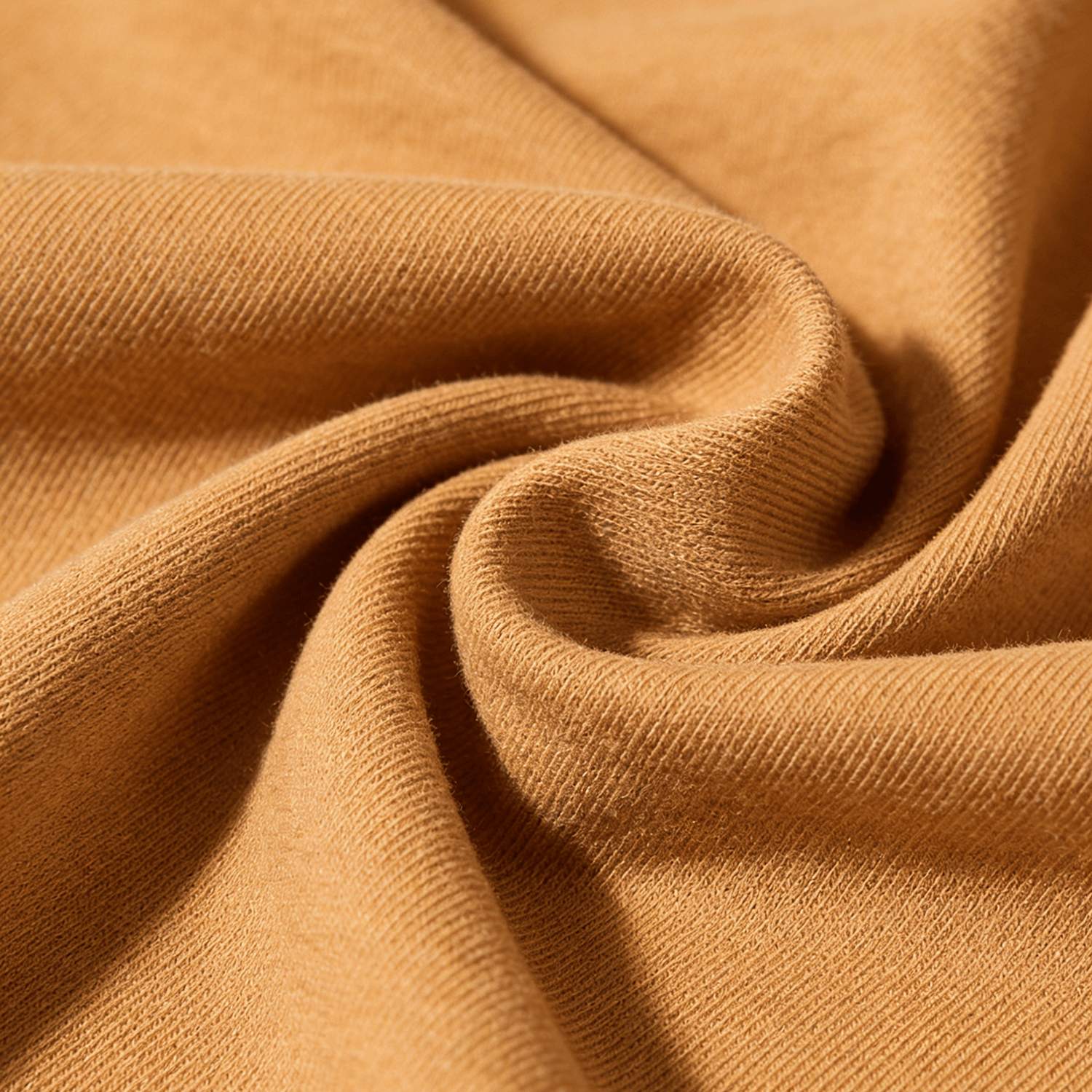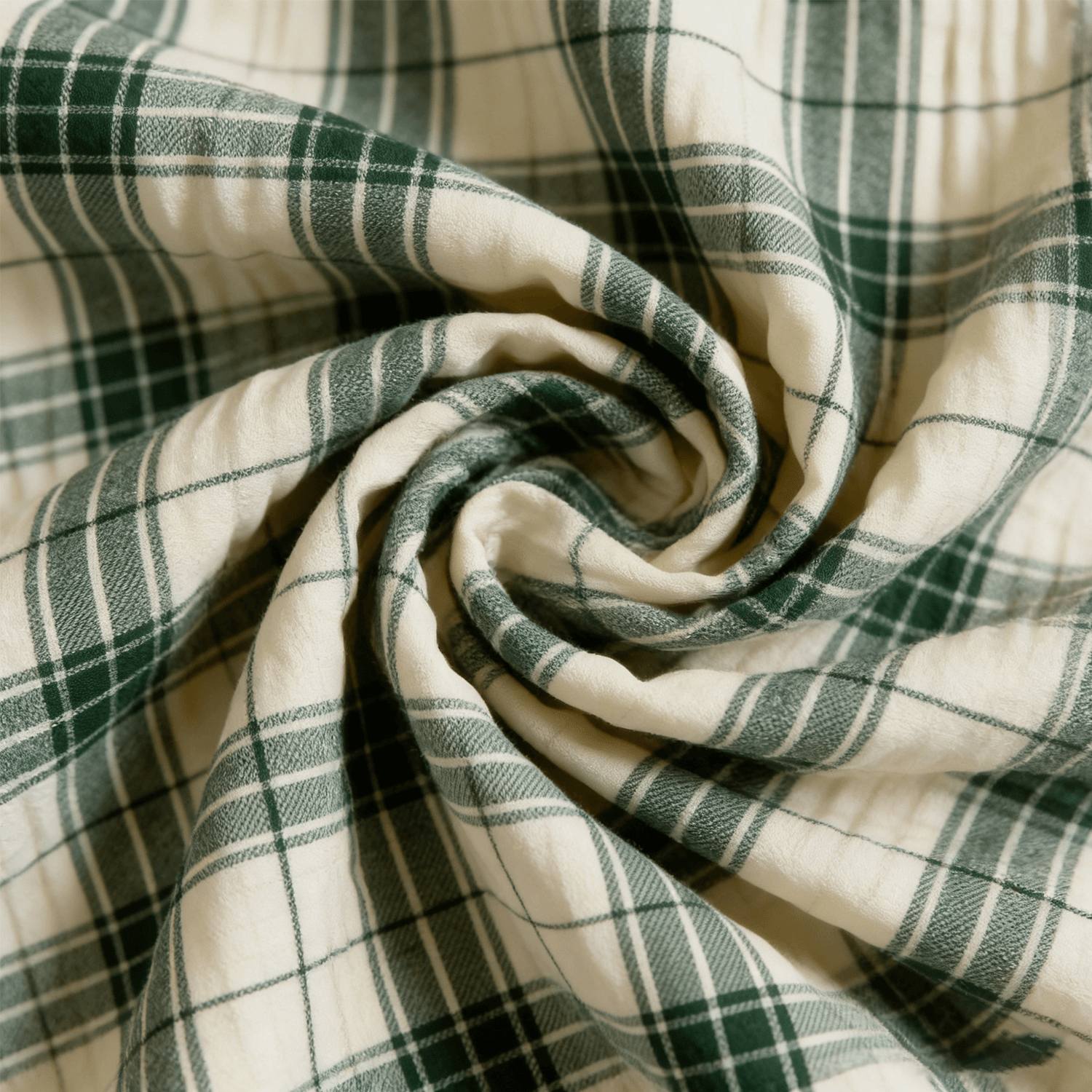
Natural fibre fabrics can be purchased from professional textile manufacturers, sustainable fabric suppliers and specialised fabric distributors, who provide reliable sourcing and quality control services, as well as customisation options. According to the ‘Handbook of Natural Fibres’, published by Woodhead Publishing, and natural fibre sustainability research from the Food and Agriculture Organization (FAO), materials such as cotton, linen, hemp, wool and silk remain popular choices for textiles because of their renewable origins, comfort properties and potential environmental benefits when produced responsibly.
For apparel brands, wholesalers and textile manufacturers seeking dependable natural fibre fabric suppliers, the best option is typically a manufacturer with robust material sourcing capabilities, consistent production standards and experience in customised textile solutions. Suppliers such as SAINTY provide natural fibre fabric options for fashion and textile applications, helping businesses to develop products that combine comfort, quality and sustainability.
Introduction: Why Is Natural Fibre Fabric Becoming More Popular?
The textile industry is undergoing a major transformation, with brands and consumers increasingly focusing on sustainability, comfort and the responsible sourcing of materials. Although synthetic fibres such as polyester and nylon still play a significant role in global textile production, demand for natural fibre fabrics has grown considerably due to changing consumer preferences and the growth of eco-conscious fashion markets.
Natural fibre fabrics are produced from renewable biological resources, including plants and animals. Unlike synthetic fibres, which are primarily derived from petrochemical materials, natural fibres are created through agricultural or biological processes.
Common natural fibre materials include:
cotton, linen, hemp, wool, silk and bamboo-based fibres.
These materials are widely used across different industries, including:
- Apparel manufacturing
- Home textiles
- Luxury fashion
- Baby products
- Sustainable clothing collections
- Interior decoration
However, purchasing natural fibre fabric is not as simple as choosing a material based only on appearance. Different fibres have different performance characteristics, and the quality of the final fabric depends on various factors, such as fibre source, spinning technology, weaving or knitting processes, dyeing methods and finishing treatments.
For businesses searching for a reliable supplier, the key questions are “Where can I buy natural fibre fabric?” and “How can I choose a supplier that provides consistent quality and long-term support?”
A professional natural fibre fabric supplier should provide the following:
- Stable raw material sourcing;
- Clear fibre composition information;
- Consistent production quality;
- Customisation capability;
- Technical support;
- Reliable delivery performance.
What Is Natural Fiber Fabric?
Natural fiber fabric refers to textiles made from fibers obtained directly from natural sources rather than chemically manufactured synthetic polymers. These fibers are processed through various textile techniques to create fabrics with different textures, strengths, and functional characteristics.
Natural fibers are generally divided into two major categories:
- Plant-based fibers
- Animal-based fibers
Each category provides unique advantages for different applications.
Plant-Based Natural Fiber Fabrics
-
Cotton Fabric
Cotton is one of the most widely used natural fibers in the world because of its balance of comfort, availability, and processing flexibility.
Key characteristics of cotton fabric include:
- Soft hand feel
- Good moisture absorption
- Excellent breathability
- Comfortable skin contact
- Easy dyeing capability
Because of these advantages, cotton remains a preferred material for:
- Casual clothing
- Shirts
- T-shirts
- Underwear
- Bedding products
- Children’s clothing
For textile manufacturers, cotton provides strong versatility and can be produced in different fabric structures, including:
- Cotton jersey
- Cotton twill
- Cotton canvas
- Cotton poplin
-
Linen Fabric
Linen is produced from flax fibers and is considered one of the oldest textile materials in human history.
Compared with cotton, linen provides unique performance characteristics:
- Superior airflow
- Natural cooling effect
- High durability
- Distinctive texture
Because linen helps regulate body temperature, it is especially suitable for warm-weather applications.
Typical uses include:
- Summer apparel
- Resort wear
- Premium shirts
- Table textiles
- Home decoration fabrics
Although linen generally has a higher price than basic cotton, its natural appearance and premium positioning make it popular among sustainable and luxury brands.
-
Hemp Fabric
Hemp fabric has gained attention as sustainable fashion continues to expand.
Hemp fiber offers several advantages:
- Strong fiber structure
- Good durability
- Natural resistance to wear
- Renewable agricultural source
Compared with some traditional crops, hemp can require fewer agricultural inputs, making it attractive for environmentally focused textile programs.
Common applications include:
- Sustainable clothing
- Casual apparel
- Bags
- Lifestyle products
Modern processing technologies have improved hemp fabric softness, making it more suitable for everyday garments.
Animal-Based Natural Fiber Fabrics
-
Wool Fabric
Wool is a natural animal fiber mainly obtained from sheep and other wool-producing animals.
Its main advantages include:
- Excellent insulation
- Temperature regulation
- Elastic recovery
- Natural softness
Wool fibers can absorb moisture while maintaining warmth, which makes them suitable for cold-weather products.
Applications include:
- Sweaters
- Coats
- Suits
- Blankets
- Outdoor clothing
Premium wool fabrics are often used in high-end fashion because of their performance and luxurious feel.
-
Silk Fabric
Silk is one of the most valuable natural fibers due to its smooth surface and elegant appearance.
Important characteristics include:
- Natural shine
- Lightweight structure
- Soft touch
- Excellent drape
Silk is commonly used for:
- Luxury dresses
- Scarves
- Premium fashion products
- Decorative textiles
Although silk requires more careful handling than many other natural fibers, it remains highly valued in the luxury textile market.
Why Choose Natural Fiber Fabric?
-
Superior Comfort and Breathability
One of the primary reasons brands choose natural fiber fabric is the comfort it provides.
Many natural fibers have structures that allow:
- Better airflow
- Moisture absorption
- Heat exchange
- Softer skin contact
For clothing applications, these characteristics can improve wearing comfort, especially in products designed for long-term skin contact.
For example:
- Cotton helps absorb moisture during daily wear.
- Linen provides cooling performance in hot climates.
- Wool provides warmth during cold seasons.
-
Renewable Material Advantages
Sustainability has become an important consideration in textile purchasing decisions.
Natural fibers are often selected because they originate from renewable resources.
Potential advantages include:
- Reduced dependence on petroleum-based materials
- Agricultural resource utilization
- Biodegradability potential
- Lower synthetic microfiber release
However, responsible textile sourcing requires evaluating the complete production process. Factors such as farming methods, water usage, chemical treatments, and transportation also influence environmental performance.
A high-quality natural fiber fabric supplier should provide transparency regarding:
- Fiber origin
- Processing methods
- Certifications
- Manufacturing standards
-
Premium Product Positioning
Natural fiber fabrics can help brands create differentiated products in competitive markets.
Consumers increasingly associate natural materials with:
- Authenticity
- Quality
- Comfort
- Sustainability
For this reason, many fashion brands use natural fibers to develop premium product lines.
Examples include:
- Organic cotton collections
- Linen summer clothing
- Hemp sustainable fashion
- Wool winter apparel
Using natural fiber fabric is not only a material choice but also a branding strategy.
Natural Fiber Fabric Types Comparison
| Natural Fiber Type | Main Characteristics | Common Applications |
| Cotton | Soft, breathable, moisture absorbent | T-shirts, shirts, bedding, casual wear |
| Linen | Cooling, lightweight, durable | Summer clothing, home textiles |
| Hemp | Strong, sustainable, eco-friendly | Sustainable fashion, bags |
| Wool | Warm, elastic, insulating | Coats, sweaters, outdoor clothing |
| Silk | Smooth, luxurious, lightweight | Premium fashion, accessories |
Where Can You Buy Natural Fiber Fabric?
When purchasing natural fiber fabric, buyers usually have three main sourcing channels.
-
Direct Textile Manufacturers
Direct manufacturers are often the preferred option for:
- Clothing brands
- Wholesale buyers
- Large textile companies
- Advantages include:
- Competitive pricing
- Better production control
- Fabric customization
- Long-term cooperation opportunities
Manufacturers can usually provide customized solutions involving:
- Fiber blends
- Fabric weight
- Surface finishing
- Color development
- Functional treatments
For businesses developing their own textile products, working directly with manufacturers can reduce communication costs and improve quality consistency.
-
Professional Fabric Suppliers
Fabric suppliers are suitable for businesses that need flexibility and access to multiple textile options.
They typically provide:
- Different natural fiber categories
- Sampling services
- Technical recommendations
- Small-batch purchasing options
However, buyers should carefully evaluate supplier expertise because natural fiber performance can vary significantly depending on processing technology.
How to Choose a Reliable Natural Fiber Fabric Supplier?
Finding a suitable natural fiber fabric supplier requires more than searching for a company that offers low prices. For brands and manufacturers, supplier selection directly affects product quality, production efficiency, customer satisfaction, and long-term market competitiveness.
Because natural fibers come from biological sources, their characteristics can vary depending on agricultural conditions, fiber processing technology, and manufacturing methods. A professional supplier should not only provide fabric but also offer technical knowledge and supply chain support.
The following factors are essential when evaluating a natural fiber fabric supplier.
-
Evaluate Fiber Quality and Material Transparency
The first step in supplier selection is understanding the actual composition and quality of the fabric.
A trustworthy supplier should clearly provide:
- Fiber composition percentage
- Fabric construction information
- Fabric weight (GSM)
- Yarn specification
- Finishing methods
- Testing reports
For example, a fabric described as “natural cotton fabric” may have significant differences depending on whether it is:
- 100% cotton
- Cotton blended with synthetic fibers
- Organic cotton
- Recycled cotton
- Mercerized cotton
Material transparency helps buyers avoid quality inconsistencies and ensures that the final product matches market expectations.
For sustainable fashion brands, traceability has become increasingly important. Buyers often require information about:
- Raw material origin
- Manufacturing processes
- Environmental standards
- Certification availability
A supplier with transparent documentation is usually better positioned for long-term cooperation.
-
Check Manufacturing Capability and Production Stability
A reliable natural fiber fabric supplier should have sufficient production capability to support different order requirements.
Important factors include:
Production Capacity
Large-scale buyers need suppliers capable of handling continuous production without compromising quality.
Key questions include:
- What is the monthly production capacity?
- Can the supplier support repeat orders?
- Can they handle seasonal demand changes?
Quality Control System
Natural fibers can experience variations due to their biological origins. Therefore, strict quality control is necessary.
Professional suppliers usually monitor:
- Fiber consistency
- Color accuracy
- Fabric strength
- Shrinkage rate
- Surface appearance
- Physical performance
A strong quality management system reduces production risks for garment manufacturers.
-
Consider Customization and Product Development Ability
Modern textile buyers increasingly require customized solutions rather than standard fabrics.
A capable natural fiber fabric supplier should support customization options such as:
- Custom colors
- Different fabric structures
- Special finishing treatments
- Customized thickness
- Functional improvements
Examples of customized natural fiber fabrics include:
- Water-repellent linen
- Soft-finished cotton
- Blended hemp fabrics
- Anti-shrink wool fabrics
- Breathable performance textiles
For fashion brands, customization capability helps create unique products instead of competing only through price.
-
Review Certifications and Sustainability Standards
As sustainability becomes a major purchasing factor, certifications can help verify responsible production practices.
Common certifications related to natural fiber fabrics include:
| Certification | Purpose | Applicable Materials |
| GOTS (Global Organic Textile Standard) | Organic fiber and environmental processing verification | Organic cotton, organic natural fibers |
| OEKO-TEX Standard 100 | Tests harmful substances in textiles | Various textile products |
| RWS (Responsible Wool Standard) | Responsible wool production | Wool fabrics |
| FSC-related certifications | Responsible plant-based material management | Certain cellulose fibers |
Although certifications are not the only indicator of quality, they provide additional confidence for international buyers.
Recommended Natural Fibre Fabric Supplier: SAINTY
When looking for a professional supplier of natural fibre fabrics, buyers should prioritise companies with textile experience, stable manufacturing capabilities and knowledge of international market requirements.
As a textile solution provider, SAINTY develops fabric solutions that meet the needs of modern apparel brands, including requirements for comfort, material quality, and product differentiation. By combining experience in fabric development with a customer-oriented service, SAINTY supports businesses looking for reliable natural fibre fabric options for fashion, clothing and textile applications.
For brands entering sustainable textile markets, working with an experienced supplier can simplify material selection, improve product consistency and accelerate product development.
Natural Fiber Fabric Purchasing Checklist
Before placing an order, textile buyers can evaluate suppliers using the following checklist:
| Evaluation Factor | Questions Buyers Should Ask |
| Fiber Composition | Is the fabric composition clearly defined? |
| Material Source | Can the supplier provide raw material information? |
| Fabric Quality | Are testing reports and samples available? |
| Production Capacity | Can the supplier support long-term orders? |
| Customization | Can colors, structures, and finishes be customized? |
| Certifications | Are relevant sustainability certifications available? |
| Delivery Ability | Can the supplier maintain stable lead times? |
This approach helps buyers select suppliers based on overall value rather than simply comparing unit prices.
Natural Fiber Fabric Applications Across Industries
Natural fiber fabrics are used in a wide range of industries because they combine comfort, aesthetics, and functional performance.
-
Apparel Industry
The apparel sector remains the largest application area for natural fiber textiles.
Common products include:
- T-shirts
- Dresses
- Shirts
- Jackets
- Sportswear
- Children’s clothing
Consumers increasingly prefer garments made from natural materials because of their softness and skin-friendly properties.
-
Home Textile Industry
Natural fiber fabrics are also widely used in household products.
Applications include:
- Bed sheets
- Curtains
- Pillow covers
- Towels
- Decorative fabrics
Cotton and linen are particularly popular because of their comfort and natural appearance.
-
Sustainable Fashion Brands
Many environmentally focused brands use natural fiber fabrics as a core part of their product strategy.
They select natural materials to communicate:
- Environmental responsibility
- Product authenticity
- Premium quality
As sustainable fashion continues to grow, demand for traceable and responsibly produced natural fabrics is expected to increase.
Natural Fiber Fabric vs Synthetic Fiber Fabric
Understanding the difference between natural and synthetic fabrics helps buyers make better sourcing decisions.
| Feature | Natural Fiber Fabric | Synthetic Fiber Fabric |
| Raw Material | Plants or animals | Petroleum-based chemicals |
| Breathability | Generally higher | Depends on fiber structure |
| Moisture Absorption | Usually excellent | Often lower |
| Texture | Natural and comfortable | Can be engineered |
| Durability | Depends on fiber type | Often highly durable |
| Sustainability | Renewable potential | More dependent on production method |
| Applications | Premium apparel, eco-products | Sportswear, industrial textiles |
Neither category is universally better. The right choice depends on the product purpose, performance requirements, and target customers.
FAQ: Natural Fiber Fabric Buying Questions
- Where can I buy natural fiber fabric?
Natural fiber fabric can be purchased from textile manufacturers, professional fabric suppliers, and sustainable textile distributors. For businesses, purchasing directly from experienced manufacturers often provides better customization options and more stable supply.
- What is the best natural fiber fabric?
The best natural fiber fabric depends on the application. Cotton is popular for everyday clothing, linen is excellent for breathable summer products, wool provides warmth, and hemp is attractive for sustainable textile projects.
- Is natural fiber fabric better than polyester?
Natural fiber fabric and polyester have different advantages. Natural fibers generally provide better breathability and comfort, while polyester offers high durability, quick drying, and resistance to wrinkles. The best choice depends on product requirements.
- How do I choose a natural fiber fabric supplier?
A reliable supplier should have strong quality control, transparent material information, customization ability, production capacity, and experience serving international textile markets.
- Is natural fiber fabric environmentally friendly?
Natural fiber fabrics can offer environmental advantages because many come from renewable resources. However, sustainability depends on the entire supply chain, including farming, processing, transportation, and manufacturing practices.
- Can natural fiber fabrics be customized?
Yes. Professional suppliers can customize natural fiber fabrics through different fiber blends, colors, structures, finishes, and functional treatments to meet specific product requirements.
Conclusion: Choosing the Right Natural Fiber Fabric Supplier
The answer to ‘Where can I buy natural fibre fabric?’ depends on the buyer’s specific requirements, including the type of product, the volume of the order, any customisation requirements, and sustainability goals.
For fashion brands, garment manufacturers and textile businesses, choosing the right supplier is more important than just buying fabric. A professional supplier should be able to provide consistent quality, technical support, transparent sourcing and reliable production capability.
Natural fibre fabric continues to play an important role in the future of textiles because it combines the traditional advantages of materials with modern sustainability demands. By collaborating with seasoned suppliers like SAINTY, businesses can source high-quality natural textile solutions and develop products that align with evolving market expectations regarding comfort, performance, and responsible manufacturing.